
航空、地导、雷达一体联动 空军锤炼多兵种聚合打击能力
Recently, a certain unit of the Eastern Theater Command Air Force organized an integrated joint exercise involving multiple military branches, including aviation, ground-to-air, and radar, conducting a comprehensive red-blue confrontation drill. In a multi-dimensional, realistic combat environment, the exercise honed the unit's combined strike capabilities.
At the start of the exercise, both red and blue sides deployed their early warning aircraft to patrol the designated airspace. Various types of fighter jets received instructions from the control tower and took off in succession with afterburners. The ground-to-air and radar units quickly organized forces to complete preparations such as establishing positions, setting up radar, and loading missiles. During the exercise, multiple red-side fighter jets waited for the opportunity to launch an aerial assault. Upon detection by the blue-side early warning aircraft, blue fighters were immediately guided to intercept. The ground-to-air and radar units of both sides also rapidly organized forces to enhance air search, coordinating with their respective aerial forces to implement joint resistance. After prolonged patrols and tactical maneuvers, the red-side fighter jets began to receive fuel warnings. Under blue-side electromagnetic interference and complex weather conditions, red-side pilots skillfully maneuvered their aircraft, successfully completing aerial refueling.
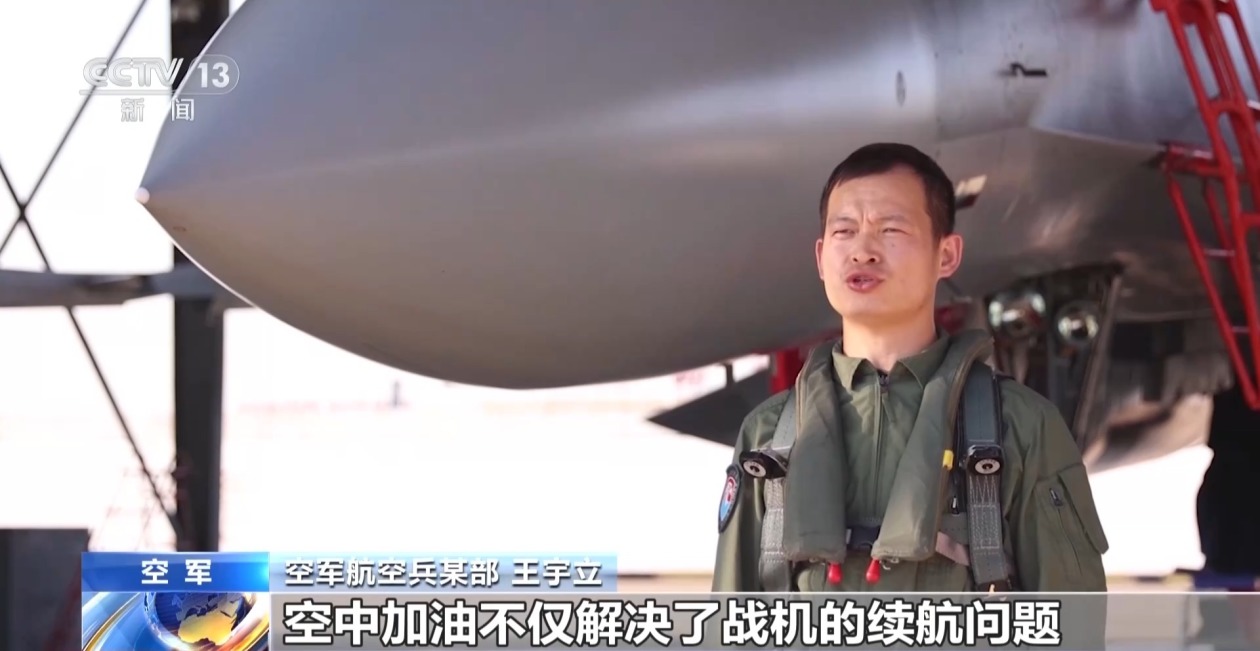
Air Force Aviation UnitWang Yuli: Aerial refueling not only resolved the endurance issue of the fighter jets but also allowed us to maintain continuous pressure on the opponent. In this extreme state, it tests the tactical and technical proficiency of our pilots and the support capabilities of the overall system.
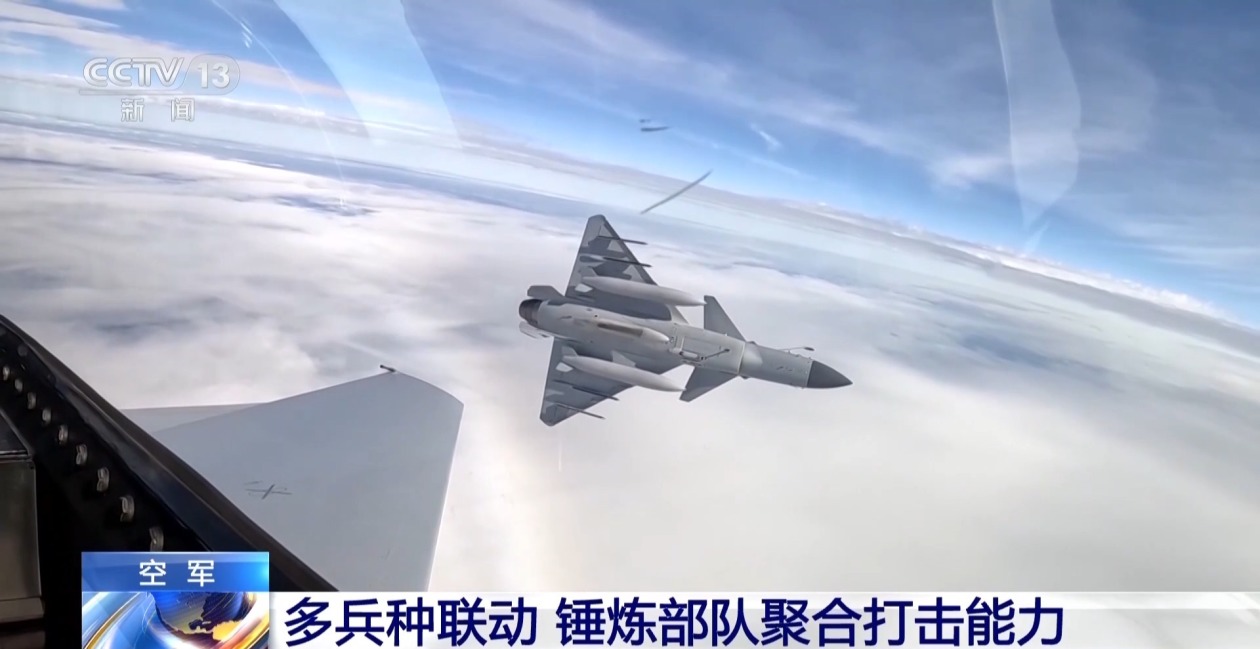
As the fighter jets successively replenished their fuel, the red-side air mission commander readjusted the force deployment, organizing into four groups for sweeping, escorting, suppressing, and ground assault. Relying on an integrated data link to share battlefield situational awareness, they quickly seized attacking positions to implement long-range precision strikes against blue-side aerial targets. Subsequently, the red-side air group provided cover for the units tasked with ground assaults, executing a low-altitude penetration to launch a covert attack on blue-side ground targets.
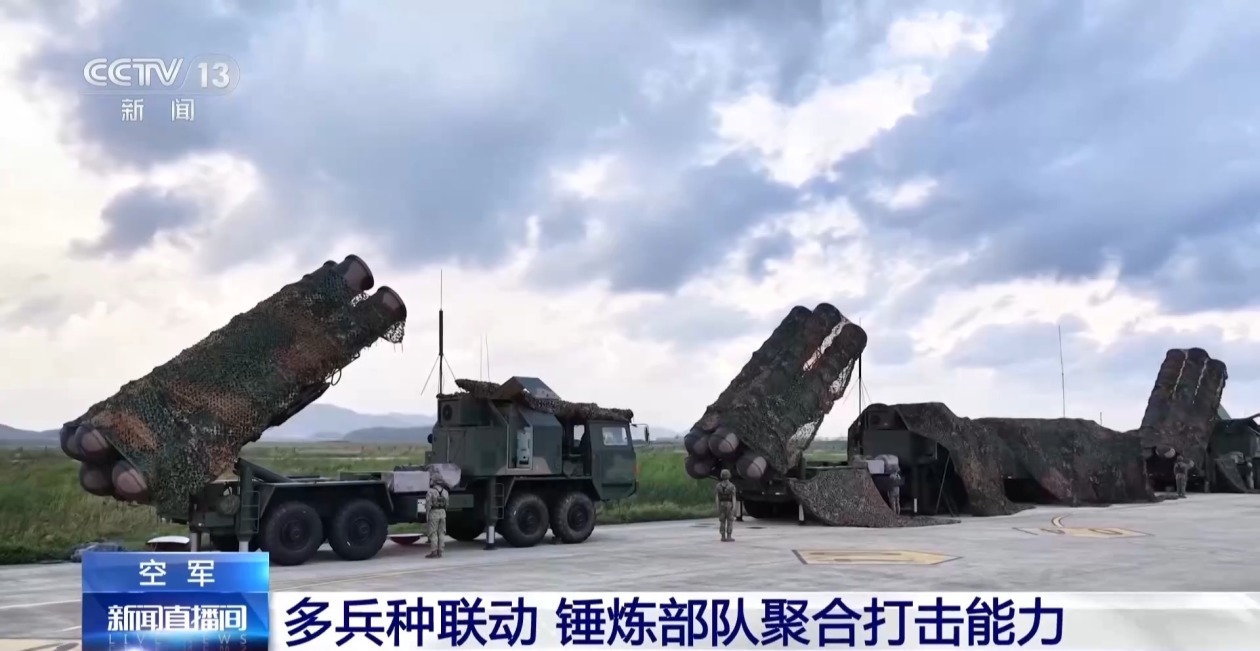
The blue side fully leveraged the advantages of air situation intercommunication and system interconnectivity, rapidly organizing ground forces to form concentrated fire suppression against the red-side assault forces. Faced with multiple layers of interception from the blue side, the red-side assault forces continuously evaded multiple locking threats. Under effective cover from electromagnetic interference, they broke through the air defense barrier and successfully destroyed blue-side ground targets.
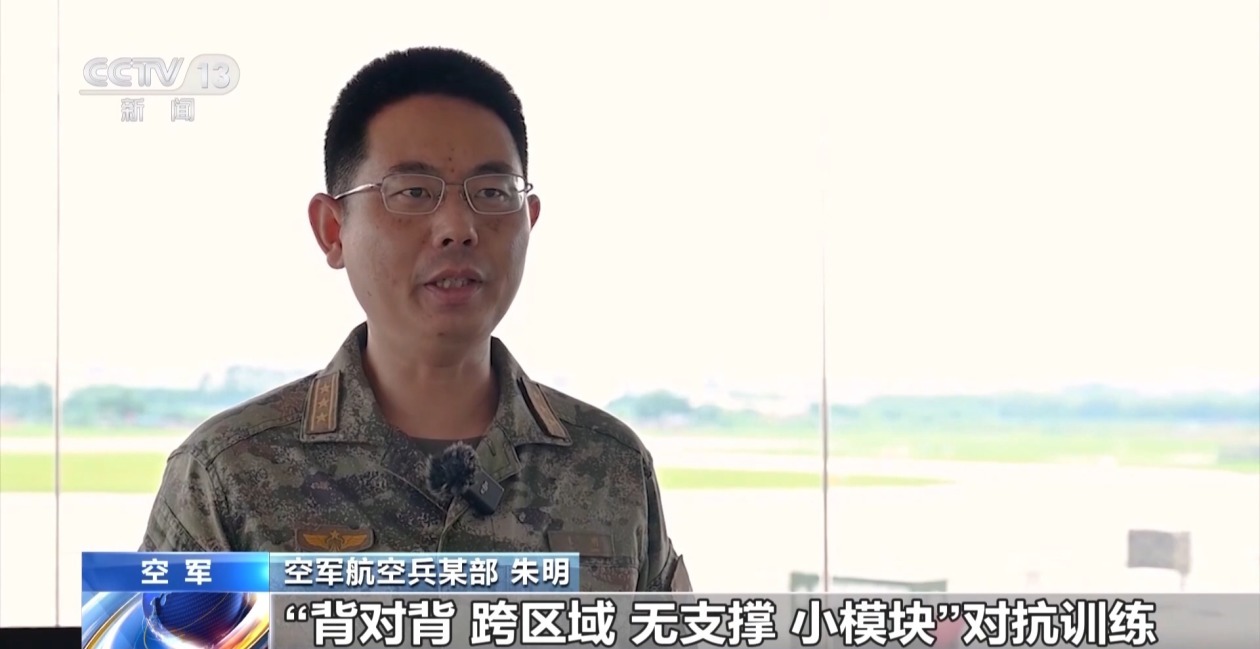
Air Force Aviation UnitZhu Ming: We regularly conduct "back-to-back, cross-regional, unsupported, small module" confrontation training to solidify tactical foundations, strengthen combat formations, and solve key challenges. Pilots practice boundaries and limits in real combat scenarios, promoting the accelerated enhancement of the system combat capabilities of all participating units.
东部战区空军开展了多军种联合空地演习,重点提升联合打击能力。演习中使用了预警机和多种战斗机,红方对蓝方地面目标实施了低空突袭。此次行动在复杂条件下成功进行了空中加油和战术机动。
- 东部战区空军开展联合演习
- 涉及预警机和多种战斗机
- 红蓝双方参与模拟作战场景
- 在复杂条件下成功进行空中加油
- 红方对蓝方地面目标实施低空突袭。