
日本防卫预算创新高 专家:新一轮军事扩张起点
According to news from Japan on August 21, the total budget requests from Japanese government departments and agencies for the fiscal year 2027 are expected to exceed 130 trillion yen, a significant increase compared to the 122 trillion yen of the current fiscal year. Among them, the Japanese Ministry of Defense plans to request approximately 8.9 trillion yen, setting a new historical record. What dangerous signals does this change send to the outside world?
Vice Dean of the Japan Research Institute at Nankai University, Zhang Yulai: The fiscal budget requested by the Japanese Ministry of Defense for the fiscal year 2027 is 8.9 trillion yen, setting a new historical high. The clear signal it sends is that Japan's military expenditure is still in a phase of rapid growth, and its national security strategy is undergoing profound transformation.
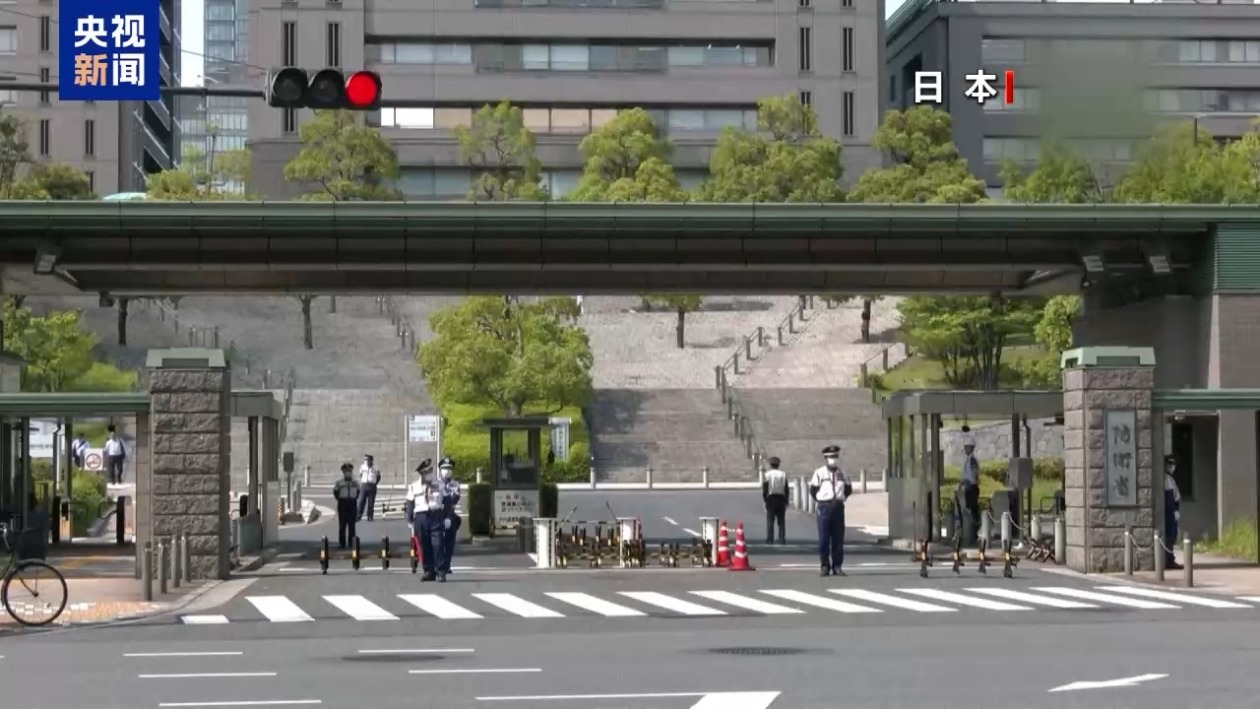
Vice Dean of the Japan Research Institute at Nankai University, Zhang Yulai: First, Japan's military expenditure is still in an accelerated growth phase. According to current security documents, Japan's defense spending for the fiscal year 2027 is to reach 2% of GDP. Due to severe inflation, Japan's nominal GDP has seen a significant increase. Based on the current nominal GDP, Japan's current defense spending is about 1.5% of GDP. To reach 2%, an additional 3.2 trillion yen may be needed, coupled with the clear strong military policy of the Kishida administration, 2% may only be the starting point, with the possibility of further pushing towards the 3.5% requested by the United States in the future. Therefore, the current 8.9 trillion yen is not the peak, but merely the starting point of a new round of expansion.
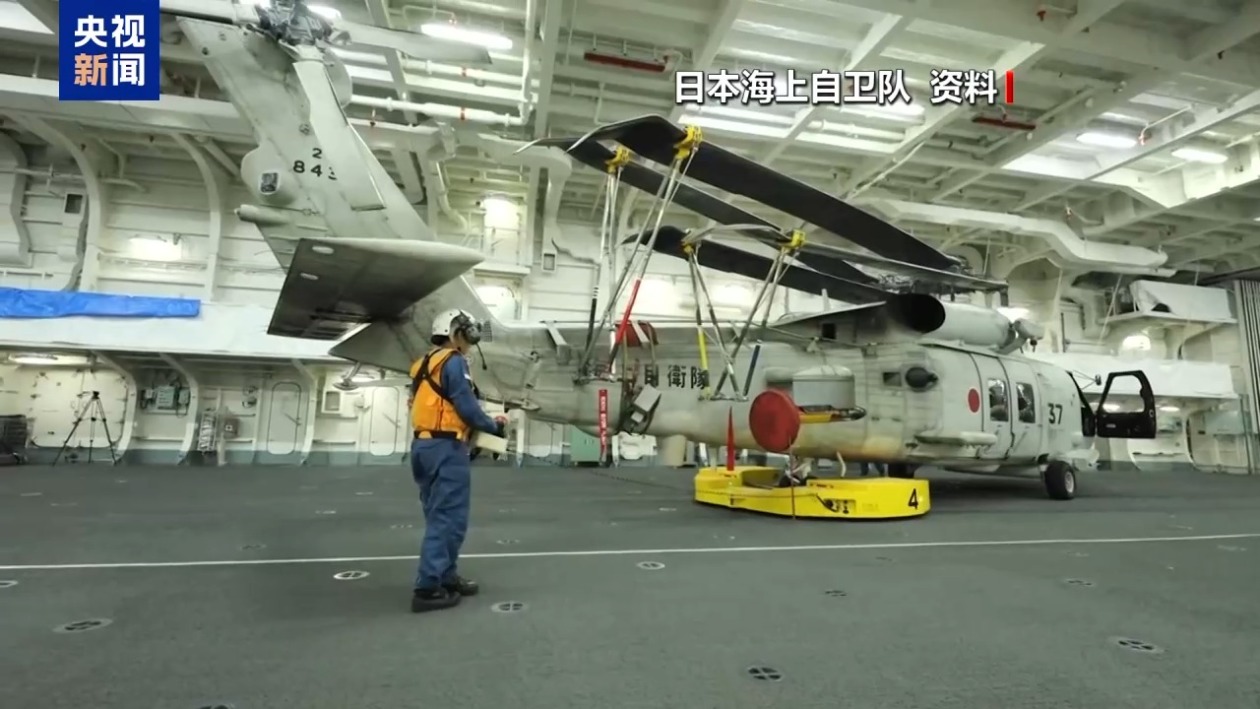
Vice Dean of the Japan Research Institute at Nankai University, Zhang Yulai: Second, the Ministry of Defense has clearly stated its intention to deploy drone interception projects, indicating that the upcoming "three security documents" of Japan will also strengthen its counterattack capabilities. Japan's defense strategy is shifting from "exclusive defense" to "proactive deterrence." Japan is explicitly incorporating counterattack capabilities into its core security documents, shifting the focus of defense from passive defense to proactive response. The 8.9 trillion yen budget is a footnote to this transformation, signifying that the long-standing principle of "exclusive defense" upheld by Japan after World War II has become nominal.
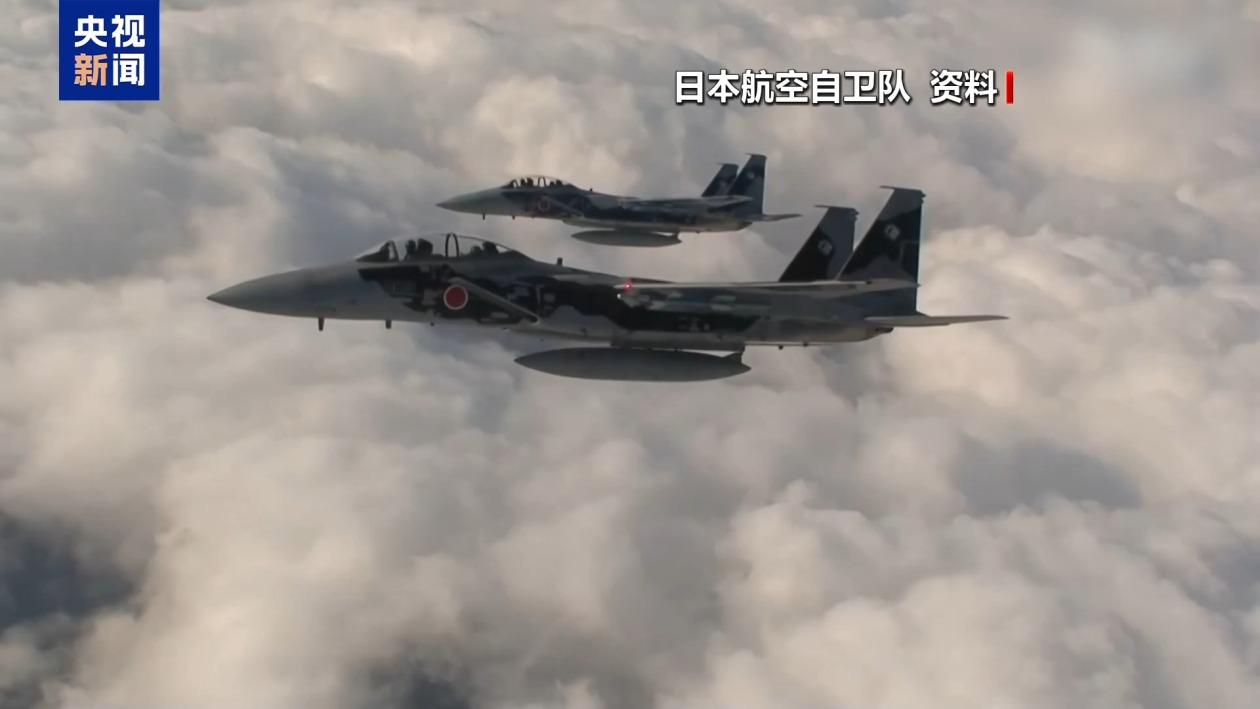
Vice Dean of the Japan Research Institute at Nankai University, Zhang Yulai: Third, Japan is implementing a technological transformation, transitioning from traditional equipment to large-scale adoption of new technologies such as drones and AI. The focus on deploying interception drones indicates that Japan has assessed that the nature of future conflicts has changed, with drone swarms becoming a primary threat. Japan is attempting to use technological advantages to compensate for its manpower and geographical disadvantages, deeply integrating its defense industry with strategic industries such as artificial intelligence and semiconductors. This is not only a military signal but also part of an economic security strategy. Neighboring countries need to pay close attention to this trend.
日本防卫省计划申请创纪录的8.9万亿日元的2027财年防卫预算,反映出军事支出的显著增加。该预算旨在达到GDP的2%,表明从被动防御向主动威慑的转变。防卫省还打算部署拦截无人机,标志着防御战略向先进技术的过渡。
- 日本2027财年的防卫预算预计将超过8.9万亿日元,创历史新高。
- 防卫预算旨在达到GDP的2%,表明军事支出的显著增加。
- 日本正在将其防御战略从被动防御转向主动威慑。
- 防卫省计划作为新战略的一部分部署拦截无人机。
- 日本正在向无人机和人工智能等新技术过渡,以增强其防御能力。