
海拔5000米 地空导弹实弹射击检验防空实战能力
Recently, a certain brigade of the Army's 77th Group Army organized an artillery unit in the northwest Gobi Desert to conduct a comprehensive, full-process, day-and-night live-fire shooting assessment, thoroughly testing the artillery unit's autonomous fire strike capabilities and integrated coordination with multiple types of equipment in an unfamiliar battlefield environment.
Artillery Day-and-Night Shooting
Testing Coordination Capabilities
At the start of the exercise, multiple firepower units composed of howitzers, mortars, and rocket launchers were the first to move out, quickly maneuvering to the designated area. The reconnaissance unit swiftly conducted reconnaissance of the enemy target area, guiding each artillery unit to occupy firing positions.
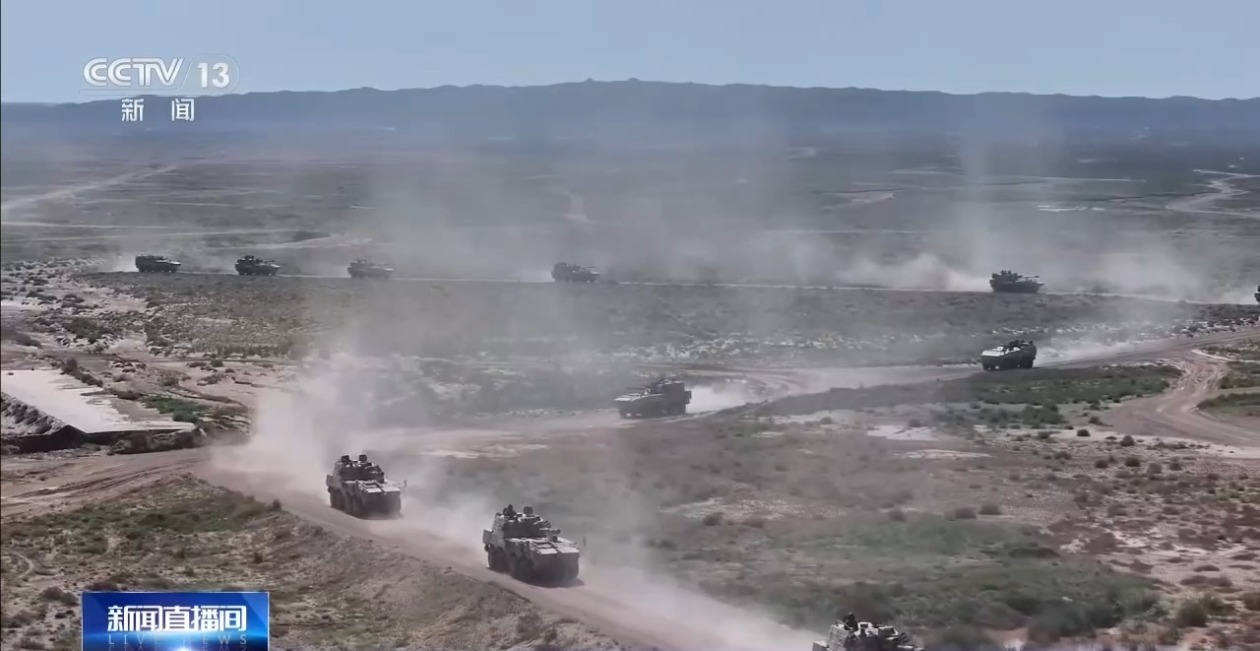
Upon reaching the positions, the forward command post quickly carried out shooting parameter calculations, updating battlefield meteorological conditions in real-time, correcting target coordinates, and disseminating them to each combat team. Each unit simultaneously requested and unsealed ammunition.
The climate in the Gobi Desert is hot, with rapid changes in temperature and wind direction, adding significant difficulty to the aiming and shooting accuracy of the artillery.
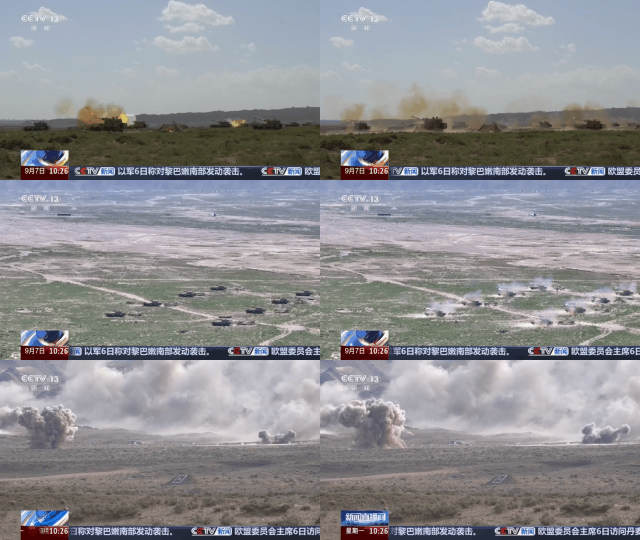
After the first round of shooting, the reconnaissance unit immediately used vehicle-mounted optical equipment and other digital devices to capture and relay impact information in real-time, assisting the artillery in shooting corrections and target calibration.
Army Brigade Li Yong: Our howitzer unit primarily undertakes precision targeting, point destruction, and fire suppression tasks. Compared to previous live-fire assessments, the intelligence data from this exercise was uploaded to the command post via an integrated command platform, allowing commanders to adjust shooting parameters in a timely manner, effectively improving strike speed and accuracy.
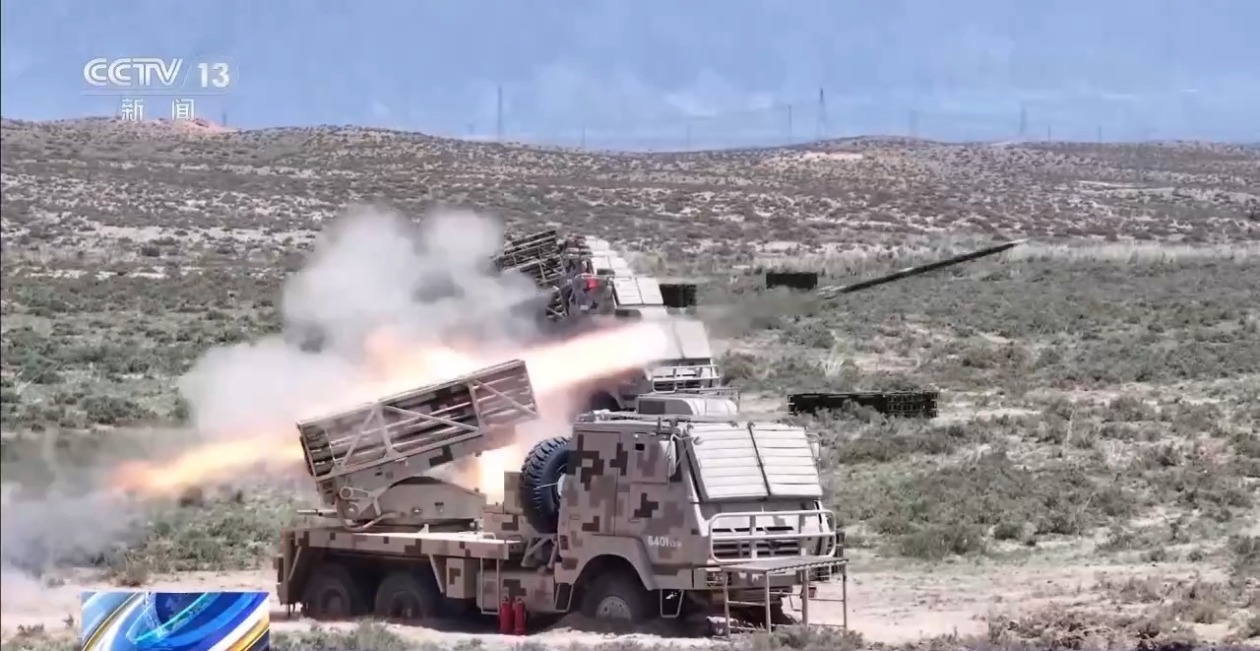
During the intervals between howitzer firing, the mortar unit, deployed in a staggered manner at another position, received shooting orders to engage enemy targets on the reverse slope several kilometers away. Subsequently, the rocket unit employed alternating fire to provide fire coverage on distant targets.
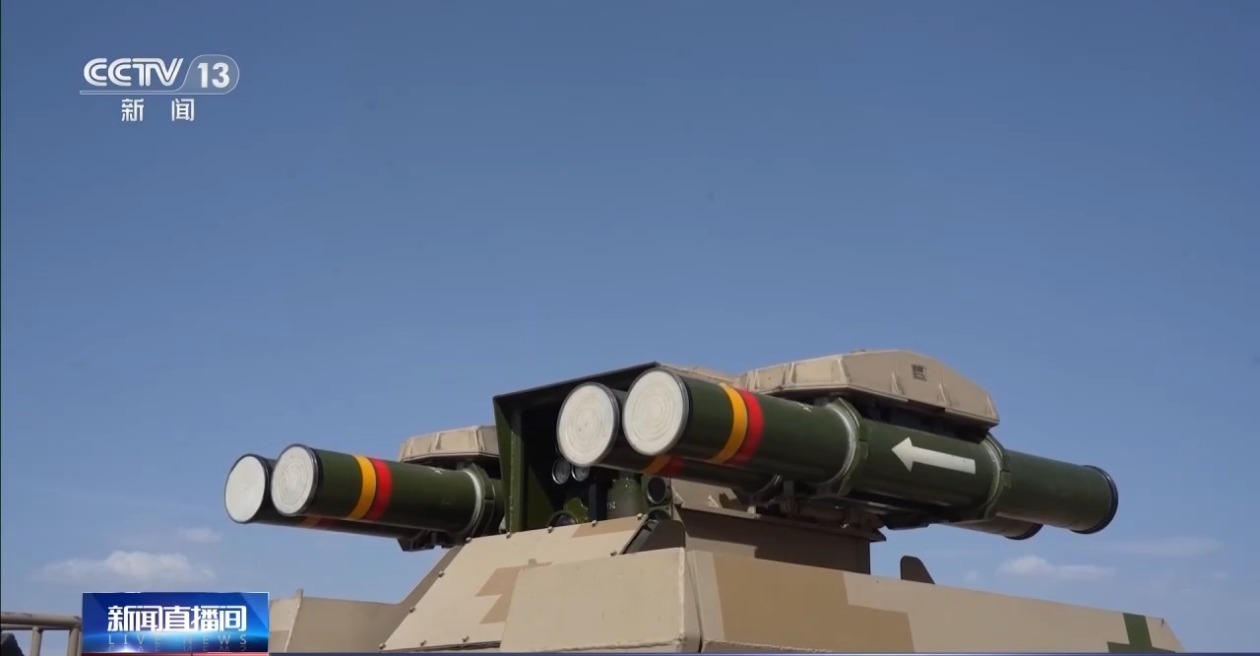
After multiple rounds of fire strikes, each firepower unit quickly relocated. During the maneuver, the anti-tank missile unit rapidly completed target acquisition and fire distribution, delivering precise strikes on enemy armored targets. After the howitzer unit moved to the reserve position, they quickly seized the forward firing position and adjusted from indirect fire to direct fire based on the target situation.
Army Brigade Huang Peng: We have distributed various types of equipment across different regions according to the strategy of allocating different firepower, aiming to build multiple firepower clusters that can support and cover each other while also being able to quickly fill in gaps and concentrate firepower for saturation strikes on targets.
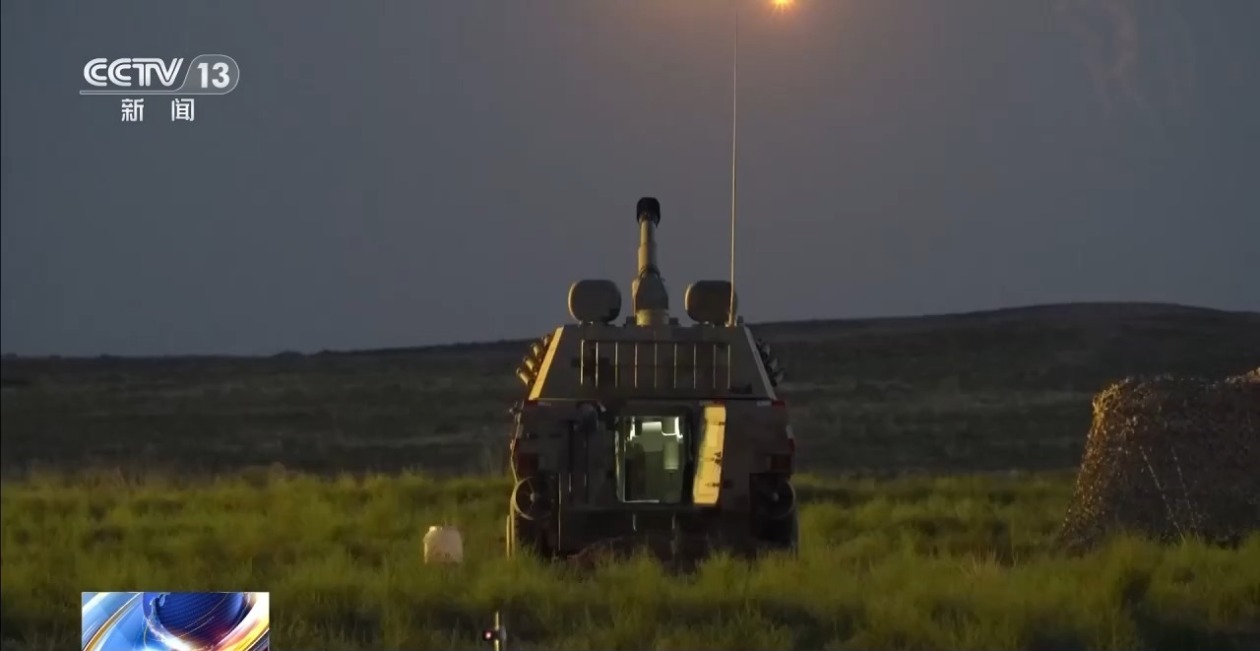
As night fell, the troops transitioned to night live-fire shooting assessments, utilizing illumination rounds during brief moments of light to engage different types of targets with appropriate ammunition.
Army Brigade Liu Chaochao: We have constructed a truly challenging battlefield environment in the unfamiliar Gobi Desert, testing the effectiveness of various types of equipment and munitions in delivering precise strikes on different targets, optimizing the strike process, and continuously promoting the deep integration of personnel and equipment, thereby enhancing the overall coordination capabilities of the artillery unit.
Live-fire Shooting of Surface-to-Air Missiles at an Altitude of 5000 Meters
Recently, a surface-to-air missile unit of a certain division in the Xinjiang Military Region maneuvered to the interior of the Karakoram Plateau at an altitude of over 5000 meters to conduct a comprehensive, full-process live-fire tactical exercise. Facing multiple challenges such as extreme cold, low oxygen, and strong electromagnetic interference, the officers and soldiers honed their interception tactics, testing the equipment's operational performance under plateau conditions and its air defense capabilities in cold regions.
Upon reaching the strike position, the officers and soldiers quickly completed missile loading operations and operated radar to initiate air search.
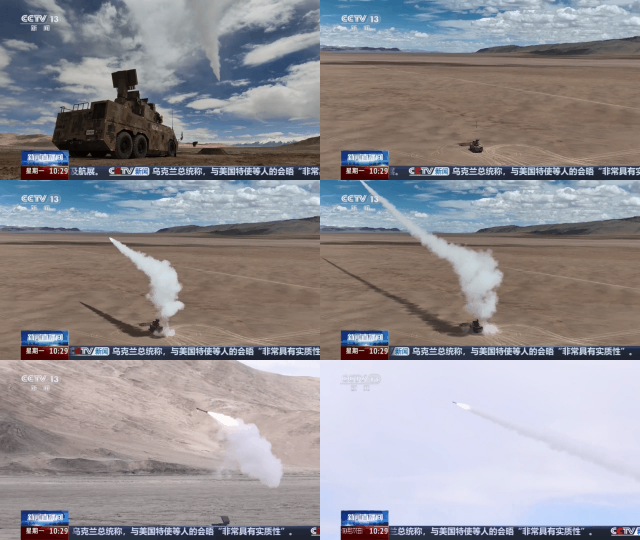
As the target aircraft took off, the search radar immediately captured the target, and the commander decisively ordered the missile to intercept the target accurately.
After the first round of engagement, special situations arose one after another. Enemy aircraft entered the radar search range at low altitude and slow speed, utilizing the weak reflection signal characteristics to blend in with the mountain clutter and electromagnetic interference, increasing the difficulty for the officers and soldiers to respond. After discerning the enemy aircraft's intentions, the radar operator quickly switched the search mode to one suitable for the complex plateau terrain to stabilize target tracking. The missile was launched and accurately intercepted the target within a safe range.
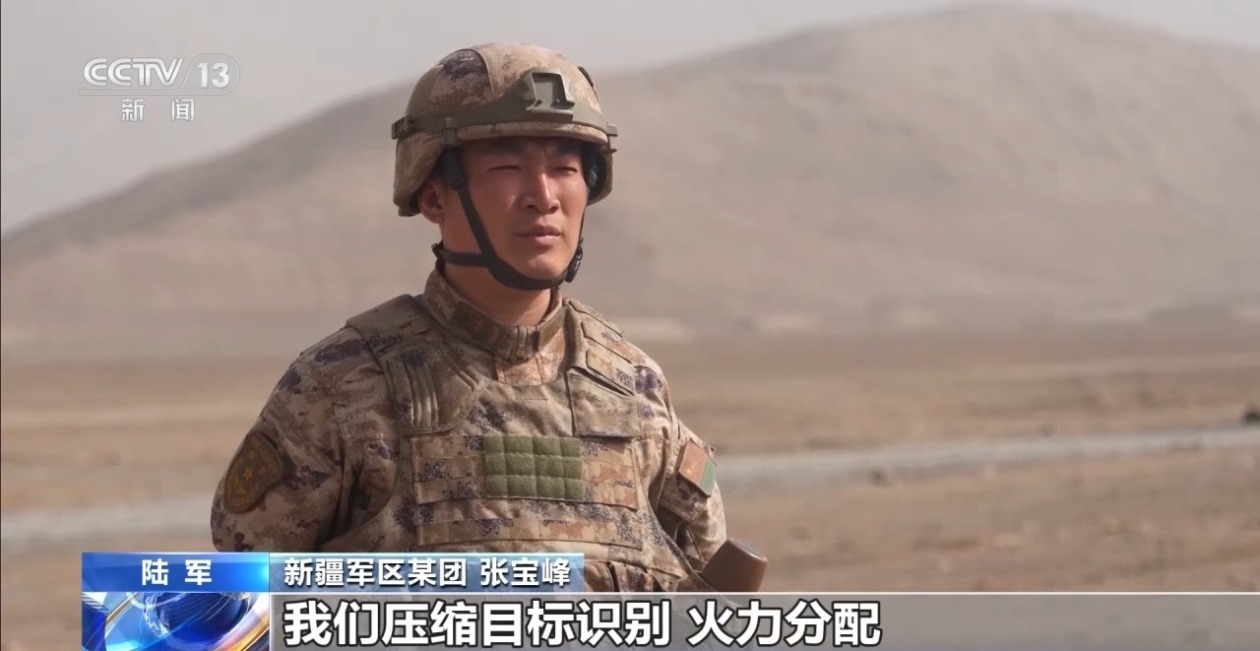
Xinjiang Military Region Certain Regiment Zhang Baofeng: In this assessment, we compressed the decision-making time for target identification, fire distribution, and missile launch, firmly seizing fleeting strike opportunities in complex environments.
Multiple harsh weather conditions, including low pressure, low temperature, low oxygen, and strong wind and sand, continuously tested the physical endurance of the officers and soldiers as well as the stability of the weapon systems. Since entering the plateau, the unit's officers and soldiers have been studying the extreme performance parameters of the equipment while overcoming altitude sickness, collecting hundreds of data points, and mastering various tactical methods.
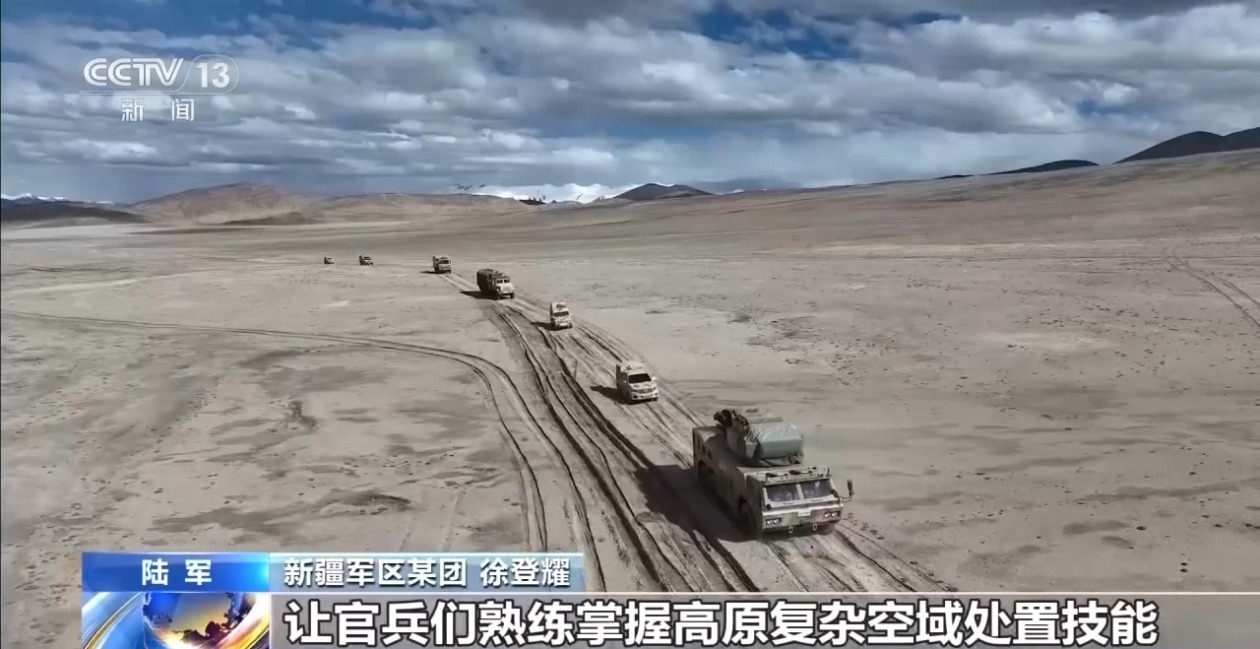
Xinjiang Military Region Certain Regiment Xu Dengyao: This live-fire exercise closely aligns with real combat scenarios on the plateau, embedding special situations such as electromagnetic interference, low-altitude penetration, rapid position relocation, and camouflage protection throughout the entire shooting process. By employing a new training model, we break conventional thinking, allowing officers and soldiers to master skills for handling complex airspace on the plateau, thereby solidifying their combat capabilities and honing their skills for sustained operations and precise enemy annihilation in low-oxygen environments.
第77集团军在喀喇昆仑高原进行实弹演习,测试炮兵和导弹能力,面对严峻条件。部队执行了综合火力支援行动,成功拦截空中目标,并适应高海拔环境。演习包括白天和夜间行动,展示了各军种之间的协调能力增强。
- 第77集团军在喀喇昆仑高原进行实弹演习。
- 炮兵部队展示了综合火力支援能力。
- 导弹小组在严峻条件下成功拦截空中目标。
- 演习包括白天和夜间行动,使用了多种装备。
- 部队适应了高海拔和恶劣天气条件。