
深夜砺剑!海军航空兵开展空战对抗训练
Recently, a certain unit of the naval aviation force in the Southern Theater Command organized night flight training for pilots, honing the unit's emergency combat capabilities during nighttime operations.
In the early morning, the tower commander issued the takeoff order, and dozens of fighter jets sequentially increased thrust and took off, heading towards the mission airspace to conduct air combat training.
As the red and blue flight formations entered the mission airspace, the red side's lead aircraft coordinated seamlessly with its wingman, locking onto the blue side's fighter jets first and preparing to implement a simulated strike. Unexpectedly, the blue side's pilot suddenly increased thrust and turned, attempting to launch a counterattack from the rear side of the red lead aircraft. The red lead aircraft responded calmly and quickly completed an evasive maneuver.
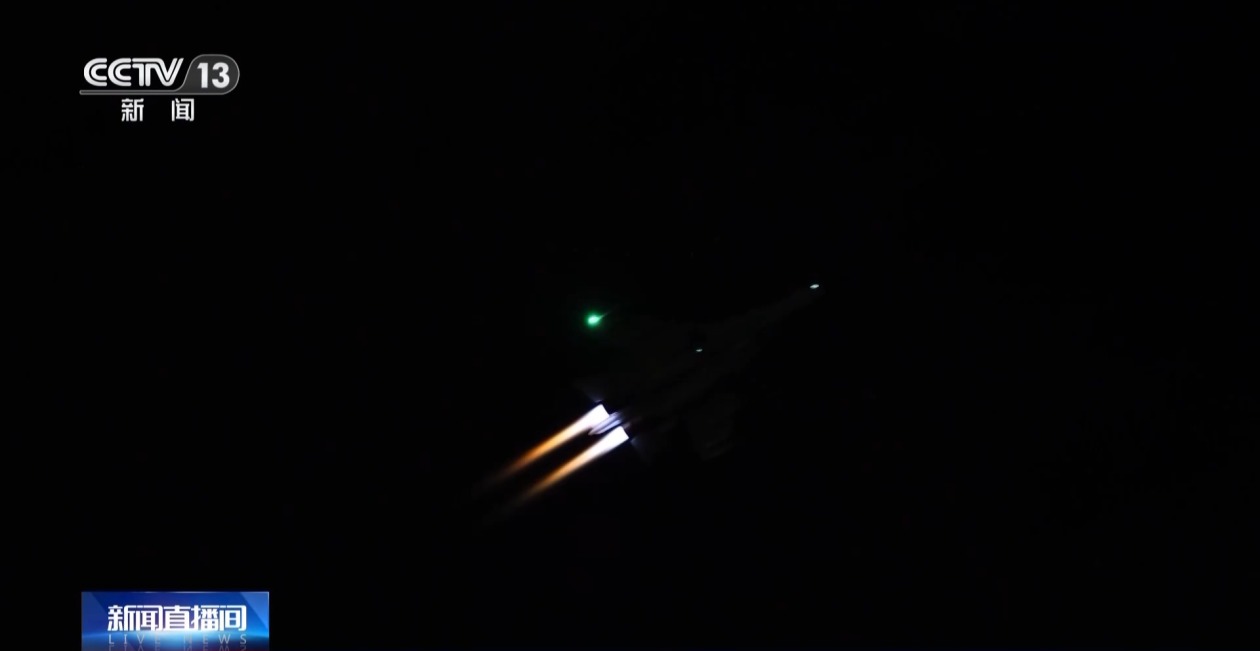
At the same time, the red wingman searched for the target based on the lead aircraft's instructions. Just as it was about to lock onto the target, the "enemy" aircraft suddenly released strong electromagnetic interference and used tactical maneuvers to evade. The red wingman quickly took counter-interference measures based on the aerial situation, soon re-establishing a lock on the target and successfully executing a precise simulated strike.
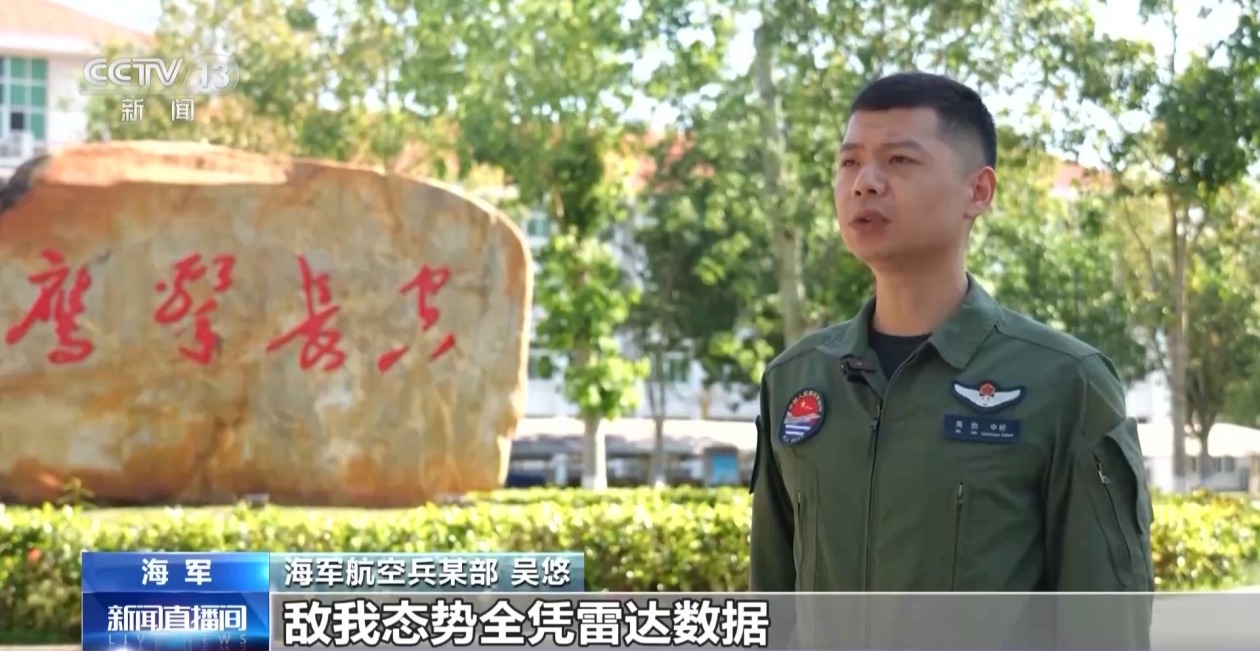
Wu You, a member of the aviation unit: In night air combat, visibility is limited, and the enemy and friendly forces' situations rely entirely on radar data, instrument parameters, and flight experience for comprehensive judgment. Every maneuver, every aiming and firing action must be completed in an instant, with no room for hesitation or deviation. A slight delay could result in missing the opportunity for engagement or even lead to risks.
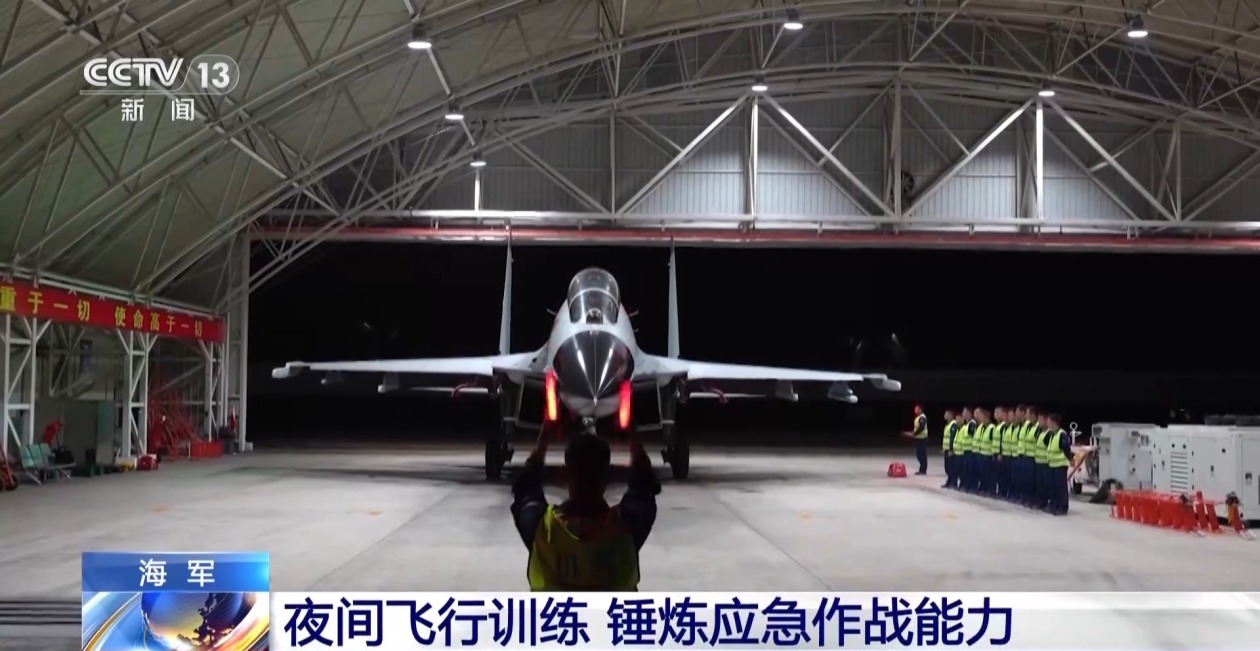
The training continued until the early hours of the morning, with fighter jets landing steadily. The maintenance personnel quickly assembled to complete support operations. Subsequently, the fighter jets roared back into the sky.
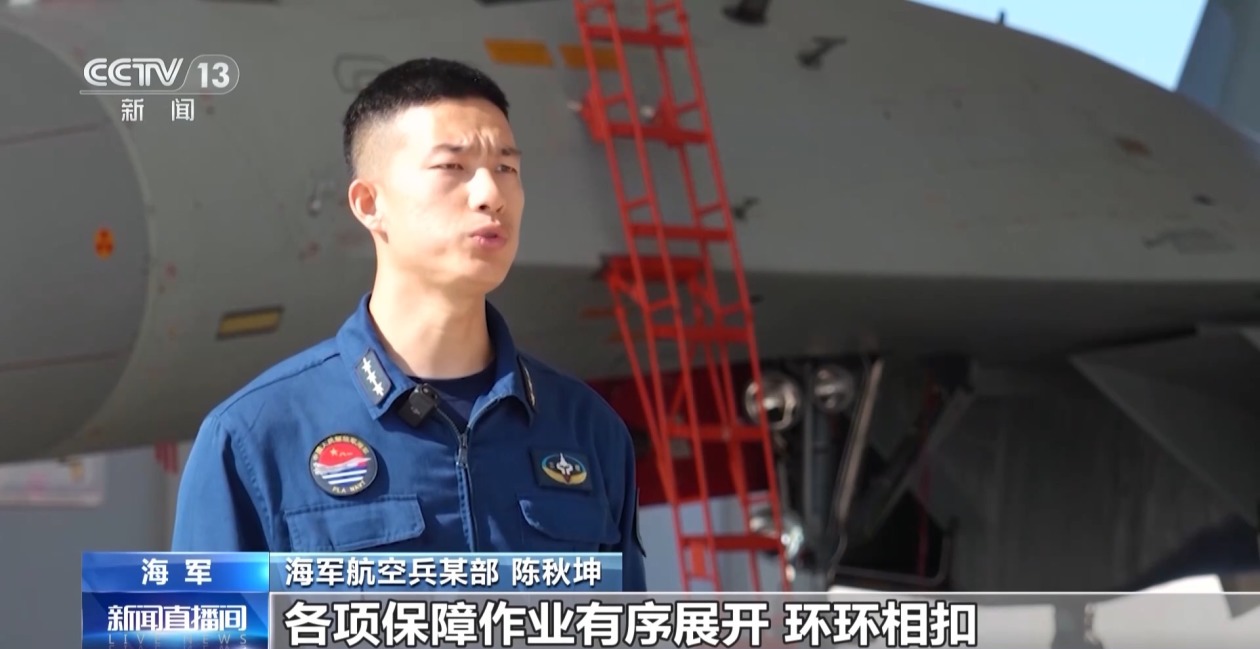
Chen Qiukun, a member of the aviation unit: The flight support tasks in the early hours are tight and fast-paced. Each support operation unfolds in an orderly manner, interlinked with one another. Every operation must be executed with precision and efficiency to ensure that the fighter jets can take off for combat in the best condition.
南部战区海军航空兵开展了夜间空战训练,参与的战斗机数量达数十架。此次演习包括红蓝双方的模拟作战场景,重点关注应急作战能力和电子对抗。训练强调了雷达数据和飞行员经验在夜间作战中的关键作用。
- 海军航空兵开展夜间飞行训练,以增强应急作战能力。
- 数十架战斗机参与了空战训练演习。
- 红蓝双方在训练中进行了模拟作战场景的对抗。
- 训练涉及复杂的机动和电子对抗。
- 演习强调了雷达数据和飞行员经验在夜间作战中的重要性。