
视频丨直击陆军空中突击旅 这支空地融合的“突击尖刀”力量如何作战
Recently, a certain airborne assault brigade of the army organized a comprehensive live-fire exercise that spanned day and night. During the exercise, helicopters formed formations according to combat orders, and under the guidance of ground assault infantry, armed helicopter units conducted precise strikes on targets from different directions. Transport helicopters quickly opened landing zones to support ground forces in new operations.
Lao Chunyan: The airborne assault brigade is a force that deeply integrates air and ground operations. What kind of battlefield environment and tasks require its deployment?
Military Observer Wei Dongxu: It primarily conducts rapid assaults into the depth of land. In the past, rapid assaults into deep areas typically involved main battle tanks leading the charge, followed by covering armored infantry fighting vehicles or armored personnel carriers to quickly penetrate and cut off the enemy's combat positions. However, relying solely on tanks and armored vehicles is still too slow. So, what can be done? The troops can be transported by helicopters to conduct operations.
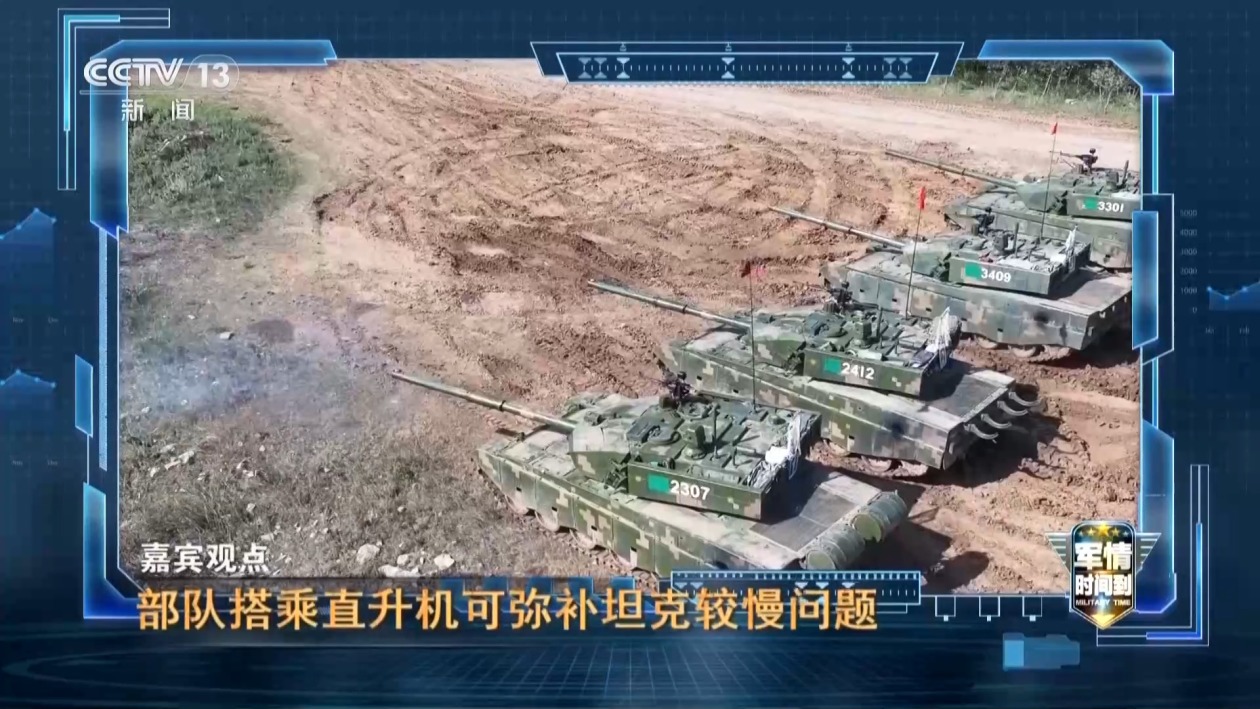
The helicopters used by the airborne assault brigade come in various types, broadly categorized into two main types: the first type is for "attack," and the second type is for "transport."
"Attack" refers to armed helicopters, such as the Z-10 and Z-19, which can perform low-altitude rapid flights, capable of "hunting" enemy tanks and armored vehicles, as well as providing precise fire coverage against enemy fortifications and defensive positions.
Transport helicopters, like the Z-8 and Z-20, can deliver combat personnel and even some light vehicles to the areas to be attacked, effectively coordinating with frontline combat units to form a pincer movement.
Lao Chunyan: Currently, ground assault forces, particularly tanks and armored vehicles, are very wary of drones. Are the helicopters used by airborne assault forces also concerned about drones?
Wei Dongxu: Indeed, there are now some FPV drones, which are high-speed suicide drones that pose a threat to armed helicopters.
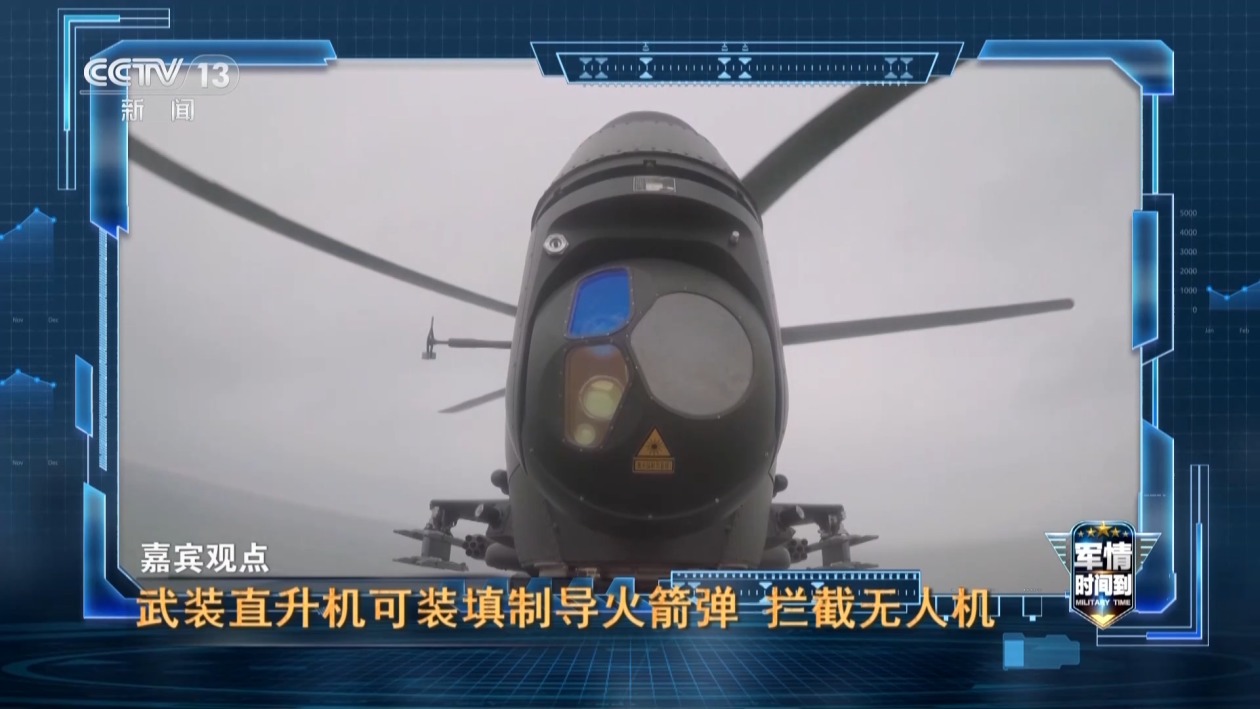
We need to enhance the anti-drone capabilities of armed helicopters. For example, we can specifically load guided rockets into the rocket launchers to intercept long-range suicide drones. Therefore, for armed helicopters to intercept drones, two problems must be solved: visibility and accuracy. Armed helicopters that can address these two issues can also serve as low-altitude drone hunters.
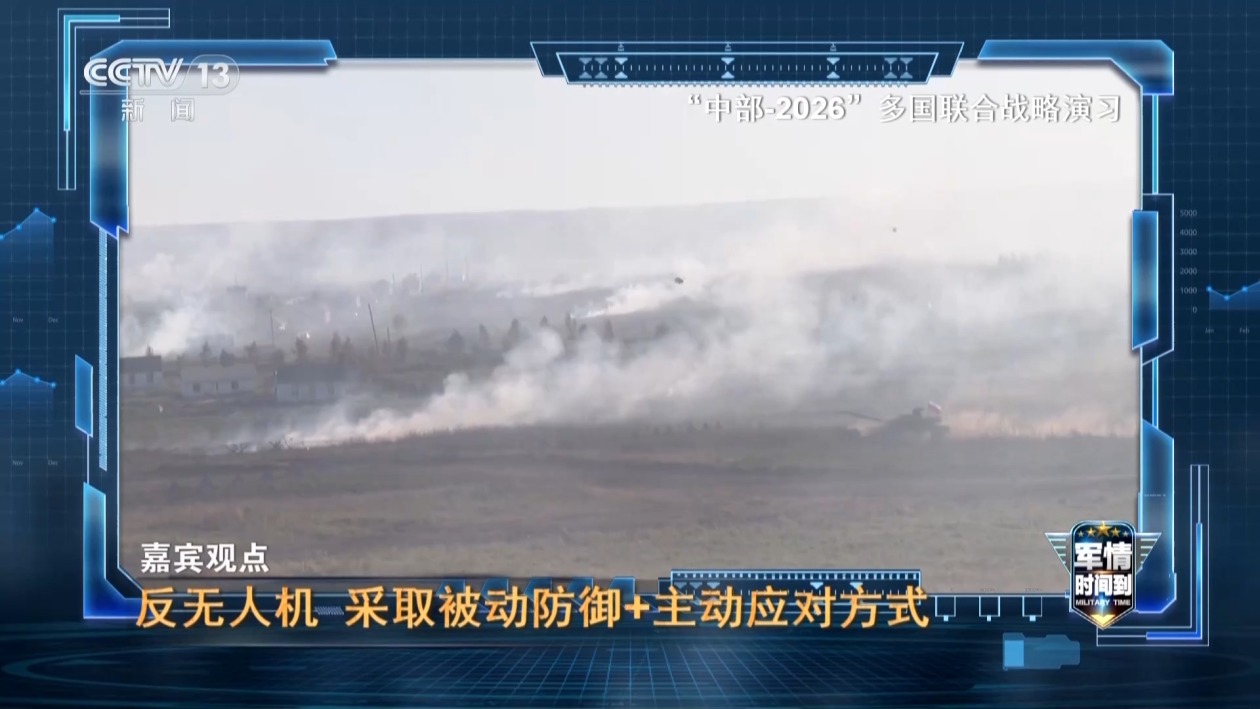
Wei Dongxu: In the "Central-2026" joint exercise, we observed a complete solution from the Russian military for defending against drones. During the "Central-2026" joint exercise, the command center was located underground to maximize avoidance of drone reconnaissance, strikes, and interference.
In addition, ground mobile combat platforms, such as tanks and armored vehicles, must be equipped with protective nets. More importantly, passive defense alone is not enough; proactive responses to drone attacks are also necessary, such as equipping main battle tanks with active defense systems capable of intercepting drones.
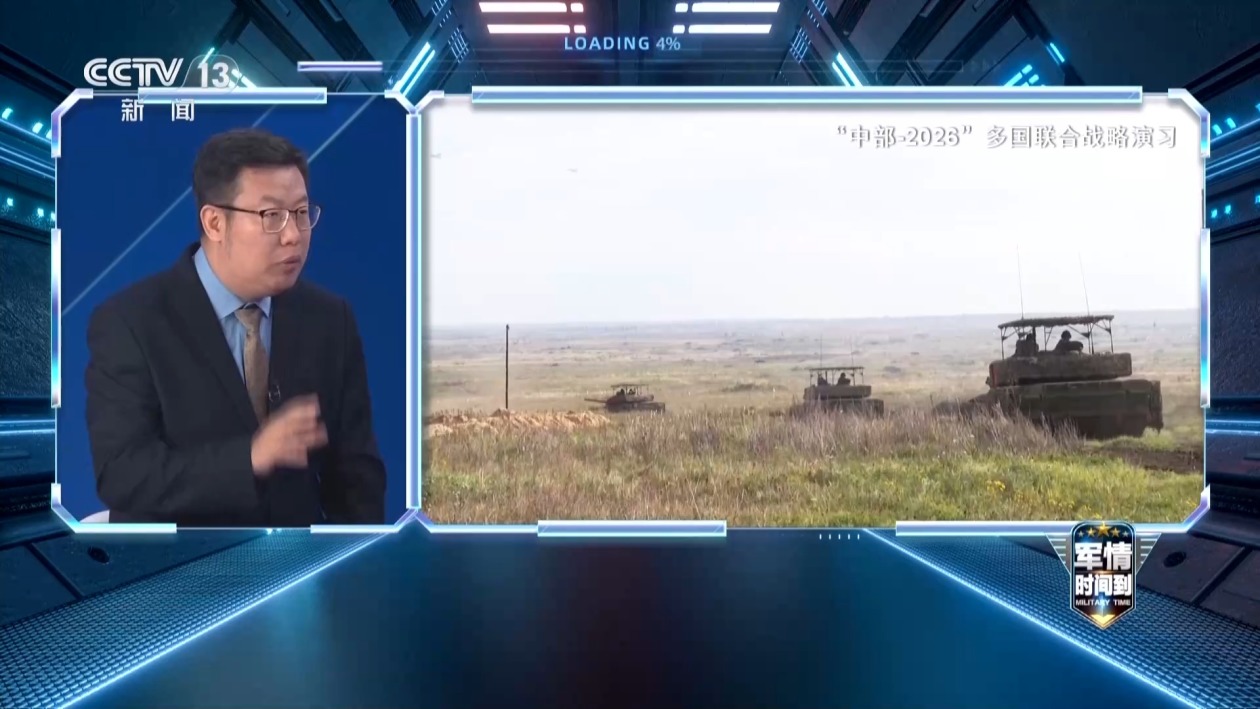
Lao Chunyan: What insights did this exercise provide regarding the coordination of manned and unmanned equipment in combat?
Wei Dongxu: In this exercise, the scenario was set in a village or town, creating a relatively complex combat environment.
First, you need to identify which building contains enemy combat personnel and which has been converted into a fire point; drone reconnaissance is crucial. Therefore, during the exercise, we saw a large number of small fixed-wing drones conducting reconnaissance, as well as some rotary-wing drones performing close reconnaissance. After confirming the targets, an attack must be launched.
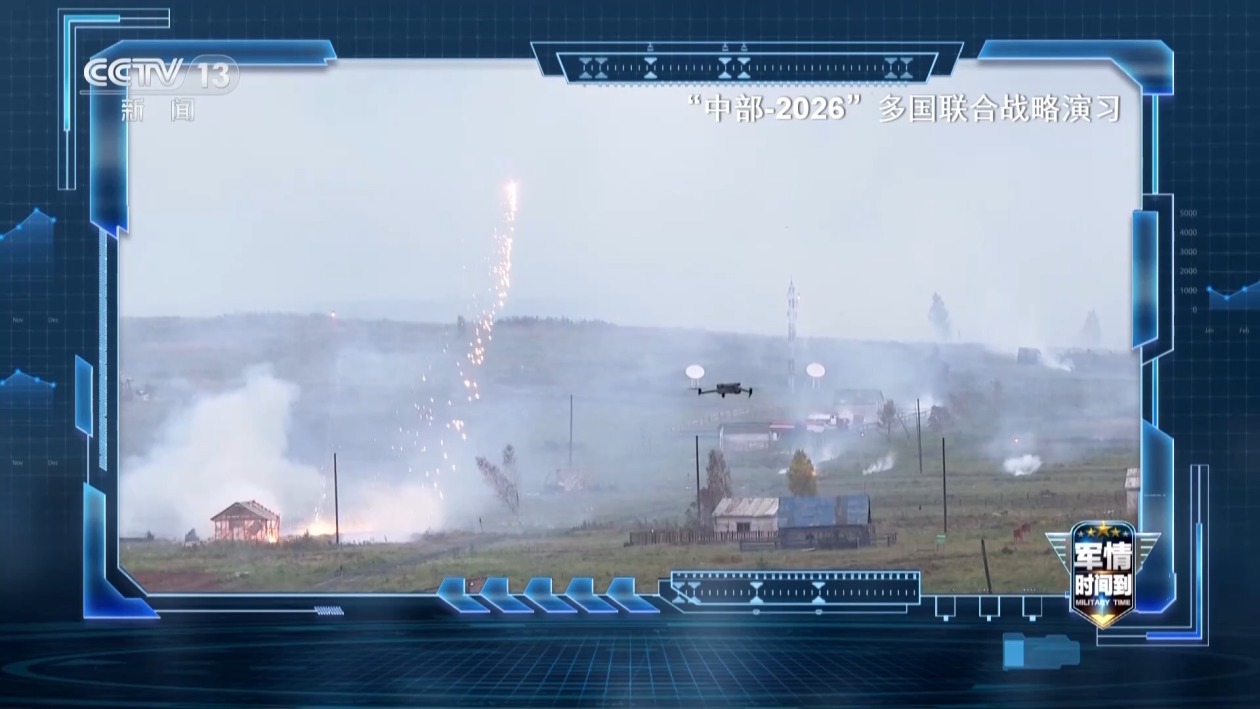
This time, fire-spraying drones also appeared, with many large rotary-wing drones hovering at low altitudes, spraying thermite in relevant areas. On the battlefield, these drones have strong destructive capabilities against enemy fortifications.
陆军空中突击旅最近进行了一次实弹演习,展示了空地融合的能力,利用多种直升机进行快速突击。武装直升机如Z-10和Z-19对敌方阵地进行了打击,而运输直升机则部署了部队和轻型车辆。演习还应对了FPV无人机带来的威胁,并强调了增强反无人机能力的必要性。
- 陆军空中突击旅进行了涉及直升机和地面部队的实弹演习。
- 演习展示了空地融合,武装直升机对敌方阵地进行了打击。
- 运输直升机被用来将部队和轻型车辆部署到攻击区域。
- 报告强调了FPV无人机对直升机的威胁及其应对措施的必要性。
- 演习提供了在复杂环境中有人和无人系统协调的见解。