
日本欲引进攻击型无人潜艇意欲何为?专家解读
According to news from Japan on the 24th, the Japanese government plans to officially revise the "Three Security Documents" through a cabinet meeting by the end of this year, and it is expected to propose an increase in defense spending in line with the ruling Liberal Democratic Party's stance. Additionally, on the 27th, multiple relevant sources revealed that the Japanese government has begun researching the comprehensive development and introduction of unmanned submarines with capabilities such as anti-ship attacks, as part of the so-called strengthening of the defense system on the Pacific side.
Recently, Japan has not only gradually increased its defense spending but also introduced various weapons and equipment to enhance its so-called "defense capabilities." What are the main considerations behind Japan's preparation to introduce attack-type unmanned submarines? What impact will this have on the regional situation?
Japan aims to build a counter-network in the Western Pacific
Meng Mingming, Assistant Researcher at the Political Research Office of the Institute of Japanese Studies, Chinese Academy of Social Sciences: I believe there are several purposes for Japan to introduce unmanned submarines and other equipment: First, from the perspective of geopolitical strategic goals, Japan's core consideration is to build a so-called enduring defense depth on the Pacific side. With the continuous rise of China's naval power and the ongoing enhancement of its blue-water capabilities, Japan believes it needs to comprehensively monitor and impede the long-range projection of the Chinese navy over a broader area. In the past, Japan's focus on countering China was mainly concentrated in the East China Sea and the Taiwan Strait, but this time, the focus is on deploying unmanned submarines and other equipment on the Pacific side, aiming to establish a larger submerged monitoring and strike network based on key maritime areas such as the Ogasawara Islands in the Philippine Sea. It hopes to constrain and compress the operational space of the Chinese navy in the broader Western Pacific, providing more leverage for its maritime confrontation with China.
Japan accelerates military transformation to build an offensive collaborative system
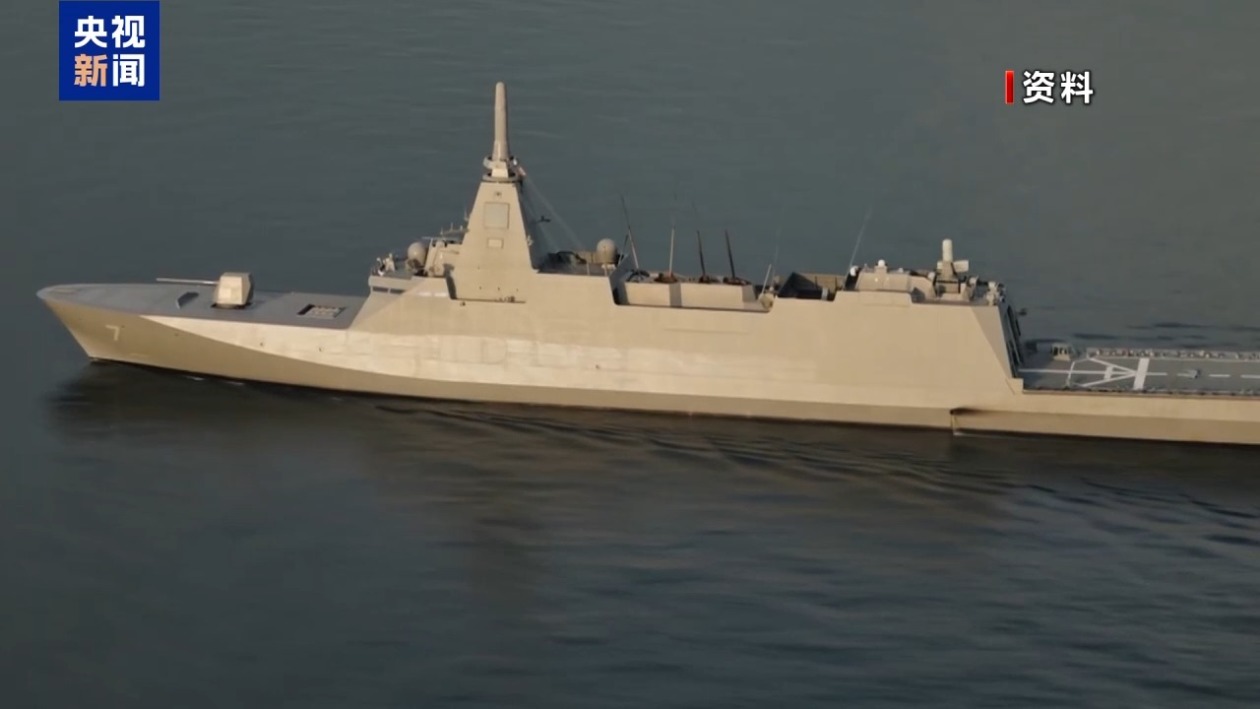
Meng Mingming, Assistant Researcher at the Political Research Office of the Institute of Japanese Studies, Chinese Academy of Social Sciences: Second, from the perspective of military operational transformation, Japan is accelerating the construction of an offensive operational system that integrates manned and unmanned systems. The unmanned submarines envisioned by Japan are not only capable of reconnaissance but can also carry weapons and are planned to be deeply interconnected with surface ships and conventional submarines for coordination. Due to the low cost of unmanned systems and the reduced risk of personnel casualties, they are very suitable for prolonged attrition warfare in high-intensity conflicts. This indicates that Japan's defense policy is rapidly transitioning towards possessing substantial counterattack capabilities, reflecting Japan's strategic intent to not only engage in warfare but also to sustain long-term conflicts.
Japan intends to seize future technology and strengthen Japan-U.S. strategic coordination
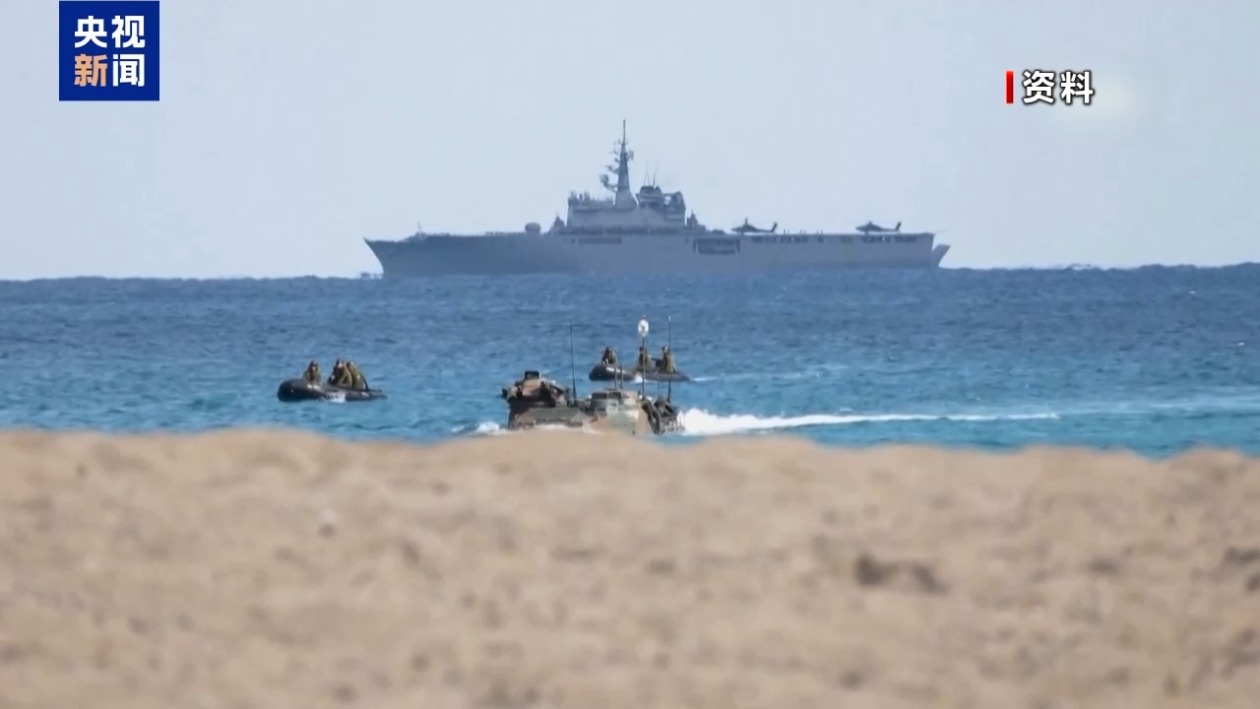
Meng Mingming, Assistant Researcher at the Political Research Office of the Institute of Japanese Studies, Chinese Academy of Social Sciences: Third, from the perspective of preparing for future warfare, Japan intends to seize the initiative in advanced technologies for future warfare. In the conflicts in Ukraine and between the U.S. and Iran, unmanned systems have shone brightly. Japan hopes to narrow the gap with countries like China and the U.S. in military technology by introducing and developing unmanned systems, thereby enhancing its own military capabilities. By introducing offensive unmanned systems, Japan also hopes to demonstrate its strategic value to the United States, in exchange for closer military strategic coordination between Japan and the U.S.
Japan uses technology to offset demographic disadvantages and advance a new militaristic system

Meng Mingming, Assistant Researcher at the Political Research Office of the Institute of Japanese Studies, Chinese Academy of Social Sciences: Finally, from the perspective of domestic political needs, Japan is currently facing serious aging issues, with a long-term shortage of personnel in the Self-Defense Forces, and the public is highly sensitive to casualties. By vigorously developing unmanned systems, Japan aims to use technological advantages to offset demographic disadvantages and maintain the scale of its combat forces; on the other hand, it also seeks to avoid the attention of domestic peace and anti-war forces, thereby advancing the construction of a new militaristic system more quickly and smoothly.
Japan's actions will exacerbate regional security tensions
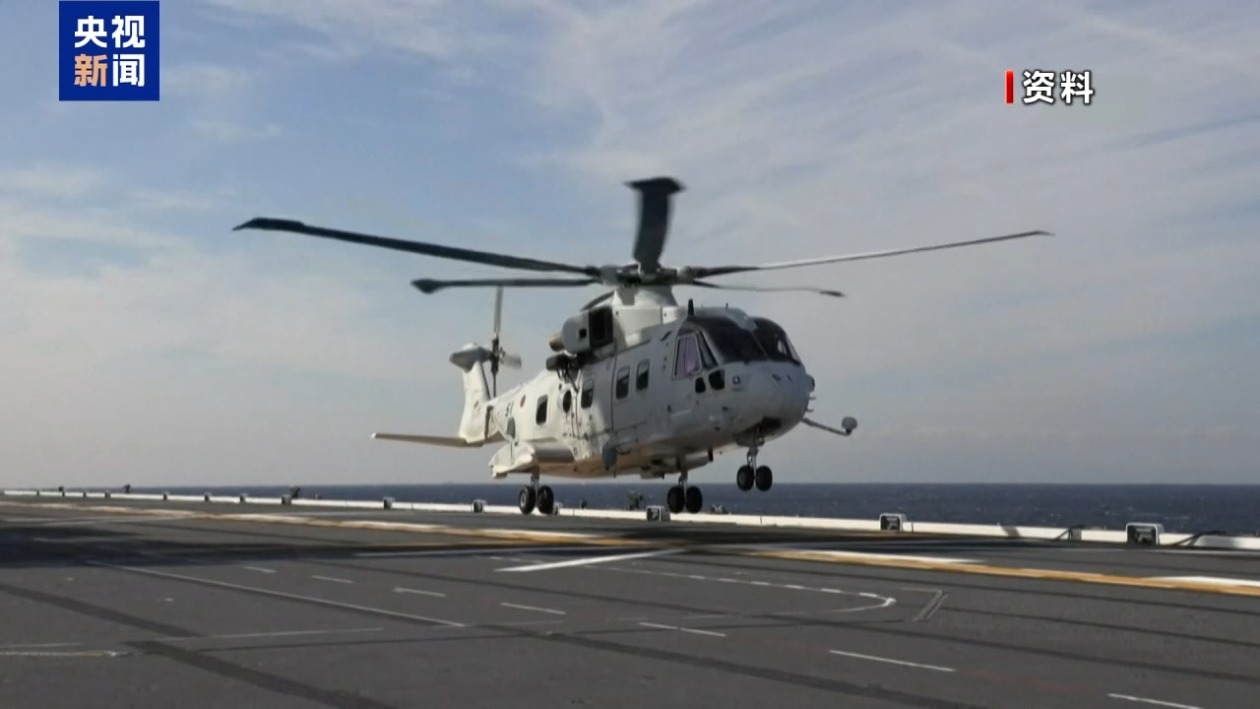
Meng Mingming, Assistant Researcher at the Political Research Office of the Institute of Japanese Studies, Chinese Academy of Social Sciences: Although these actions by Japan are cloaked in the guise of defense, they will only have a more adverse impact on the regional situation. They will not only significantly intensify the strategic mutual suspicion between China and Japan but also introduce new complex variables to the security situation in East Asia. This severely undermines the spirit of Japan's pacifist constitution and caters to the confrontational dynamics of alliances. It will not achieve its claimed defense objectives; rather, it will compress the strategic space of relevant countries, plunging the region into a deeper security dilemma and making Japan itself the biggest risk factor undermining peace and stability in East Asia.
日本计划在年底前修订其安全政策,以增加国防开支并开发具攻击能力的无人潜艇。此举旨在增强其在太平洋的防御网络,以应对中国海军力量的上升。这些系统的引入反映了日本维持军事有效性的战略,并可能加剧地区安全紧张局势。
- 日本计划在年底前修订其安全政策,以增加国防开支。
- 政府正在研究开发具攻击能力的无人潜艇。
- 日本旨在增强其在太平洋的防御网络,以应对中国的海军扩张。
- 无人系统的引入是日本在人口下降的情况下维持军事有效性的战略的一部分。
- 日本的行动可能加剧地区安全紧张局势。