
日本图谋发展核潜艇 暗藏怎样的政治“算计”?
According to Japanese sources on the 7th, insiders have stated that the Japanese government plans to revise the "Three Security Documents" within the year, considering the inclusion of content related to "exploring the introduction of nuclear-powered submarines," which has sparked opposition within Japan.
What political "calculations" does the Japanese government have?
Meng Mingming, an assistant researcher at the Institute of Japanese Studies of the Chinese Academy of Social Sciences, believes that the Japanese government's attempt to include research on introducing nuclear submarines in the revision of the "Three Security Documents" reveals the following political "calculations":
First, the Japanese government aims to use a "salami-slicing" approach to create a loophole in the "Three Non-Nuclear Principles."
Right-wing forces led by Kishi have been advocating for a so-called "reflection on the Three Non-Nuclear Principles." The Chief Cabinet Secretary Hirokazu Matsuno and Defense Minister Nobuo Kishi have also repeatedly stated that Japan should discuss the possession of nuclear submarines.
However, as a defeated nation in World War II, the Japanese public has long been influenced by the pacifist constitution and anti-nuclear sentiment. If the Kishi government openly attempts to introduce nuclear submarines, it will inevitably provoke strong criticism and countermeasures both domestically and internationally. Therefore, Kishi uses low-sensitivity language such as "research" and "discussion" to test the limits of the outside world, reducing domestic and international vigilance and aversion to nuclear military issues, with the intention of gradually legalizing and normalizing the untouchable nuclear taboo, leaving a platform for subsequent policy discussions.
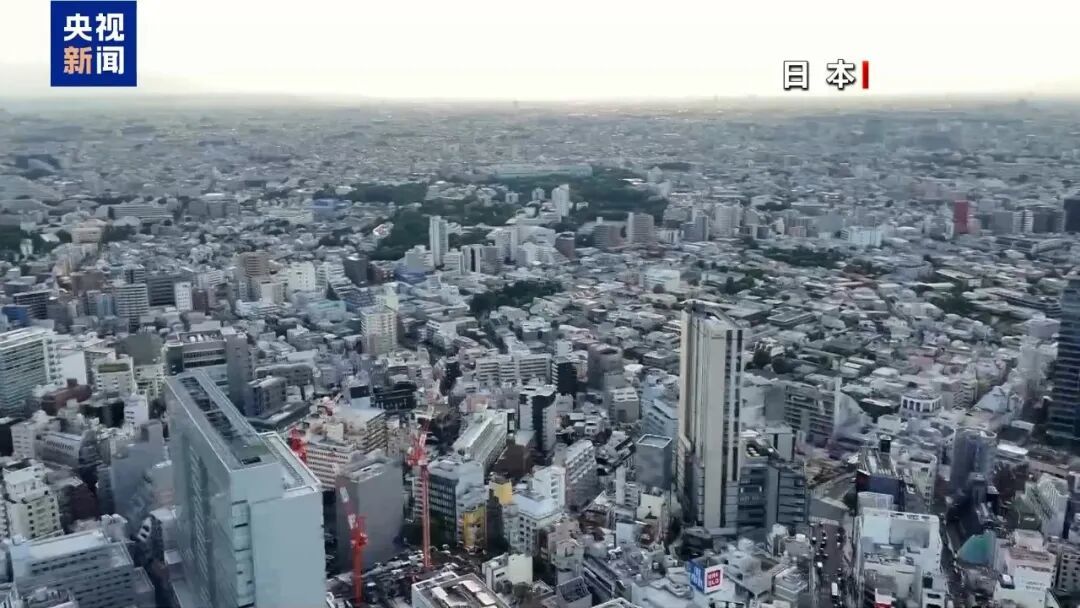
Second, the Japanese government seeks to completely break through the current "defensive defense" boundaries and pursue offensive and sustained confrontation capabilities in deep-sea and open-ocean operations.
Unlike conventional submarines that are positioned close to shore, nuclear submarines have long underwater endurance and the ability to covertly deploy long-range strike weapons, making them highly threatening offensive weapons that substantively construct a military system capable of combat and prolonged warfare in the open sea.
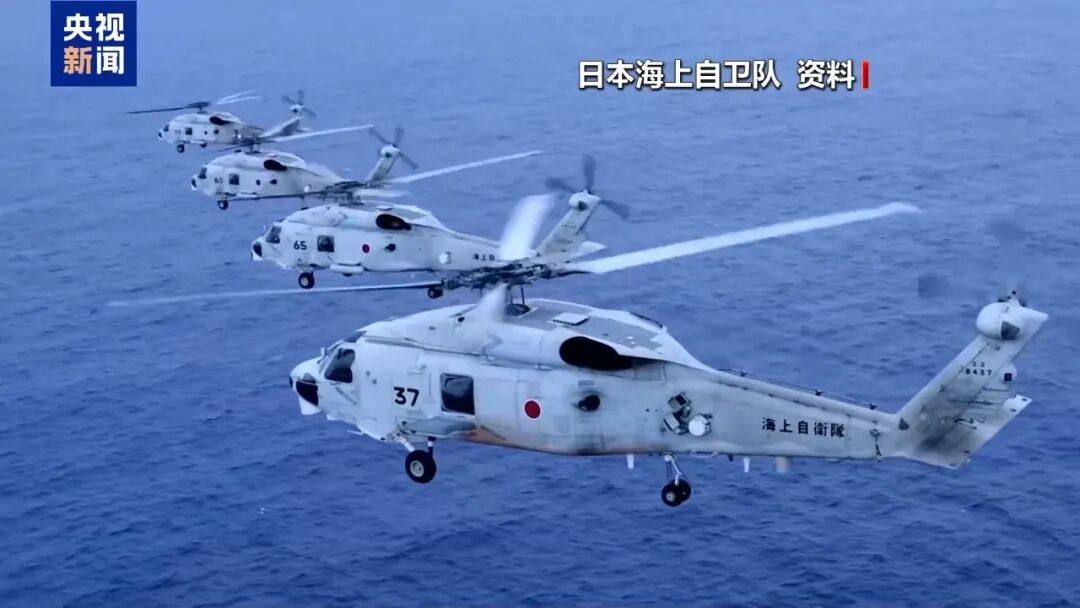
Third, the Japanese government's nuclear ambitions are also a risky behavior conducted under the guise of U.S. strategic adjustments, seizing the opportunity to break free from the post-war system.
As the United States struggles to maintain its hegemony, it has intentionally supported Japan's "strategic autonomy" in recent years to share the burden. Among these options, maintaining and extending U.S. deterrence in East Asia through Japan's nuclear armament is one possibility. Japan also hopes to leverage the indulgence of the U.S. and the West to break the nuclear taboo, accelerate its departure from the post-war system, and realize its ambition of becoming a military power.
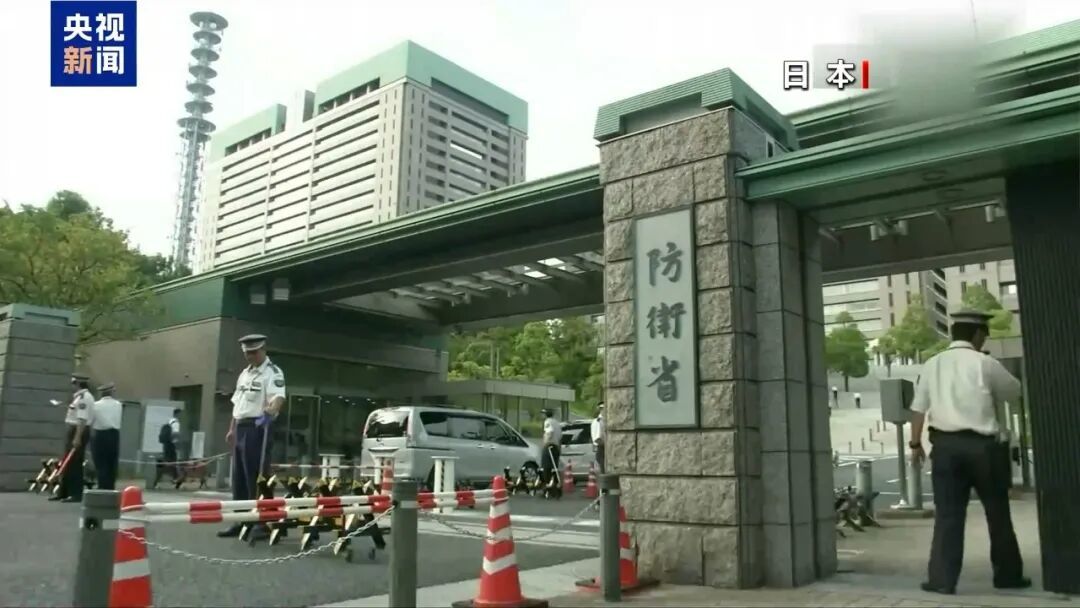
What are the dangers of this move by Japan?
Meng Mingming believes that as the only country that has ever been bombed with atomic bombs, if Japan openly possesses nuclear submarines, it will completely tear away its long-claimed image as a "peaceful nation," sharply deepening the strategic doubts of neighboring countries, pushing the East Asian security situation into a more uncontrollable dilemma, and causing serious impacts on the international non-proliferation system, threatening the stability of the international situation.
日本正在修订其安全文件,以考虑引入核动力潜艇的讨论,这引发了国内的重大反对。这一举动被视为试探国际反应,并可能打破战后防御政策,引发对地区安全动态的担忧。
- 日本正在修订其安全文件,以考虑核潜艇。
- 对此举动存在重大国内反对。
- 政府旨在试探国际对核讨论的反应。
- 这被视为打破日本战后防御政策的一步。
- 日本的行动可能会破坏东亚安全。