

Summary and Key Points: The SR-71 Blackbird’s altitude mattered as much as its Mach 3 speed. Cruising above 80,000 feet, it flew higher than Soviet missiles and interceptors could reach, and on July 28, 1976, Blackbird 61-7962 set the world altitude record at 85,068.997 feet, more than 16 miles up. Thin air at that height left little margin for error: 12 of the 32 built were lost in accidents, though only one crew member died in flight.
The SR-71 Blackbird Was Military History Hitting Mach 3
The SR-71 Blackbird could go faster and higher than any aircraft (or anti-aircraft system) that tried to intercept it.
That’s what made the Blackbird such a pivotal Cold War system.
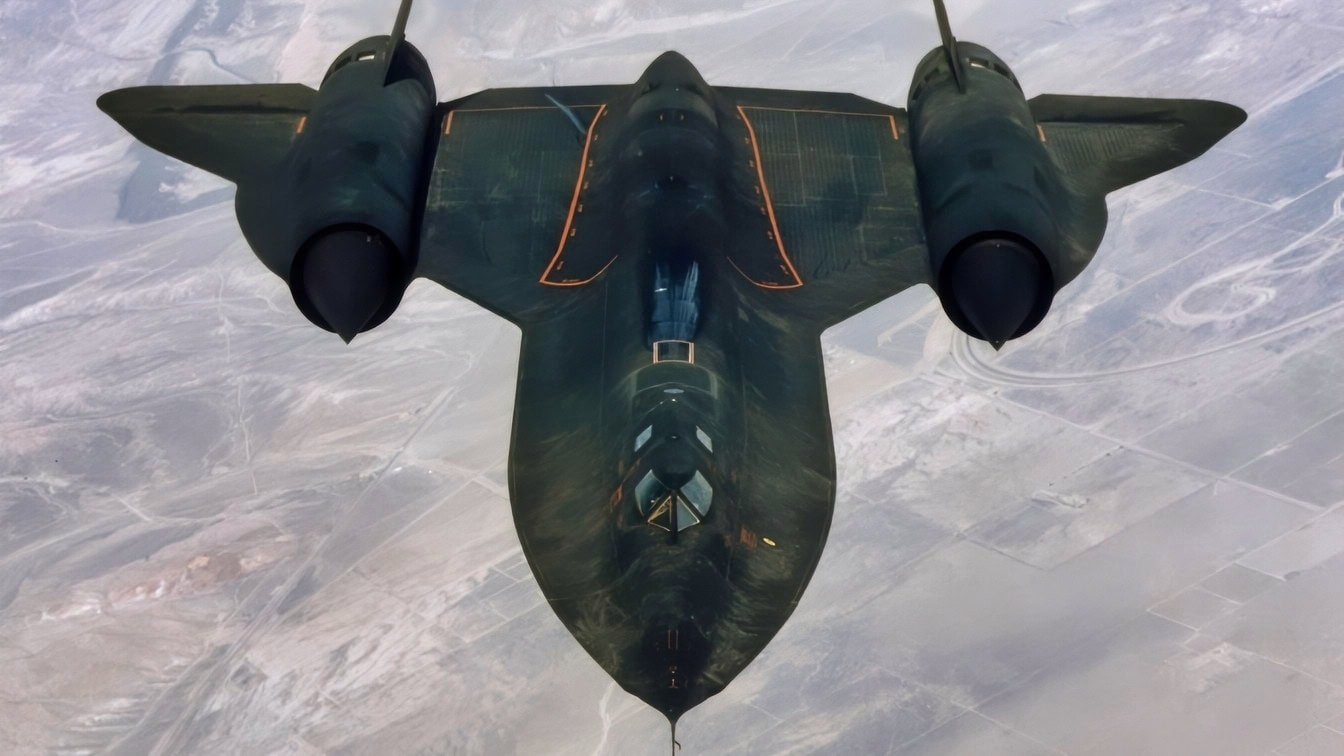
SR-71 Blackbird US Government Photo
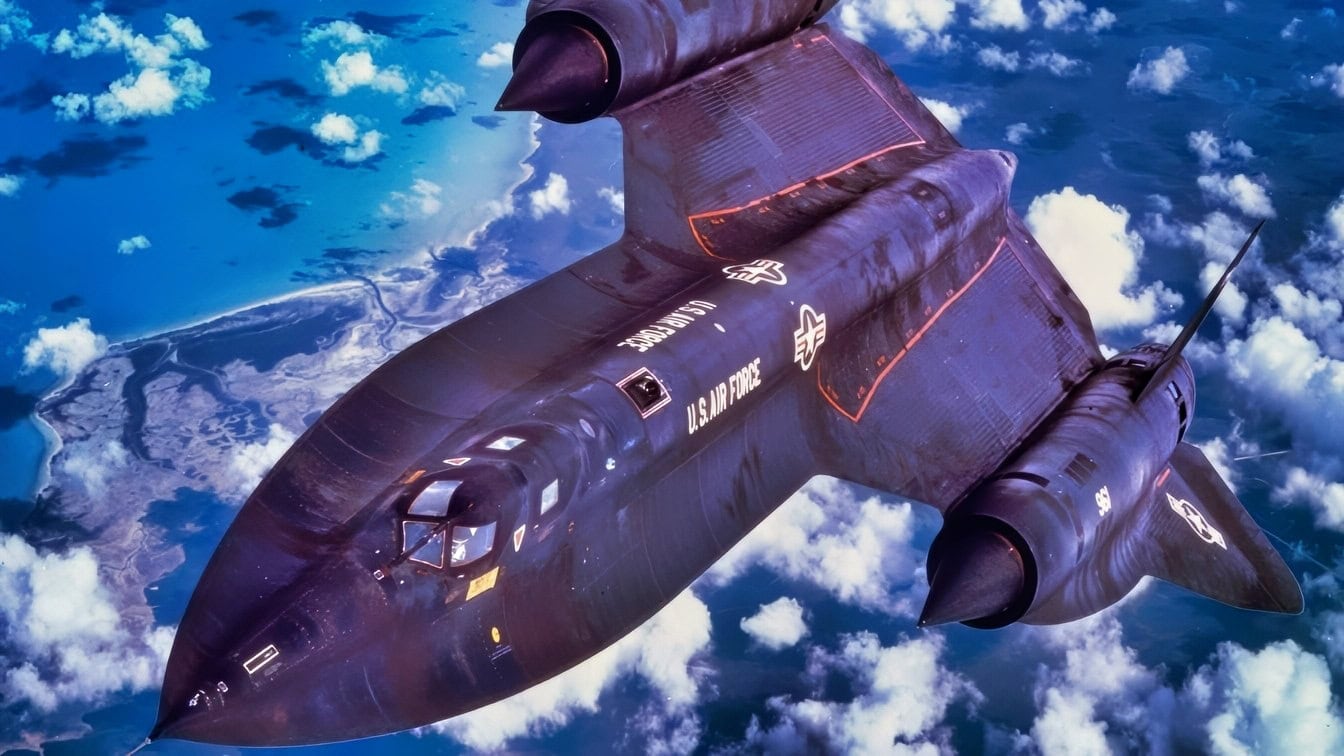
SR-71 Blackbird US Air Force Photo
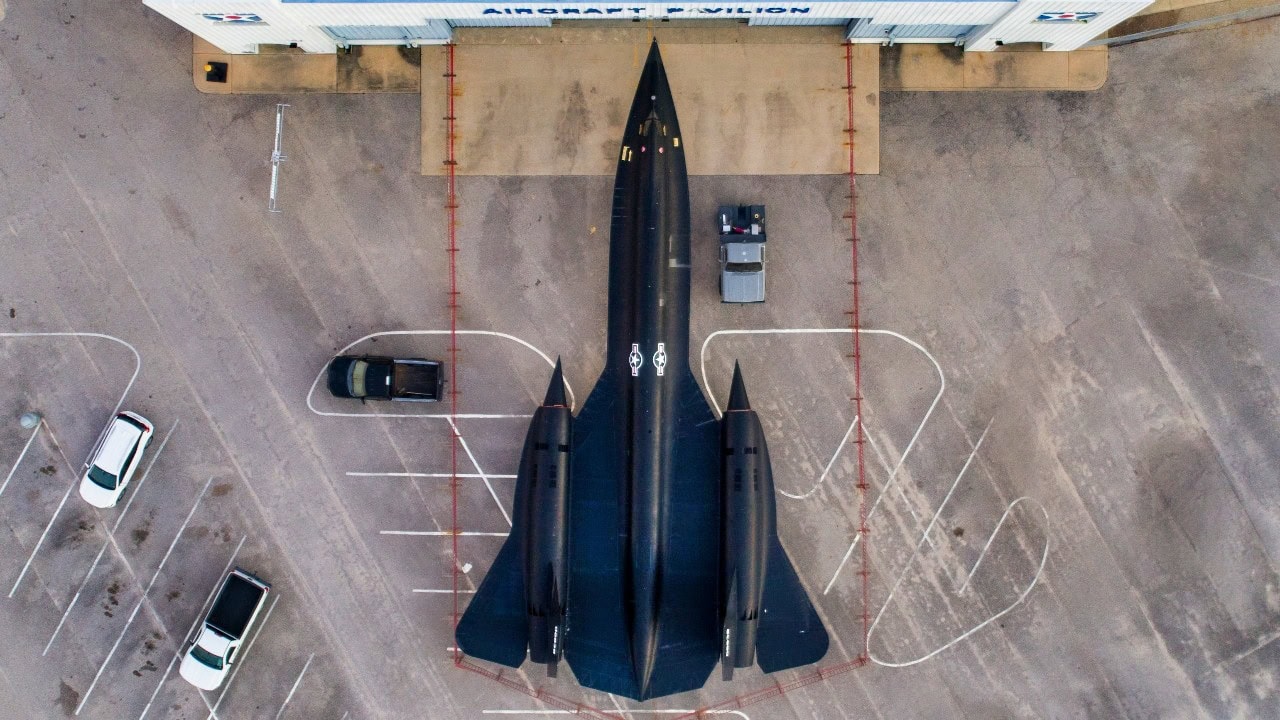
SR-71 Blackbird Overhead. Creative Commons Photo.
It was a reconnaissance plane that could operate at above 80,000 feet while traveling at speeds exceeding Mach 3 (around 2,000 miles per hour).
In fact, the Blackbird was such a speed demon that its fuel efficiency was greater the faster it flew. Everything on the plane worked better the faster it flew.
A big question on many people’s minds has always been just how high the SR-71 could really fly.
After all, pilots were always pushing the plane to its operational limits.
Mach 3 was its official cruising speed. Pilots sometimes pushed the plane beyond that (depending on conditions).
Even at 80,000 feet, going Mach 3 (or slightly faster) must have been daunting for the SR-71 Blackbird’s two-man crews.
Extreme Altitudes
We know the extreme altitudes the SR-71 could fly at from an event on July 28, 1976.
That day, a Blackbird with serial number 61-7962 set the world altitude record at 85,068.997 feet.
That’s more than 16 miles above sea level. On the same day, the aircraft set an absolute speed record of 2,193.167 miles per hour for its class.
Although the Blackbird flew at supersonic speeds, it wasn’t rocket-propelled.
It was a real reconnaissance plane that carried surveillance gear (top-of-the-line equipment for its day).
Meanwhile, other reports highlight how one SR-71, serial number 61-7953, reached 86,700 feet in 1968.
But that figure isn’t officially recognized as a world-record height.
The SR-71’s predecessor, the CIA-operated A-12 Oxcart, was lighter than its SR-71 counterpart.
It could supposedly reach around 90,000 feet.
Aviation Geek Club, an online trade publication, reports that officially the Blackbird never exceeded 85,000 feet.
Because this plane could reach such high altitudes, the Blackbird’s operational advantages far exceeded those of its U-2 spy plane predecessor.
The Blackbird could outfly Soviet surface-to-air missiles (SAMs) and interceptor aircraft. Sure, the U-2 had exceptional altitude.
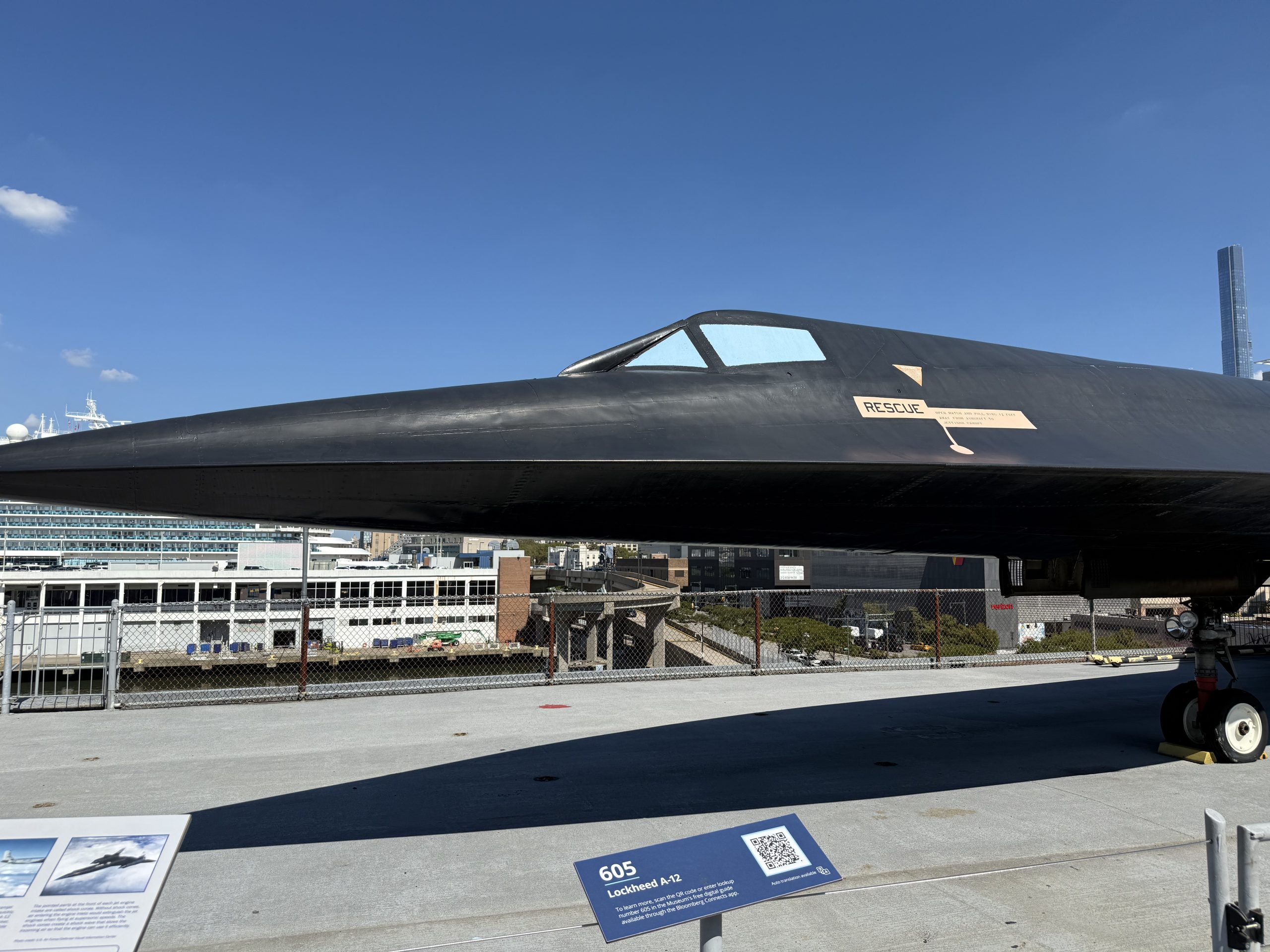
A-12 That Came From SR-71 Family USS Intrepid Photo Shoot 19FortyFive
But the protection of high altitude alone against Soviet SAMs was shattered when Francis Gary Powers was shot down in 1960 by advanced Soviet SAMs.
So, the Americans added substantial speed to augment the SR-71’s incredible altitude.
Flying above 80,000 feet reduced the number of enemy aircraft that could reach the Blackbird.
Add in its astounding Mach 3 (or higher) speeds, and missiles couldn’t catch up.
That higher altitude, though, significantly protected it from Soviet defenses.
Of course, operating at that height and those speeds created new problems. At that height, atmospheric pressure is a fraction of sea-level pressure.
Pilots who weren’t properly protected at those heights couldn’t stay conscious.
So pilots wore specialized suits, like NASA astronauts’, at all times while flying.
Like astronauts’ suits, these protected the crew from all manner of problems that might befall such a high-flying plane.
At a high altitude, the air is thinner than at sea level.
That reduces the margins between the Blackbird’s available lift and its performance limits.
Under such conditions, one wrong move could cause an aerodynamic stall or loss of control.
And an uncontrolled stall could lead to a full breakup of the aircraft at those speeds and altitudes–killing the crew.
A Carefully Calibrated Machine
Blackbird pilots needed unique instruments to make pitch adjustments, lest the plane enter one of those uncontrolled stalls that could prove lethal for the pilot and his radar systems officer.
Interestingly, 12 of the 33 aircraft built were lost in accidents, but just one SR-71 crew member was killed in flight during its service.
Everyone rightly remembers the Blackbird’s high speed as one of its most distinctive features.
They should also think about the importance of altitude, though.
That’s because it provided another layer of protection against Soviet air defenses.
It didn’t totally protect the crew from natural or mechanical problems at those heights.
But the plane was well-suited to operating above 80,000 feet.
At those heights, with its onboard surveillance gear, the SR-71 could spy on up to 100,000 square miles of territory in a single hour.
From 1966 to 1990, the SR-71 flew more than 3,500 operational reconnaissance missions across Europe, the Middle East, South Asia, and the North Pacific.
About the Author: Brandon J. Weichert
Brandon J. Weichert is the Senior National Security Editor at 19FortyFive.com. He also manages The Weichert Brief on Substack. Weichert is the co-host for The Mario Nawfal Show on Twitter/X. He is the author of four bestselling national security books, most recently A Disaster of Our Own Making: How the West Lost Ukraine (Encounter Books). His next book, Fortress Americas: A New Monroe Doctrine (Tucker Carlson Books), is due out December 8. Follow him via Twitter/X @WeTheBrandon.