

October 2, 2021, the Seawolf-class submarine USS Connecticut (SSN-22) struck a seamount while traveling at high speed in the South China Sea.
Her nose section was all but destroyed, along with the forward ballast tanks and state-of-the-art sonar system. 11 Sailors were injured in the mishap.
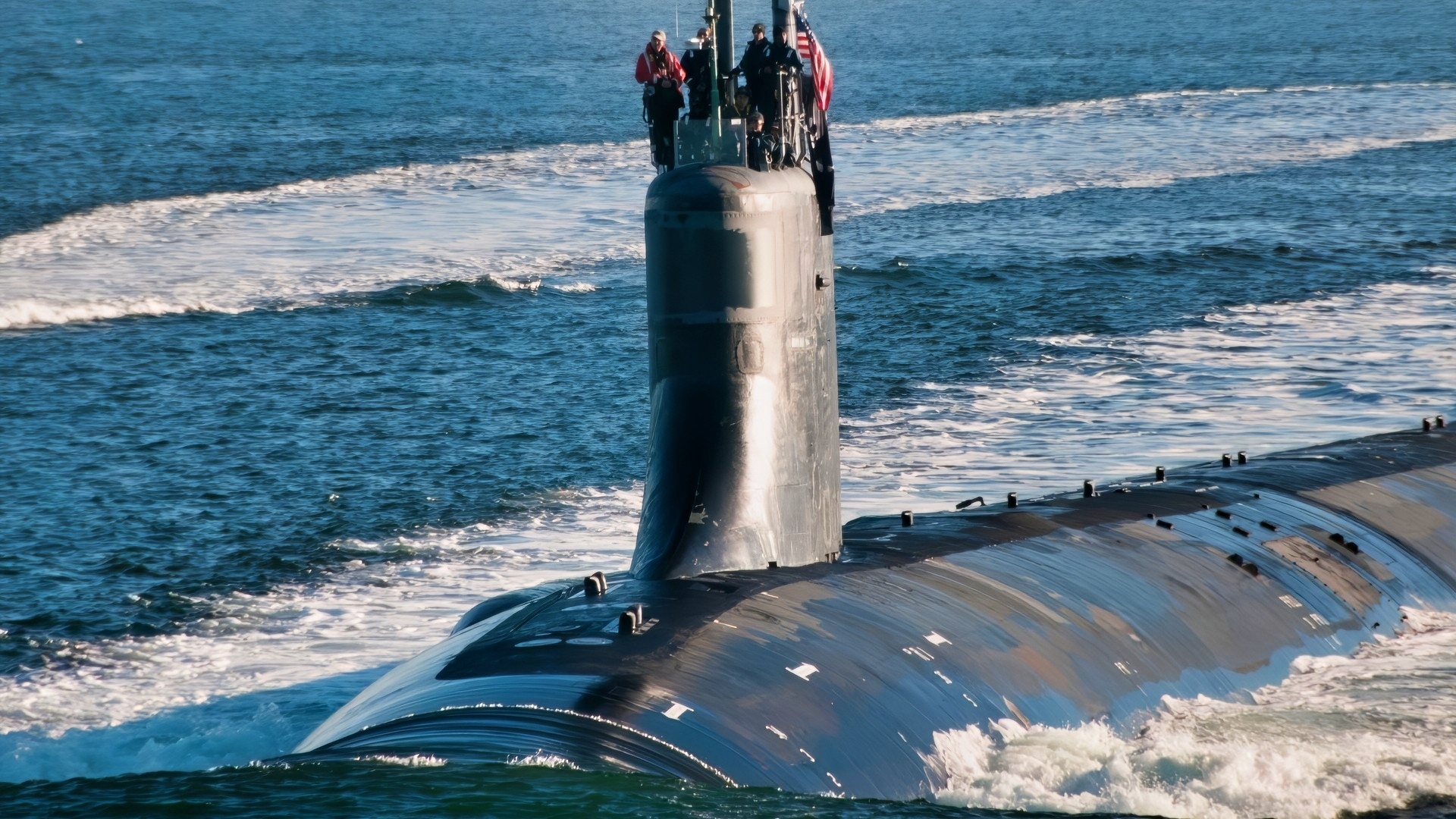
PUGET SOUND, Wash. (Sept. 11, 2017) The Seawolf-class fast-attack submarine USS Jimmy Carter (SSN 23) transits the Hood Canal as the boat returns home to Naval Base Kitsap-Bangor. Jimmy Carter is the last and most advanced of the Seawolf-class attack submarines, which are all homeported at Naval Base Kitsap. (U.S. Navy photo by Lt. Cmdr. Michael Smith/Released)
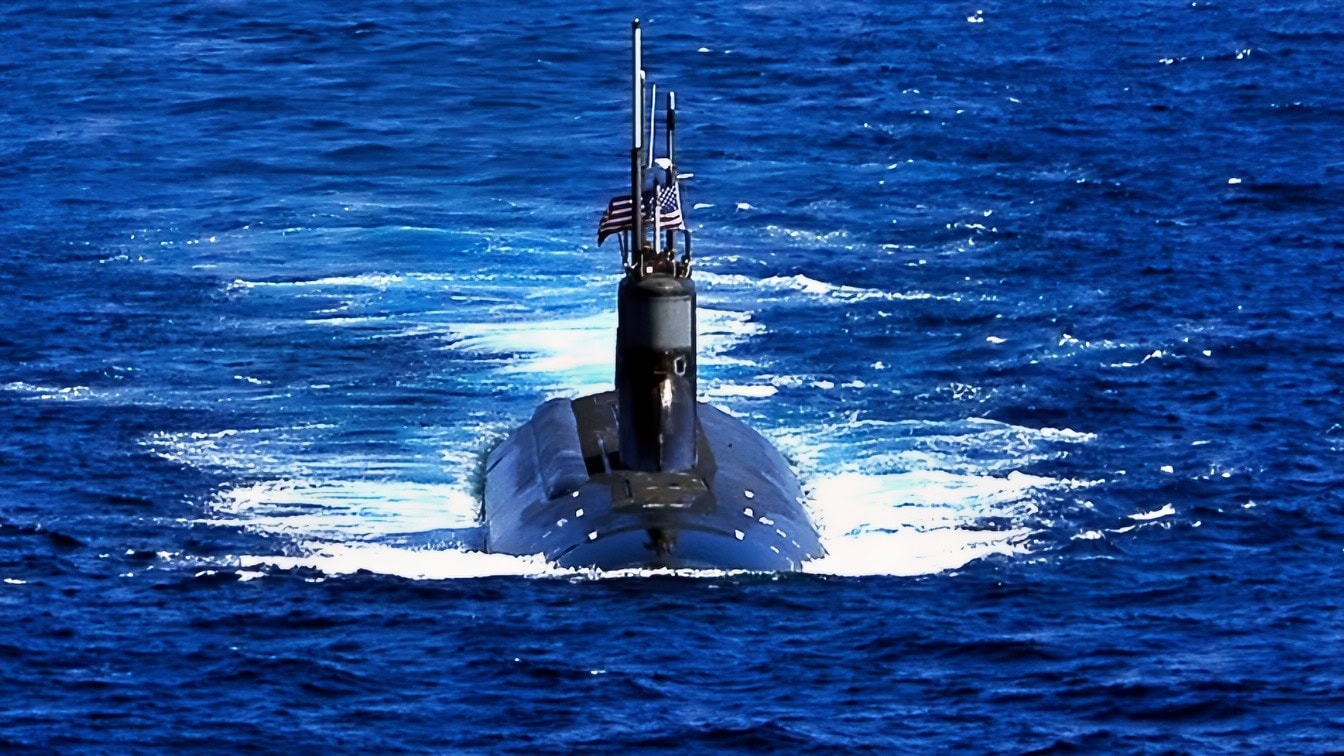
PACIFIC OCEAN (Feb. 12, 2009) The Seawolf-class submarine USS Seawolf (SSN 21), bottom, Japanese destroyer JS Oonami (DD 111), left, and the Nimitz-class aircraft carrier USS John C. Stennis (CVN 74) steam in formation during a photo exercise following a successful Under Sea Warfare Exercise involving the John C. Stennis Carrier Strike Group, Japan Maritime Self-Defense Force and other naval vessels operating in the 7th Fleet. Stennis is on a scheduled six-month deployment to the western Pacific Ocean. (U.S. Navy photo by Mass Communication Specialist 3rd Class Walter M. Wayman/ Released)
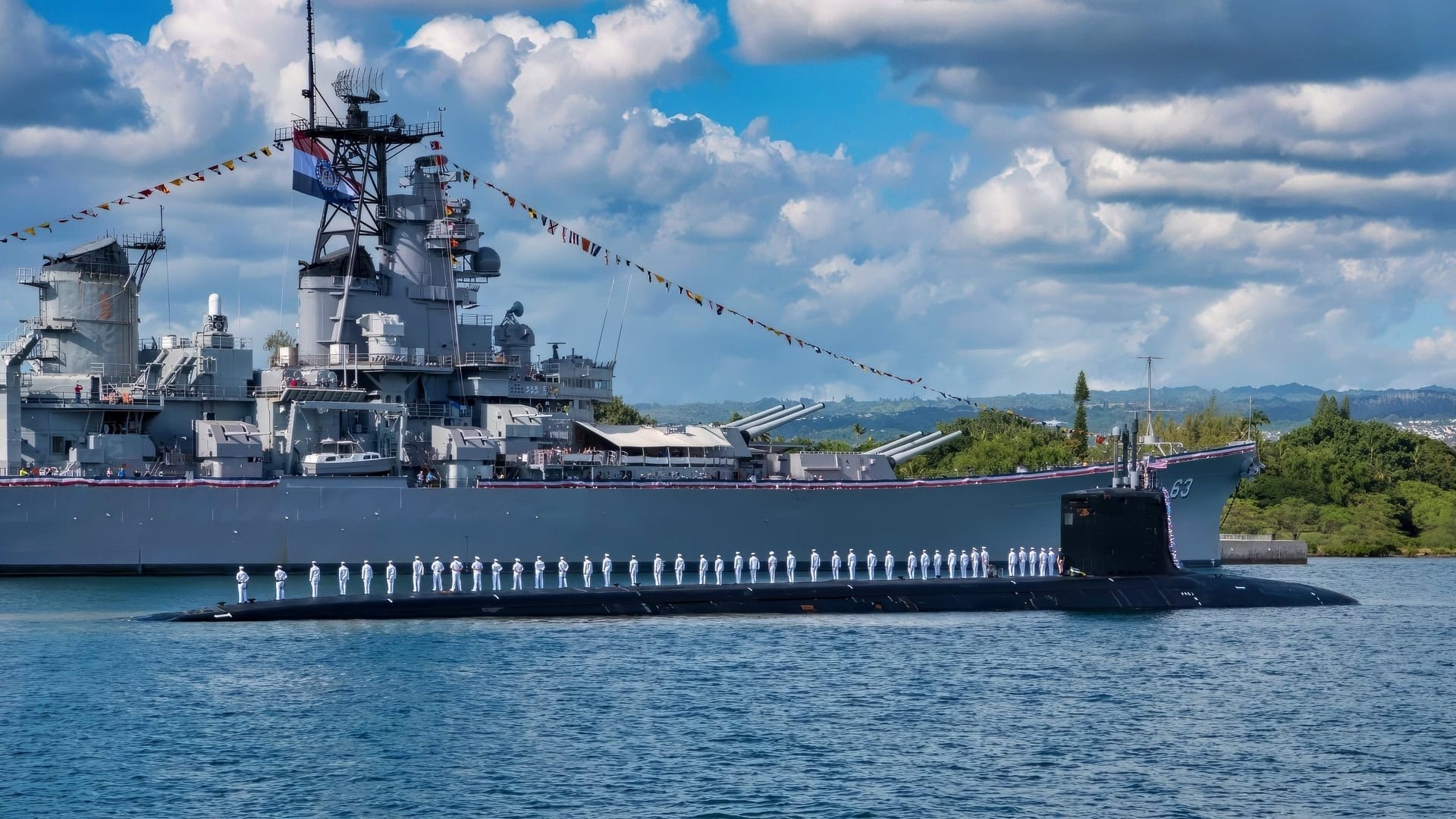
PEARL HARBOR, Hawaii (January 26, 2018) The crew of the Virginia-class fast-attack submarine USS Missouri (SSN 780) render honors to the Battleship Missouri Memorial following a homeport change from Groton, Connecticut. (U.S. Navy photo by Mass Communication Specialist 2nd Class Michael H. Lee/ Released)
Her nuclear power plant was undamaged, and the Connecticut limped into Guam under her own power for emergency repairs
From there, the sub sailed to San Diego on the surface. After a brief stay, she set sail again for a drydock at Puget Sound Naval Shipyard in Washington, arriving December 21, 2021, and has been there ever since.
As the 5-year mark approaches, questions arise about why it’s taking so long to get Connecticut repaired and back to sea doing submarine stuff.
Here are some possible reasons for the delays.
The Seawolf-Class Subs Are Actually Old Submarines. Where Do You Get The Parts?
Only three Seawolf-class submarines were ever completed, and the last one was put to sea decades ago.
This means spare parts are in noticeably short supply.
Especially for entire ship sections the Navy never expected to replace, like her ballast tanks, sonar system, and nose cone. The blueprints had to come out of storage, and the Navy had to fabricate all these parts from scratch. Not parts you can swap out, but entire structural sections you bolt into place.
The Navy Lacks Shipyards And Is Way Behind In Repairs To Other Ships
The Navy is facing a severe maintenance backlog. A 2021 CBO report found that “the Navy will experience maintenance delays throughout the next 30 years because the demand for labor will exceed the shipyards’ supply of it in 25 of the next 30 years.”
Because the Seawolf-class is highly classified, the work must be done at one of 4 Navy-controlled shipyards that can meet the security requirements for working on the Connecticut.
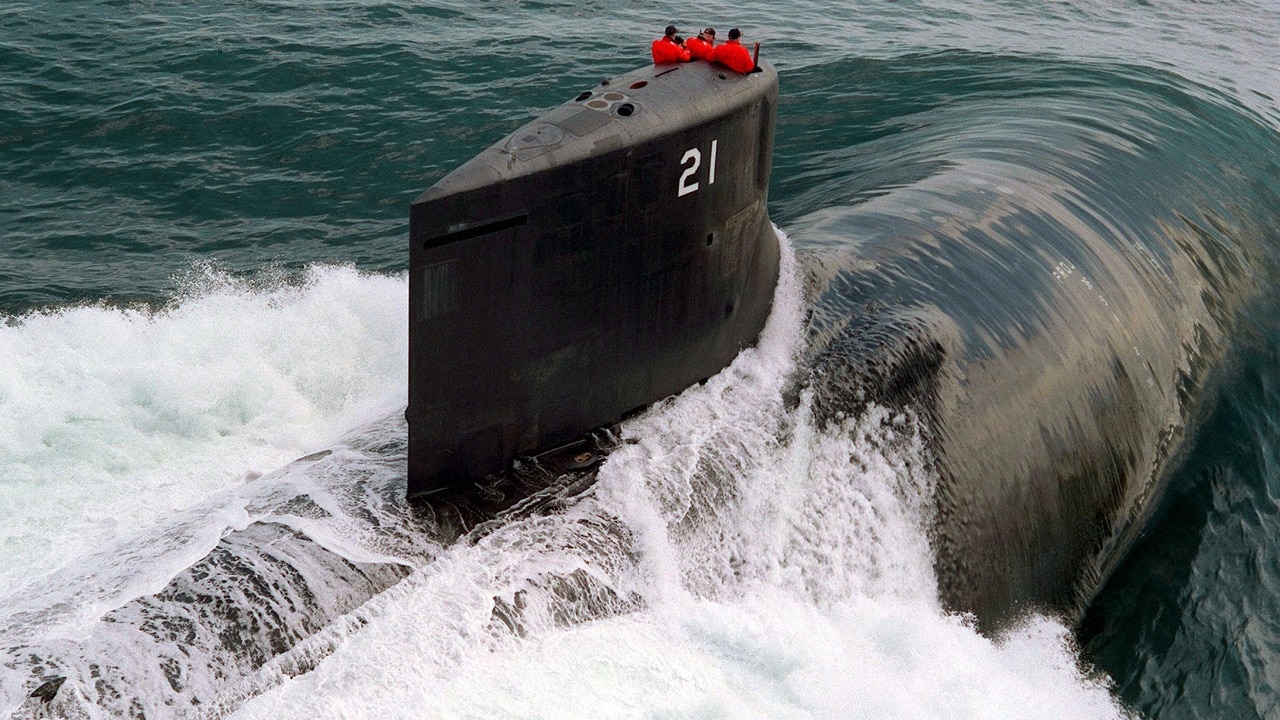
The U.S. Navy’s newest attack submarine, USS Seawolf (SSN 21), conducts Bravo sea trials off the coast of Connecticut in preparation for its scheduled commissioning in July 1997.
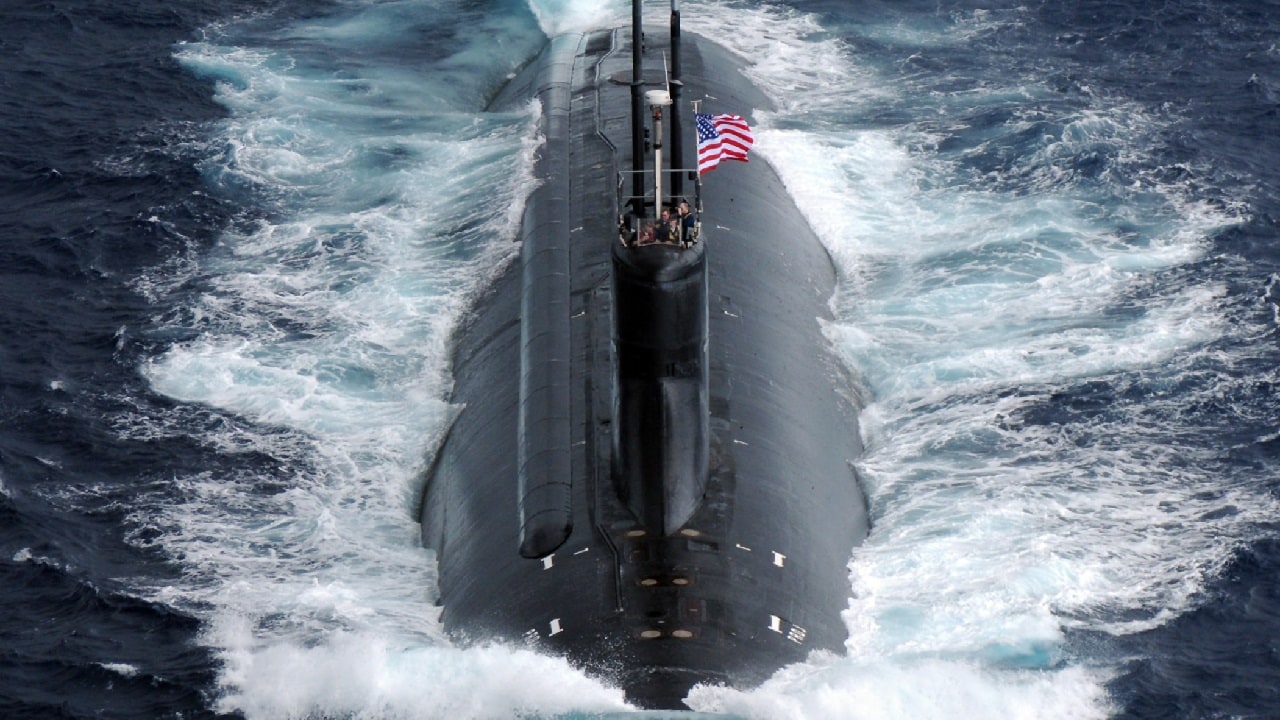
The Seawolf-class fast-attack submarine USS Connecticut transits the Pacific Ocean during Annual Exercise. ANNUALEX is a yearly bilateral exercise with the U.S. Navy and the Japan Maritime Self-Defense Force.
Workers are carefully vetted, and much of their work happens behind screens and tarps to protect the secrecy of her systems and equipment.
This restriction has a knock-on effect, delaying scheduled work on other ships.
They simply don’t have the space or workers to get everything done at once.
Workers assigned to Connecticut may be pulled to other projects to keep them on track.
They may not return until that work is complete, leaving Connecticut sitting idle and under guard while it waits for workers to return.
In the initial stages of repairs, a seismic-vulnerability study delayed work at the Puget Sound shipyard.
The Navy Folded Lifecycle Maintenance And System Upgrades Into The Repairs.
All submarines undergo Extended Docking Selected Restricted Availability (EDSRA) periods. These programs occur every 6 years and involve upgrades and improvements to systems that experience normal wear and tear during the hull’s lifecycle.
These EDSRA periods take 1 to 2 years to perform. Since the Connecticut was already in drydock for repairs, the Navy decided to combine the EDSRA cycle with repairs to her forward section.
Racing Against The Clock To Add Time To It
The Navy plans to complete repairs on the USS Connecticut sometime in the summer of 2027. This follows earlier missed completion dates in 2025 and 2026. With a planned end of service life in 2031, and so many years tied up in this repair, that leaves only about four years on the clock for the Connecticut before decommissioning.
The Navy may extend her service life; the Seawolf class was built with a hull and nuclear reactor fuel designed to last their full 35–40-year service life. This service life accounts for hull stresses from the cycle of surfacing and diving and the decay of its nuclear fuel running constantly at sea.
With Connecticut in port for 5-6 years undergoing repairs, her reactor has been cold, and her hull has not been subjected to all those diving and surfacing evolutions.
The Navy may make up for those years by extending her service life by another 6 years.
This will depend heavily on how Connecticut performs during her post-repair sea trials and how her reactor and hull perform under full load and stress.
Once USS Connecticut leaves the yard and can operate under her own power again, we’ll see whether all the time, effort, and treasure spent on her was worth it.
About the Author: Sean Spoonts
Sean Spoonts is the former Editor-In-Chief of SOFREP.com. He is a military analyst, writer, and commentator whose work has appeared in Newsweek, CNS News, Ukrinform, and various military/veteran media networks and professional publications, including the Military Intelligence Professional Bulletin. He is a U.S. Navy veteran, having served as an Aviation Anti-Submarine Warfare Operator and Search and Rescue Helicopter Aircrewman.