
A Cracked Littoral Combat Ship Won't Counter China's Cambodia Port
 Marcus Chen
A Cracked Littoral Combat Ship Won't Counter China's Cambodia Port
The USS Cincinnati pulled into Cambodia's Ream Naval Base on January 26, marking the first U.S. warship visit since China rebuilt the facility with a 650-meter pier, a 5,000-tonne dry dock, and logistics facilities designed to support the PLAN's largest vessels. Admiral Samuel Paparo called it a "strong upward trajectory" for U.S.-Cambodia relations. What he didn't mention: Cincinnati is a Freedom-class littoral combat ship with a documented history of hull cracks and structural failures.
The Ship That Keeps Cracking
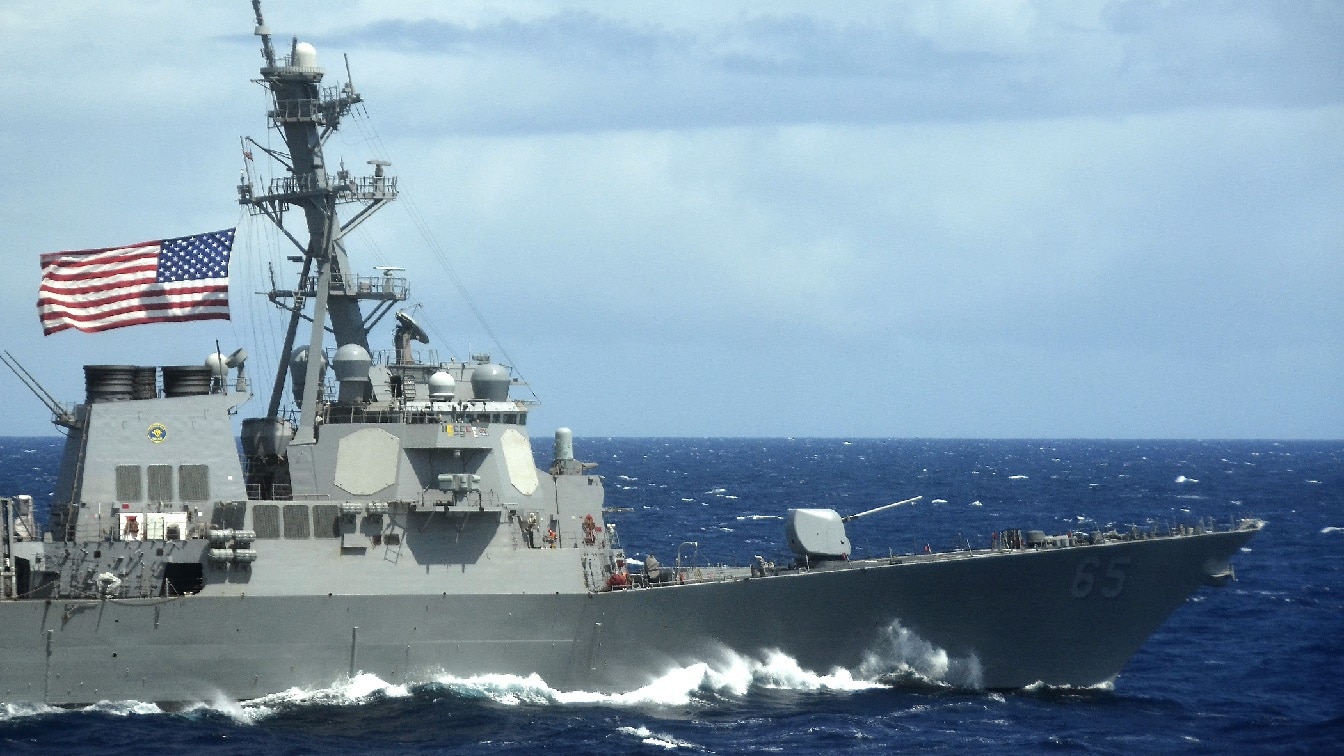
The LCS program has been plagued by structural defects since 2022, when the Navy discovered class-wide hull cracks affecting the Freedom variant. The problems stem from the aluminum hull design—lighter and faster than steel, but prone to stress fractures in high-sea states. By 2024, six Freedom-class ships had been sidelined for repairs, and the Navy had capped their operational speed at 15 knots in certain conditions.
Cincinnati herself spent four months in dry dock in 2025 addressing propulsion issues and hull integrity concerns. For a ship class originally marketed as capable of sustained 40-knot sprints, that's not a confidence-building record.
The Navy deployed Cincinnati to Ream anyway, because the alternative was admitting it doesn't have enough healthy surface combatants to show the flag in Southeast Asia.
What China Built at Ream
China's investment in Ream wasn't symbolic. The base now covers 190 acres, with infrastructure upgrades including six-lane highways and a refurbished airport. Satellite analysis by BlackSky identified near-exact similarities between Ream's angled deep-water pier and China's Djibouti naval facility—both capable of hosting Type 003 carriers and the full range of PLAN surface combatants.
Two Chinese corvettes rotate through Ream on a regular basis. The facility is open to other navies—Japan, Vietnam, and Russia have visited—but China enjoys what analysts call "preferential access." Beijing spent billions rebuilding Ream after tearing down U.S.-funded facilities in 2020. Cambodia denied it was a Chinese base. No one believed them.
The port call by Cincinnati was supposed to challenge that narrative. Instead, it reinforced a different one: the U.S. can't afford to send its frontline ships to Southeast Asia anymore.
Showing the Flag With a Broken Flagpole
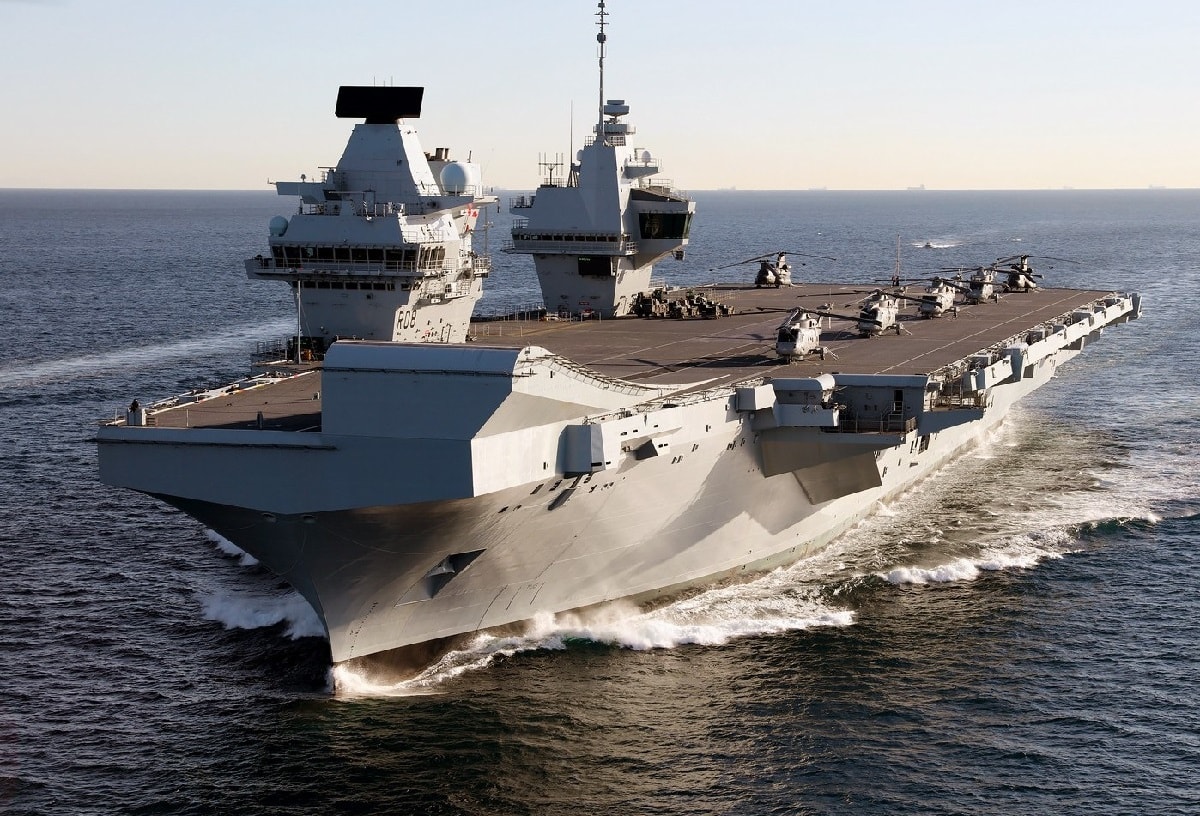
Gavin Greenwood, a consultant at A2 Global Risk, noted that Cincinnati was "carrying out the role it was partly intended to perform—showing the flag, maintaining a presence, sending a signal of U.S. 'reach and resolve' at minimal cost." Then he added the critical qualifier: "The more revealing test of the status of US-Cambodia relations would have been had a major U.S. Navy warship visited Ream."
He's right. A Burke-class destroyer—say, USS Milius or USS John Finn—would have been a real statement. Both are stationed in Yokosuka and routinely patrol the South China Sea. A Ticonderoga-class cruiser would have been even better, with Aegis baseline 10 and a magazine capacity that actually matters in a peer conflict.
Instead, the Navy sent an LCS with a problematic maintenance record and limited combat capability. The Freedom-class carries eight anti-ship missiles and a 57mm gun. A single Type 055 cruiser—which China now builds at a rate of two per year—outguns Cincinnati by a factor of ten.
The Indo-Pacific Fleet That Isn't There
This isn't about Cincinnati specifically. It's about what the ship represents: a U.S. Navy stretched too thin to deploy its best assets where they matter most. The Indo-Pacific Command area of responsibility spans 52% of the Earth's surface, but the U.S. typically maintains just four to six surface action groups in theater at any given time.
China's PLAN operates over 370 ships, with 60+ commissioned in the last five years alone. The U.S. Navy has 296 ships, and attrition is outpacing construction. The Virginia-class submarine program is running 12 to 18 months behind schedule. The Constellation-class frigate program won't deliver its first hull until 2029—four years late.
So when the White House wants to signal renewed engagement with Cambodia, the Navy sends what it can spare: a ship with structural cracks and a mission profile built for counter-piracy in the Strait of Hormuz, not great-power competition in the South China Sea.
Strategic Symbolism Without Strategic Weight
Admiral Paparo announced that Angkor Sentinel exercises—joint U.S.-Cambodia military drills suspended in 2017—will resume later this year or next. The U.S. arms embargo on Cambodia has been lifted. These are positive developments, and they matter for diplomatic optics.
But optics don't deter China from consolidating its second overseas naval base. Beijing isn't worried about an LCS with hull cracks. It's worried about sustained U.S. naval presence backed by destroyers, cruisers, and submarines that can actually hold the line in a crisis.
Jennifer Parker, an Australian maritime security expert, noted that Cincinnati's visit "demonstrates that Ream Naval Base is not exclusively a Chinese facility." True. But it also demonstrates that the U.S. is willing to settle for symbolic gestures when it lacks the resources for strategic follow-through.
The Real Test the Navy Can't Pass
Cambodia's Prime Minister Hun Manet is a West Point graduate. He knows what a credible military commitment looks like, and it's not a single LCS port call followed by vague promises about resuming exercises "later this year or next."
China rotates corvettes through Ream on a regular basis. It built the infrastructure to support carrier operations. It invested billions in highways, airports, and logistics facilities. Beijing's commitment to Cambodia is material, sustained, and backed by industrial capacity that the U.S. can't match in Southeast Asia.
The U.S. commitment is an LCS that spent four months in dry dock last year fixing cracks in its hull.
Admiral Paparo is right that the partnership is on an upward trajectory. But trajectories require propulsion, and propulsion requires ships—real ships, not aluminum-hulled compromise platforms with structural defects.
Until the Navy can afford to send a Burke or a Ticonderoga to Ream on a regular basis, China will keep treating U.S. port calls as diplomatic theater. And Cambodia will keep hedging, because hedging is what you do when the distant partner shows up with a broken ship and the nearby partner builds you a port.
USS Cincinnati visited Ream Naval Base in Cambodia on January 26, 2025, marking the first U.S. warship visit since China's upgrades to the facility. The ship, a Freedom-class Littoral Combat Ship, has a history of structural issues and limited combat capability. China's significant investment in Ream contrasts with the U.S. Navy's stretched resources, raising concerns about the effectiveness of U.S. military presence in the region.
- USS Cincinnati visited Ream Naval Base on January 26, 2025.
- Cincinnati is a Freedom-class Littoral Combat Ship with structural issues.
- China has invested significantly in Ream Naval Base, enhancing its capabilities.
- The U.S. Navy's presence in the Indo-Pacific is limited, with only a few surface action groups available.
- Cambodia has denied that Ream is a Chinese base, despite evidence to the contrary.