

The Challenger 3 is the UK’s next-generation Main Battle Tank. Building on the Challenger 2 platform, the Challenger 3 combines a new turret with improved firepower, survivability, and mobility. The tank is currently undergoing field testing, with the first models expected to be delivered to the British Army sometime in 2027.
Challenger 3 Tank Makes Military History
The tank’s manufacturer, Rheinmetall BAE Systems Land (RBSL), recently announced that the tank had completed a new milestone during testing.
The new tank has been driven over 2,000 kilometers and has fired more than 200 rounds from its new gun.
The Challenger 3 is slated to begin more rigorous trials in November, as the platform is pushed to its limits before final delivery to the British Army.
Another Milestone For the Challenger 3 Completed
On October 15, RBSL posted on LinkedIn, detailing some of the Challenger 3’s most recent achievements. “Challenger 3 is racking up the miles,” the post reads. “2000 kilometers driven. Over 200 main armament rounds fired. 100 smoke grenades deployed.” The post continues, stating that the new tank is expected to begin the next phase of its trials in November. “We will be pushing the vehicle and its new systems harder and faster.
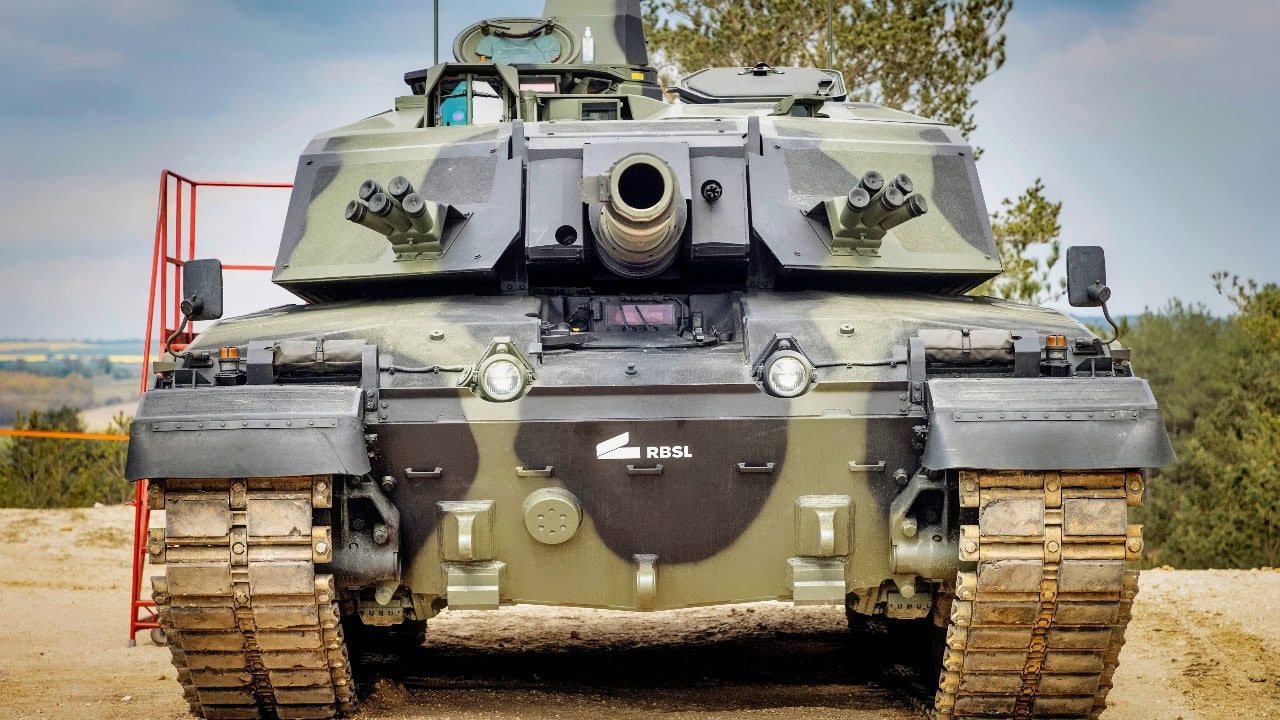
The Challenger 3 Main Battle tank. Image Credit: Creative Commons.
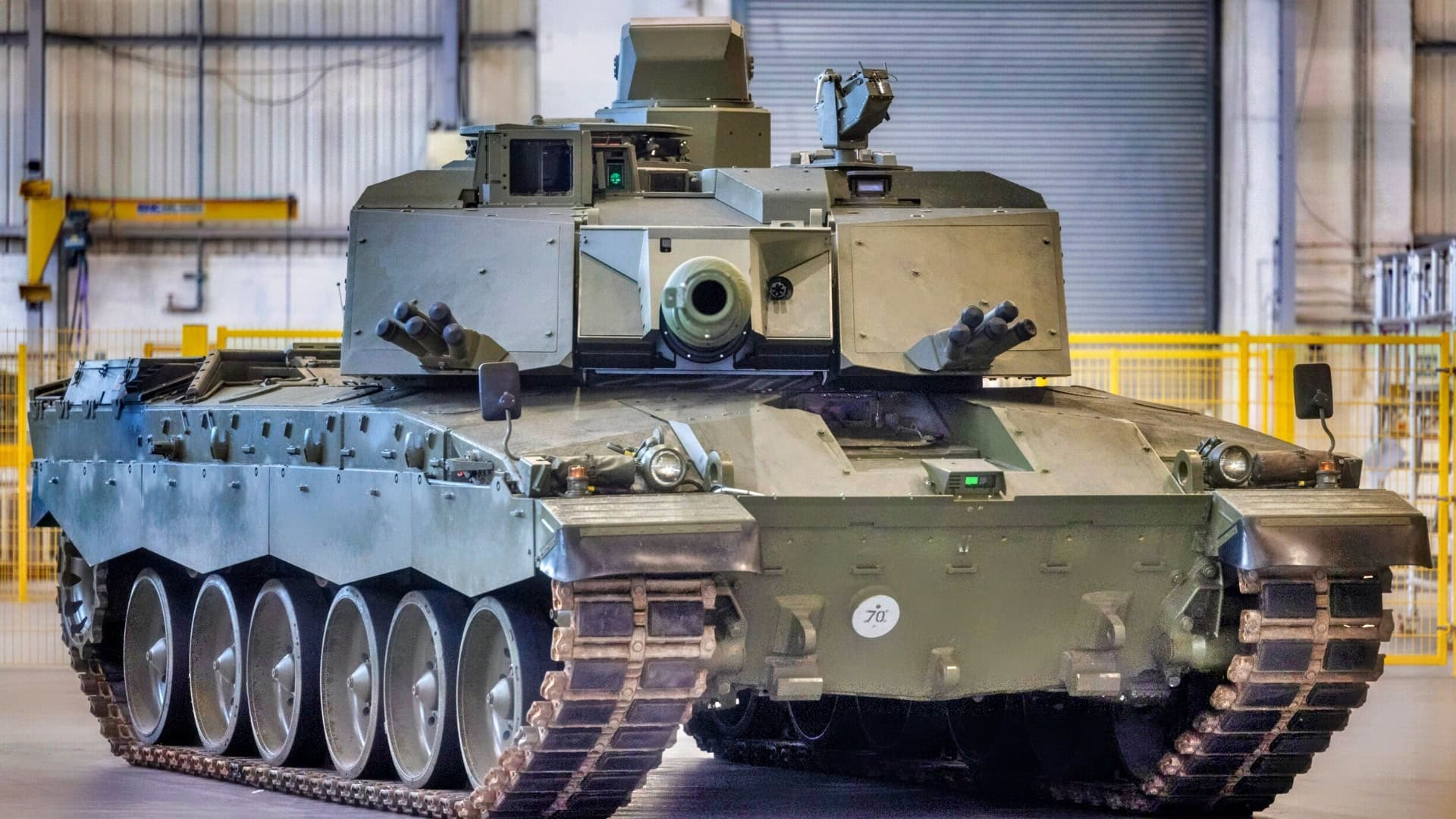
Challenger 3 Tank. Image Credit: British Government.
Every kilometer, every round, every trial will be building confidence, proving the capability, and delivering the British Army’s next-generation Main Battle Tank.” In 2025, RBSL completed the Challenger 3’s initial mobility trials, which totaled around 800 kilometers on roads and cross-country terrain. In January 2026, the tank completed its first live-fire tests at a UK Ministry of Defense Training Center.
In November, the Challenger 3 is set to enter a new phase of its trials.
These trials will likely focus on testing the tank’s performance in combat conditions and seeing how the platform handles extreme stress.
The UK MoD currently has a contract with RBSL to convert all the British Army’s Challenger 2 tanks to the new Challenger 3 standard.
The contract is worth around £800 million ($1.06 billion) and covers the UK’s 148-tank inventory.
Under the original timeline, the new tank was set to reach initial operating capacity by 2027, with full operational capacity reached by 2030. However, after a few delays with the tank’s gearbox, it is unclear whether this schedule still stands.
Inside the UK’s Latest Tank
It is not really accurate to call the Challenger 3 a brand-new tank.
The tank shares the same chassis as its Challenger 2 predecessor, but with many improvements.
The Challenger features an entirely new turret.
This turret features new internal “Farham” composite armor, building on the legacy of Chobham Armor.
Most significantly, however, the tank has a new main gun.
The Challenger 3 replaces the rifled L30A1 120mm gun with the Rheinmetall L55A1 120mm smoothbore gun. This change was necessary for several reasons.
The new smoothbore gun improves interoperability with the rest of NATO and enables it to fire the latest armor-piercing and programmable rounds.
The new barrel also gives the tank greater longevity, as rifled barrels tend to wear out faster than smoothbore barrels. The Royal Ordnance factory that produced the Challenger 2’s guns closed in 2001.
The changes between the Challenger 3 and its predecessor extend beyond the new turret.
The Challenger 3 receives an upgraded Perkins CV12-9A V12 diesel engine, which produces between 1,200 and 1,500 horsepower (exact specs are classified). In tandem with the improved engine, the Challenger’s suspension has also been replaced with new third-generation hydrogas suspension.
These changes are intended to improve the tank’s cross-country performance, ease of maintenance, and service life.
The program also seeks to reduce the tank’s weight from 74 metric tons (with add-on armor) to around 66 tons.
This change not only improves the tank’s power-to-weight ratio, but also makes it easier to transport than its predecessor.
One of the main criticisms of the Challenger 2 was its excessive weight, especially with its underpowered engine. Its weight meant the tank frequently got bogged down in the muddy Eastern European terrain of Ukraine.
Designed for the Modern Battlefield
As with all modern tanks, some of the Challenger’s most important features lie inside the tank.
The Challenger 3 program places major emphasis on improving the tank’s performance in network-centric warfare and enhancing crew situational awareness.
Externally, the tank is fitted with two independent thermal imagers for the commander and gunner, manufactured by Thales Group.
According to RBSL, the driver also has front- and rear-facing thermal cameras.
The Challenger’s digital backbone has also been revamped, with new Fire-Control Systems (FCS) that provide automatic target tracking and assisted target detection.
The Challenger 3 takes a more modular, open-systems approach, allowing future upgrades to integrate easily into the platform.
Unfortunately, because of the program’s secrecy, little is known about the tank’s onboard systems.
According to the British MoD, the Challenger 3 is designed to survive and thrive in today’s era of digital and network-centric warfare.
About the Author: Isaac Seitz
Isaac Seitz, a Defense Columnist, graduated from Patrick Henry College’s Strategic Intelligence and National Security program. He has also studied Russian at Middlebury Language Schools and has worked as an intelligence Analyst in the private sector.