
China's 31-Aircraft Taiwan Push Tests Taiwan's 2026 Response Capacity
 S.W
S.WChina's 31-Aircraft Taiwan Push Tests Taiwan's 2026 Response Capacity
Thirty-one People’s Liberation Army aircraft, 13 Chinese naval vessels, and three official ships were detected around Taiwan by 6 a.m. on September 13. Twenty-five of the aircraft crossed the Taiwan Strait median line and entered Taiwan’s northern, central, or southwestern air defense identification zone (ADIZ). The number matters. The crossing rate matters more.
This was not an air raid and an ADIZ is not sovereign airspace. But the episode shows how Beijing can create a wartime problem without firing a shot: force Taiwan to detect, classify, track, and respond to a large package every day while keeping the threshold for direct escalation ambiguous. The pressure is measured in sorties, watch hours, fuel, missiles, and maintenance cycles—not in dramatic maps of an imminent invasion.
The Latest Activity Is a Readiness Test
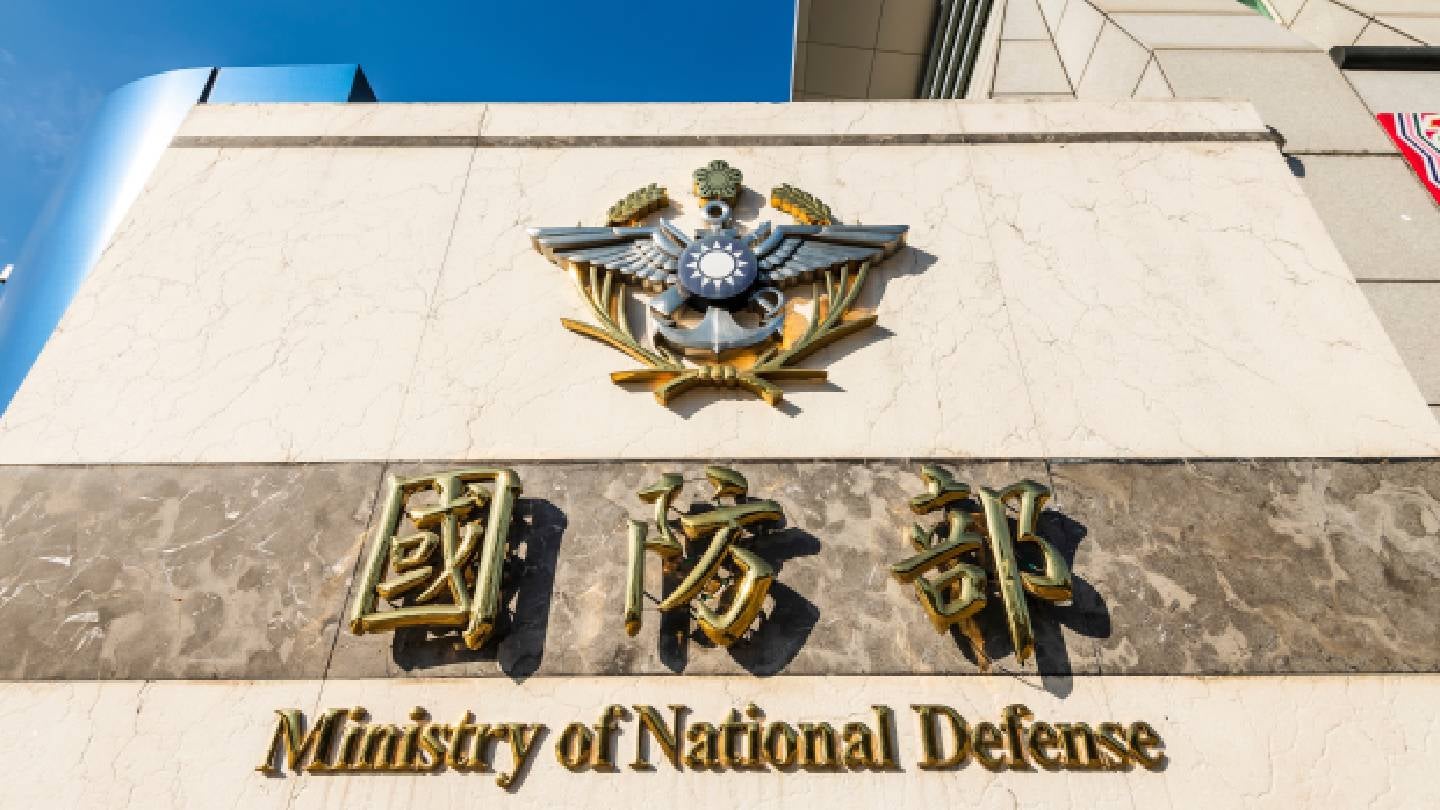
Taiwan’s Ministry of National Defense reported the September 13 figures in a statement relayed by ANI. The previous day’s reporting period recorded 22 PLA aircraft and 10 PLAN vessels, with 15 aircraft crossing the median line, according to the same account. Taiwan News reported a lower count for the Friday-to-Saturday period—seven aircraft, six naval vessels, and two official ships—illustrating an important point: the activity is persistent, but its daily volume is variable.
That variability is operationally useful for Beijing. A constant high-tempo surge would reveal a clear exercise pattern and impose costs on China’s own crews. Alternating quiet days with larger packages gives the People’s Liberation Army opportunities to probe Taiwan’s alert procedures, test command-and-control handoffs, and observe which tracks trigger airborne responses. Taiwan has to prepare for the peak even when the average is lower.
Twenty-Five Crossings Change the Geometry
The median line once served as a practical separation in the Strait. It was never a legally binding international boundary, but regular avoidance reduced the chance that routine patrols would become tactical encounters. Crossings into the ADIZ remove that buffer. They also push Taiwan’s surveillance problem away from a simple west-coast warning scenario and toward a distributed picture involving the north, center, and southwest approaches.
For Taiwan, the response is a layered cycle. Ground-based radars and passive sensors build the track; command centers classify it; air force units may scramble or shadow; navy ships and coastal missile units monitor the maritime picture. The MND’s September 6 official update described the same response architecture after 21 PLA sorties, 10 PLAN ships, and five official ships were detected. The hardware is familiar. The question is whether the cycle can be sustained without turning every day into a training emergency.
It is also why raw aircraft totals can mislead. Thirty-one sorties do not equal 31 aircraft attacking Taiwan. Without a disclosed order of battle, we do not know how many were fighters, bombers, airborne early-warning aircraft, electronic-warfare platforms, or support aircraft. A mixed package with fewer fighters but better sensors could generate more demanding tracks than a larger group of routine patrol aircraft. The correct assessment is therefore not “invasion imminent.” It is “Taiwan is being forced to operate closer to a wartime decision tempo.”
The Cost Is Measured in Endurance
Taiwan can respond with fighters, ships, and coastal missiles, but those instruments have different costs and vulnerabilities. Sending a crewed fighter to identify every uncertain contact consumes flight hours and maintenance capacity. Keeping aircraft on alert requires crews, fuel, spare parts, and weapons loaded for contingencies. Using surface-to-air missiles against ambiguous peacetime tracks is politically and militarily untenable, so the missiles deter only when the situation crosses a much higher threshold.
China can exploit that asymmetry. The PLA does not need to match Taiwan sortie for sortie if its purpose is to impose a recurring readiness bill. Taiwan’s answer should be a larger share of passive sensing, unmanned surveillance, resilient communications, and distributed command posts. Those systems cannot eliminate the need for fighters, but they can reserve expensive aircraft for tracks that actually change the tactical picture.
The maritime component compounds the problem. Thirteen PLAN vessels and three official ships create a second monitoring task while the air picture is active. Taiwan’s navy and coast guard must distinguish military maneuver from law-enforcement activity, protect commercial approaches, and preserve enough ships for a genuine contingency. Beijing’s use of military and official vessels together is not accidental; it complicates the rules for response and lets pressure move between military and civilian channels.
What Washington and Taipei Should Measure
The headline count should be replaced by a small readiness dashboard. First, how many aircraft crossed the median line, and for how long? Second, how many entered different sectors of the ADIZ simultaneously? Third, what percentage of the package required Taiwan to launch crewed aircraft rather than rely on remote or passive tracking? Fourth, how many naval and coast guard vessels were tied to the response, and for how many hours?
Those figures would reveal whether Beijing is merely demonstrating presence or generating a practical blockade rehearsal. A blockade does not begin with missiles falling on ports. It begins with the attacker learning how the defender allocates scarce sensors, aircraft, ships, and political attention. The September 13 activity offers useful data, but it does not by itself prove that a blockade is underway.
CSIS describes gray-zone activity as efforts beyond steady-state deterrence that pursue security objectives without direct and sizable force. Taiwan’s daily reports fit that logic, while also showing its limit: gray-zone pressure becomes strategically meaningful only when it changes the defender’s force posture. Taipei should publish enough detail to expose the burden, but preserve ambiguity about its most sensitive response procedures. Washington, meanwhile, should treat endurance—not just surge capacity—as the key allied metric.
The Immediate Judgment
China’s 31-aircraft operation is not evidence that an invasion has started. It is evidence that Beijing can make Taiwan rehearse the first hours of a crisis on a routine schedule. Twenty-five median-line crossings turn a symbolic count into a test of response capacity.
Taiwan does not need to intercept every aircraft to deter China. It needs a force design that can track the entire package, respond selectively, and remain ready after the fifth, fiftieth, or five-hundredth day of pressure. If the answer remains mostly crewed fighters and improvised fatigue management, the math favors Beijing. That is the gap Taiwan’s 2026 defense planning must close.
On September 13, 2023, 31 People's Liberation Army aircraft and 13 naval vessels were detected around Taiwan, with 25 aircraft crossing into Taiwan's air defense identification zone. This operation tests Taiwan's military readiness and response capacity, as it must manage surveillance and potential interceptions amid ongoing pressure from China. The activity highlights the strategic implications of China's military maneuvers in the region.
- 31 PLA aircraft and 13 naval vessels were detected around Taiwan on September 13, 2023.
- 25 aircraft crossed the Taiwan Strait median line into Taiwan's ADIZ.
- The activity is part of a readiness test for Taiwan's response capacity.
- Taiwan's response involves a layered cycle of surveillance and potential interception.
- The crossings into the ADIZ complicate Taiwan's surveillance and response strategy.