
Coastal Swimming and Live-Fire Shooting: The Army Conducts Various Training to Strengthen Combat Hard Power
Recently, a certain brigade of the Army's 73rd Group Army conducted annual coastal swimming enhancement training to hone the soldiers' ability to coordinate in maritime formations.
After the training command was issued, each formation entered the water in an orderly manner, conducting training in the complex environment of turbulent currents. The formation leader observed the sea conditions in real-time, adjusted the course rhythm, and precisely controlled the formation's movement status to ensure the overall quality and effectiveness of the training.
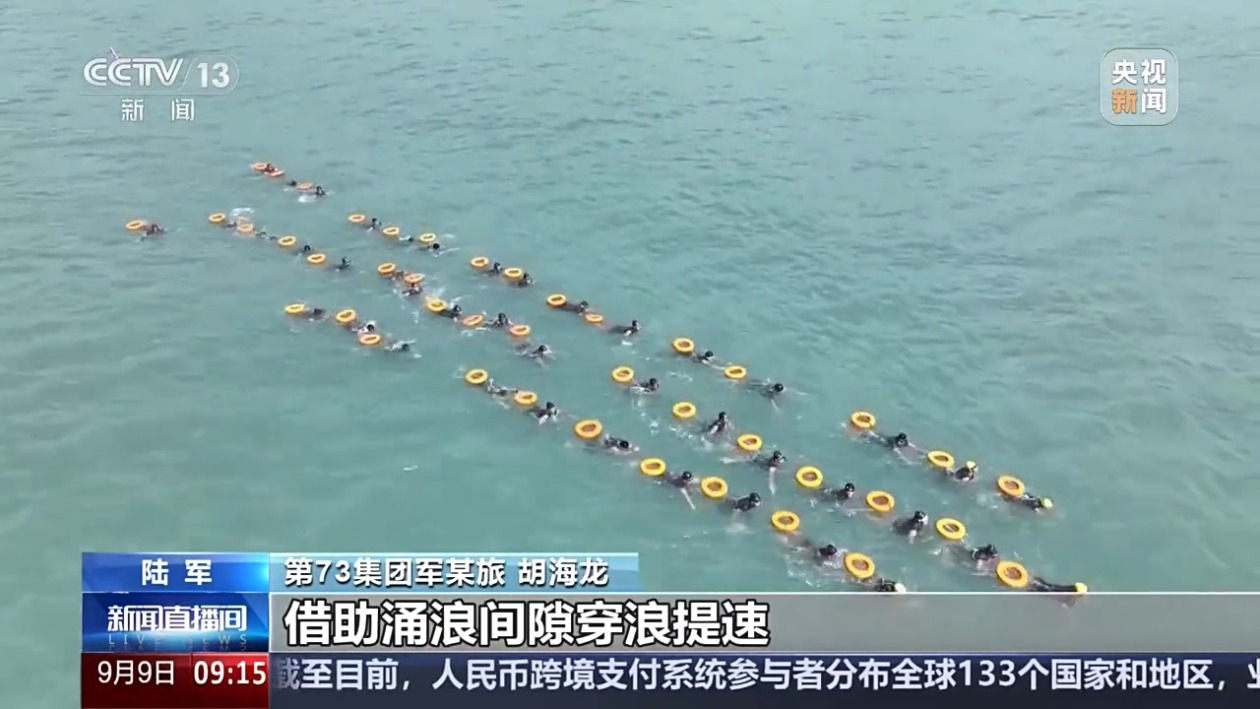
Hu Hailong, a certain brigade of the 73rd Group Army: The waves are strong, underwater visibility is low, and it greatly consumes physical energy. We will plan our route based on surface buoys and water flow patterns, adjust the rhythm of our strokes, and take advantage of the gaps between waves to increase speed, minimizing unnecessary physical exertion while maintaining a stable breathing frequency.
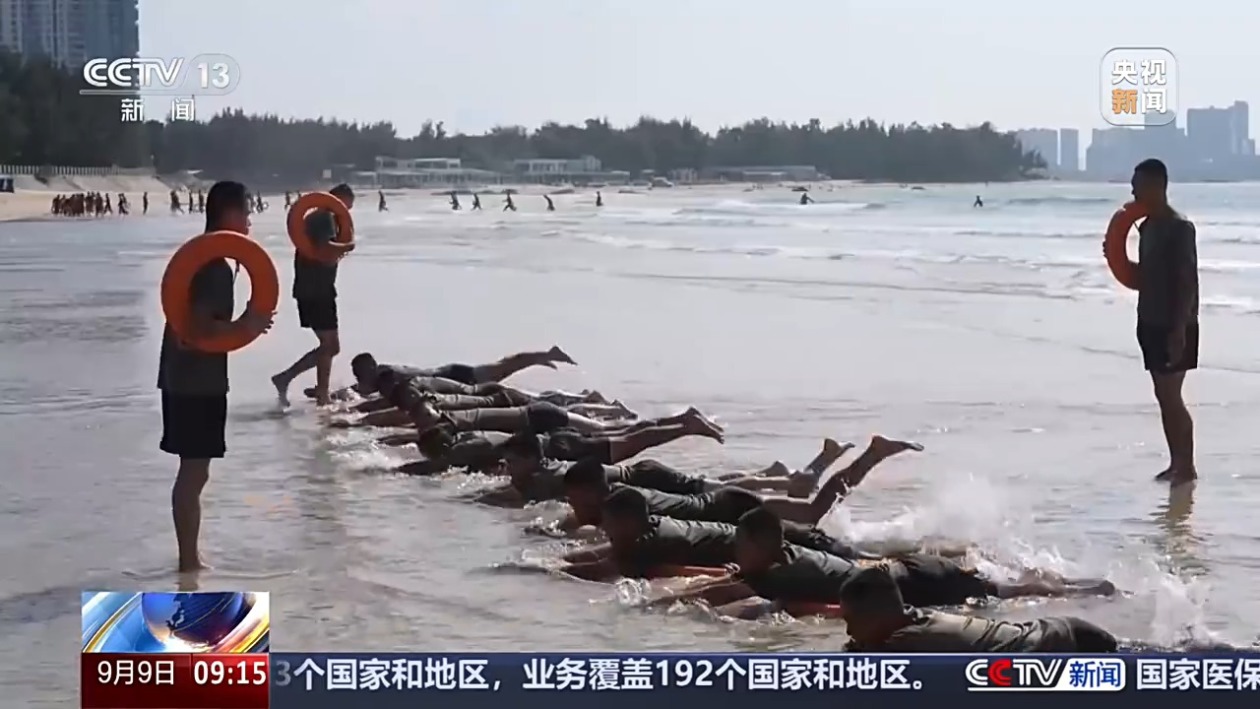
Conducting organized maritime swimming is a crucible experience for new recruits.
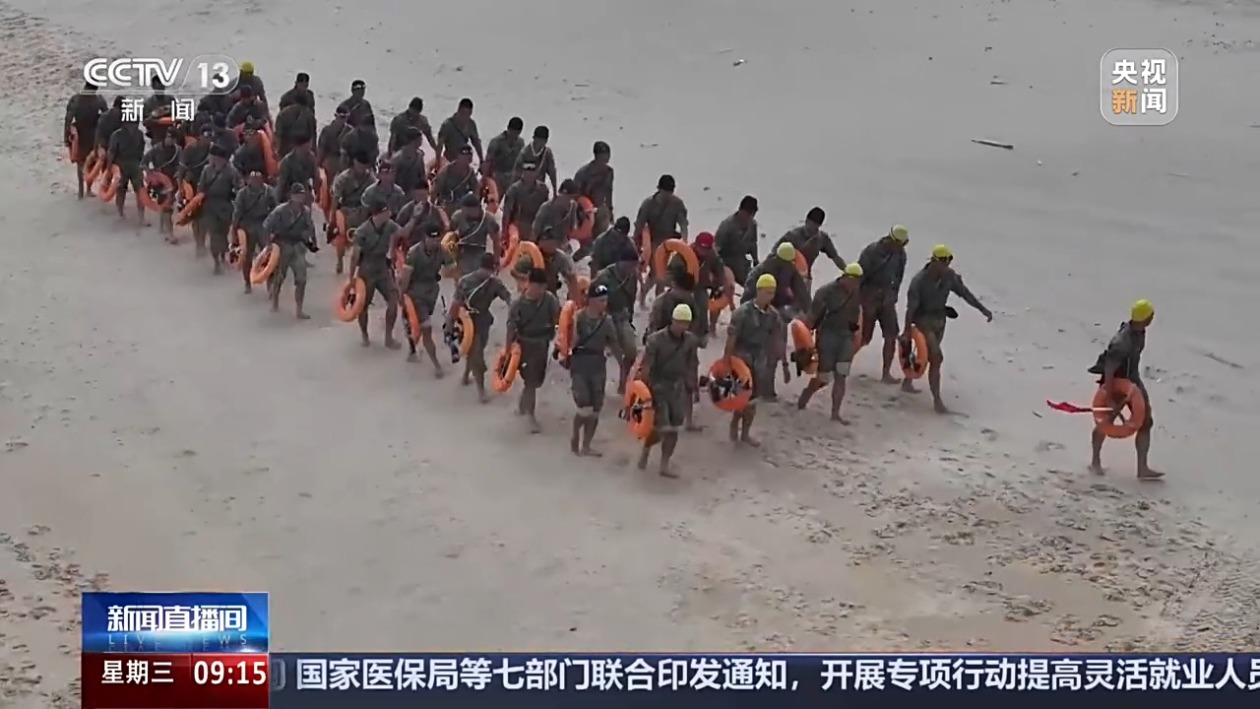
As the training difficulty continues to escalate, the armed swimming tasks are progressively carried out. The added weight of equipment combined with the resistance of wind and waves greatly exhausts the soldiers' physical strength. Above the sea, the formation commander assesses the sea conditions in real-time and manages personnel status, while soldiers assist each other and closely coordinate to steadily complete the organized armed swimming training.
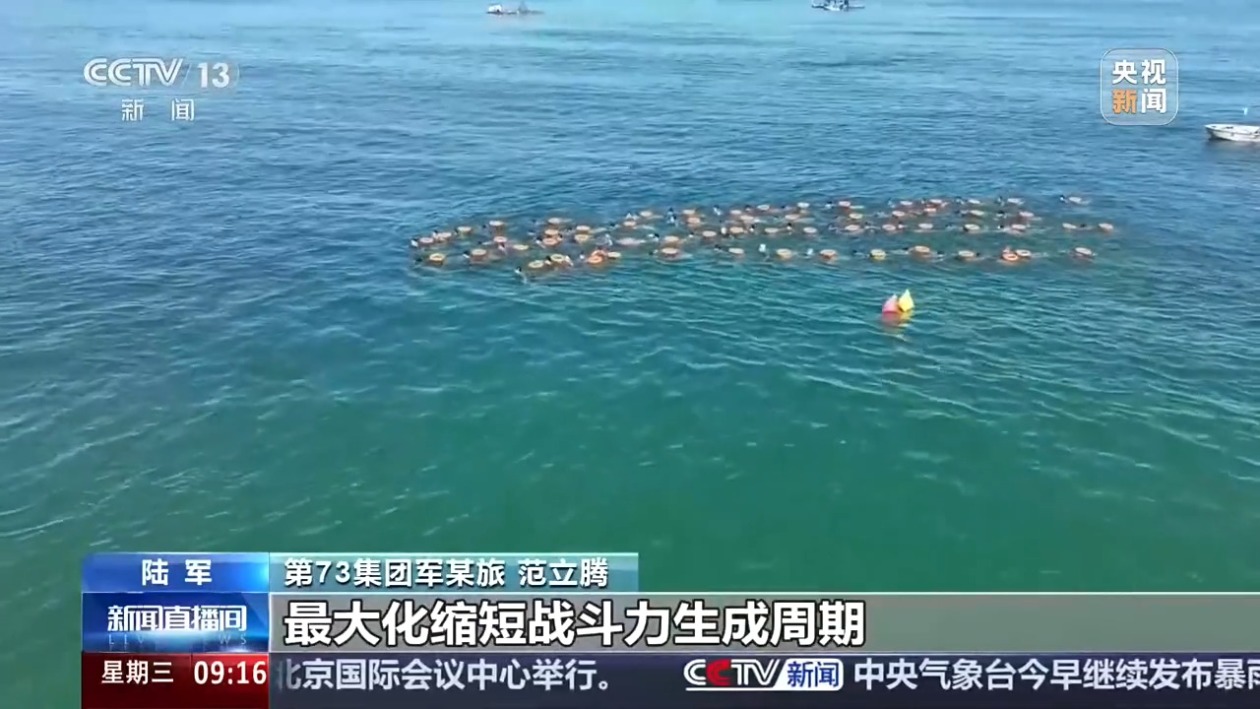
Fan Liteng, a certain brigade of the 73rd Group Army: This maritime swimming training strictly follows the approach of solidifying the foundation, addressing weaknesses, and strengthening capabilities. We deeply study and refine challenging tasks such as armed swimming and long-distance swimming, maximizing the reduction of the combat effectiveness generation cycle, honing soldiers' maritime combat skills in wind and waves, and comprehensively enhancing the hard power of the troops in coastal operations.
Live-fire shooting assessment hones artillery's autonomous fire strike capability
Recently, a certain brigade of the Army organized an artillery team to conduct live-fire shooting assessments on a certain Gobi desert, comprehensively testing the artillery team's autonomous fire strike capability.
At the start of the exercise, a firepower unit composed of howitzers, mortars, and rocket launchers first maneuvered to the designated area. After the reconnaissance team surveyed the "enemy" target area, they guided various types of artillery to occupy firing positions, while the forward command post calculated parameters, updated meteorological data in real-time, corrected coordinates, and issued them to each combat team, simultaneously initiating ammunition unsealing.
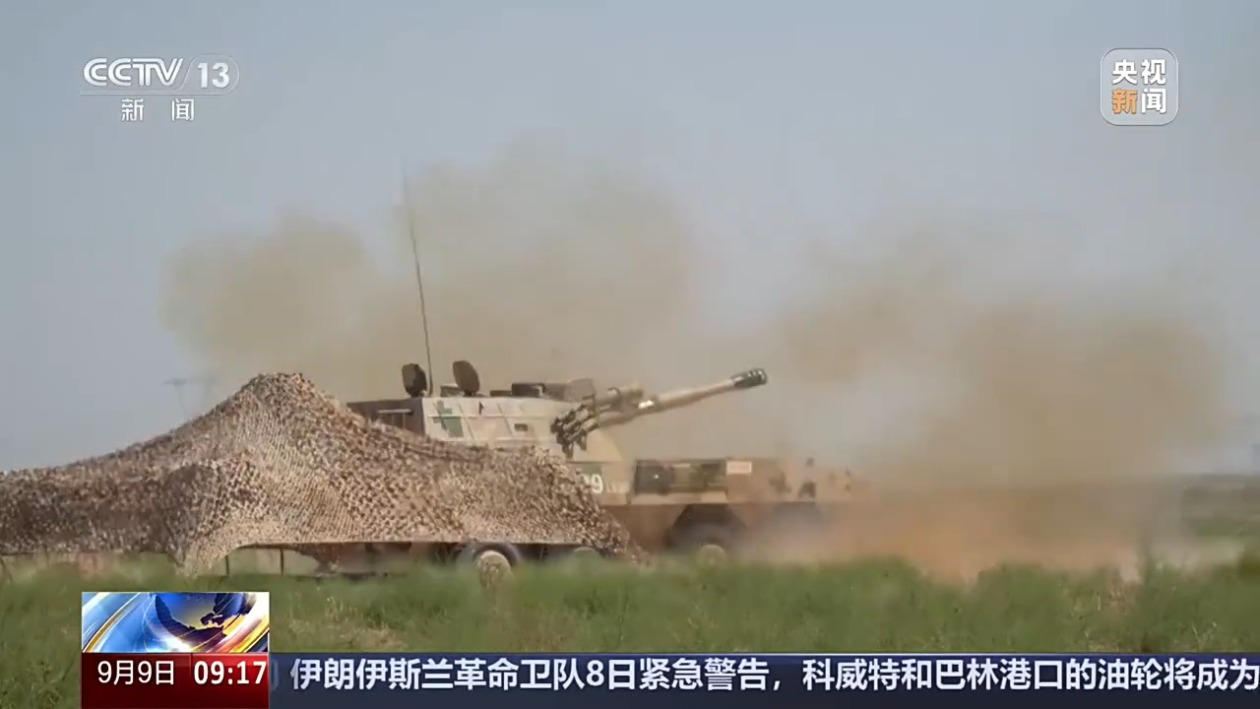
After the first round of firing, the impact points deviated significantly from the target. The reconnaissance team used digital equipment to capture the impact points and coordinated with the artillery for firing corrections. The mortar team received the firing order and conducted a second strike on the "enemy" ammunition depot, which was accurately destroyed. The rocket artillery team took over the fire strike mission, employing alternating fire to cover distant targets, which were also destroyed. After multiple types of artillery strikes, the assessment team quickly directed a transfer of positions, and the anti-tank missile team rapidly advanced to occupy firing positions, completing precise strikes in a short time.
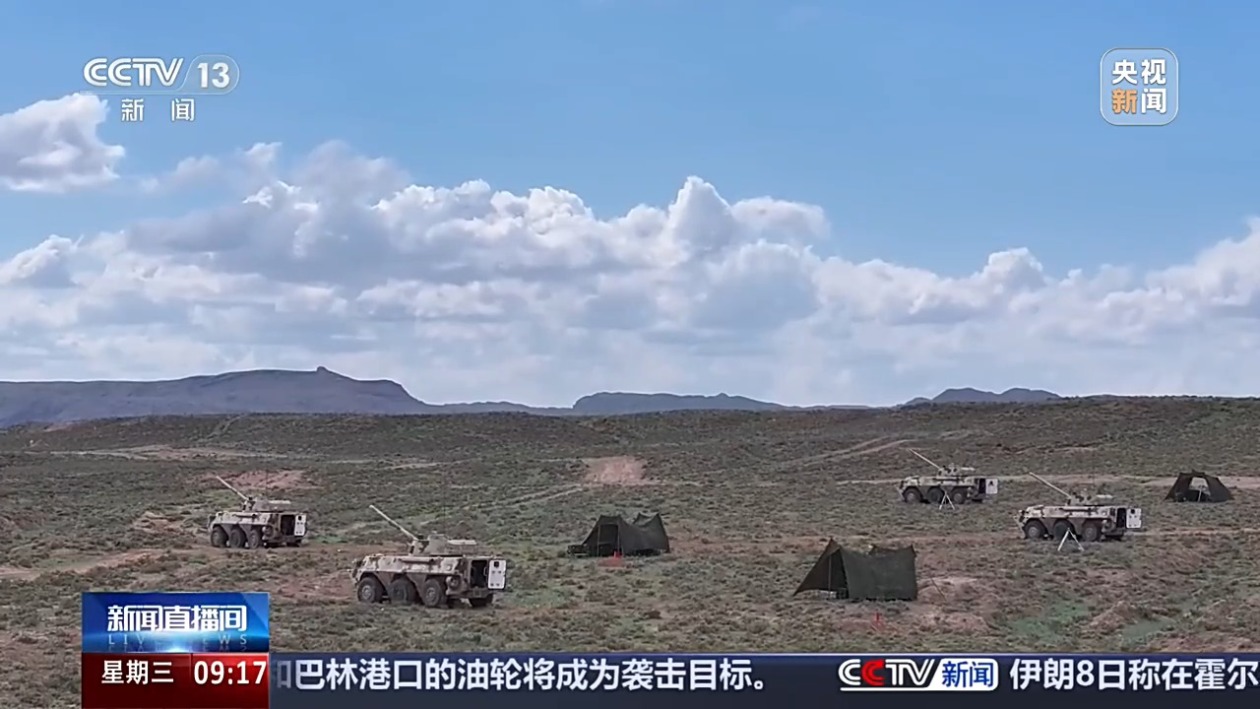
Huang Peng, a certain brigade of the 77th Group Army: We distributed different firepower across various regions according to the strategy of assigning different firepower. This is to build multiple firepower clusters that can support and cover each other while being able to quickly fill in gaps, concentrating firepower to implement saturation strikes on targets. This hones the artillery team's operational capability for full-factor, multi-link coordination.
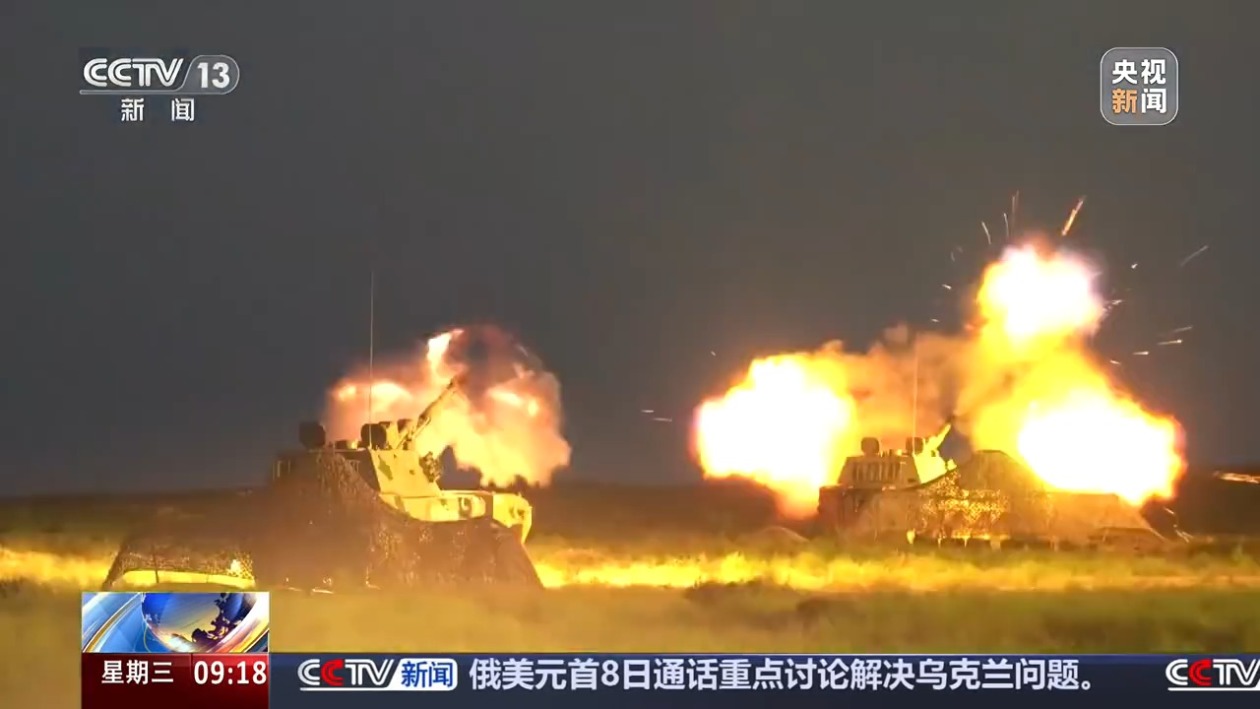
As night fell, the howitzer team fired illumination rounds to light up the target area, and the combat teams carried out fire strikes, destroying the "enemy" targets.
Liu Chaochao, a certain brigade of the 77th Group Army: In the two days of continuous assessments, we tested the effectiveness of various types of equipment and munitions in accurately striking different targets, optimized the strike process, and continuously promoted the deep integration of personnel and equipment, enhancing the overall collaborative combat capability of the artillery team.
The 73rd Group Army conducted coastal swimming training to enhance soldiers' operational skills, while the 77th Group Army executed live-fire artillery exercises in the Gobi Desert. The training focused on improving coordination and effectiveness in challenging environments, with real-time adjustments made during operations. Both exercises aimed to strengthen combat readiness and operational capabilities.
- The 73rd Group Army conducted coastal swimming training to enhance operational capabilities.
- Live-fire artillery exercises were held in the Gobi Desert to test artillery units' strike capabilities.
- The training involved coordination among various units and real-time adjustments based on environmental conditions.