
Crossing Decades: The People's Navy from Near Seas to Deep Blue

In the brilliant and warm month of May, the People's Army has left a series of milestone events on the journey to strengthen the military, events significant enough to be written into history.
Eight years ago today, on May 9, 2018, the J-20 conducted its first real combat training in the maritime direction, officially integrating into the joint air-sea combat system.
Thirteen years ago on May 10, the first carrier-based aviation unit of our country was established, marking a new phase in the combat capability construction of the aircraft carrier fleet.
Thirty-two years ago on May 8, the first 052-class missile destroyer, the Harbin, was commissioned, thus beginning the innovative iteration of the 052 series destroyers.
These three key moments spanning several decades connect the People's Army's complete transition from single equipment breakthroughs to full system integration, from near-sea defense to far-sea victory. Let's review these important moments↓↓↓
The innovative iteration of the 052 series destroyers
On May 8, 1994, the domestically produced 052-class destroyer, known as "China's first ship," the Harbin, was officially commissioned. As a pioneer of our country's second-generation destroyers, its commissioning marked a generational leap for the Chinese Navy from near-sea defense to far-sea operations.
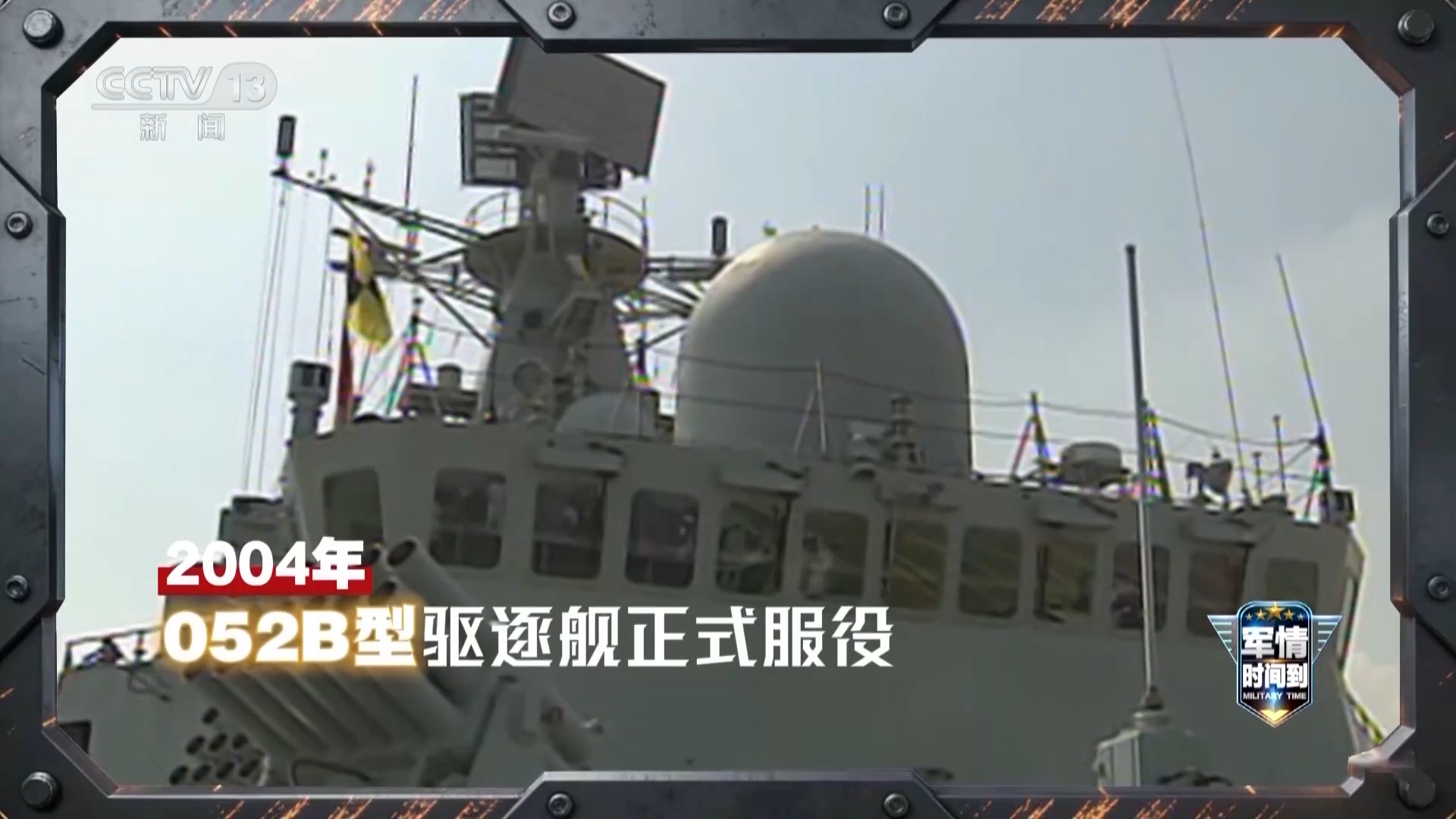
In 2004, two 052B-class destroyers were officially commissioned, with a displacement increased to about 5,800 tons. Their commissioning marked the Chinese Navy's transition from point air defense to area air defense.
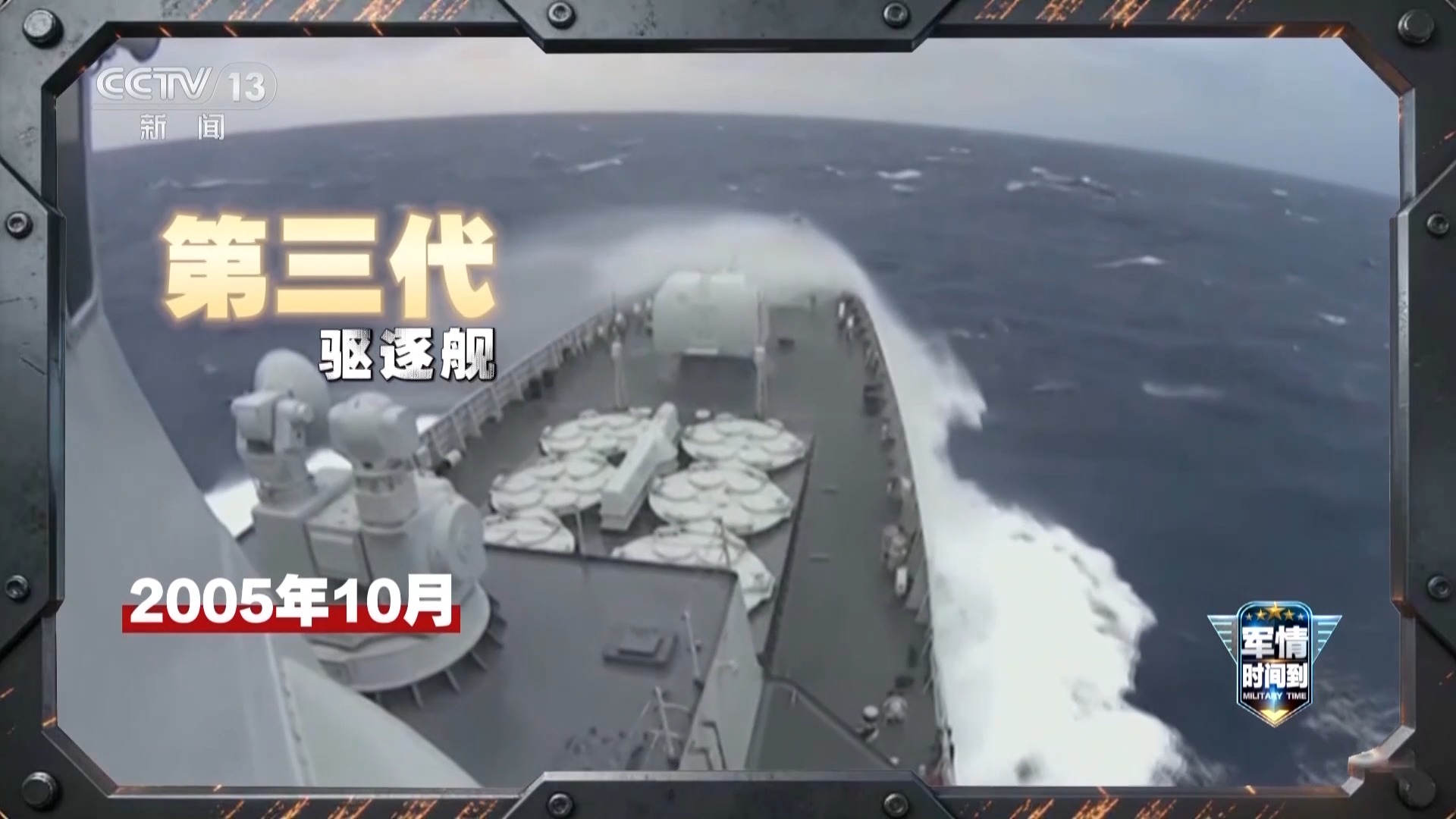
In October 2005, the first ship of the third-generation destroyer 052C, the Lanzhou, was commissioned into the South China Sea Fleet, marking the People's Navy's official entry into the phased array radar era. A total of 6 ships of this type were built, with a full-load displacement of about 6,800 tons, affectionately referred to by military enthusiasts as "China's Aegis." Additionally, the 052C-class destroyer is equipped with a vertical launch system, providing strong area air defense and anti-ship capabilities.
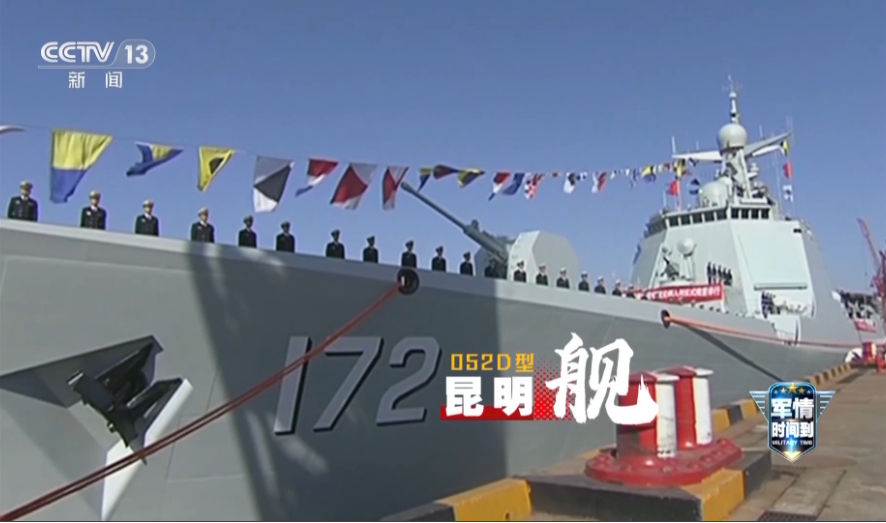
In 2014, the 052D-class destroyer completed a comprehensive upgrade based on the 052C, with the first ship, the Kunming, officially commissioned. Over the past 12 years, the 052D family has continuously iterated and upgraded, achieving a qualitative leap in combat capabilities, becoming the main vessel for the People's Navy's ocean operations.
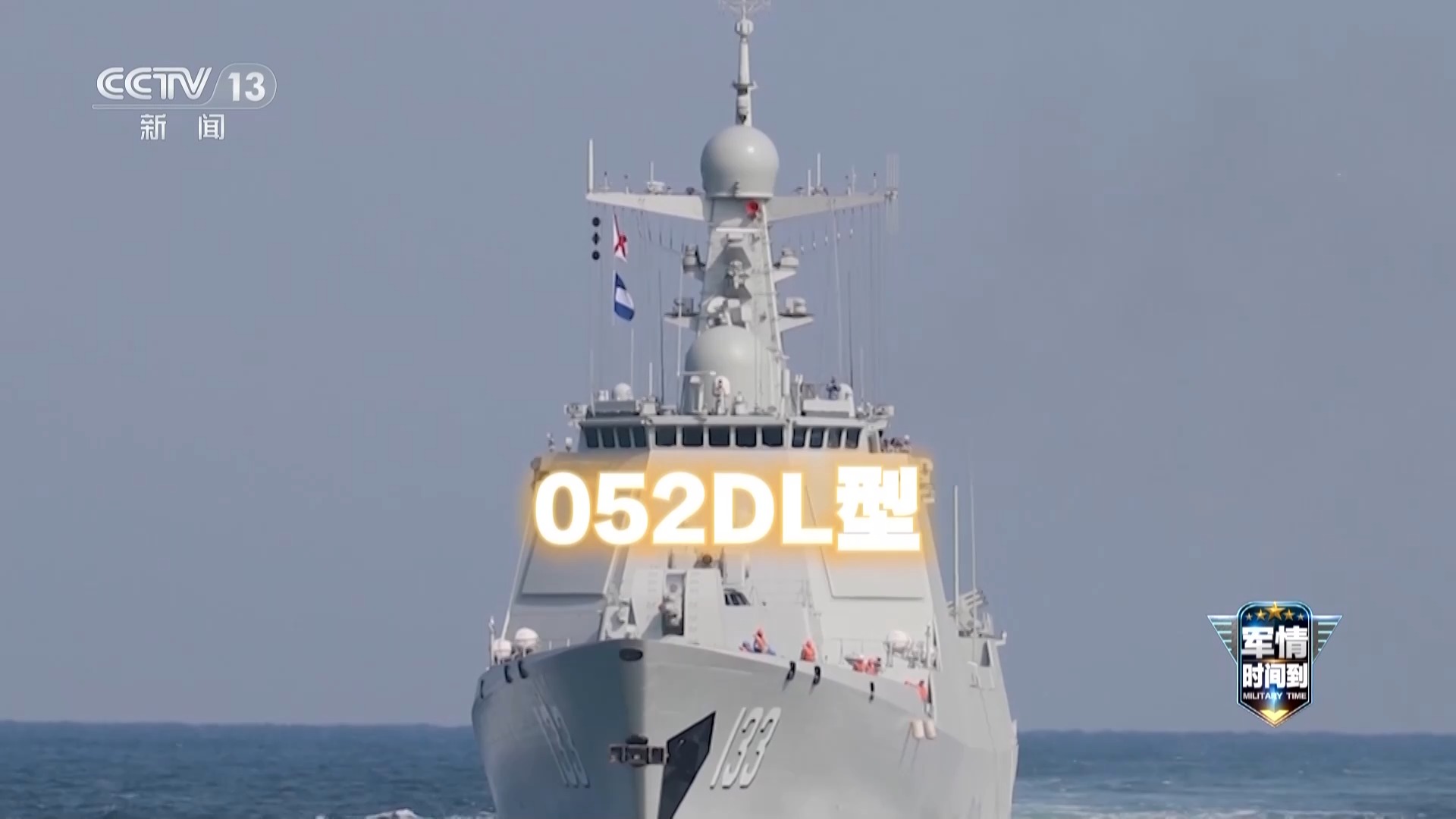
The latest variant of the 052D is the 052DL, which features a hull extended by about 4 meters, allowing for better adaptation to anti-submarine helicopters and enhanced capabilities in anti-submarine and long-range surveillance.
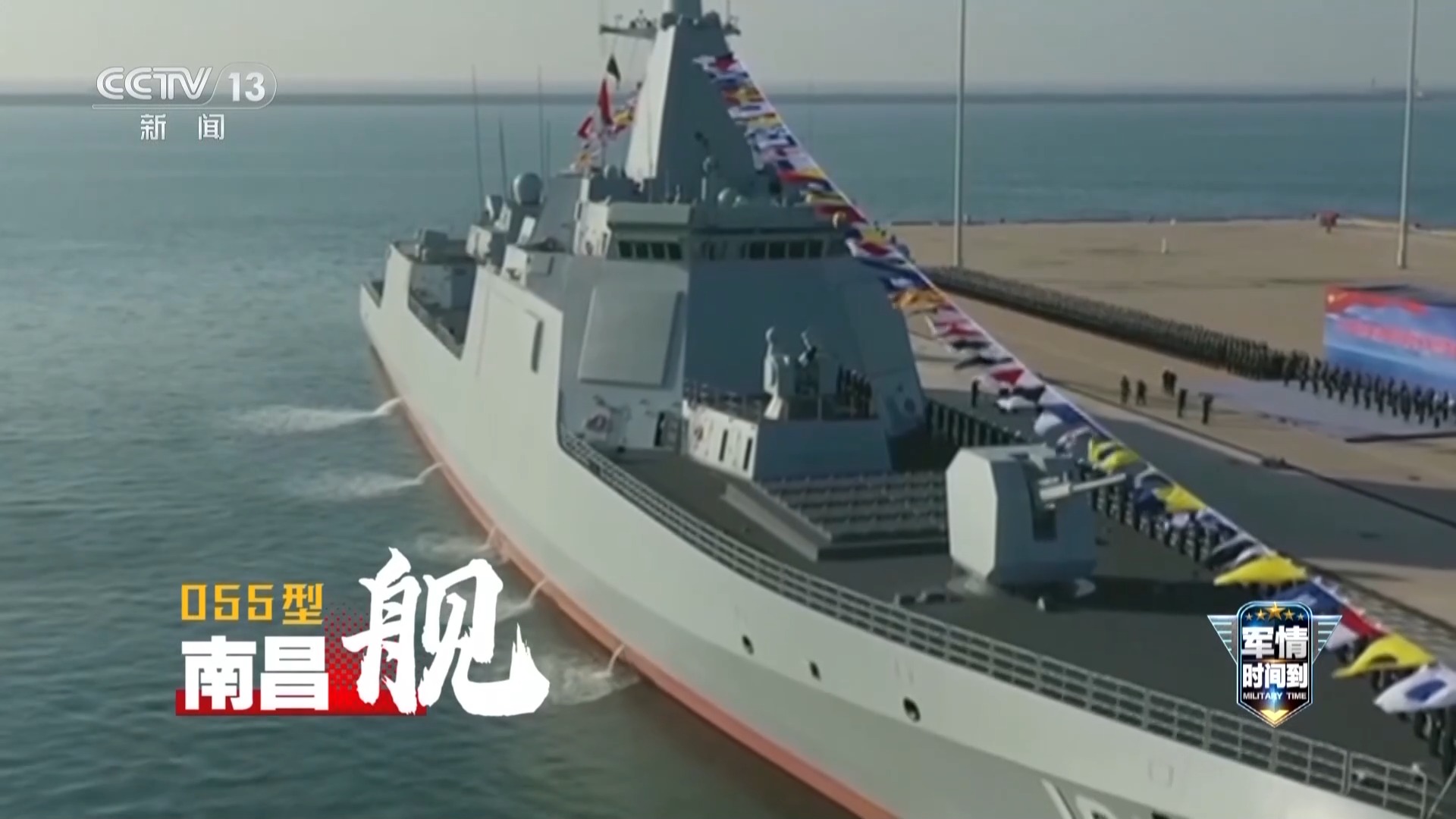
On January 12, 2020, the first ship of the independently developed 055-class destroyer, the Nanchang, was officially commissioned, marking the transition of naval destroyers from the third generation to the fourth generation. The 055-class missile destroyer has broken through a series of key technologies in overall design, information integration, and assembly construction of large vessels, possessing strong information perception, air defense and anti-missile, and maritime strike capabilities.
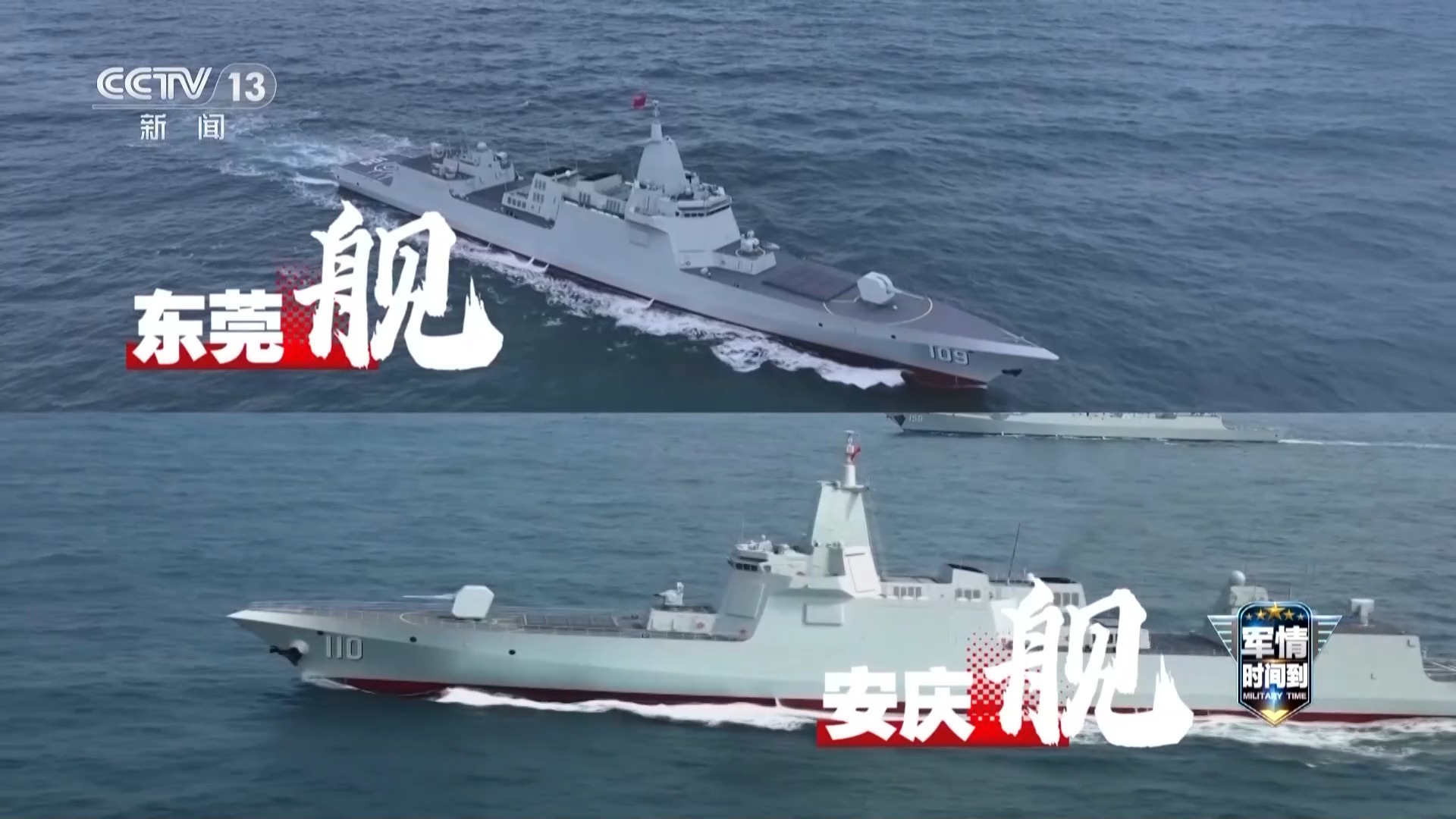
Recently, the 055-class missile destroyers Dongguan and Anqing were simultaneously commissioned into the Eastern Theater Navy and conducted their first maritime combat training. As a result, the number of 055-class missile destroyers in our country has reached double digits.
Question 1: From 4,000 tons to 7,000 tons, what upgrades and transitions have the 052-class destroyers undergone besides displacement?
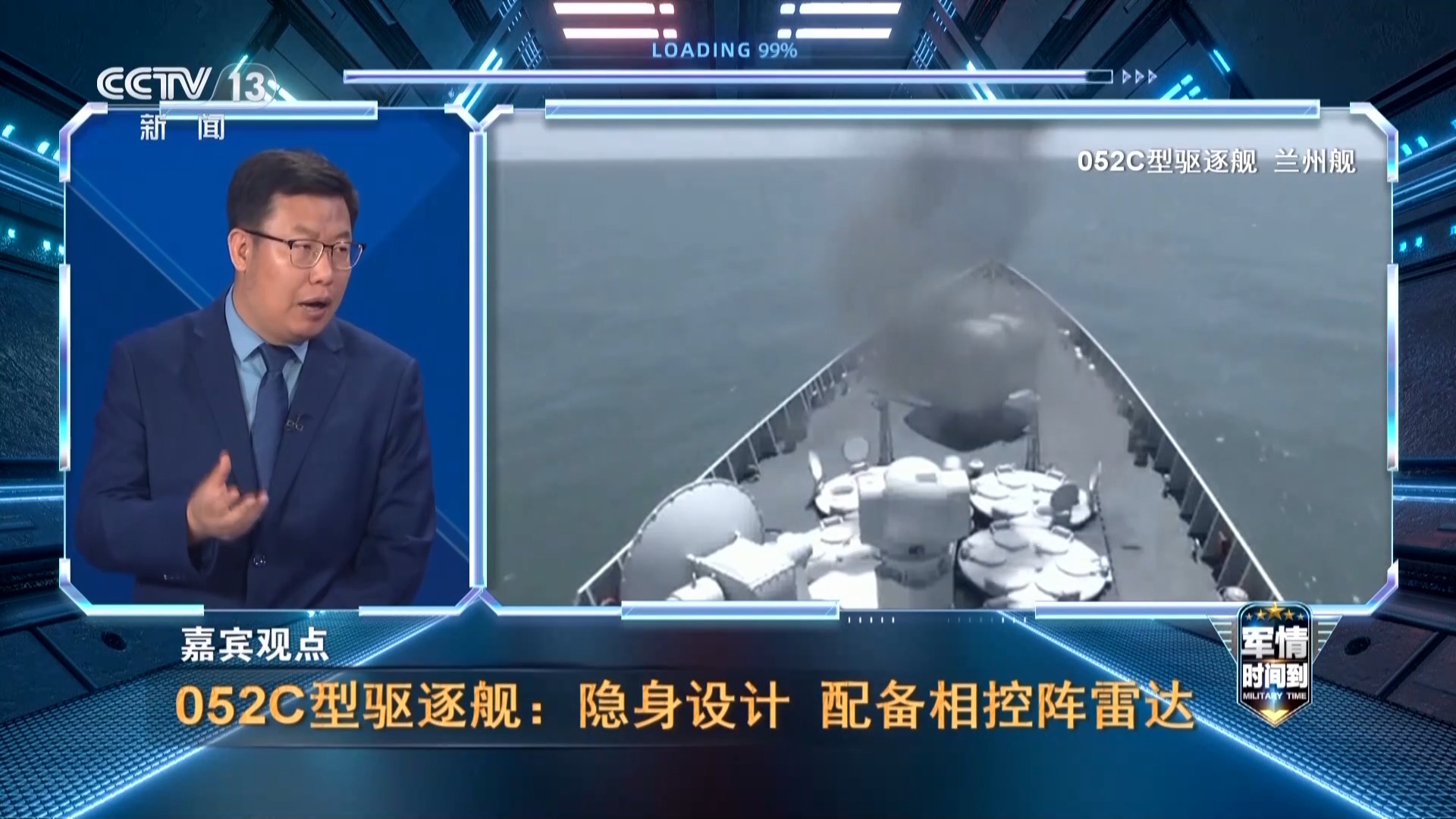
Military Observer Wei Dongxu: The 052-class destroyers have kept pace with the design concepts and development trends of advanced destroyers worldwide. By the time of the 052B-class destroyer, the performance of the ship-to-air missiles was further enhanced, providing a certain degree of small area air defense capability. The 052C-class destroyer achieved overall stealth, equipped with a large phased array radar, and the forward deck was equipped with a missile vertical launch system, giving us this area air defense capability. By the time of the 052D-class destroyer, the stealth effect was more pronounced, the radar was more advanced, and the vertical launch system on the forward deck could launch more types of missiles, and it is continuously improving, making steady progress.
Question 2: What is the positioning of the 052 series destroyers? How do they work with the 055 and 054?
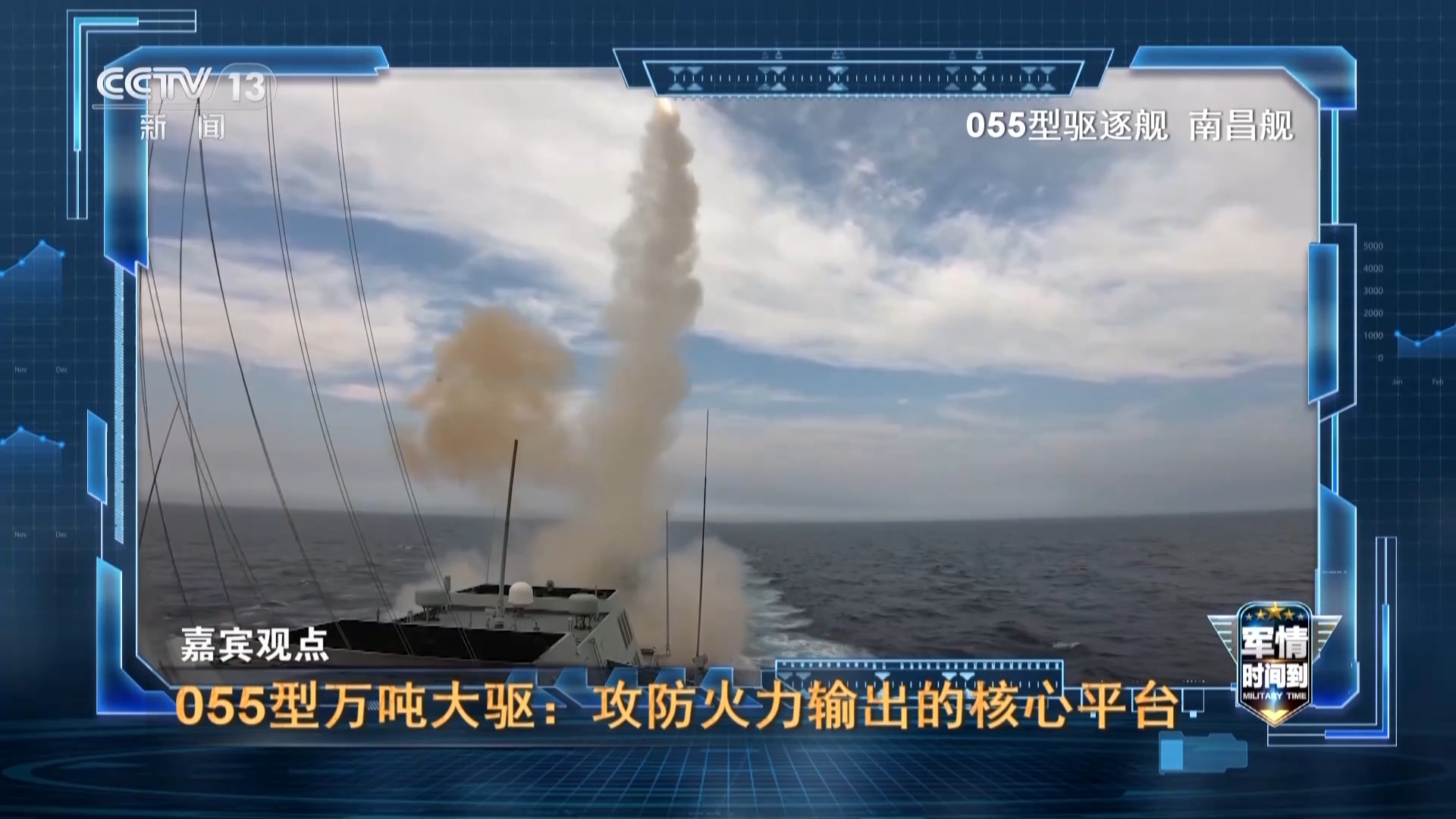
Military Observer Wei Dongxu: The 055-class large destroyer, at the 10,000-ton level, is the core platform for offensive and defensive firepower output, equipped with about 100 universal missile vertical launch units, capable of launching various types of long-range shipborne air defense missiles, anti-ship missiles, and even hypersonic missiles. The 052D-class destroyer, I believe, achieves a balance in performance, combat capability, and cost; its displacement is not that large, but it is sufficient for use, primarily executing air defense operations within the aircraft carrier group while also being capable of anti-submarine and anti-ship operations. The 054A-class or 054B-class frigates have further controlled costs. Therefore, when executing anti-submarine missions, they will play a very important role.
From the 055 to the 052D, and then to the 054 series of frigates, it reflects that we can operate independently in equipment construction while also forming an integrated maritime combat system.
Question 3: Will the 052 develop into 052E and 052F in the future?
Military Observer Wei Dongxu: I believe that 052E and 052F are both worth looking forward to, as many new threats and challenges have emerged in the modern maritime combat environment. For example, drones capable of attacking surface warships may become new adversaries for surface vessels in future air defense and anti-missile operations. In the future, can our 052D-class destroyers further enhance their radar performance, specifically targeting low-altitude small targets or small targets at sea for detection and identification? We can choose to use close-in rapid-fire guns for concentrated fire strikes or install shipborne laser cannons to intercept small aerial and maritime targets with different combinations of firepower. The naval version, shipborne version, and anti-submarine version of the Z-20 may also appear on the extended flight deck of the 052D destroyer in the future, significantly enhancing the comprehensive combat capabilities of the 052D.
Carrier-based aviation units give aircraft carriers
the wings to take off and soar
If the expansion and upgrade of the destroyer fleet has solidified the foundation for the navy's move into the far sea, then the establishment of the carrier-based aviation unit has provided a powerful pair of wings for the aircraft carriers to take off.
On May 10, 2013, the first carrier-based aviation unit of the navy was officially formed on the shores of the Bohai Bay, adding a new type of main battle force to the combat sequence of the People's Navy, marking a new phase in the combat capability construction of China's aircraft carrier fleet.
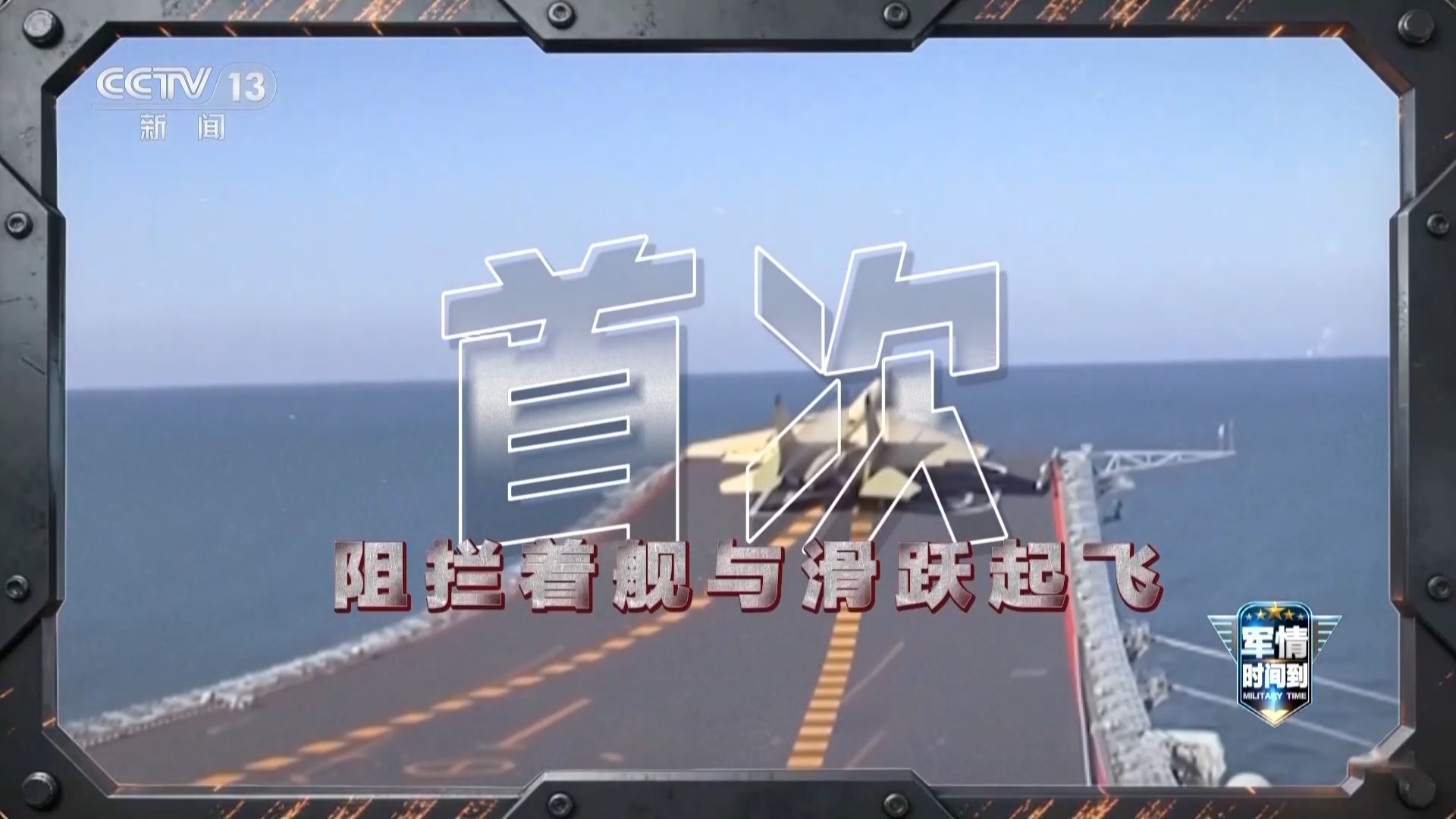
Since its establishment in February 2011, this unit has been building, testing, and training, with the J-15 "Flying Shark" carrier-based fighter as its core equipment, gradually establishing a complete training and combat system. On November 23, 2012, the J-15 carrier-based aircraft completed its first arrested landing and ski-jump takeoff on the Liaoning, achieving a breakthrough in the zero landings of Chinese carrier-based aircraft. Subsequently, they also successively broke through key technologies such as night landings and takeoffs in complex sea conditions.
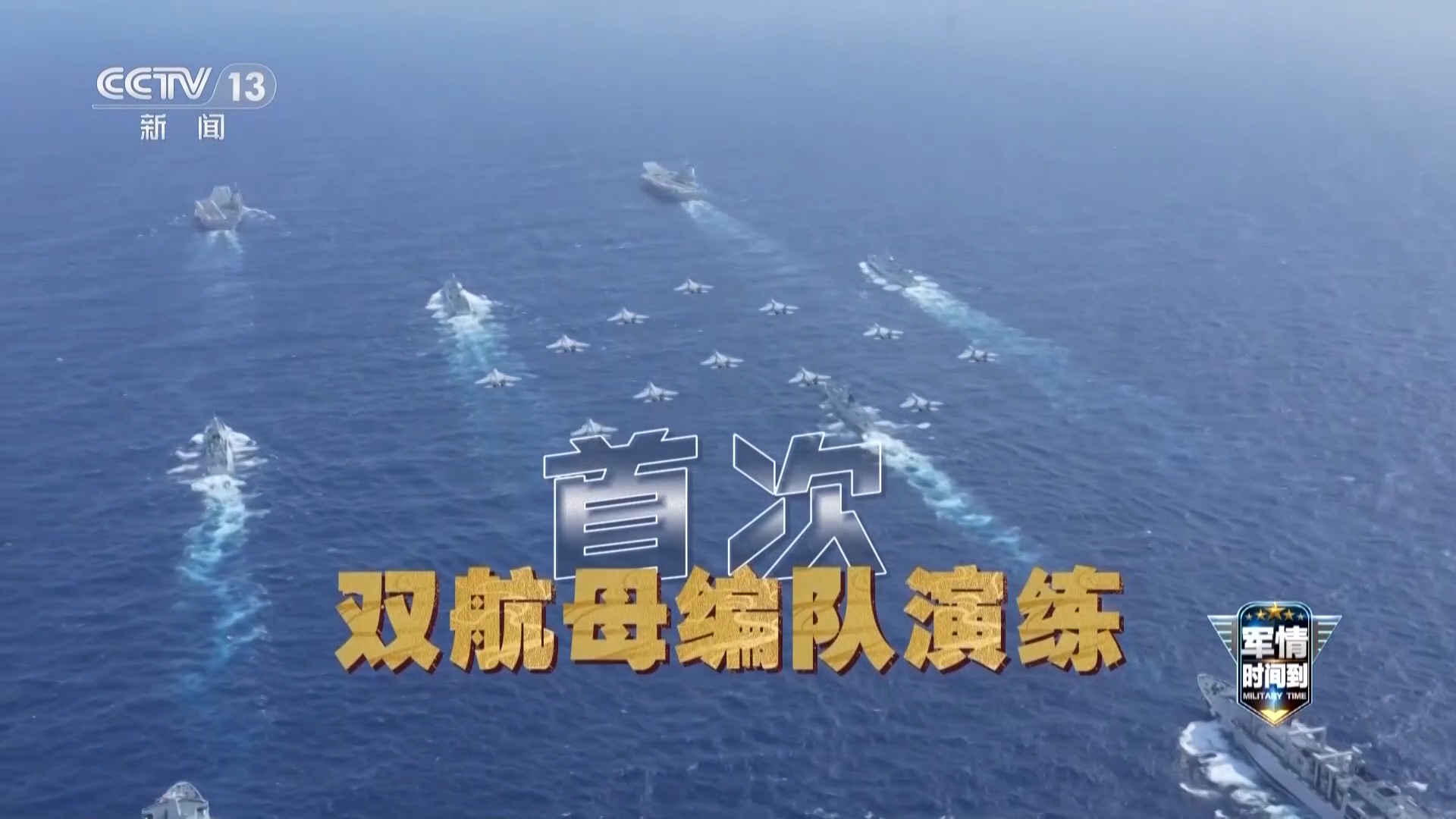
In 2019, with the commissioning of the aircraft carrier Shandong, the second carrier-based aviation unit was officially formed. In 2023, the J-15, along with the Shandong aircraft carrier group, trained in the western Pacific Ocean. In October 2024, the Liaoning and Shandong carrier groups, along with the J-15, will conduct their first dual aircraft carrier group exercises in a certain area of the South China Sea.
Over the course of more than a decade, the carrier-based aircraft system has also achieved iterative leaps. The catapult version of the J-15T fighter has optimized its structure and avionics, allowing it to take off with full fuel and armament, enhancing its strike capabilities against both sea and land targets; the J-35, as our country's new generation stealth carrier-based fighter, undertakes air superiority and penetration missions, serving as the core equipment for the navy's far-sea defense operations; the KJ-600, as our country's first carrier-based fixed-wing early warning aircraft, possesses long-range early warning detection and command guidance capabilities.
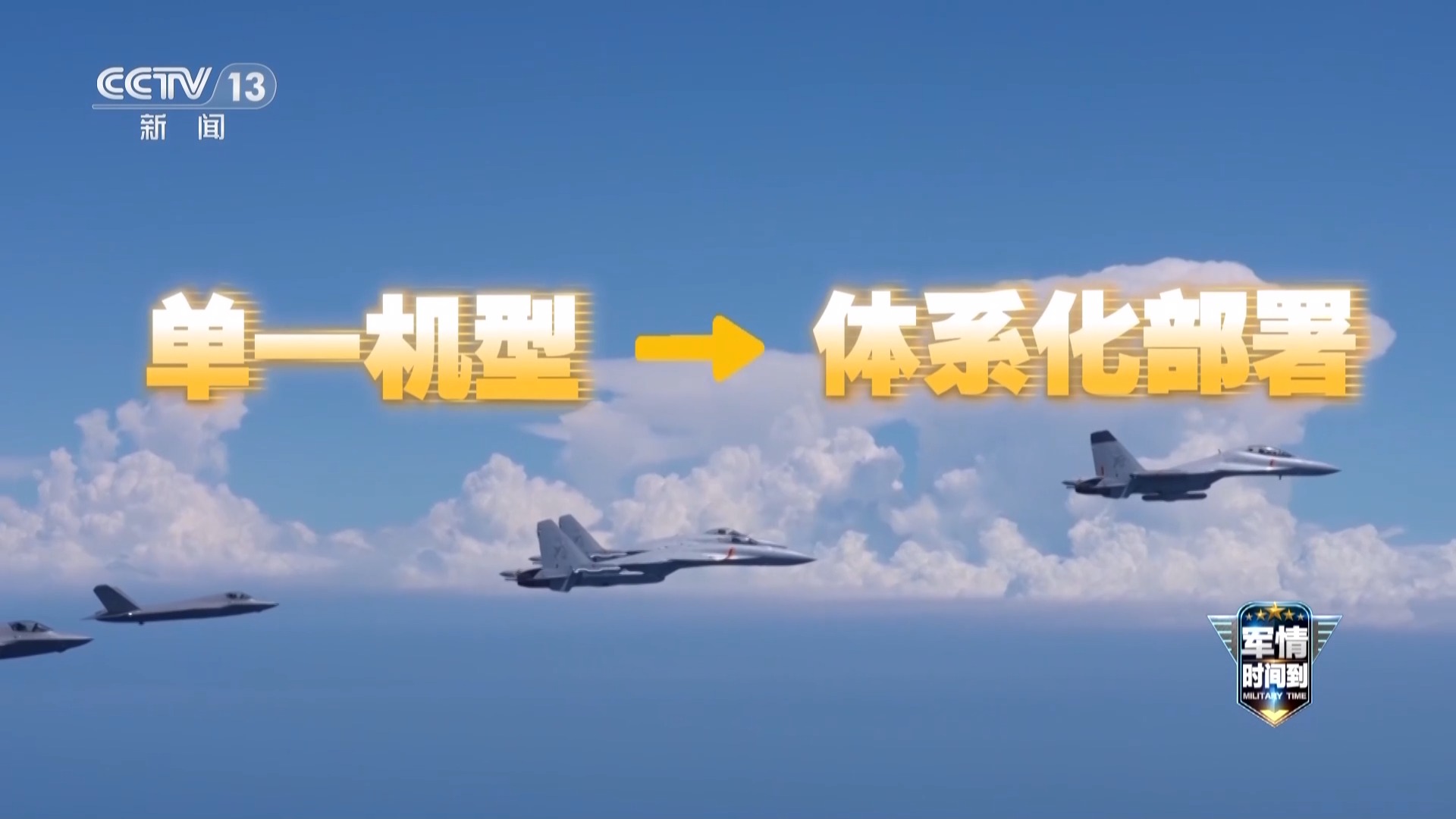
In September 2025, the J-15T, J-35, and KJ-600 carrier-based aircraft successfully completed catapult takeoff and landing training on the Fujian aircraft carrier, verifying the adaptability of the electromagnetic catapult system to multiple types of carrier-based aircraft, marking a historic leap in our aircraft carrier capabilities from ski-jump to catapult, and from a single aircraft type to a systematic deployment, providing strong support for the navy's strategic transformation.
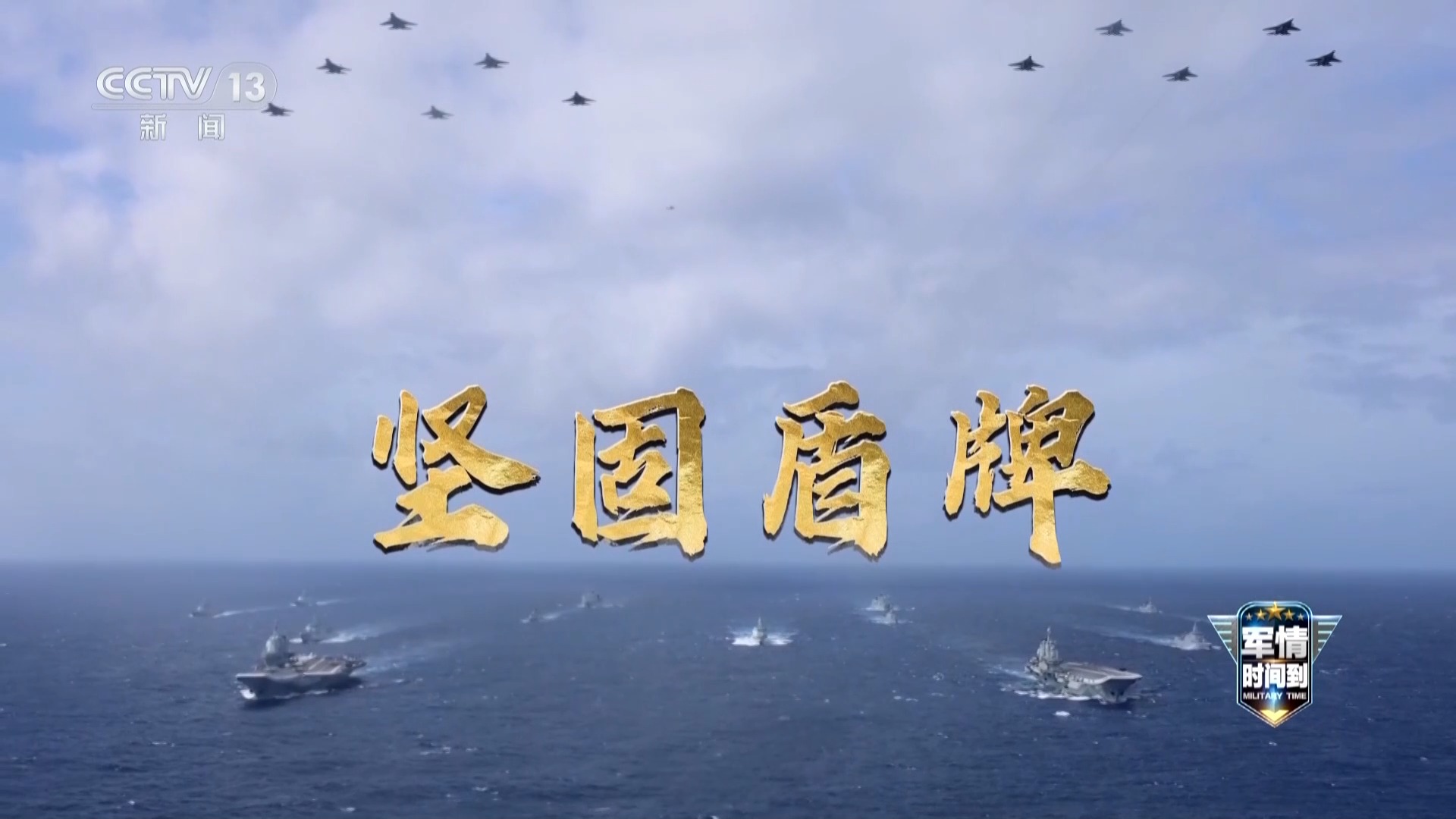
In recent years, the trajectory of the navy's carrier-based aviation units has extended from near seas to the open ocean, successfully completing tasks such as combat patrols, air-sea vigilance, and major exercises during significant military operations in the far sea, building a solid shield over the skies of the motherland.
Question 4: Are the carrier-based aircraft units paired one-to-one with the aircraft carriers?

Military Observer Wei Dongxu: When we take the first step, the carrier-based aircraft units and aircraft carriers are certainly paired one-to-one. In the subsequent second step, we have both the Liaoning and the Shandong, and these two aircraft carriers have a high degree of similarity in design philosophy, allowing the carrier-based aircraft units to rotate during training missions. Now we have completed the third step, possessing the Fujian aircraft carrier equipped with an electromagnetic catapult, and the carrier-based aircraft have also been upgraded to the J-15T and J-15DT models, which can train on both ski-jump carriers and catapult carriers. Therefore, in the future, our carrier-based pilots will have a stronger adaptability to multi-carrier missions.
Question 5: How can different aircraft carriers' carrier-based aircraft efficiently coordinate and cooperate?
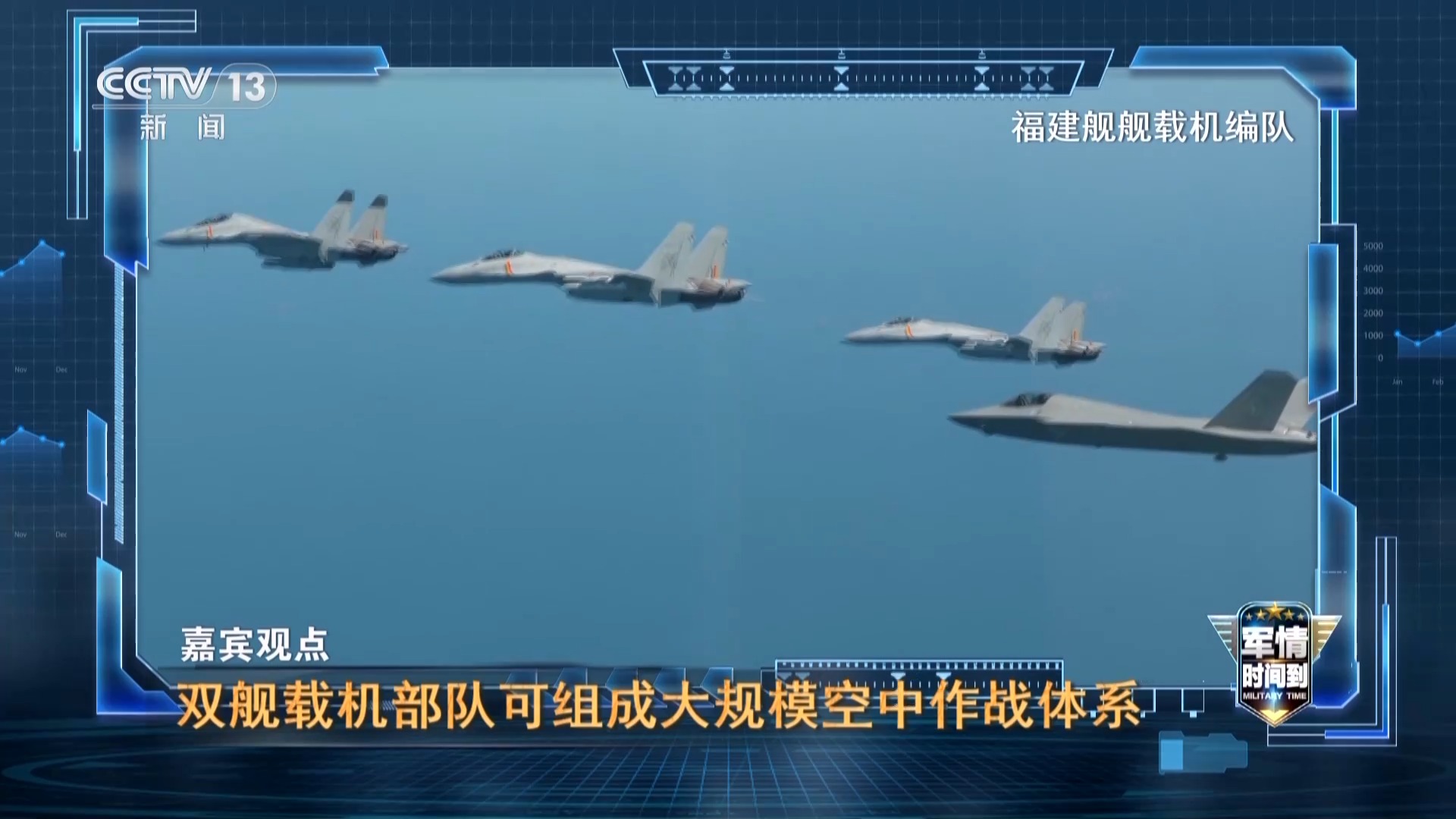
Military Observer Wei Dongxu: Two aircraft carriers of the same type form a dual aircraft carrier group, and the carrier-based aircraft pilots taking off and landing on the other aircraft carrier will not have significant differences. However, if a ski-jump carrier and a catapult carrier form a dual aircraft carrier group, they first need to adapt to the catapult, which requires certain adaptive training to complete different modes of takeoff on different aircraft carrier flight decks.
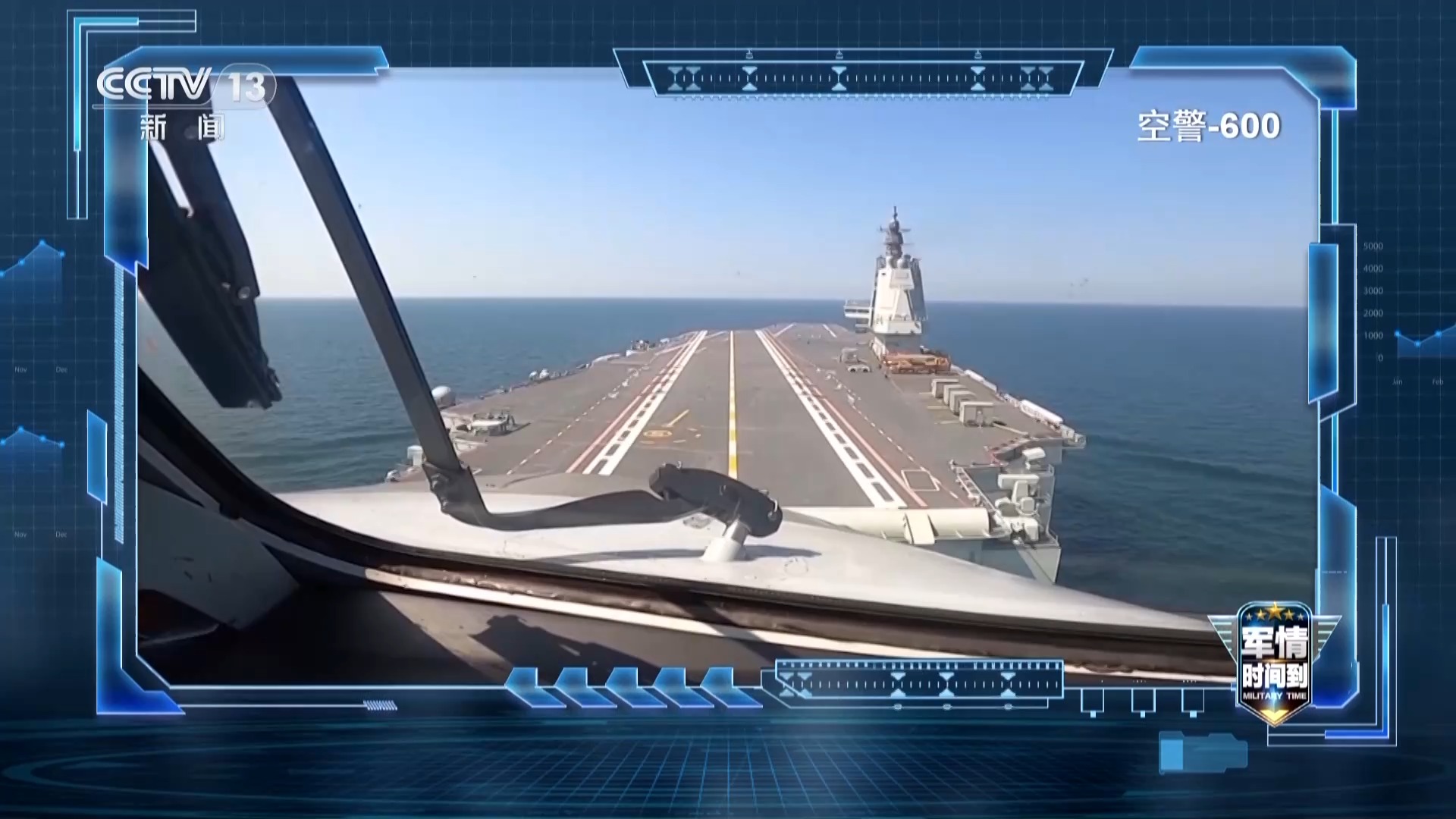
However, the supply of fuel and ammunition should be universal, and in the future, we will have more flexible options. The carrier-based aircraft units on both aircraft carriers can form a larger-scale aerial combat system, and in a joint combat system, if there is a catapult carrier, our KJ-600 can provide better situational awareness in the air and better information sharing. Therefore, our command systems and data links are interconnected, allowing for more forces to be used jointly, enhancing our winning capabilities on the battlefield.
Question 6: What developments can we expect for electromagnetic catapult carrier-based aircraft in the future?
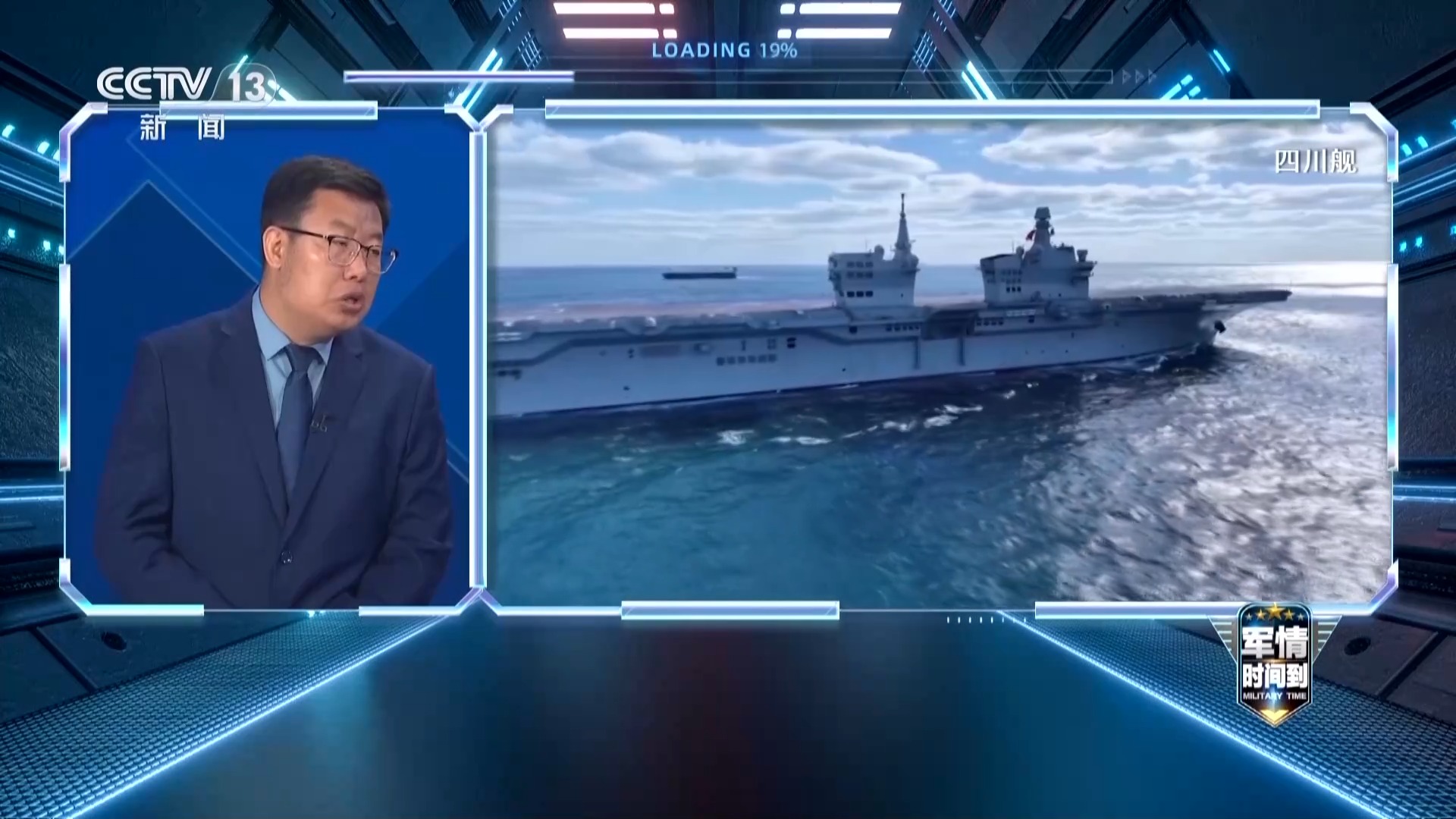
Military Observer Wei Dongxu: In the future, catapult carrier-based aircraft will first need to further optimize their stealth capabilities, allowing them to fly further. Their capabilities for air combat, maritime operations, and targeting island objectives will also be enhanced. Additionally, we will see more carrier-based drones capable of catapult takeoff, which can not only conduct reconnaissance and electronic jamming tasks but also possess strong firepower strike capabilities. The People's Navy uses these large amphibious assault ships not only as platforms for power projection in the open sea but also as conventional powered medium aircraft carriers, which can match new types of carrier-based drones for these large amphibious assault ships equipped with catapults. In island combat mission environments, during the process of projecting forces, they can have very advanced reconnaissance platforms and fire support platforms, better ensuring the completion of island combat and amphibious landing operations.
The growth history of the heavy stealth fighter J-20
The development of carrier-based aircraft has propelled the combat power of the People's Navy to a leap, while the J-20's deployment at sea signifies that top-tier air combat power is beginning to undergo deep tactical integration and system fusion with maritime combat forces.
The J-20 is a heavy stealth fighter independently developed by our country, officially joining the air force combat sequence on March 9, 2017.
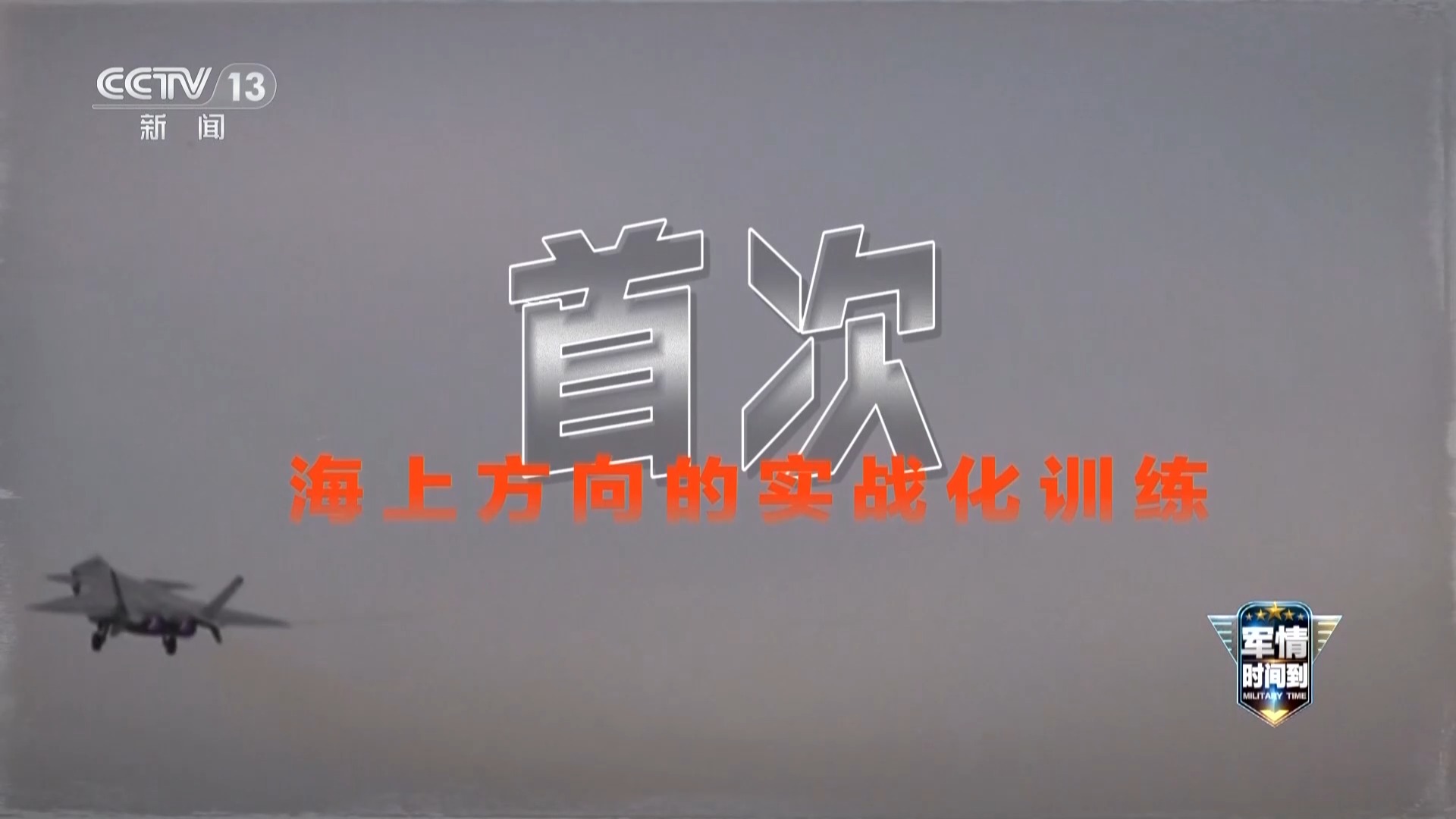
On May 9, 2018, the J-20 conducted its first real combat training in the maritime direction, which is also an important symbol of the People's Air Force's new combat capabilities expanding into the far sea.
Since the first maritime practical training was launched, the J-20 has continuously conducted real combat training in complex maritime and aerial environments, flying over the Bashi Channel and Tsushima Strait, regularly executing combat readiness patrol tasks in the East China Sea Air Defense Identification Zone, constantly honing its core capabilities in far-sea air superiority, stealth penetration, and cross-domain joint command in real combat environments. In addition, the J-20 has also dealt with air situations and driven away foreign aircraft in accordance with the law and regulations multiple times in far-sea airspace, effectively maintaining air order and national air defense security.
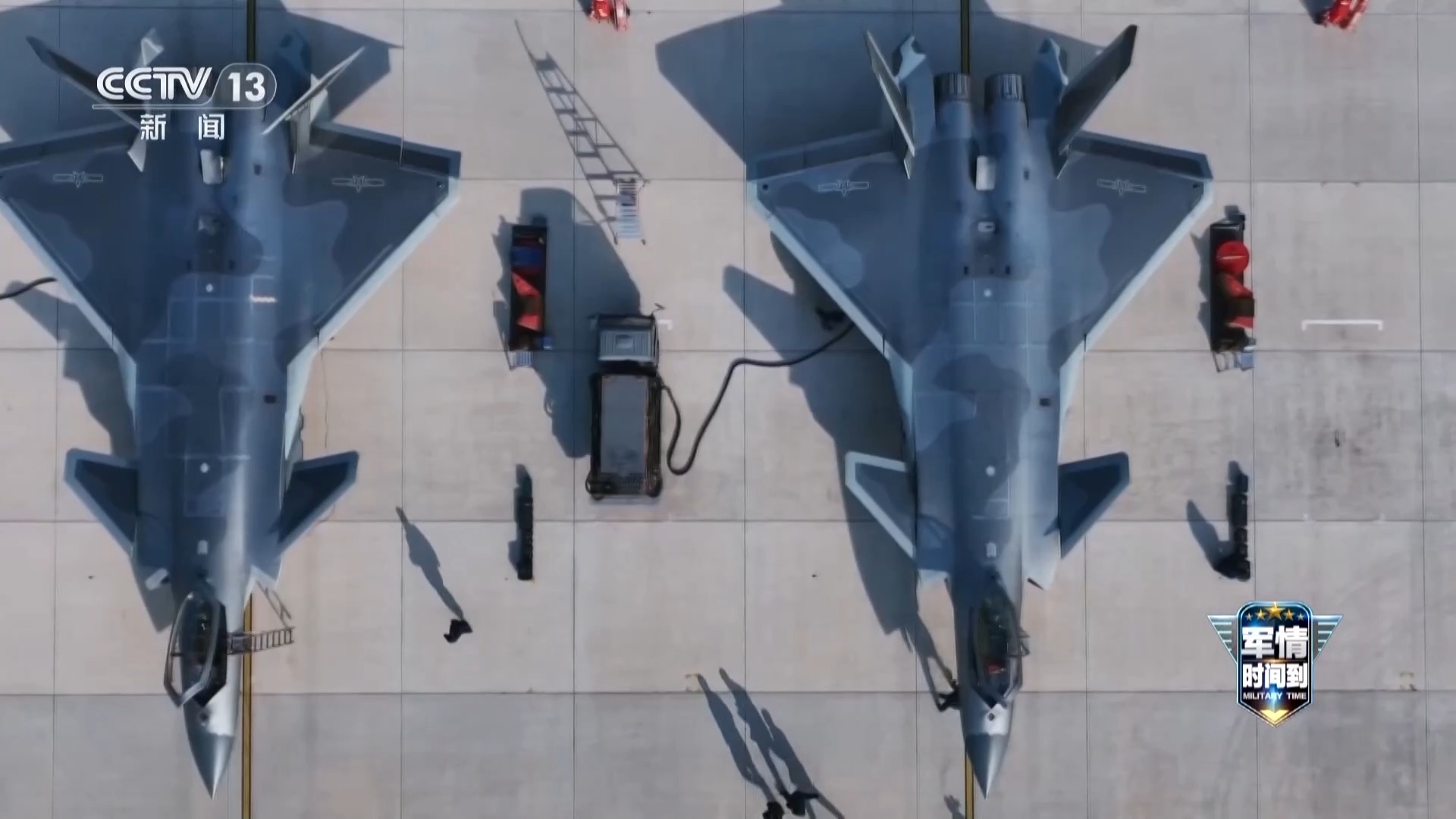
At the same time, the J-20 has also conducted system collaborative training with various types of aircraft in maritime directions, gradually enhancing its capabilities in far-sea air superiority, stealth penetration, and joint command.
From the initial training in near seas to far-sea combat patrols, a series of systematic and normalized far-sea real combat training tasks have comprehensively tested and enhanced the J-20's long-range mobility, sustained combat, and system integration capabilities, further strengthening our aerospace forces' defense operations and strategic deterrence levels in maritime directions.
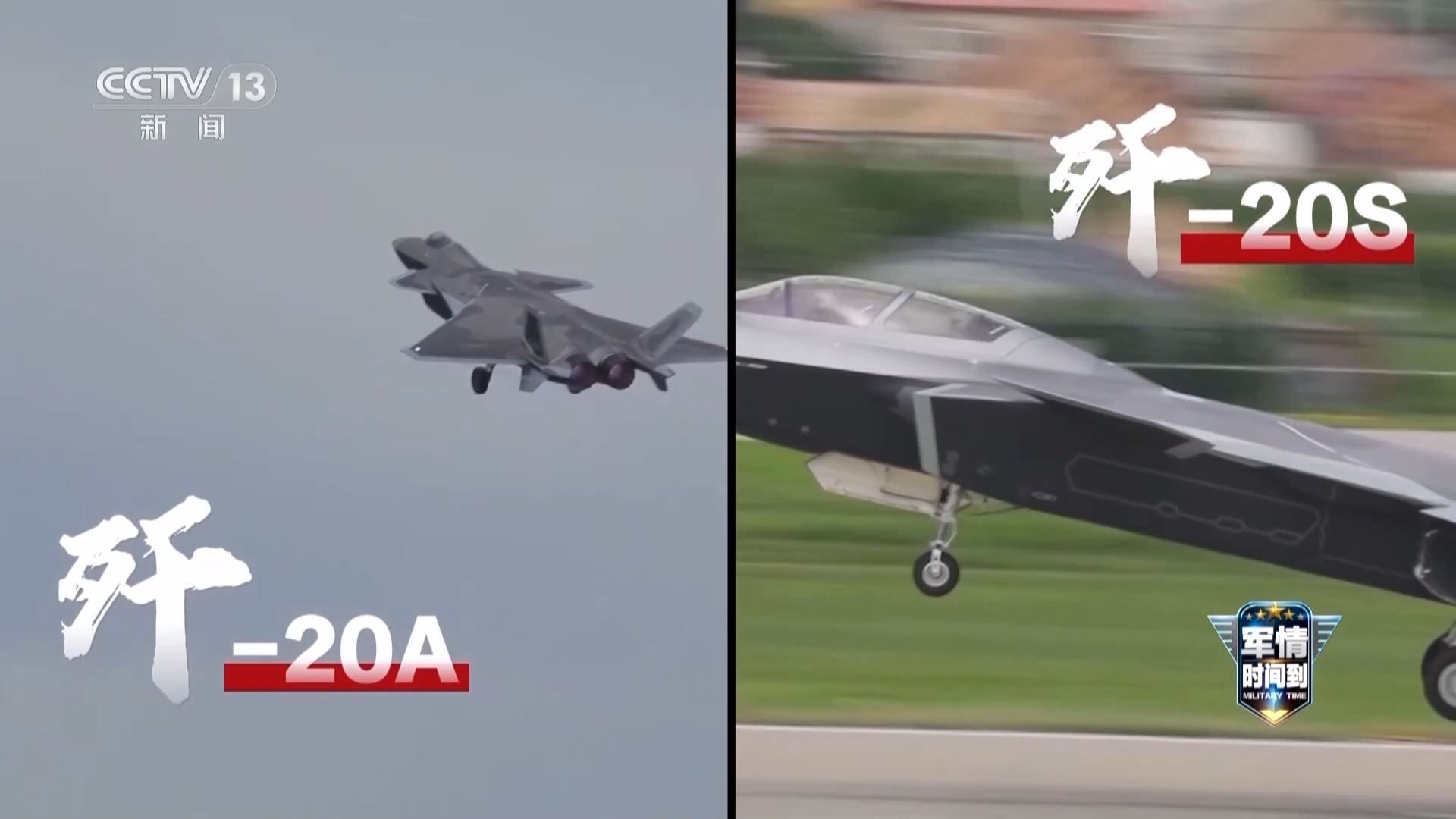
On September 3, 2025, the J-20 family welcomed two new members, the J-20A and J-20S. The J-20A is an upgraded version of the J-20, and from its appearance, one can see a bulge at the rear of the cockpit cover, hence it is also referred to as the "thick-neck" version of the J-20. The J-20S is the two-seat version of the J-20, and it is also the world's first two-seat stealth fighter.
From a single-seat pioneer to a family formation, the continuously evolving J-20 has become a crucial national asset and strategic backbone in defending national sovereignty and safeguarding maritime peace.
Question 7: What are the differences between the J-20's maritime combat training and training over land?
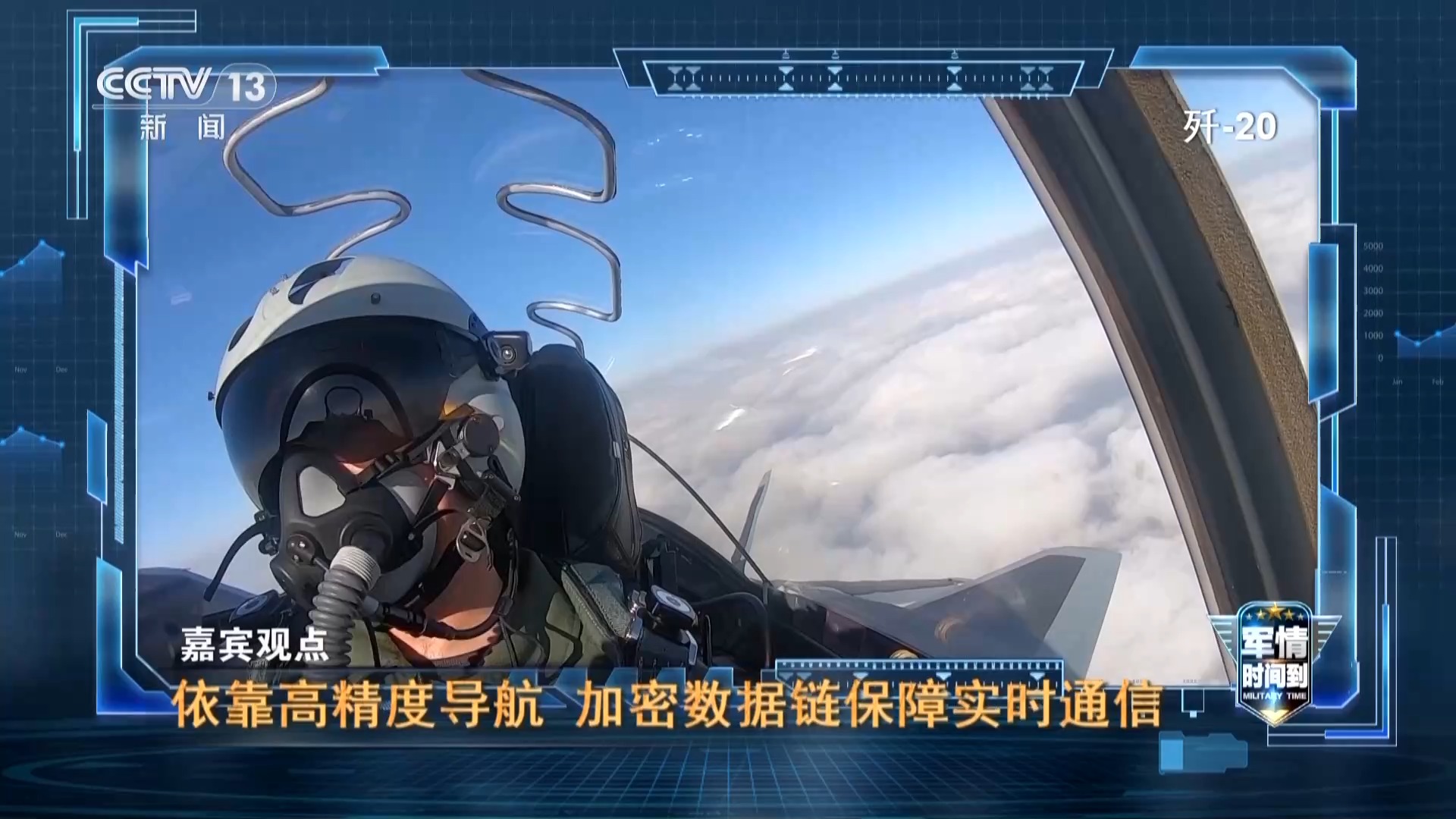
Military Observer Wei Dongxu: The airspace corresponding to the maritime area and the ground is completely different; there are no reference points on the sea surface, and you fly very far. You need to know where you are, where the training area is, or where the hypothetical target is, which requires more advanced navigation systems and positioning equipment. Additionally, through encrypted data links and communication systems, real-time information contact with other command platforms or rear command centers is necessary, which poses high technical requirements.
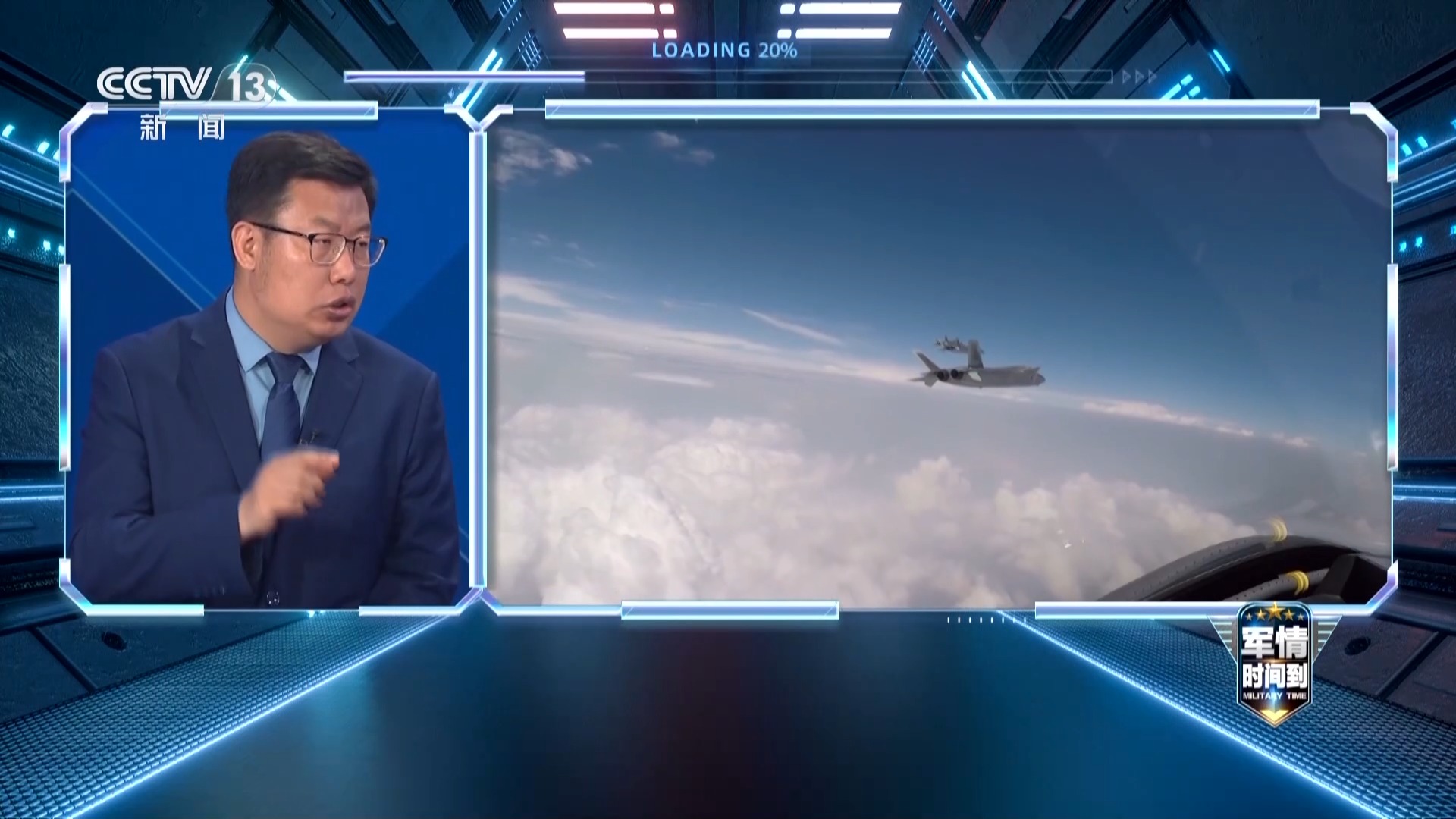
If it is to detect, identify, or simulate attacks on maritime targets, it requires the stealth fighter's radar to filter out the clutter generated by waves on the sea surface, firmly locking onto such targets, and guiding the precision-guided munitions in the internal weapons bay for accurate destruction and bombing.
Question 8: In integrated air-sea warfare, can the Air Force's J-20 and the Navy's carrier-based aircraft cooperate in combat?
Military Observer Wei Dongxu: If the J-20 and the J-35 on the aircraft carrier are paired and combined, it becomes the strongest dual sword combination in the air-sea combat system. Both are stealth platforms, and they can form a joint stealth aerial combat group for integrated air-sea operations. The J-20 may be more suitable for providing cover for the J-35 when it conducts bombings on maritime targets, leveraging its technical advantages, thus combining their strengths to achieve victory.
Question 9: What are the main changes in the J-20A as a deep improvement version of the J-20?
Military Observer Wei Dongxu: First, the front structure of the J-20A's fuselage has become sturdier, the radar size should be enlarged, allowing for longer detection ranges and stronger target processing capabilities, and it should also be equipped with improved electronic warfare equipment. This way, in complex electromagnetic environments, it can conduct soft kills against adversaries while ensuring smooth communication. Through the thickening or enlarging of the fuselage structure, it can also allow for larger internal fuel tank capacity, enabling it to carry more aviation fuel and fly further.
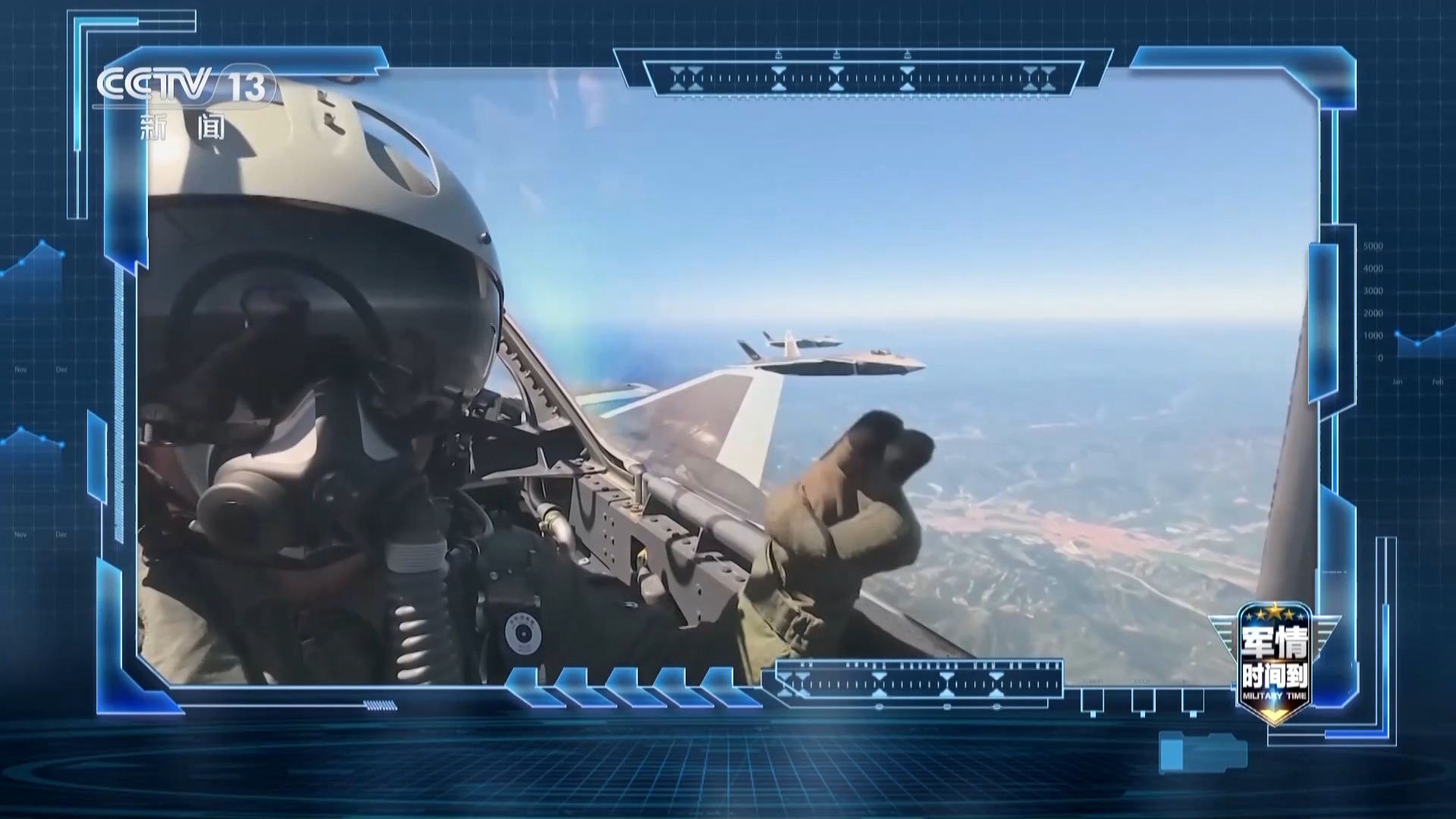
Previously, we said that the main combat mission of the J-20 was to gain air superiority, but now it may also possess certain tactical command capabilities. For example, the J-20S, due to its longer fuselage, may be equipped with different radars or more advanced communication devices, allowing it to play a command role as a member of the J-20 formation, better integrating first-hand information and issuing temporary tactical orders. Thus, it can serve both as a combat platform and a tactical command platform.
The People's Liberation Army Navy has made significant advancements in naval capabilities, transitioning from near-seas to deep blue operations. Key milestones include the establishment of the first carrier-based aviation unit in 2013 and the operational training of the J-20 stealth fighter in maritime environments. Recent exercises in the South China Sea and Bohai Bay demonstrate the integration of new naval equipment and enhanced operational readiness.
- The J-20 conducted its first maritime operational training on May 9, 2018.
- The first aircraft carrier-based aviation unit was established on May 10, 2013.
- The 055 destroyer class has reached double-digit numbers in service.