
Eight Iranian Missiles on Jordan After Larak Strike Reveal THAAD and Patriot Limits in the Gulf 2026
 Ahmed Al-Rashid
Eight Iranian Missiles on Jordan After Larak Strike Reveal THAAD and Patriot Limits in the Gulf 2026
When U.S. sources announced on August 30 that their forces struck two Iranian platforms on Larak Island at the entrance to the Strait of Hormuz, the event was not merely a limited tactical strike. Just hours later, Iranian media reported that Tehran responded to two U.S. bases in Jordan, while other reports mentioned claims of targeting a site in the UAE before Abu Dhabi denied it. In my view, this small-scale round, significant in meaning, served as a reminder of a truth known to every military personnel who has served in the region: Gulf security is not determined by the number of batteries purchased, but by who decides when to fire, where, and for what political purpose.
What Happened Around Larak in Recent Hours
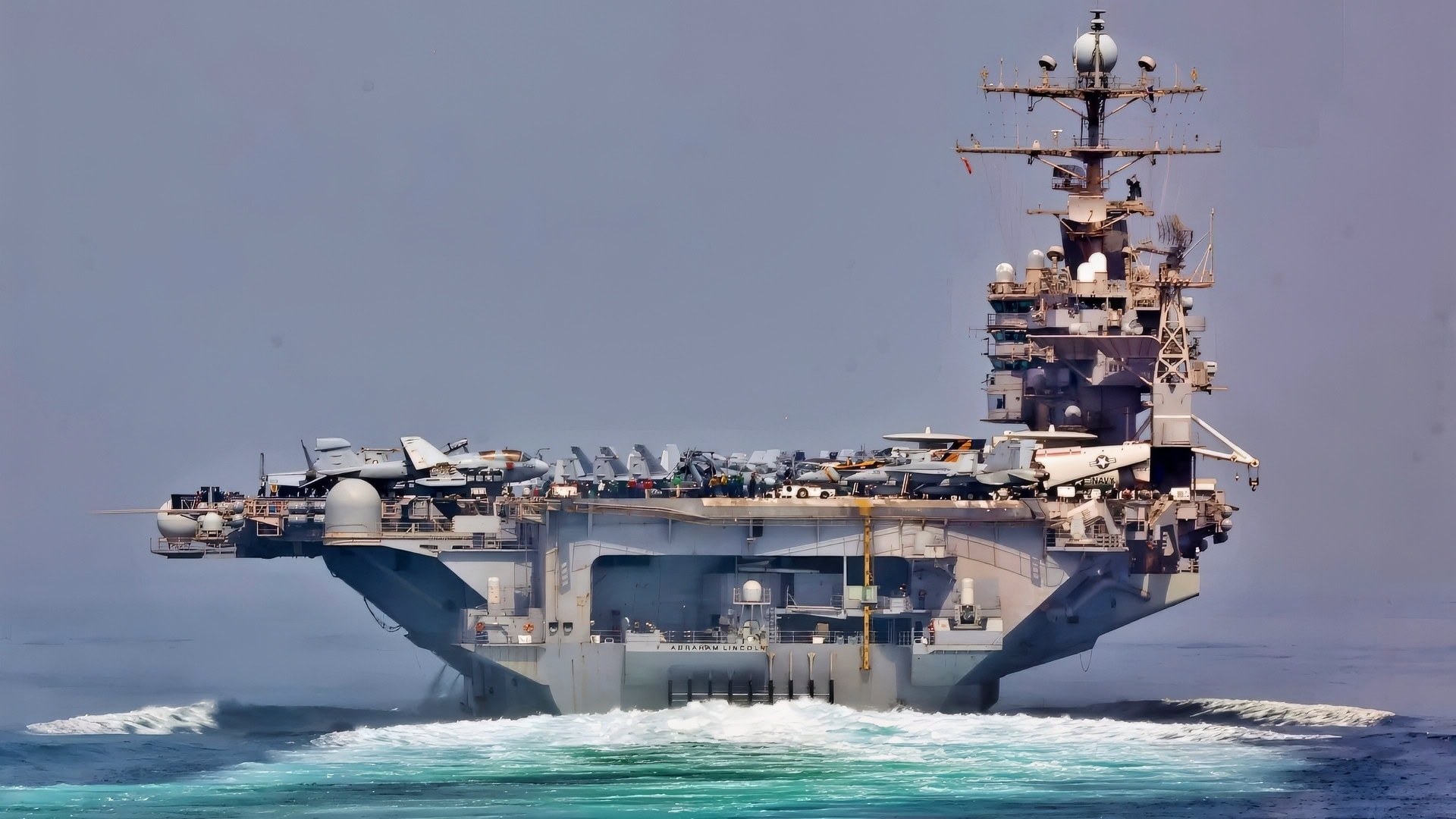
According to Reuters, U.S. forces targeted two Iranian platforms on Larak Island in the first known U.S. military action against Iran since late July. The National reported that a U.S. official stated that the Revolutionary Guard was preparing to launch missiles carrying naval mines towards the strait, which explains why Washington chose a seemingly small but practically sensitive target. Larak is not a marginal island; its location at the neck of Hormuz makes any missile or naval activity originating from it directly linked to maritime navigation and the global energy market.
The Iranian response, according to reports from Al Jazeera and other sources picked up by news summaries, came in the form of missiles towards U.S. sites in Jordan, with the Jordanian army announcing the interception of eight missiles over its territory. Here, we must pause at the most important detail: we are not talking about a comprehensive attack that immediately changes the balance of war, but rather a calculated exchange where each side wants to convey that it still has the ability to inflict pain without immediately slipping into an open battle. This is precisely the most dangerous type of engagement, as it gradually raises the tension level and makes political calculations more fragile.
Why Did Washington Choose Naval Mine Platforms Instead of Larger Targets?
From a military standpoint, choosing platforms associated with naval mines makes a lot of sense. Iran knows that completely closing Hormuz is neither easy nor sustainable, but it does not need a complete closure to disrupt the market. Threatening the passage, planting a limited number of mines, or suggesting the possibility of repeating that is enough to raise the cost of insurance and shipping, causing ship owners to hesitate. The National reported that Brent surpassed $90 a barrel after this exchange, also reminding that Hormuz carried about one-fifth of global energy exports before the war. This is the real Iranian weapon: not absolute control over the sea, but turning every passage into a costly risk.
As for the talk about Kharg Island, which Trump said was being destroyed without providing confirmed details, it adds another more sensitive dimension. The island handles about 90 percent of Iranian oil exports, with a loading capacity estimated at around 7 million barrels per day and a storage capacity of up to 30 million barrels according to figures provided by The National. Any serious threat to Kharg strikes at the heart of Iranian revenues, but it also raises the likelihood that Tehran will respond in the area it knows best: the straits, forward bases, and commercial shipping.
What Does This Round Say About THAAD and Patriot?
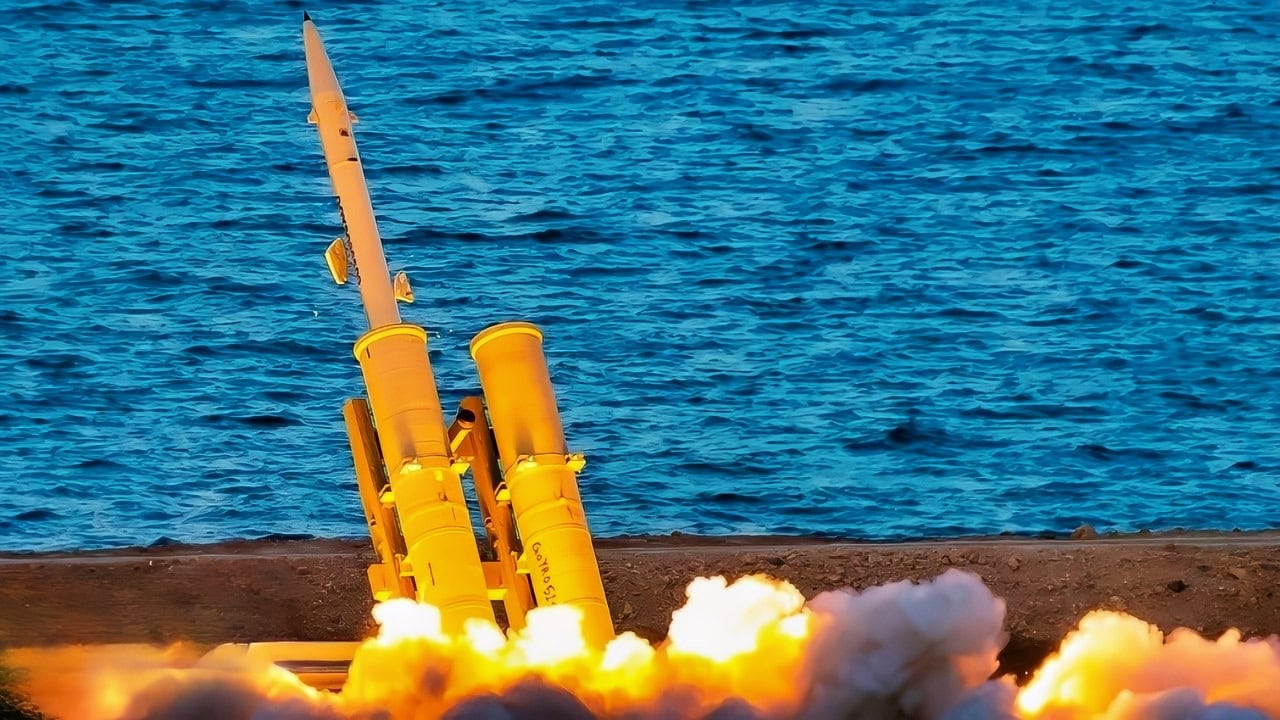
The real headline here is not just the number of missiles, but the limits of the Gulf defense philosophy itself. For years, the United States and its partners have sold the region a concept based on THAAD and Patriot systems and early warning networks being sufficient for deterrence. However, any military personnel in the region knows that these systems, no matter how advanced, address only one part of the capability triangle: equipment. Joint training, the speed of political decision-making, clarity of rules of engagement, and integration of command and control among Arab capitals have remained much less mature.
If Jordan intercepted eight missiles, that is an important tactical result, but it does not negate the larger question. Can defensive batteries alone prevent Iran from imposing the rhythm of the crisis? The answer so far is no. Iran is still capable of choosing the moment of escalation and combining missiles, mines, drones, and economic messages. Washington, on the other hand, remains the only entity capable of expanding the operational umbrella from sea to air to intelligence. This means that Gulf states still possess expensive tools, but they do not have full independence in their use when the moment becomes critical.
Jordan and the Gulf Between a Frontline and a Rear Area
Targeting Jordan has implications beyond geography. Tehran wanted to convey that any strike executed at Hormuz can be responded to deep within the U.S. regional network, not just at sea. Jordan is not a Gulf state, but it is part of the military and political structure surrounding both the Gulf theater and the Levant. This is a point often overlooked by much Western analysis that treats each theater as if it were separate. In reality, Iran views U.S. bases, corridors, and defense systems in the region as a single entity that can be pressured from multiple directions.
The conflicting reports about the UAE and then Abu Dhabi's denial of any targeting at Al Minhad illustrate another point: modern warfare is not conducted by fire alone, but also by fog. Just circulating news about a base in the UAE is enough to raise concerns in the market, aviation, and companies, even if it later turns out to be inaccurate. Therefore, deterrence here is as much informational and psychological as it is military. This is also a gap in the structure of Gulf security, as the regional economy is affected by combat rumors almost as much as by the strike itself.
What Does This Mean for the Balance of Power in September 2026?
As far as I know, this round alone does not indicate a full-scale war tomorrow morning, but it confirms that the fragile de-escalation phase has practically ended. Washington has returned to striking within the Iranian domain at a sensitive point related to navigation, and Tehran responded quickly to prove that its red lines have not evaporated. The result is not a victory for one side over the other, but a return of everyone to the equation of calculated attrition: limited strike, limited response, higher oil prices, and increased Gulf reliance on the American umbrella that it politically tries to show it has surpassed.
Here lies the paradox that will remain with us. The Gulf wants strategic independence, but when missiles approach Hormuz or Jordan, it immediately returns to the same old base: no one manages the maritime, aerial, and political battle simultaneously like the United States. THAAD and Patriot can be purchased, and alternative ports and pipelines can be expanded, but a complete sovereign decision cannot be bought as long as the security structure itself is imported. This is the contradiction that Larak reveals once again: possessing the weapon is one thing, and possessing the ability to use it within an independent regional system is something entirely different.
Iranian forces launched eight missiles at U.S. positions in Jordan on August 30, 2026, following U.S. strikes on Iranian platforms in the Gulf. The Jordanian military successfully intercepted the missiles. This exchange underscores the ongoing tensions and the strategic implications for regional security and oil markets.
- Iran launched 8 missiles at U.S. bases in Jordan on August 30, 2026.
- The Jordanian military intercepted the missiles over its territory.
- The U.S. had previously targeted Iranian positions on Larak Island.
- The incident highlights the limitations of THAAD and Patriot systems in the region.
- Oil prices rose above $90 per barrel following the missile exchange.