
"Europe's Next Generation Main Battle Tank 'Reborn'?"
[Global Times Comprehensive Report] The European next-generation main battle tank project, a collaboration between Germany and France, seems to have been "revived." After French Chief of Staff Fabian Manthe announced on the 8th that Germany had decided to withdraw from the project, the defense ministers of Germany and France subsequently stated that this project, which is crucial for European autonomous defense, "is not over yet."
The European version of the "Politico" website reported on the 10th that French Defense Minister Sébastien Lecornu confirmed during a conversation with German Defense Minister Boris Pistorius near Bordeaux that the "Main Ground Combat System" (MGCS) project is not over, "it remains a cornerstone project for Franco-German cooperation in the field of land combat systems."
The two defense ministers specifically emphasized that the MGCS project has not been "terminated," aiming to quell the impact of previous remarks made by French Chief of Staff Fabian Manthe. Manthe had announced the day before at a hearing in the French National Assembly that Germany had withdrawn from the MGCS project. He also stated that from the French perspective, it is still necessary to maintain heavy combat equipment, that tank firepower remains useful, and that the development of future tanks must continue, including equipping them with fewer operators and utilizing artificial intelligence technology. The focus of cooperation between Germany and France will be on enhancing interoperability, collaborative combat mechanisms, automation technology, and robotics.
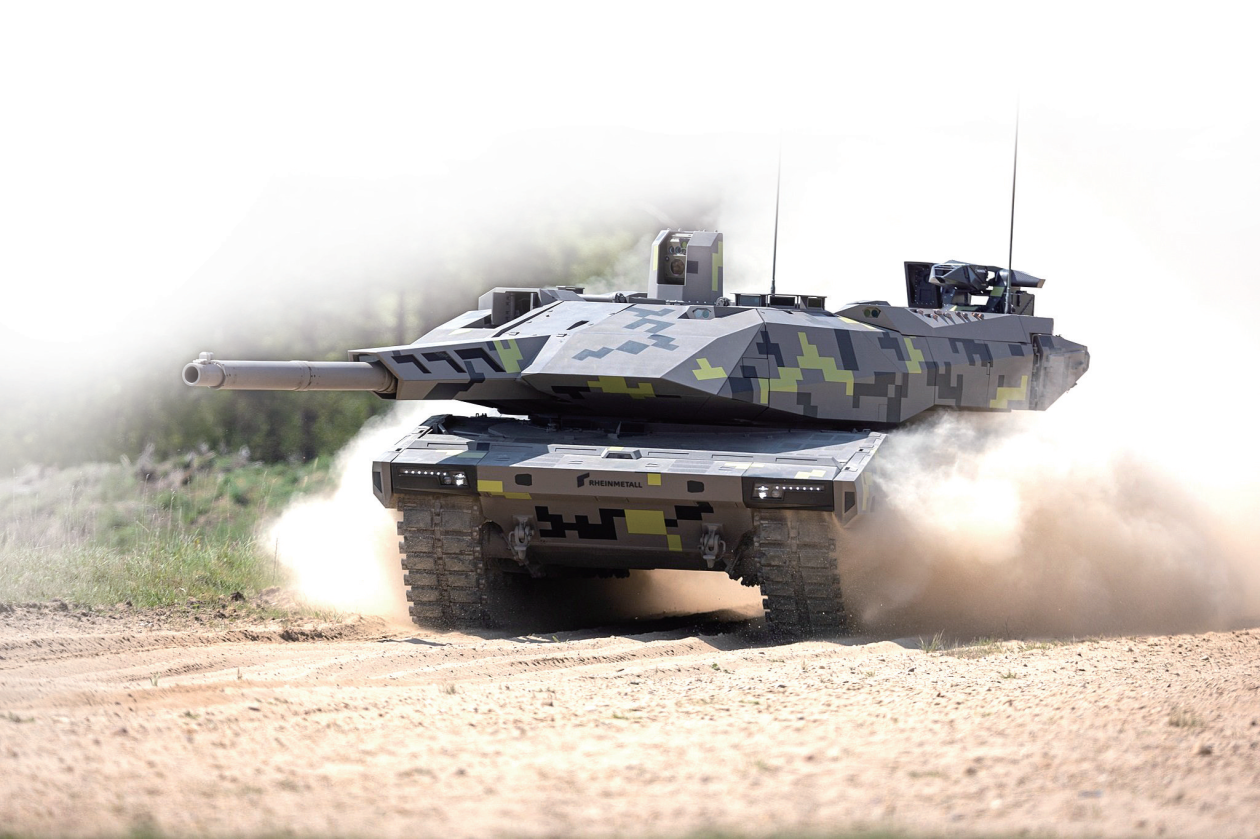
It is reported that Germany and France launched the MGCS project in 2017 to build a ground combat system centered around tanks, with plans to begin deployment in 2045, replacing the French "Leclerc" and the German "Leopard 2" main battle tanks. According to the plan, the new tank will incorporate the latest technologies used in the German Rheinmetall's "Panther" main battle tank and the French "Leclerc" XLR main battle tank.
However, Germany and France have long-standing disagreements over issues such as industrial division of labor, funding, technical routes (such as main gun caliber and tactical positioning), and leadership, which have led to stagnation of the overall project. A few months ago, for similar reasons, France and Germany decided to terminate the "Future Combat Air System" (FCAS) next-generation fighter project. This project also began in 2017, aiming to replace the French "Rafale" and the European "Typhoon" fighters.
These two projects are jointly positioned as the "cornerstones" of European strategic autonomy, so with the FCAS project already shelved, the MGCS project facing setbacks has led to a pessimistic outlook for European autonomous defense.
The European version of "Politico" stated that although the German and French defense ministers deny that the MGCS project has ended, the actual situation is not optimistic. Due to differences between the two sides, Germany and France have decided to each develop their own tank artillery systems first and then conduct comparative tests, which essentially contradicts the project's original intention to avoid redundant development. At the same time, both Germany and France have already initiated alternative plans, making it difficult to achieve the core goal of the MGCS project, which was intended to integrate the European tank industry, leaving it in a state of "existence without substance." (Chen Shan)
Germany and France reaffirmed their commitment to the Main Ground Combat System (MGCS) project during discussions near Bordeaux, despite earlier announcements of Germany's withdrawal. French and German defense ministers emphasized that the project remains crucial for European defense and has not been terminated. Ongoing disagreements over industrial roles and funding continue to challenge the project's progress, with both nations exploring alternative tank development options.
- Germany and France are collaborating on the MGCS project, which is vital for European defense.
- The project aims to replace existing tanks by 2045.
- There are ongoing disagreements regarding industrial roles and funding between Germany and France.
- Both nations have initiated alternative tank development plans, complicating the MGCS project's goals.
- The MGCS project is seen as a cornerstone of European strategic autonomy.