

After the collapse of the Future Combat Air System (FCAS), France is pursuing a sixth-generation aircraft on its own, though it still leaves the door open for other countries to join. Dassault Aviation is leading the development under the Avion de Combat du Futur (ACF) program.
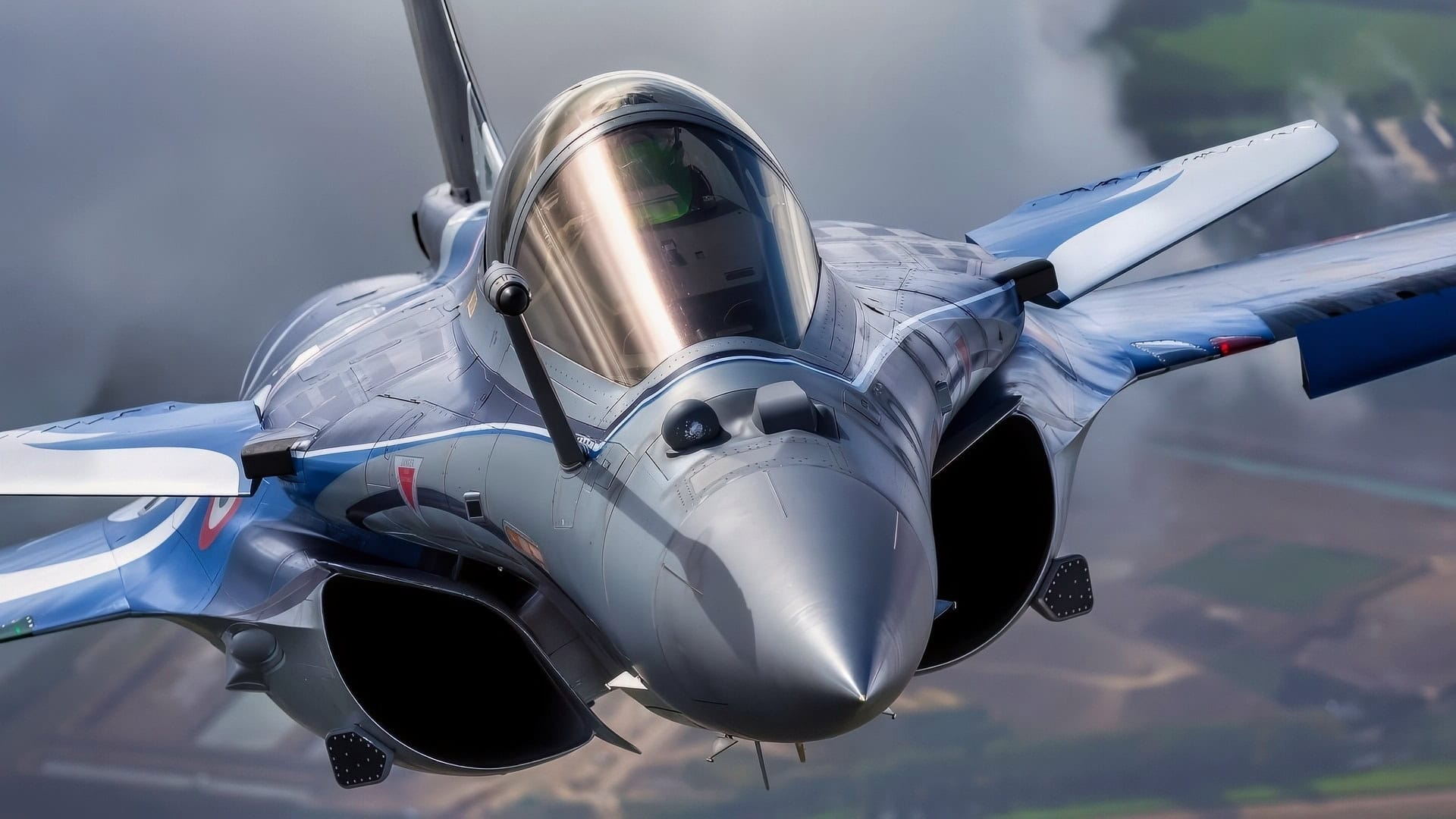
Dassault Rafale Fighter from France. Image Credit: Creative Commons.
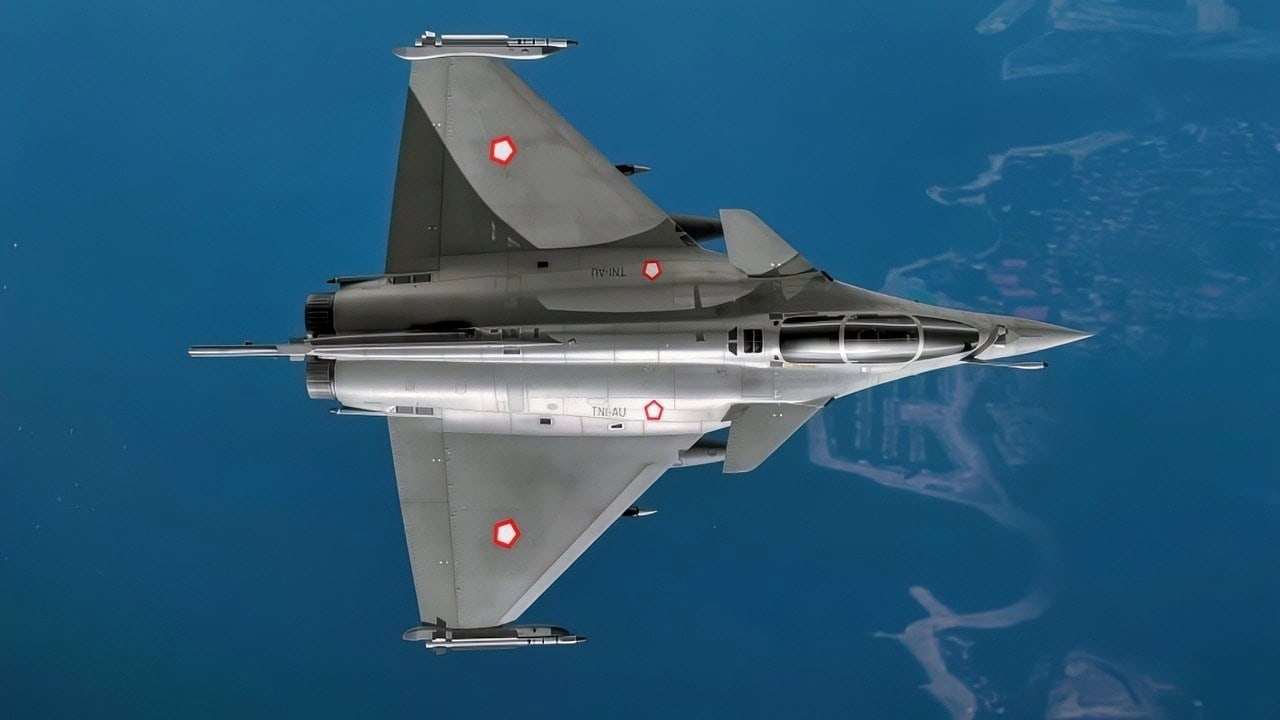
Dassault Rafale Overhead. Image Credit: Industry Handout.
The company’s CEO, Eric Trappier, is confident that the first demonstrator aircraft could take its first flight by 2031.
Although Dassault still has limited experience with stealth and fifth-generation technologies, the company hopes to leverage lessons learned from the ill-fated FCAS program.
Whether Paris can afford this ambitious endeavor remains to be seen.
Pursuing a Sixth-Generation Aircraft By Itself
France is currently anxious to fill the void left by the FCAS program.
French military and government officials have expressed support for the new ACF program, though the requirements have not yet been formalized.
The ACF program is currently French-only, although Paris would prefer to cut development costs with an international partner.
At the NBAA-BACE business aviation show in Las Vegas, Trappier spoke with FlightGlobal and lamented the time wasted on the FCAS program. “I’m really frustrated. We have been working for 10 years without flying anything,” he said. “Our engineers need to see a bird flying at our flight test center.” Under the FCAS program, Dassault pushed to produce a demonstrator for the manned New Generation Fighter (NGF).
However, Trappier continued that he is currently pushing to produce a working demonstrator under the ACF program by 2029 at the earliest. “If we start now or at the beginning of 2027, it could be flying in 2031.” Dassault has already commenced initial studies on the ACF project based on its likely requirements.
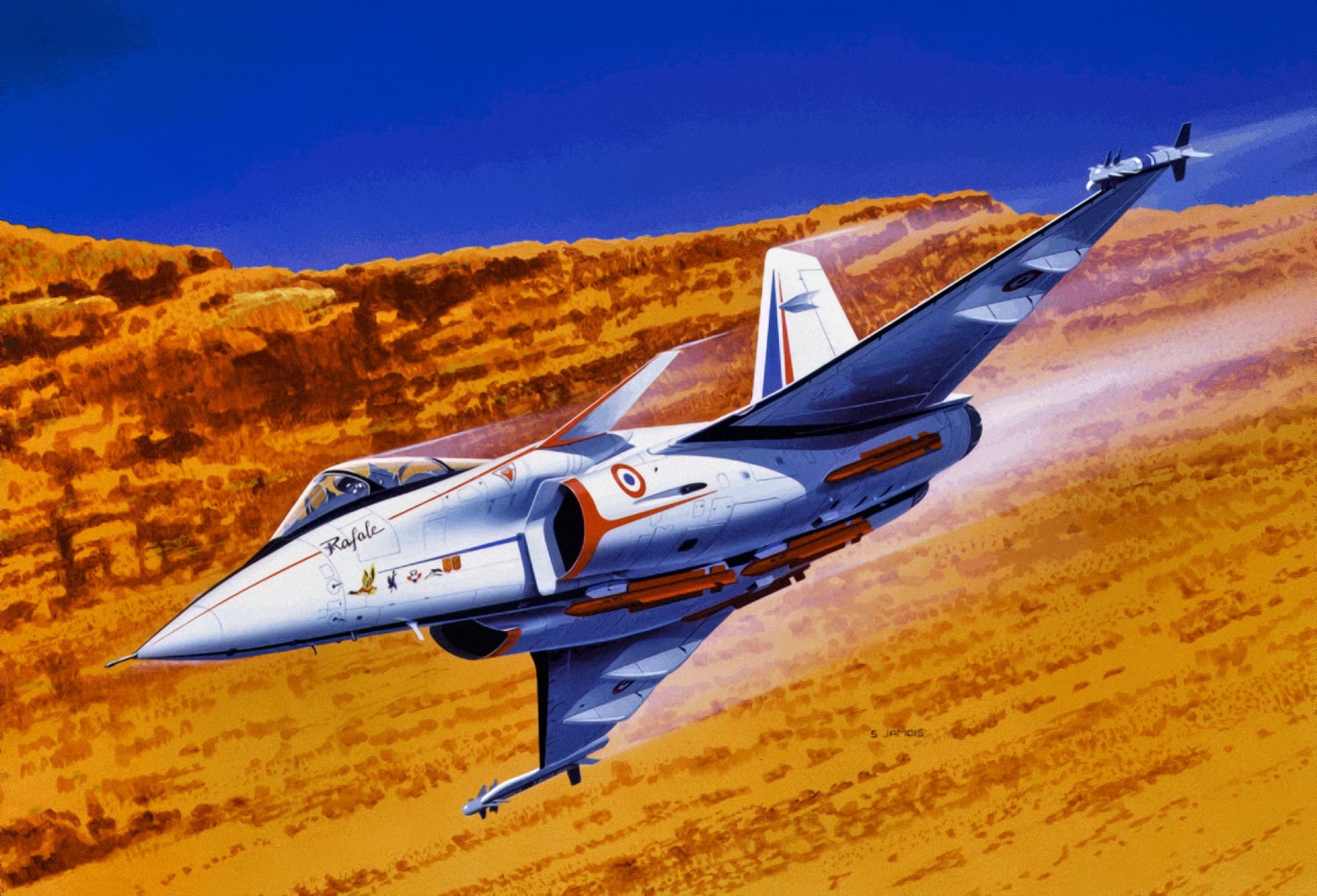
Dassault Rafale Artist Image. Image Credit: Creative Commons.
The sixth-generation fighter is expected to replace the Rafale in both Air Force and Navy service.
The ACF will likely operate aboard France’s next aircraft carrier, France Libre, which is currently under development.
As a result, Dassault has reportedly been in close contact with the shipbuilding company Naval Group, which is actively developing the next-generation carrier.
What Do We Know About the ACF Program?
Since the program is still early in its life, few details are available about the aircraft.
However, according to Trappier, the ACF will be smaller than the NGF.
He also stated that “there will be compromises between aerodynamics and stealth capabilities. A fighter still needs to remain a fighter.” Some suspect a variant of the Safran Aircraft Engines M88 will likely power the aircraft.
The M88 “T-Rex” is currently in development for the Rafale F5.
This variant is expected to raise the engine’s thrust to around 21,000 lbf, up from 17,000 lbf on current Rafales.
The M88 may also serve as a stopgap for future next-generation engines, though it is too soon to say anything definitive.
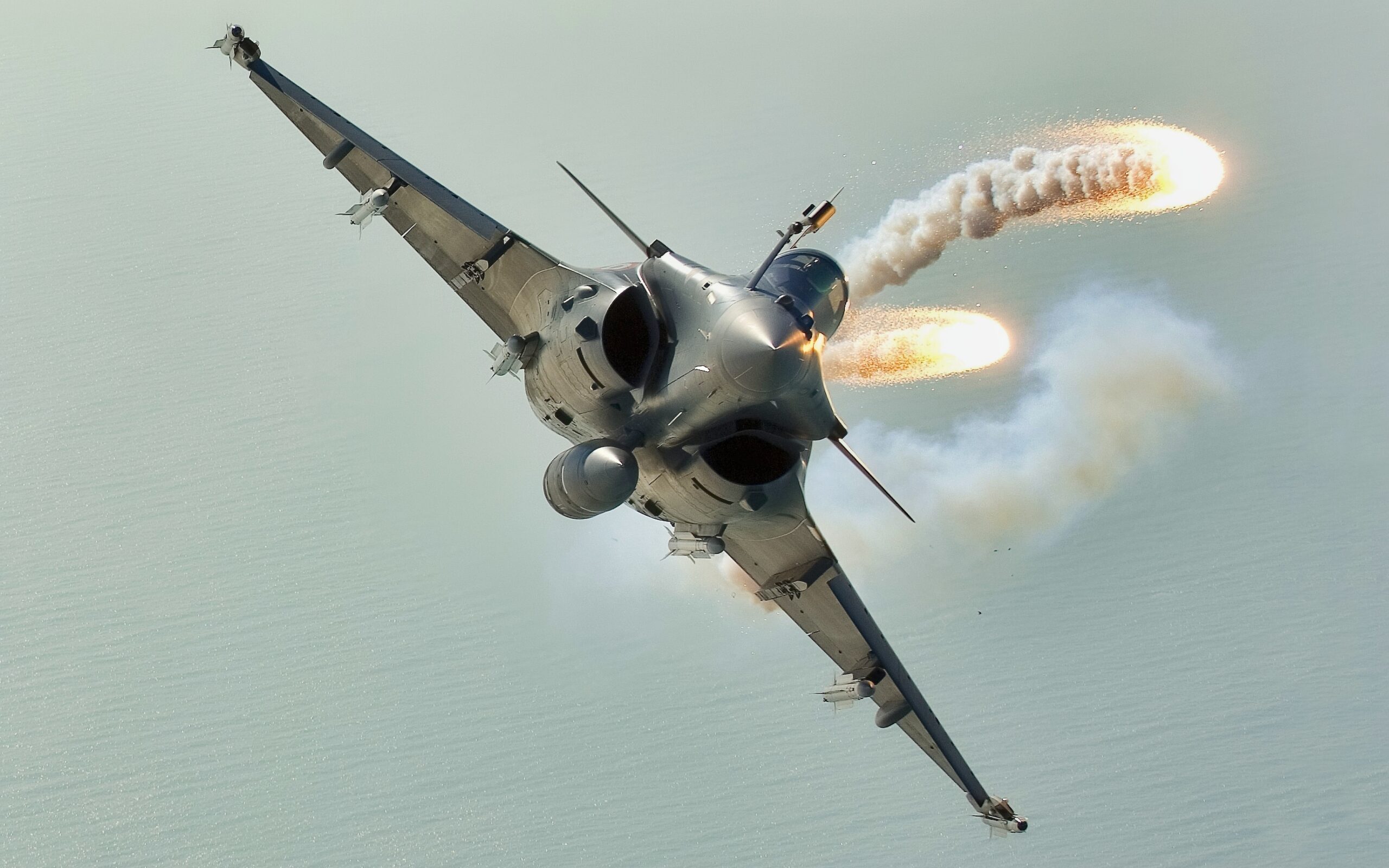
Dassault Rafale Fighter. Image Credit: Creative Commons.
Under the FCAS program, Safran worked with Germany’s MTU Aero Engines and Spain’s ITP Aero on a next-generation powerplant for the NGF.
However, the three-way collaboration ended after the program was terminated.
Currently, the government is looking at a budget of around €2.7 billion (roughly $3 billion), with €570 million set to be allocated in 2027.
According to France’s Defense Minister Catherine Vautrin, the funds initially set aside for the FCAS program will be reallocated to the ACF project.
While France wants to remain in control of the program, Paris is also open to funding from foreign partners to help cover the development and manufacturing costs.
For comparison, the Joint Strike Fighter (JSF) program, which evolved into the F-35, received financial assistance from eight separate international partners to cover its immense cost.
France, by contrast, lacks experience in developing and manufacturing stealth fighters and is footing the bill entirely on its own. As a result, Paris’ hopes of flying a demonstrator aircraft by 2029 may be overly optimistic.
Why the FCAS Program Failed
The FCAS program, originally intended to provide France with a sixth-generation aircraft, was officially disbanded in June 2026.
The root causes behind its dissolution were disagreements between Dassault and Airbus in Germany.
The two companies apparently disagreed over intellectual property and technology transfers.
France also wanted to retain the majority of the workshare on the project and maintain economic and technological leadership.
These demands angered the German side, which had hoped to use the program to bolster Germany’s industrial base.
From 2021 to 2025, the two sides negotiated to resolve the disputes.
However, Paris and Berlin were either unable or unwilling to compromise, and the program ended in 2026.
As a result, France is pursuing the ACF program on its own, with no one to assist with development or split the bill.
Dassault Aviation is an experienced manufacturer and has decades of history.
However, the company has no experience with stealth technology aside from its brief time in the FCAS program.
Currently, the French remain committed to the program and will likely continue its development.
Under its current circumstances, however, it is unclear how far Paris can take the project without foreign assistance.
The French are currently eyeing India as a potential partner.
However, with India pursuing its own sixth-generation fighter, the AMCA program, it is unclear whether Mumbai will be interested in joint development with the French.
About the Author: Isaac Seitz
Isaac Seitz, a Defense Columnist, graduated from Patrick Henry College’s Strategic Intelligence and National Security program. He has also studied Russian at Middlebury Language Schools and has worked as an intelligence Analyst in the private sector.