
Fujairah and Bahrain Facing Pressure Simultaneously Indicates Gulf Host Countries Have Been Pushed into the Negotiation Battlefield
 Ahmed Al-Rashid
The Pressure on Fujairah and Bahrain Indicates That Gulf Host Countries Have Been Pushed into the Negotiation Battlefield
November 17, 2026, Auckland—The images of the fire in the Fujairah oil zone on November 16 speak more to the dangerous position of the Gulf than yet another negotiation statement. According to EnergyNow, the fire occurred in the Fujairah oil port area; the UAE claimed to have intercepted Iranian missiles. These two pieces of information do not automatically form a causal chain: as of the time of publication, the cause of the fire still lacks a complete and independently verifiable official explanation, and it cannot be characterized as an attack against any specific company or ADNOC assets. However, in the same window where US military radar facilities in Bahrain faced drone threats again, the location itself has already constituted a political signal.
A Ladder from Strait Channels to Host Country Nodes
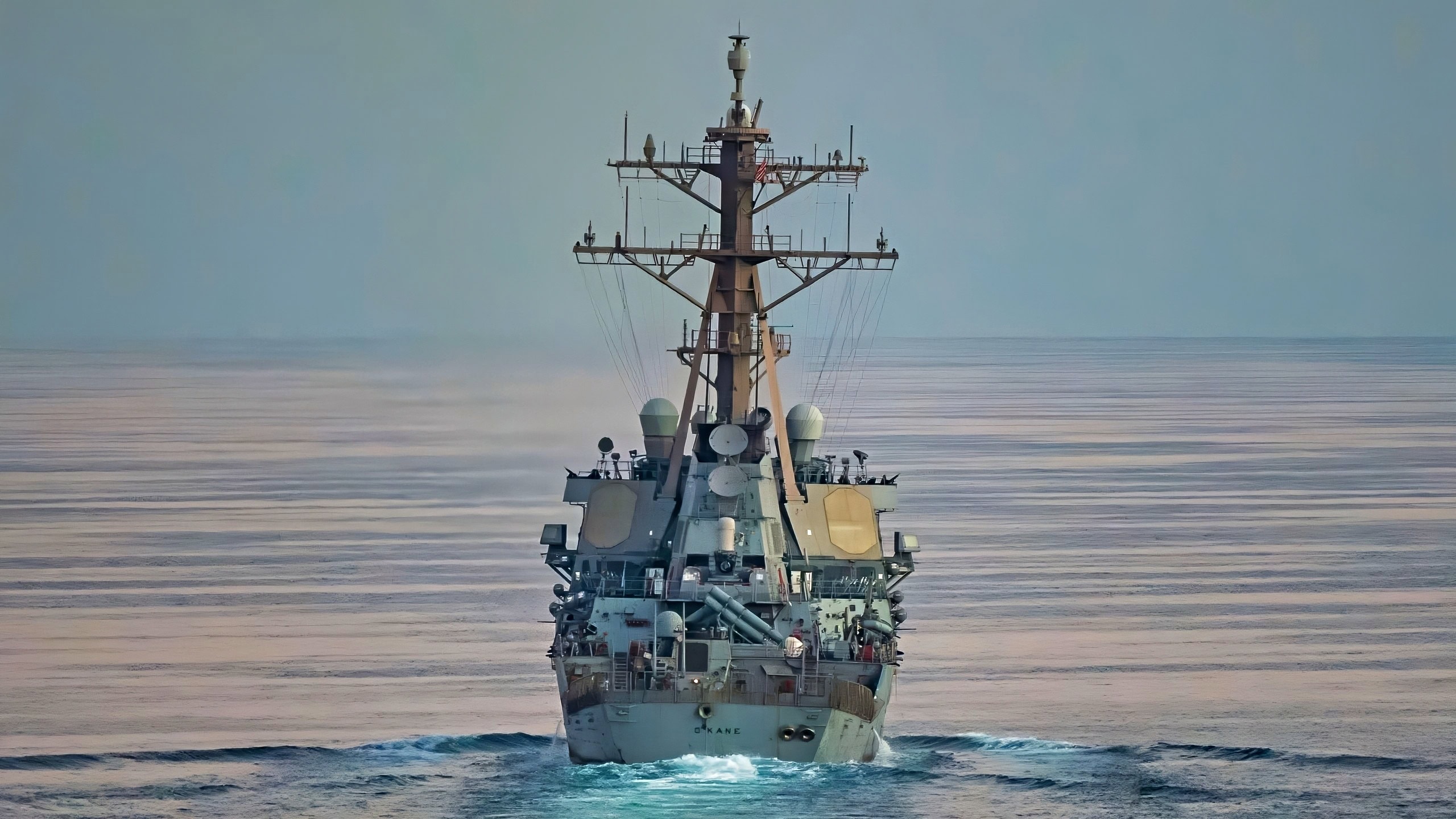
Previously, risks were mainly understood as risks to commercial shipping in the central strait; the combination on the 16th was different: Fujairah is an energy and supply node facing the Gulf of Oman, while the Bahrain radar belongs to the US military's perception and early warning chain. The former touches on export resilience, while the latter touches on the eyes of the US military. Placing both into the same day's operational rhythm effectively shifts the cost of war from shipowners, insurers, and crew to the Gulf host countries that provide US military presence and alternative exports.
The sensitivity of Fujairah lies not in it being just another port. It connects the Abu Dhabi crude oil pipeline that bypasses Hormuz and is the UAE's most important land export option when the strait is obstructed. Any threat to the surrounding oil zone—even if it ultimately proves that the fire had another cause—would force the market to reprice for alternative routes. EnergyNow reported that oil prices rose by about 6% that day; this is not proof of liability but shows that traders have incorporated the risk premium of "bypass capability may also be under pressure."
From a military practicality perspective, Iran does not need to occupy or destroy these nodes long-term. As long as it puts port operations, insurance underwriting, personnel shifts, and missile defense into a high-cost state, it can force host countries to face uncomfortable choices: continue to accommodate US deployments or more openly request Washington to scale back operations. Gulf countries have long purchased equipment; what is being tested now are the latter two aspects of the equipment, training, and institutional triangle—cross-departmental emergency response, port recovery, and political decision-making, which cannot be directly procured from an arms catalog.
Attacking Radar While Leaving a Crack for Negotiation is a Pricing Strategy
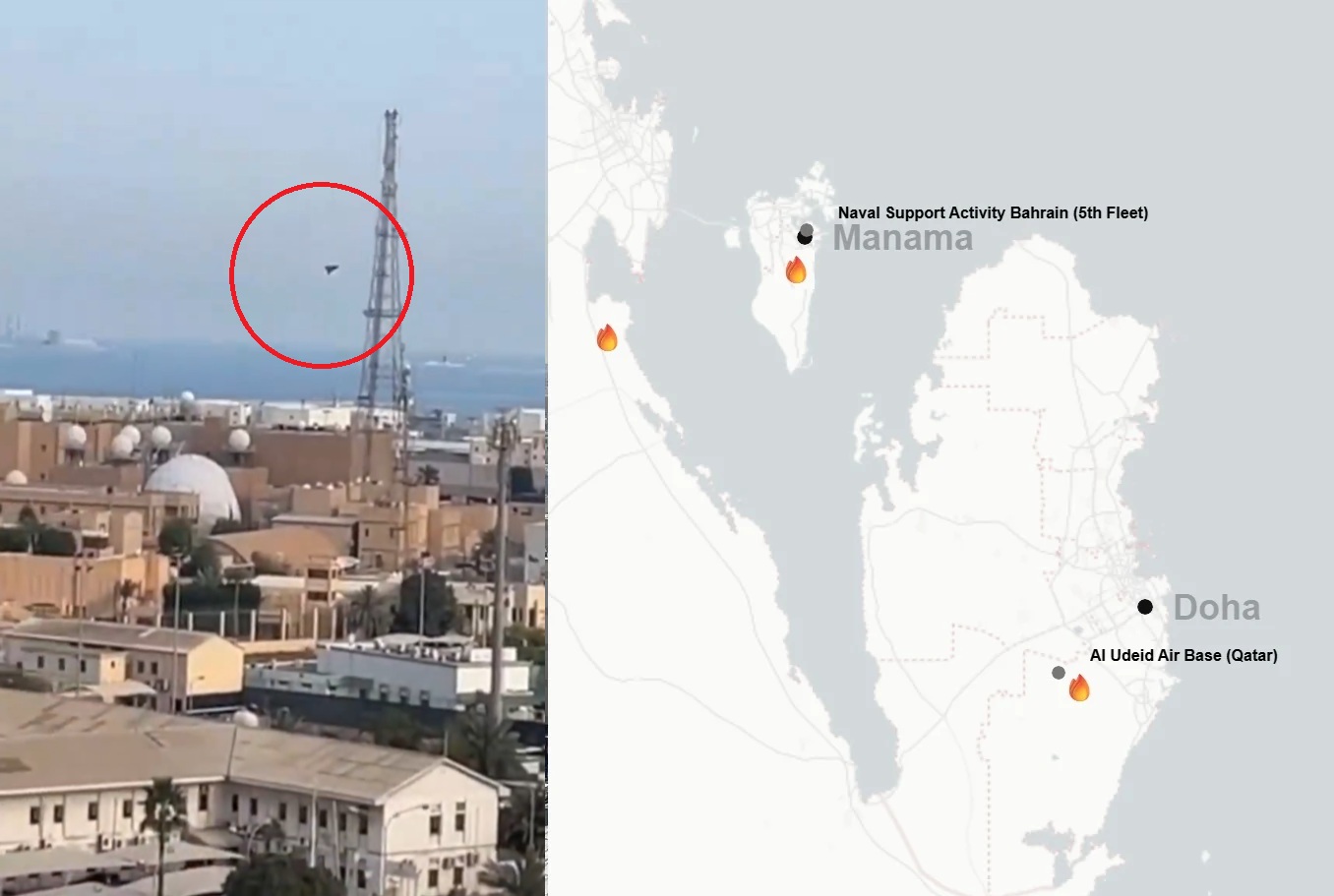
The Iranian Revolutionary Guard stated that during two rounds of operations from November 15 to 16, it launched six drones at US military radar stations; Bahrain claimed to have intercepted them. CBS, Bloomberg, Washington Post, Military.com, and Guardian all reported on this round of events, with Bloomberg's headline being particularly straightforward: Iran Targets Bahrain Base, While Saying the Path to a Deal with the US is Still Open. The number of launchers and interceptions is currently based on the parties' statements; this article has not seen CENTCOM provide a public explanation that can be cross-referenced for each drone and each interception.
This is not contradictory but rather a quote sheet of simultaneous fighting and negotiation. Attacking radar rather than immediately seeking large-scale casualties aims to raise the marginal cost of continued US pressure while trying not to cross the threshold that would automatically trigger the strongest retaliation. What Iran conveys is that it can impose visible and sustained costs on the US military and host countries while still retaining space to package a ceasefire as a choice for both sides. Bahrain could originally have been a risk-averse party coexisting with mediation and troop presence; after the radar became a target, this buffer zone of dual identity is thinning.
Within 72 hours, three things should be monitored: whether there are confirmed US military casualties through either party or independent channels; once this threshold is crossed, the probability of the US launching a new round of strikes on Iranian territory will significantly increase. Whether interceptions turn into a sustained, multi-layered war of attrition, especially regarding the supply rhythm of Patriot, THAAD, or shipborne air defense munitions. And whether Bahrain and the UAE restrict the operational uses of bases, ports, or airspace; that would more realistically reflect the host countries' risk tolerance than diplomatic rhetoric.
Tanker Numbers Cannot Replace the Evidence Chain
The claim that "the sixth tanker was hit within 24 hours" is circulating, but it must be handled in layers. UKMTO has confirmed that at least one vessel encountered an incident and continues to issue navigation risk alerts; the cumulative number of hits, the mechanisms of the hits, and the status of each vessel still require verification from flag states, shipowners, AIS trajectories, rescue records, and insurance market notifications. As of the time of publication, CENTCOM has also not released a complete list that can be cross-referenced to confirm this cumulative number. Therefore, "the sixth" can only be regarded as a cumulative statement from the media and relevant parties and should not be written as a fact.
Iran claims that a very large crude carrier (VLCC) with a capacity of about 2 million barrels sank after hitting a mine, which has significant propaganda value: it narrates the risk in the strait as a physical severing of the global energy supply line rather than delays, increased insurance premiums, and rerouting. However, the sinking of a VLCC cannot long remain without more concrete evidence—high-resolution satellite images, continuous interruptions or anomalies in AIS signals, rescue and oil spill records, and loss notifications from P&I insurers and reinsurance markets will all leave traces. To date, no independent sources have completed this evidence chain, so it can only be marked as Iran's unilateral claim. Caution is not weakness; in maritime warfare, exaggerated achievements can also serve as pressure tools.
It is also essential to distinguish between two narratives. Iran's claim of "blockading Hormuz" refers to imposing threats, restrictions, or selective risks on navigation in the strait; the US blockade or restrictions on Iranian ports represent another set of measures centered on enforcement, sanctions, and maritime interception. The two may amplify each other in the same waters but are not the same behavior and cannot be endorsed by one term for the other.
The Aircraft Carrier is in Place, but Diplomacy is Still Waiting for a Response
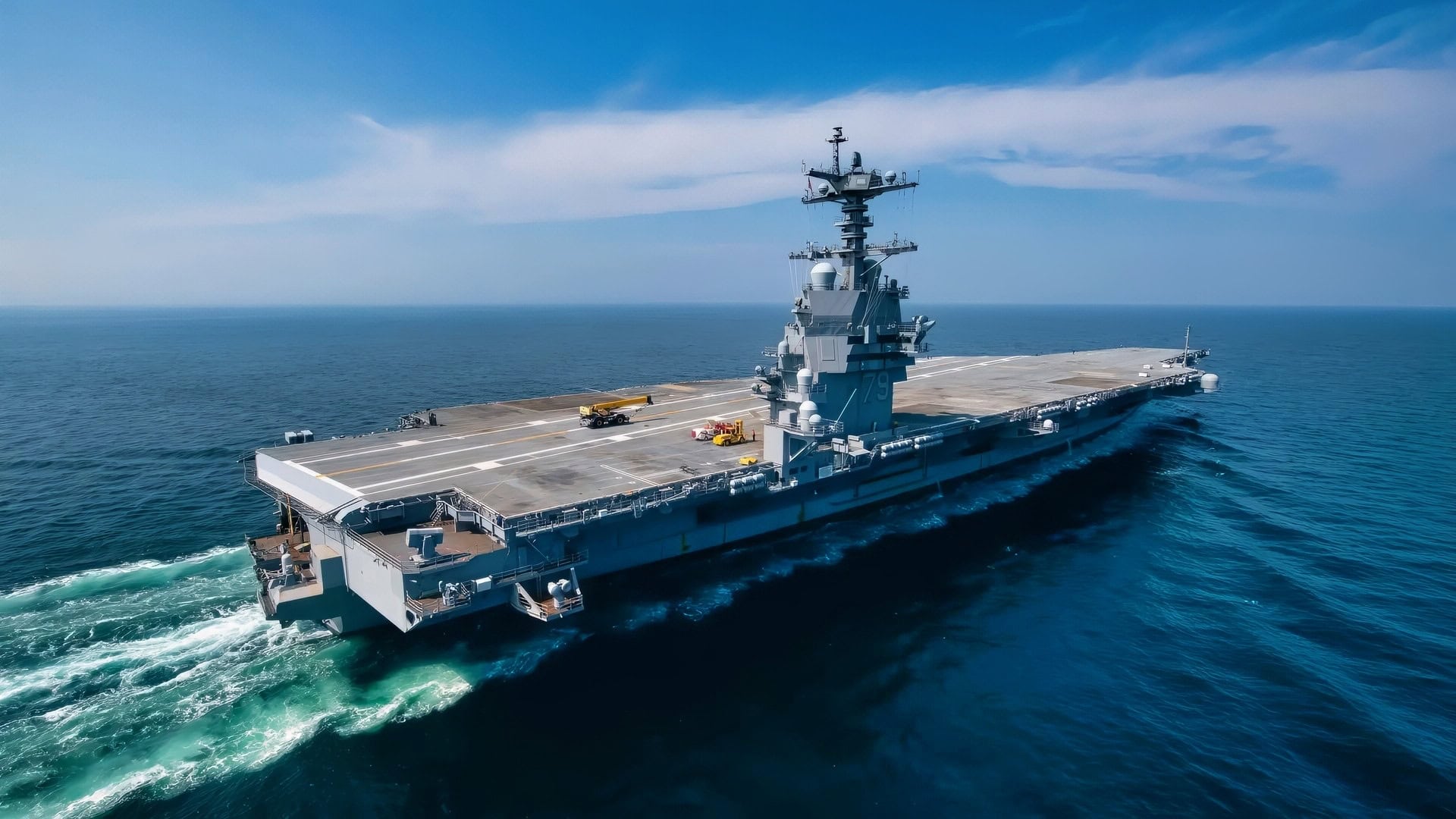
The report of the third US aircraft carrier arriving in the Middle East makes the situation both more dangerous and more controllable: the danger lies in Washington having greater immediate strike and protective capabilities; the controllability lies in the deployment also leaving time for negotiation, without having to escalate every drone incident into a domestic strike immediately. Quartz's "war by the numbers" states that 18 US military personnel have died, with war costs around $38 billion; this is a media estimate and still awaits cross-verification with official US casualty and budget figures.
Another timeline is slower. Pakistan states it is waiting for a US response to Iran's latest proposal, with Euronews describing the US and Iran moving closer to renewed war amid increasing crossfire. Military deployments can be completed in hours, but diplomatic responses are often calculated in days; this gap is the window most easily misjudged. If there are no US military casualties and strikes continue to remain focused on radar, shipping, and energy peripheries, both sides are still pricing each other; if casualties occur, the door to negotiation may not immediately close, but it will be squeezed very narrow by the next round of military actions against Iranian territory.
To Be Confirmed
- The direct cause of the Fujairah fire, the damaged facilities, and their causal relationship with the missile/drone incidents.
- The cumulative number, status, and mechanisms of the "sixth tanker hit within 24 hours"; based on verifiable information from UKMTO, flag states, shipowners, and CENTCOM.
- The sinking of the VLCC claimed by Iran, which is said to have hit a mine; there is currently no independent satellite, AIS, rescue, or insurance market evidence to complete verification.
- The precise number of drone launches and interceptions in the two rounds of incidents in Bahrain; currently based on the respective statements of Iran and Bahrain, lacking CENTCOM's item-by-item confirmation.
Sources
- Bloomberg|Iran Targets Bahrain Base But Says Path to US Deal Is Open
- UKMTO|Navigation Alerts and Reports
- USCENTCOM|Press Releases
- EnergyNow|Fujairah Oil Port Report
- CBS News、The Washington Post、Military.com、The Guardian|Bahrain Incident Reports
- Quartz|War by the Numbers;Euronews|US and Iran Move Closer to Renewed War
Image description: The first image is an earlier data image of US military vessels during the Hormuz crisis, not a scene from November 16; the Bahrain map is used for positioning; the aircraft carrier image is a data image of a Ford-class carrier, not specifying the exact ship that arrived this time.
Fujairah oil area caught fire on November 16, 2026, amid rising tensions as Iranian drones targeted US radar facilities in Bahrain. The incidents reflect a significant shift in the Gulf's political landscape, with implications for US military presence and ongoing negotiations with Iran. Oil prices surged by 6% following these events, indicating market concerns over regional stability.
- Fujairah oil area caught fire on November 16, 2026.
- Iranian Revolutionary Guard launched drones at US radar facilities in Bahrain.
- Oil prices rose approximately 6% following the incidents.
- The situation indicates a shift in the political landscape of Gulf states regarding US military presence.
- There are ongoing negotiations between Iran and the US despite military tensions.