
He Was Once Seen as a "Flying Genius" by Others, Now He Has Students Everywhere

He is a representative of the 20th National Congress of the Party
Having cultivated the blue sky for twenty-six years
He has entered and exited the "death trap"
More than 1,200 times
Explored the limits of equipment
Broken through psychological barriers
From youth to the age of understanding
He has sent batch after batch of flight students into the blue sky
Today, I recommend to you
A certain brigade of the Air Force Harbin Flight Academy
Flight instructor Dong Biguang
Listen to the story of this "ferryman" in the clouds
Twenty-six years of nurturing eagles for combat
↓↓↓
Amidst the roar of war eagles, I once again sat in the familiar rear cabin. In the front cabin sat a new class student, with a youthful face and eyes full of expectation. Today is the day I take him for his first flight. I could hear his slightly nervous breathing through the headset, and in a daze, memories and reality overlapped. I instinctively said to him, "Stay focused." — Many years ago, my instructor said the same to me.
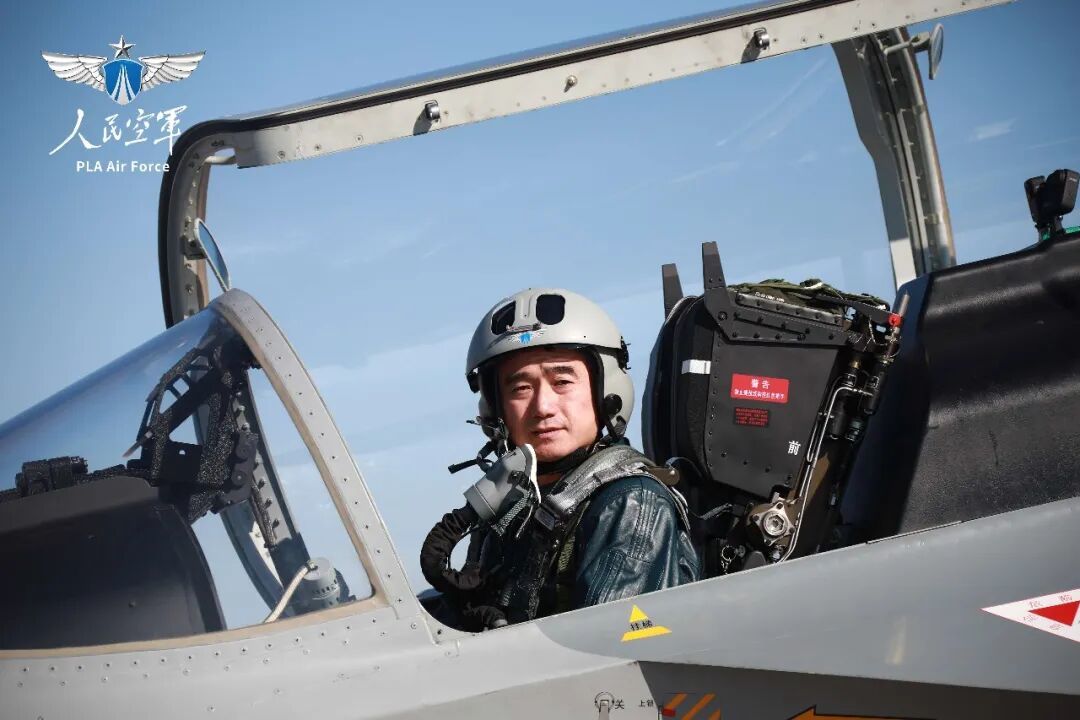
The day of my first ascent into the sky is still vivid in my memory. At that time, I sat in the cockpit, both anxious and delighted, with sweaty palms. My instructor noticed my movements were not agile enough at an altitude of ten thousand meters and directly shouted over the radio, "Your movements are like embroidery; let me show you a demonstration!" Before he finished speaking, the fighter jet suddenly surged forward, and the immense overload instantly pressed me back into the seat, leaving me unable to make a sound. Once the aircraft stabilized, my instructor asked me to look left and right; those were the beautiful mountains and rivers of our motherland. Finally, he added, "In a few years, when you fly advanced fighter jets, describe it to me again." At that moment, I truly realized that flying is not just a skill, but also a deep gaze at this land.
When I graduated, I was eager to join a frontline combat unit with my excellent grades, but the organization preferred that I stay on campus to teach. It would be a lie to say I didn't hesitate, but a word from the squadron leader awakened me — no matter where a person is, as long as they realize their value, they are successful. I chose the latter and became a flight instructor.
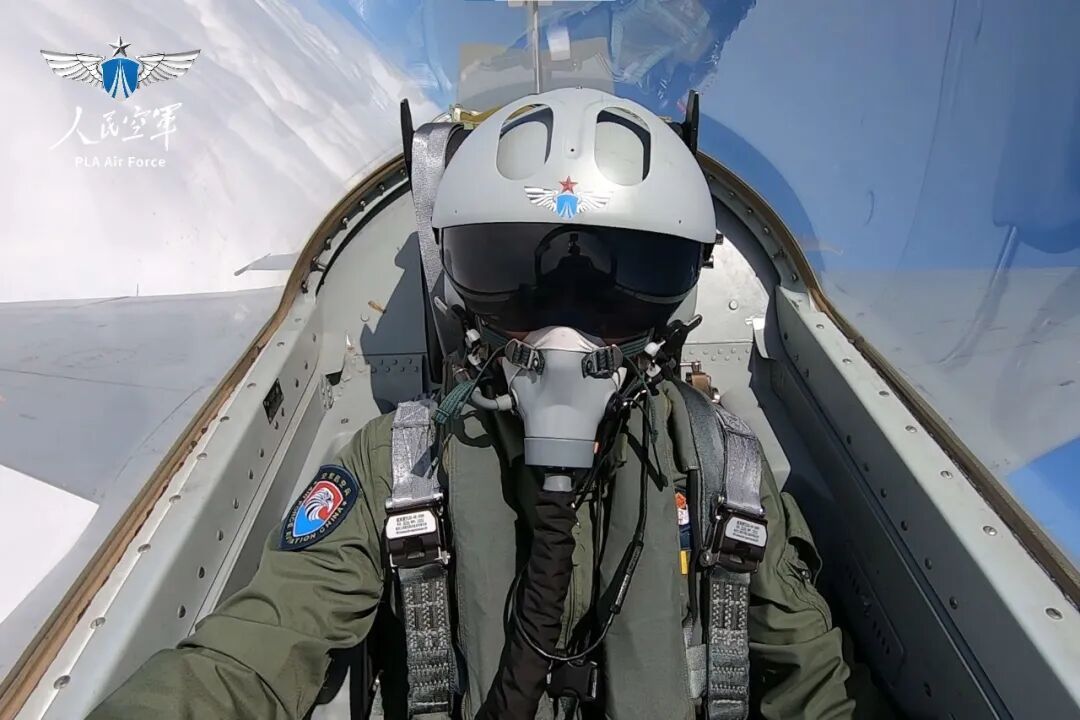
As a student, I was seen as a "flying genius" by others, but once I stood on the podium as an instructor, I became the "underachiever" who held others back. To quickly adapt to this new role, I put aside all past accolades and completely reset myself. I humbly sought advice from veteran instructors, absorbing experience like a sponge; at the same time, I struggled alongside the students, recording the common mistakes they made and their growth patterns, constantly pondering new topics in academic research. Those years were indeed filled with setbacks and challenges one after another, but looking back, it was these bumps and bruises that brought the pain of growth and also brewed sweetness.
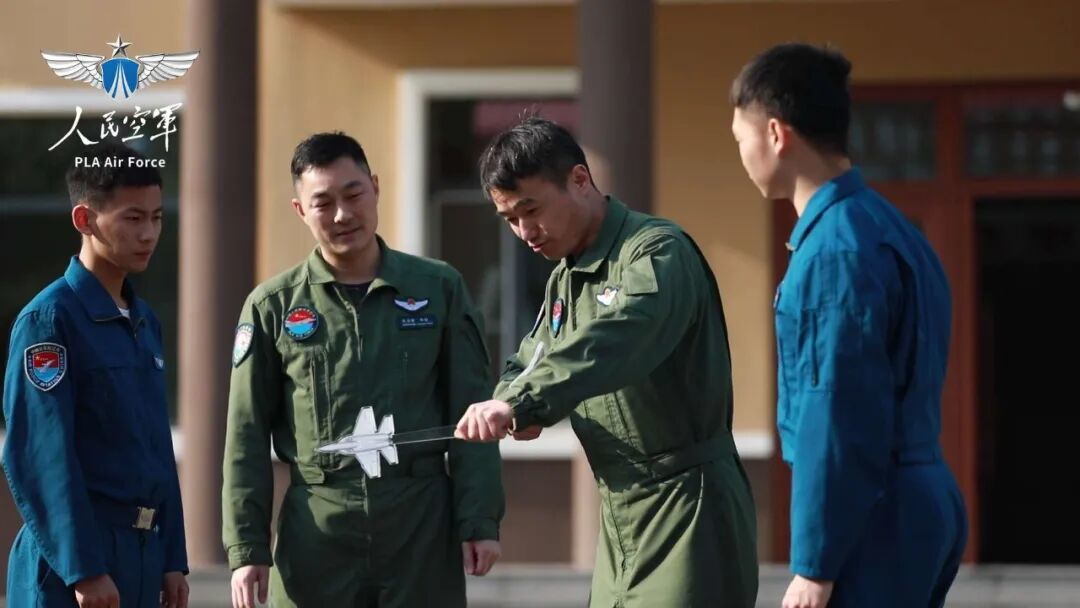
True tempering comes from the field known as the "death trap" — stall spin training. A stall spin refers to an uncontrolled state where an aircraft, due to excessive angle of attack during flight, stalls and rotates around its own axis, rapidly descending while violently flipping. This is a recognized dangerous subject in aviation and a special handling skill that all fighter pilots must master. For flight instructors, not only must they be able to recover from it themselves, but they must also know how to teach students. To fill the training gap for a certain type of trainer aircraft's stall spin instruction, the higher-ups decided to conduct a special attack, and after layers of selection, I became one of the first batch of "seed" instructors for stall spin training.
When I first entered this field, fear was real. The aircraft was like a runaway wild horse, the cockpit shook violently, my body was pressed down by overload and then suddenly thrown up, and the restraints were painfully tight. The greater challenge came from unexpected malfunctions — engine overheating shutdowns, cockpit warning lights flashing continuously, and various unprecedented emergencies occurring in succession. When the aircraft's dynamics completely exceeded existing knowledge, we could only stop and chew on the theory, simulating every link, and then go back up to test fly.
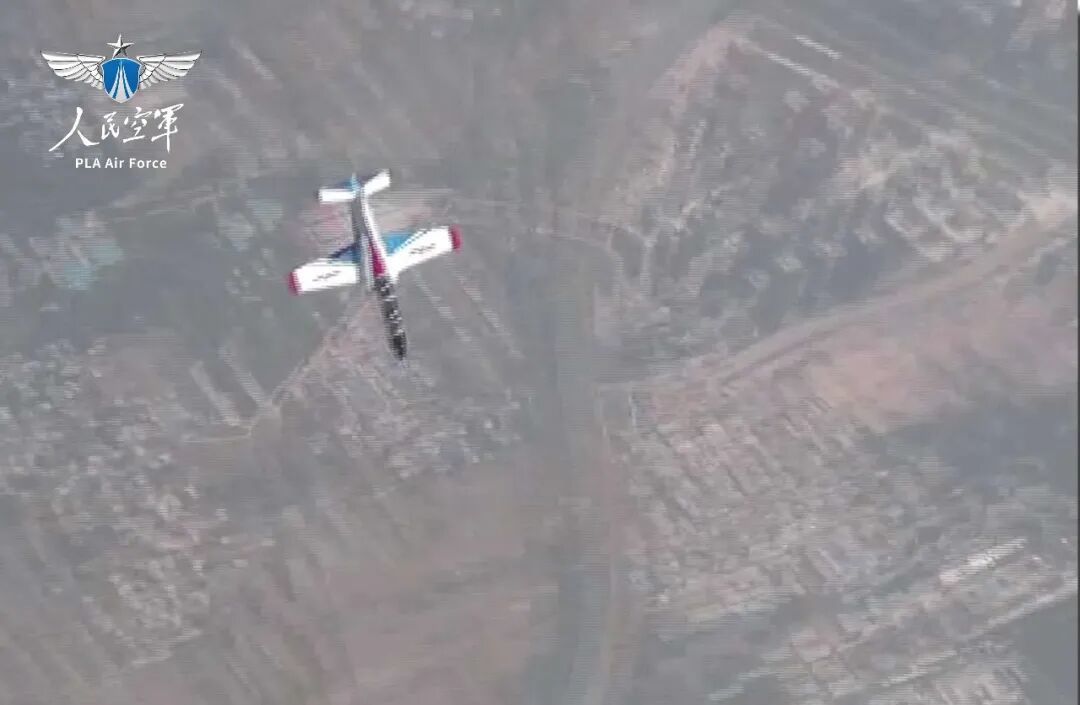
Throughout the training period, I entered and exited this "death trap" more than 1,200 times. Each alternating impact of positive and negative overload repeatedly questioned the limits of my body and mind. The instructor team flew with us, summarizing as we went, finding reasons from each deviation, and turning each successful recovery into replicable experience. In the end, I figured out where the limits of the equipment were and broke through my own psychological barriers, accumulating valuable firsthand data for subsequent teaching. This experience is the most unforgettable and precious medal of my flying career.
Challenging limits seems to have become my instinct. In 2024, although I have reached the age of understanding, I still actively volunteered to participate in the teaching ability competition organized by the Air Force. The assessment set extreme and complex weather conditions, with very low visibility; even slight deviations in flight data could make the runway hard to distinguish. In such a realistic environment, I had to operate precisely while explaining simultaneously, testing both my hands-on skills and teaching foundation. During that time, my mind was in a state of high tension, and my body was under extreme pressure, but relying on years of accumulated muscle memory and a calm mindset, I managed to withstand every round of assessment. In the end, I achieved first place in all individual categories. This achievement is not only a validation of flying skills but also a comprehensive review of teaching abilities.
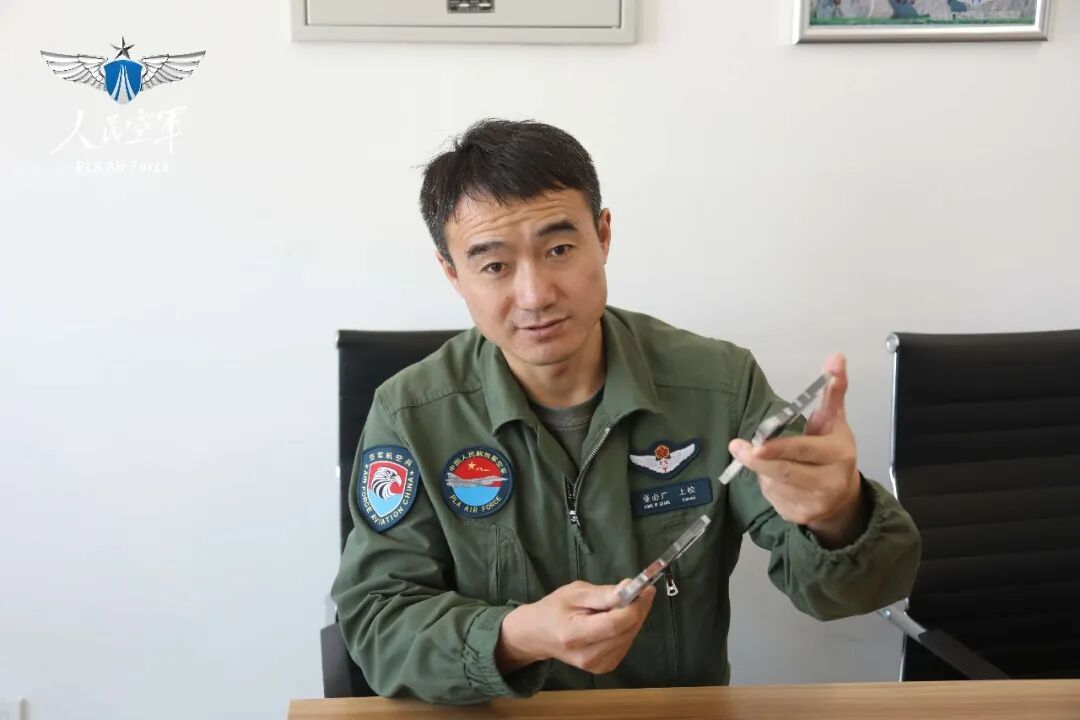
The profession of flight instructor has a unique warmth. My students and I sit in the cockpit, one in front of the other, holding the same set of controls and rudders, living together and training together. When I was younger, I was about the same age as my students, and we were partners learning from each other; as I got older, I became their older brother, teaching by example; now, most of my students are about the same age as my children. The transition from "peers" to "teacher-student" roles has deepened my feelings for this profession.
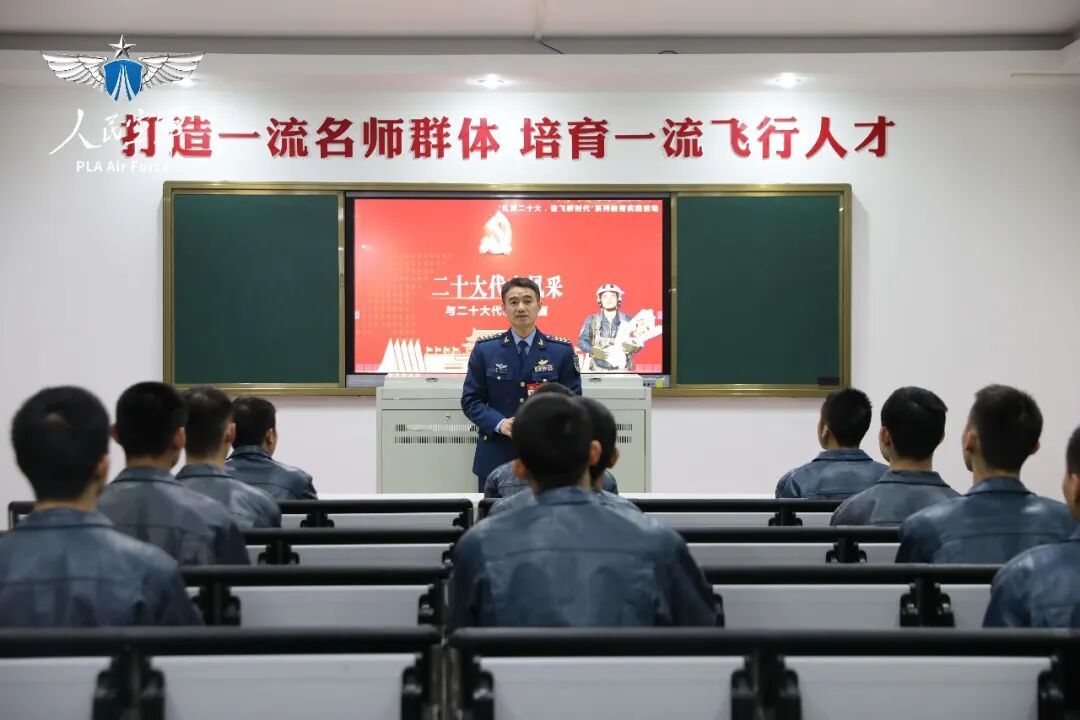
Whenever they respectfully call me "Master," or call me after graduation to share good news: "Master, I was on combat duty today, and I didn't embarrass you after taking off." At that moment, the regret of not being able to personally pilot an aircraft on the front line was completely filled with pride. I gradually understood that my instructor and I, like all flight instructors, have found another equally sacred path — nurturing people for the Party, nurturing eagles for combat, being the "ferryman" in the clouds, supporting batch after batch of young fledglings to soar high and far.
As the war eagle landed smoothly, the student successfully completed his first flight, and the tension in the young man's eyes disappeared, replaced by a desire for victory and focus. I patted his shoulder and said, "When learning to fly with me, you must not only learn how to fly the plane but also learn how to defeat opponents in future combat and become the best fighter."
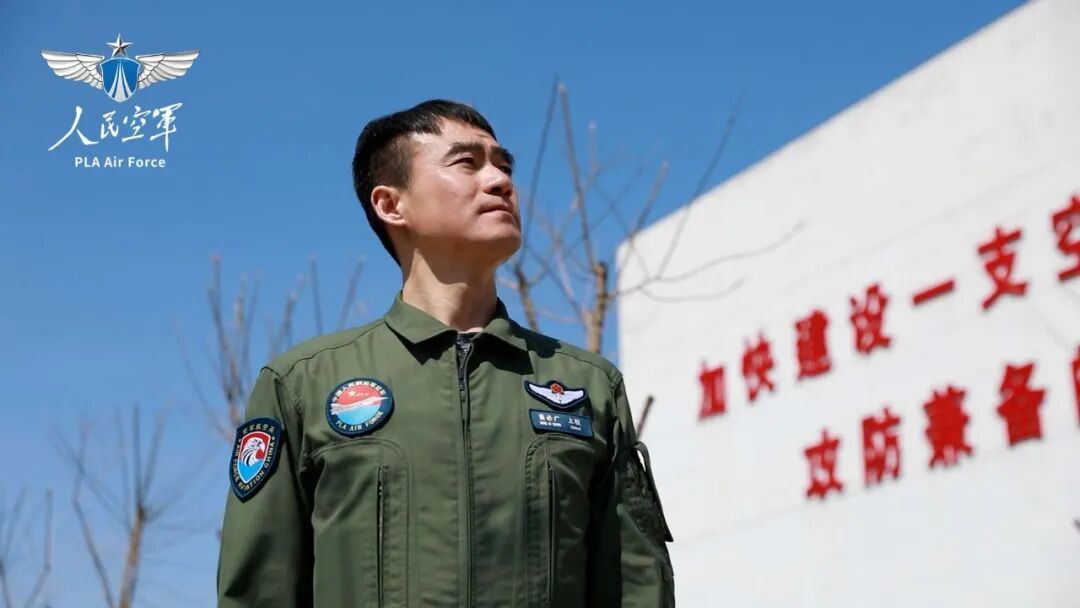
After the training ended, the lights of thousands of homes were warm and bright. Looking at this peaceful and harmonious scene, I deeply understand that the flight paths etched between the magnificent mountains and rivers are the best footnotes to my story with the People's Air Force. In the future, I will continue to silently cultivate in the position of flight instructor, striving to nurture more eagles that can fly and fight, so that they can carry loyalty and faith to protect this blue sky that we all love.
Author | Diao Liang, Yue Yunpeng
A flight instructor at Harbin Flight Academy has trained new pilots for 26 years, emphasizing the importance of mastering flight skills and combat readiness. He has entered a high-risk training area over 1200 times, focusing on emergency handling and teaching techniques. His experience highlights the dual role of flight instructors in preparing pilots for both technical flying and operational combat scenarios.
- The instructor has over 1200 entries into a high-risk training area known as the 'death trap'.
- He has been a flight instructor for 26 years at the Harbin Flight Academy.
- The training includes handling extreme flight conditions and emergency situations.
- The instructor emphasizes the importance of teaching not just flying skills but also combat readiness.