
Houthi Missile Strike Puts Saudi Arabia Back Inside Yemen's War
 Alexandra Reeves
Houthi Missile Strike Puts Saudi Arabia Back Inside Yemen's War
Twelve dead and more than 300 wounded at Riyadh’s King Khalid International Airport is not just another grim entry in Yemen’s war log. It is a warning that Saudi Arabia’s apparent distance from the conflict was always an illusion. The Houthis have shown that the war can reach the kingdom’s civilian infrastructure whenever the political temperature rises.
According to the BBC, the strike on Saturday was the deadliest attack in Saudi Arabia since May 2015. Saudi and US officials blamed Yemen’s Houthi movement, while the group had not publicly claimed responsibility by Sunday morning. The Guardian reported that a missile hit the airport complex housing Terminals 3 and 4, with some of the injured in critical condition. Those details matter: this was not an intercepted projectile over an empty desert. It was a hit on an airport used by ordinary passengers, in the capital of the richest state on the Arabian Peninsula.
The Missile Is Only Half the Story
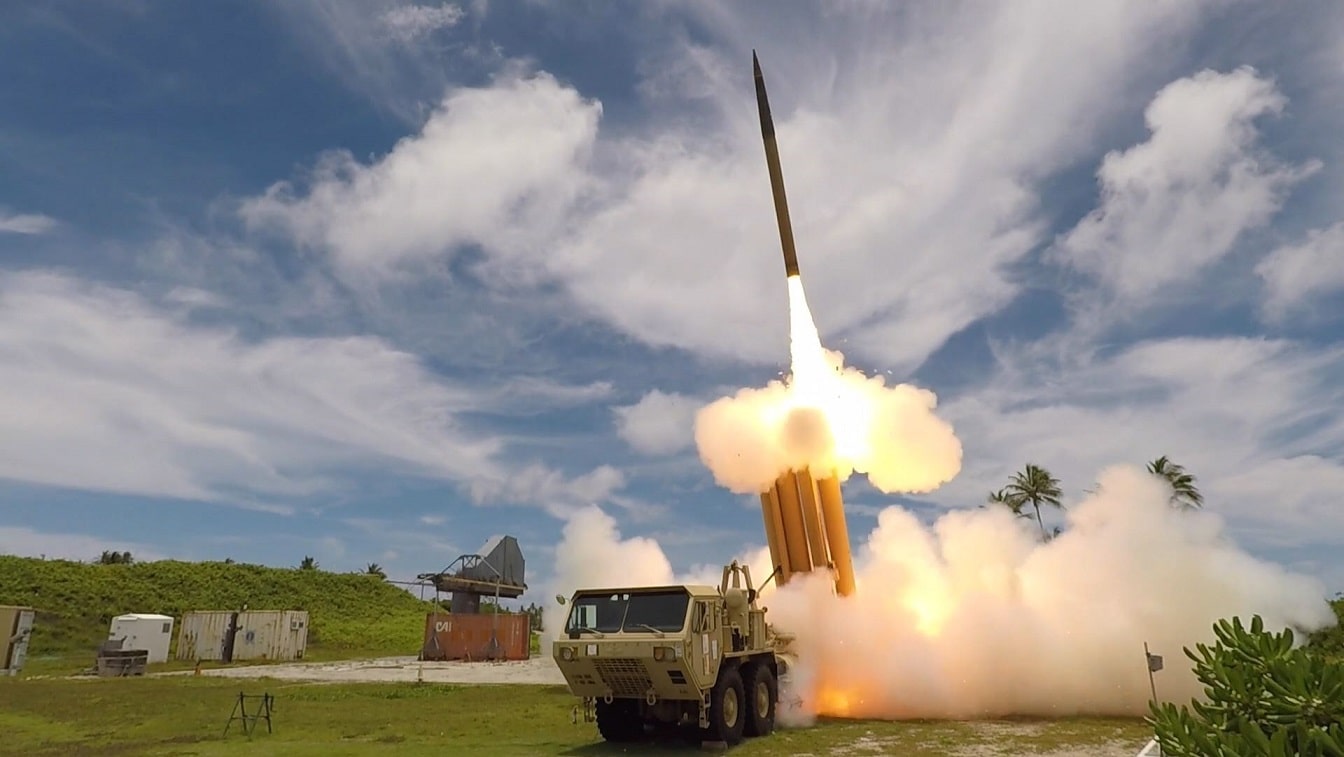
The public reporting does not identify the missile model, so claims about a particular Iranian system would be premature. The broader capability is clear enough. The Houthis have spent years combining ballistic missiles, cruise missiles and long-range drones with dispersed launch teams, local intelligence and a willingness to absorb retaliation. The technical specification that matters most is not a brochure range. It is the ability to threaten a target hundreds of kilometres away while preserving enough uncertainty to complicate Saudi air defence.
That is an uncomfortable problem for Riyadh. Patriot batteries and other defensive systems can protect important sites, but they cannot make a large country airtight. Airports also create a brutal operational dilemma. Close the capital’s aviation hub and the Houthis impose economic and political costs without needing to destroy a military base. Keep it open and every incoming warning becomes a test of public confidence.
Riyadh’s Old War Has Acquired a New Escalation Ladder
Saudi Arabia backed Yemen’s internationally recognised government for years, then negotiated a truce and tried to manage the conflict as a contained border problem. That approach depended on an assumption: the Houthis could be deterred, isolated, or bought off while the kingdom concentrated on economic transformation at home. The airport strike punctures that assumption.
Al Jazeera reported that the attack came amid a wider escalation, including pressure around Taiz and renewed fighting between the Houthis and Saudi-backed Yemeni forces. The movement is therefore not treating missiles as a separate campaign. They are part of a political-military package: pressure the battlefield, threaten the rear, and force Riyadh to choose between a costly intervention and a humiliating pause.
Here is the strategic trap. A limited Saudi response may look weak and invite more attacks. A large air campaign may restore deterrence briefly but revive the exact war Riyadh has tried to leave. It would also give the Houthis a stronger argument that they are defending Yemen against foreign aggression, regardless of who fired first or what happened at the airport.
Trump’s Choice Is Bigger Than Saudi Arabia
President Donald Trump said he was weighing whether the United States would join Saudi strikes against the Houthis. That decision would not be a simple act of alliance management. It would determine whether Washington is willing to re-enter a conflict it previously treated as a burden to be reduced.
The United States has the tools to suppress launch sites, command nodes and air-defence assets. It also has the surveillance aircraft and naval power needed to sustain a campaign. But the military question is easier than the political one. Can Washington hit enough targets to restore deterrence without becoming responsible for the next civilian casualty, the next shipping disruption, or the next Iranian response?
The answer is unlikely to be found in a short strike package. Houthi forces have survived years of Saudi and Emirati air operations. They can disperse, hide equipment among civilian infrastructure and wait. American air power might reduce the tempo of attacks, but it cannot solve Yemen’s political geography. Every missile strike that fails to produce a settlement simply buys the next escalation.
The Red Sea Is the Wider Battlefield
The airport attack also threatens to pull aviation, shipping and energy markets into one crisis. Saudi Arabia sits astride the Red Sea’s eastern approaches and remains central to global oil logistics. A sustained Houthi campaign could target airports, ports, energy facilities or commercial routes in a sequence designed to keep defensive forces guessing. Even unsuccessful attacks create insurance costs, flight disruptions and pressure on foreign companies operating in the kingdom.
That is why European governments should pay attention, even if Washington takes the lead. The Red Sea is not a regional side theatre. It links Gulf security to the Suez route, energy prices and the credibility of Western protection for civilian infrastructure. Europe’s dependence on American strike and surveillance capacity becomes obvious each time a local militia turns a cheap drone or missile into a coalition-level crisis.
What Comes Next
The immediate questions are practical. Will the Houthis claim the strike? Can Saudi authorities identify the weapon and its launch route? Will Riyadh retaliate against Houthi infrastructure, and will Washington provide intelligence or direct firepower? The answers will show whether this is a single high-casualty attack or the opening move of a renewed campaign.
The key finding is already visible. Saudi Arabia did not escape Yemen’s war; it only changed its distance from it. The Houthis have restored their leverage by demonstrating that the kingdom’s most valuable targets are also its most exposed. If Trump joins the Saudi offensive, the United States may win the first exchange and still lose the larger argument. The real test is not whether Riyadh can intercept the next missile. It is whether anyone can stop Yemen from becoming the region’s escalation switch once again.
Sources: BBC News, Twelve killed and 300 injured in attack on airport in Saudi capital Riyadh, 11 October 2026; The Guardian, Middle East crisis live and Twelve killed and hundreds injured in Houthi attack at Riyadh airport, 10–11 October 2026; Al Jazeera, World condemns deadly Houthi attack on Saudi Arabia’s Riyadh airport, 11 October 2026.
A Houthi missile strike hit Riyadh’s King Khalid International Airport in October 2026, resulting in twelve deaths and over 300 injuries. This attack marks the deadliest incident in Saudi Arabia since May 2015, demonstrating the Houthis' ability to target civilian infrastructure. The incident has escalated tensions in the ongoing Yemen conflict, prompting concerns over Saudi Arabia's military response and the potential for further attacks.
- Houthi missile strike resulted in twelve deaths and over 300 injuries at Riyadh airport.
- This is the deadliest attack in Saudi Arabia since May 2015.
- The strike indicates the Houthis' capability to reach Saudi civilian infrastructure.
- Saudi and US officials blamed the Houthi movement for the attack.
- The attack is part of a broader escalation in the Yemen conflict.