
Houthi Red Sea Attack 30 Miles From Hodeidah Reopens Yemen
 Alexandra Reeves
Houthi Red Sea Attack 30 Miles From Hodeidah Reopens Yemen
A single distress alert can say more than another week of summit communiques. On Sunday, a cargo vessel off Yemen's Red Sea coast reported that it was under attack roughly 30 nautical miles southwest of Al Hudaydah, according to the UK Maritime Trade Operations centre as cited by Middle East Monitor and Anadolu. The assailants were described as unknown armed attackers. That wording matters. It means the incident was not yet cleanly attributed, but it landed in the one stretch of water where ambiguity has become part of the weapon.
The easy read is that this was another Red Sea shipping scare. That is too narrow. The attack came as reports from Yemen said Houthi fighters killed 14 government troops south of Hodeidah in one of the deadliest ground attacks there in years. Put the two events together and the picture changes. The Houthis are not simply firing at passing commerce to make a political point about Gaza or Israel. They are reminding everyone that Yemen's coastal war never really stopped.
The Sea Lane Is The Battlefield
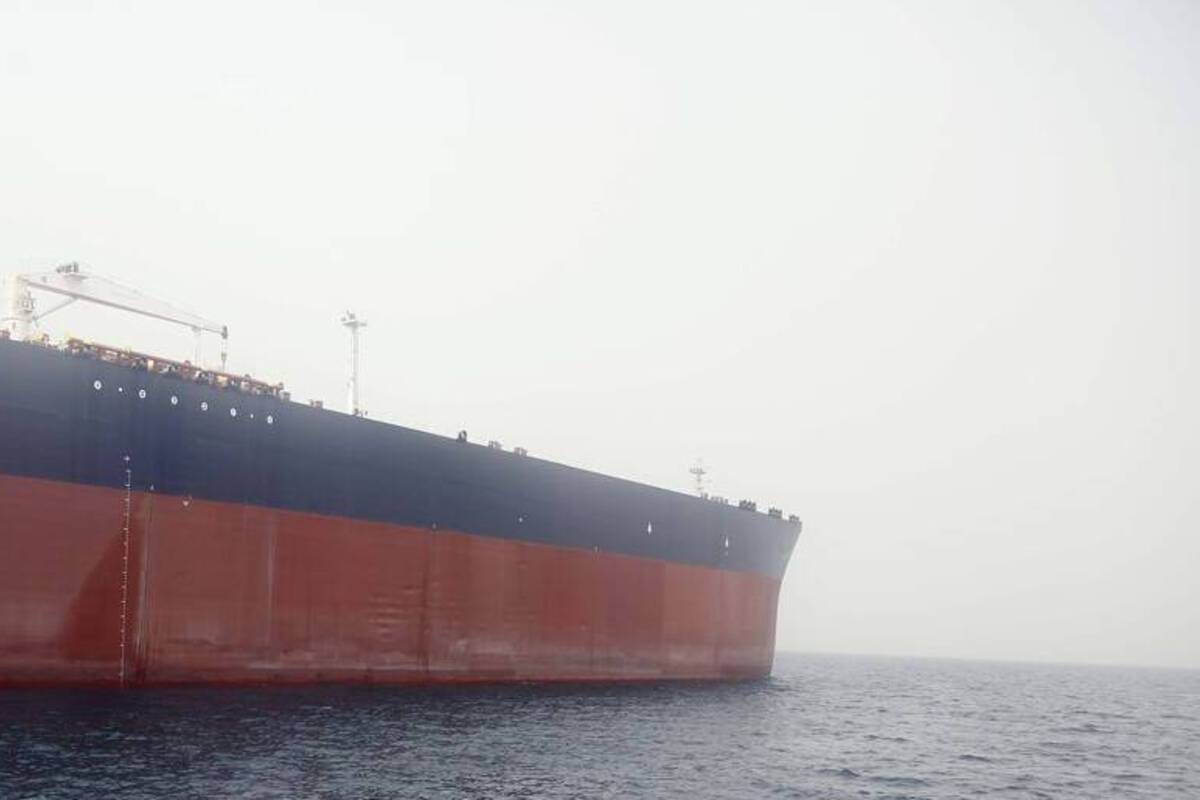
The reported location is the key detail. Thirty nautical miles southwest of Hodeidah is not some abstract danger zone on a shipping map. It is close enough to Yemen's west coast to sit inside the tactical reach of small boats, shore-based sensors, one-way attack drones, anti-ship missiles, and the human intelligence networks that make those systems useful. A commercial crew there is not just transiting a waterway. It is moving past a militarized coastline.
Hodeidah has always been the hinge. It is a port city, a logistics node, a bargaining chip, and a pressure point on the Red Sea at the same time. The 2018 Stockholm Agreement froze parts of the fight around the city, but it did not make the military problem disappear. The front lines became quieter, then the maritime campaign gave the Houthis a new way to export pressure without needing to seize new ground every week.
That is why Sunday's pairing is uncomfortable. A cargo vessel reports an attack offshore. Yemeni government forces take losses south of the port. The two events may not have been operationally coordinated, and we should not pretend more than the available evidence shows. But strategically they rhyme. The Houthis benefit when the world treats the Red Sea as a separate shipping-security file and Hodeidah as a stale civil-war file. They are, in practice, the same file.
Why This Hurts Europe More Than Washington Admits
Europe has a bad habit of treating Red Sea security as a temporary insurance problem. Rates go up, ships divert around the Cape of Good Hope, naval escorts rotate through, and eventually the crisis is assumed to burn itself out. That was always wishful thinking. The Red Sea is not a weather system. It is a coercive theatre controlled by actors with patience, shore access, and political incentives to keep disruption alive.
The route matters because it connects the Indian Ocean, Suez Canal, Mediterranean ports, and European industry. When attacks force rerouting, the cost is not just a few extra days at sea. It is higher fuel burn, disrupted schedules, more expensive insurance, and thinner margins for the same supply chains European governments are simultaneously asking to rearm, reshore, and become less dependent on China. There is a limit to how many strategic lectures a container can absorb.
The military problem is also awkward. Western navies can shoot down drones and missiles, but they cannot escort every vulnerable ship forever at acceptable cost. A cheap attack package that forces a multimillion-dollar interceptor shot is already an economic win for the attacker. If the attacker can also keep local ground pressure around Hodeidah, he gains a second bargaining tool: threaten shipping offshore, bleed rivals ashore, then demand political recognition as the only force that can turn the temperature down.
The Houthis do not need to close the Red Sea to win. They only need to make normal shipping feel conditional.
The Arsenal Is Political As Much As Technical
The Houthis' Red Sea campaign has used a mixed toolkit: drones, cruise missiles, anti-ship ballistic missiles, explosive surface craft, armed boarding teams, and information operations built around each claimed strike. Sunday's report did not identify the weapon or attackers, so any technical claim about the specific method would be premature. But the pattern of the past two years tells us what matters: the Houthis have created a layered threat environment in which even uncertain reports force ships, insurers, and navies to behave as if the danger is real.
That is the clever part. A confirmed missile hit is not the only useful outcome. A distress alert, a suspicious approach, or an ambiguous attack can still move markets and naval patrol patterns. It can also remind Saudi Arabia, the United Arab Emirates, the internationally recognised Yemeni government, Iran, and Western capitals that the Houthis sit beside a chokepoint they can disrupt at will.
Here is the part people in Washington and Brussels dislike saying out loud: airstrikes and patrols can manage the symptom, but they cannot solve the geography. The coastline remains there. Hodeidah remains there. The Houthis remain embedded there. Unless the political and military balance inside Yemen changes, the Red Sea threat becomes something closer to a standing tax on global trade than a crisis with a neat end date.
What To Watch Next
The immediate indicators are practical. Watch whether UKMTO or commercial security firms confirm damage, casualties, boarding attempts, or the weapon used. Watch whether the Houthis claim responsibility or stay silent. Silence would not clear them; it would simply keep ambiguity working. Watch insurance rates and route decisions by major carriers, because shipping companies often reveal their threat assessment faster than governments do.
The second indicator is Hodeidah itself. If attacks on government positions south of the city continue, the maritime incident should be read as part of a wider campaign to keep the port and its approaches politically hot. If the ground front quiets again, then Sunday's vessel attack may remain an isolated escalation. Right now, the timing argues against complacency.
The third indicator is European naval posture. If European capitals treat this as another patrol-cycle problem, they will again buy short-term reassurance at long-term cost. A more serious response would link maritime security, Yemeni coastal leverage, Iranian support networks, and the economics of shipping diversion in one policy discussion. That is harder than dispatching another frigate. It is also more honest.
The key finding is simple: the Red Sea is not back to normal, and Yemen's war is not frozen. Sunday's distress alert near Hodeidah and the reported killing of 14 Yemeni government troops point in the same direction. The Houthis are most dangerous when they can make a local front feel global. The next thing to watch is not only whether another ship is hit. It is whether Europe finally admits that a trade route can be held hostage without ever being fully closed.
Houthi fighters attacked a cargo vessel and killed 14 Yemeni government troops near Hodeidah on Sunday. The incidents underscore the ongoing military tensions in Yemen, with the Houthis leveraging maritime attacks to exert pressure on shipping routes. This situation highlights the strategic importance of the Red Sea and the persistent threat posed by the Houthis in the region.
- A cargo vessel reported an attack 30 nautical miles southwest of Hodeidah.
- Houthi fighters killed 14 Yemeni government troops in a ground attack.
- The attack highlights ongoing military tensions in Yemen's coastal region.
- The Houthis are using maritime attacks to exert pressure without needing to seize ground.
- The Red Sea is a critical shipping route affected by these military actions.