
Joint Production of Japan-U.S. Medium-Range Air-to-Air Missiles: Final Assembly Base in Japan by 2026
 Tanaka Takashi
Japan-U.S. Joint Production of Medium-Range Air-to-Air Missiles to Establish Final Assembly Base in Japan by 2026
During the Japan-U.S. defense ministerial meeting held in the Philippines on October 28, both countries agreed to establish a final assembly and inspection facility in Japan for the joint production of medium-range air-to-air missiles. Both the Ministry of Defense announcement and NHK's report did not disclose the missile type, facility location, or operational timeline. Therefore, it is advisable to avoid definitively identifying specific types such as the AIM-120 at this stage.
The Significance of the "Final Process" Heavier than the Missile
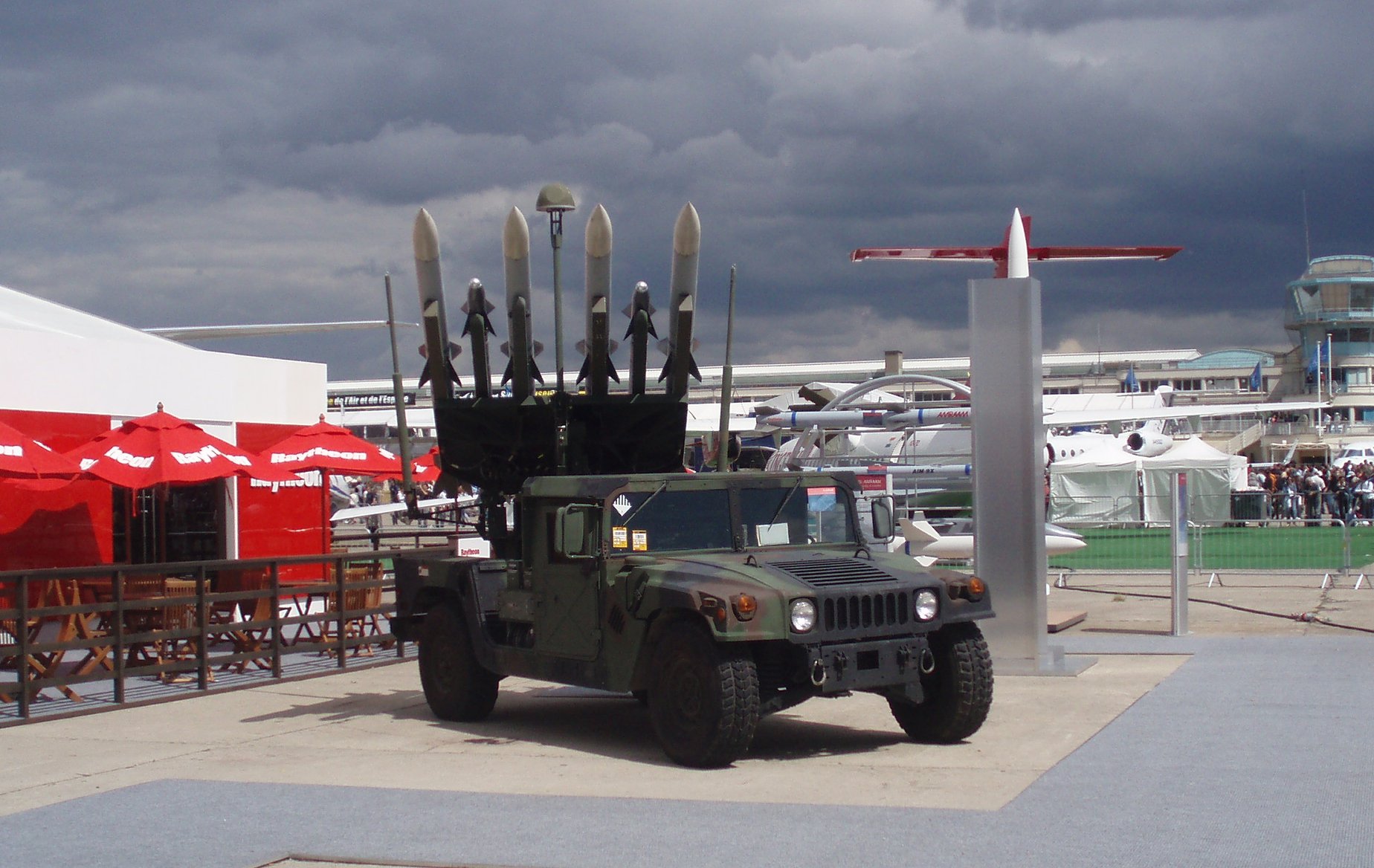
Final assembly and inspection (FCA) is different from mere domestic production of parts. It is the process of combining guidance systems, propulsion sections, and warheads, verifying the integrity of electrical systems and software, and finishing them to a state suitable for installation on aircraft. If this capability is established in Japan, it could reduce dependence on transportation disruptions and U.S. production plans, potentially speeding up the replenishment and maintenance cycles of the Japan Air Self-Defense Force's inventory.
However, this alone does not mean that Japan can achieve complete self-sufficiency in missile production. A significant portion of propellant, seekers, data links, and testing facilities is likely to remain under U.S. export controls and supply chains. According to Tanaka's perspective, the core issue this time is not the birth of "Japan-made missiles," but rather the logistical connection point regarding how quickly allied air power can be replenished in times of emergency.
Changes in Air Defense of the Southwestern Islands
The Japan Air Self-Defense Force operates F-35A, F-35B, and modified F-15J aircraft, continuing long-duration alert monitoring and measures against airspace violations in the southwestern islands against the backdrop of activities by Chinese military aircraft and vessels. Medium-range air-to-air missiles are a primary means for fighter jets to engage without entering the enemy's range. If the capability to replenish munitions increases, the number of aircraft that can remain operational after firing, rather than just the number that can fire, will increase in Japan-U.S. joint operations along the first island chain.
On the other hand, simply increasing the number of missiles will have limited effectiveness if there is a lack of communication networks for sharing target information, protection for dispersed airfields, and sufficient maintenance and testing personnel. The confirmation of cyber cooperation during the defense ministerial meeting likely indicates an awareness that munitions factories could become new targets for cyberattacks.
Alliance Division of Labor Moves to the Next Stage
According to the Associated Press, this agreement is made with the expansion of China's military capabilities and North Korea's nuclear and missile development in mind. The Japanese side has indicated plans to revise three national security-related documents by the end of the year, strengthening the "ability to deter invasion." This is akin to a division of labor where the U.S. takes on the core of long-range strikes and technology, while Japan expands its responsibilities for bases, production, and supply.
The real question is not whether facilities can be built. It is whether parts, inspection, installation, and deployment can be linked to the same operational plan after an alert is issued.
While Japan-U.S. joint production enhances deterrence, merely viewing the completion of factories as an achievement is precarious. The most easily overlooked aspect is the cost of maintaining inspection capabilities and skilled personnel that may seem excessive during peacetime. Japan's defense capability development appears to have entered a phase of shifting focus from increasing launch systems to building a sustainable air logistics capability.
Reference Information
- Ministry of Defense "Japan-U.S. Defense Ministerial Meeting" October 28, 2026
- NHK WORLD-JAPAN "Japan, US defense chiefs discuss security in Philippines" October 28, 2026
- Associated Press "US and Japan agree to establish missile-production facility" October 28, 2026
Japan and the U.S. agreed to jointly produce medium-range air-to-air missiles during a defense ministerial meeting in the Philippines on October 28, 2026. This initiative includes establishing final assembly and inspection facilities in Japan, enhancing logistical capabilities for rapid replenishment of air power. However, Japan will still depend on U.S. components for certain missile parts.
- Japan and the U.S. agreed to jointly produce medium-range air-to-air missiles.
- Final assembly and inspection facilities will be established in Japan by 2026.
- The agreement aims to enhance logistical capabilities for rapid replenishment of air power during emergencies.
- The production will not make Japan completely self-sufficient in missile production due to reliance on U.S. components.
- Cyber cooperation was also confirmed during the defense ministerial meeting.