
Journalist Visits | The Ruins of Japan's Poison Gas Shell Production Base Reveal the History of Japanese Army's Chemical Warfare

Japanese scholar Harada Kazuaki has been investigating the history of the production and use of chemical weapons by the Japanese army in China for many years. He has visited war sites in Japan and reviewed historical materials, aiming to restore the historical truth of Japan's large-scale production of chemical weapons over 80 years ago. Recently, Harada Kazuaki brought reporters from the main station to the site of the former Zengene Manufacturing Plant in Kitakyushu, Japan, which was used during World War II to produce gas bombs. Over a million gas bombs produced here were sent to China, causing numerous military and civilian casualties.
Harada Kazuaki stated that studying this history is not only about tracing the past but, more importantly, reflecting on how to find answers to avoid war from history.
Harada Kazuaki took the reporters to the outskirts of the Zengene Manufacturing Plant site, attempting to restore the production situation of this gas factory based on existing buildings and historical materials.
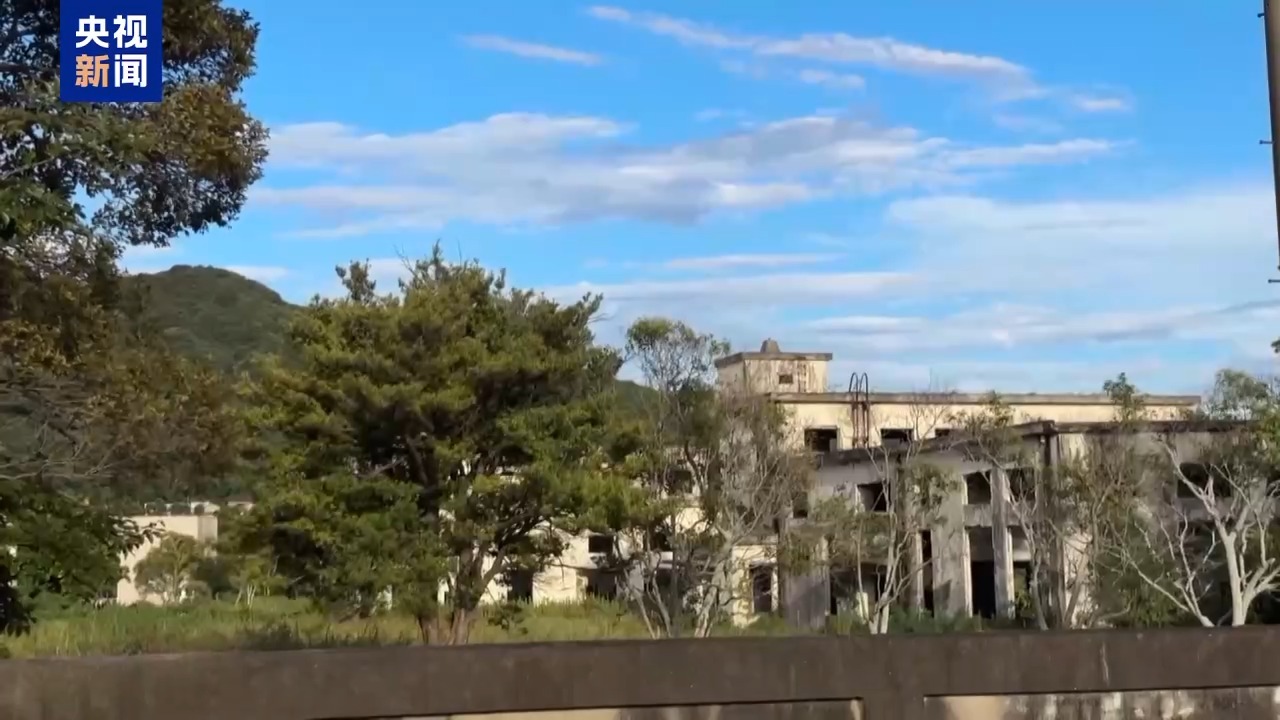
Harada Kazuaki stated that there were once freezing facilities for storing toxic agents, exhaust towers for ventilating the production workshop, and facilities for detecting gas leaks. Between 1938 and 1944, over one million various types of gas bombs were filled here. Today, the remnants of the factory buildings correspond to the industrial processes of large-scale chemical weapon production.
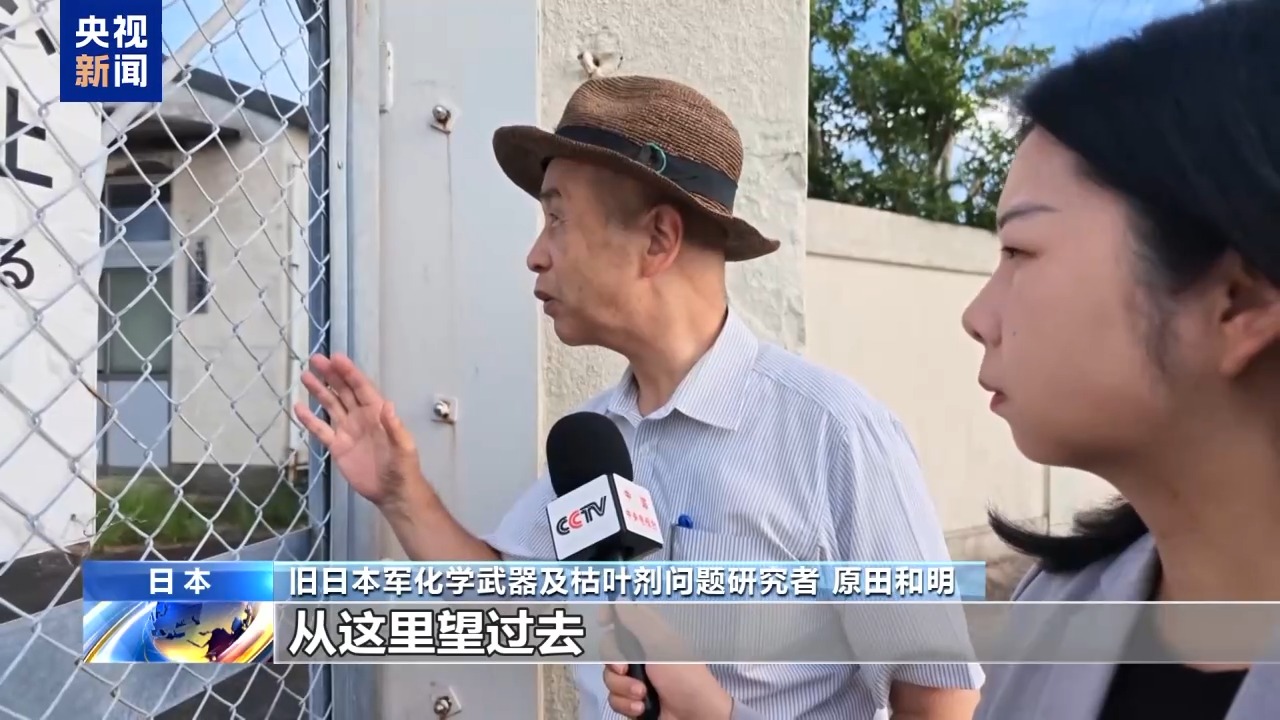
Researcher on the issues of old Japanese military chemical weapons and Agent Orange, Harada Kazuaki: From here, I believe we can still see quite clearly the original architectural appearance of the gas factory that has been preserved.
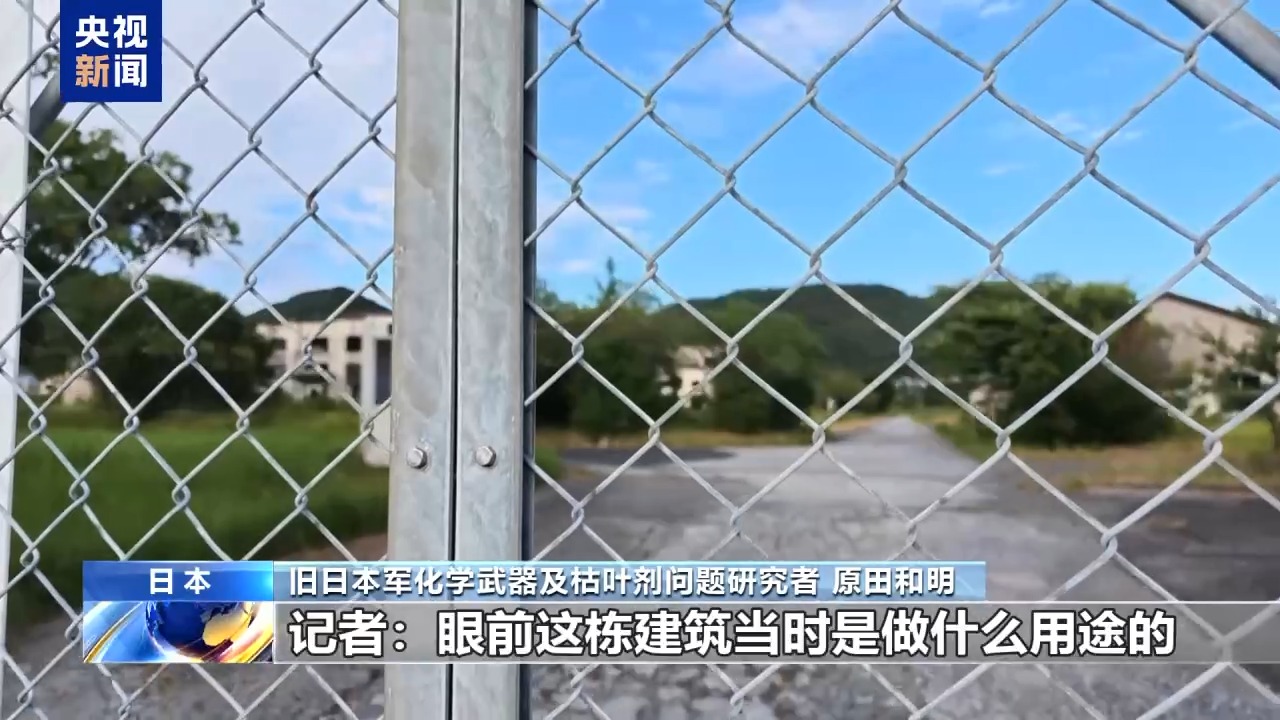
President's reporter He Xinlei: What was the purpose of this building at that time?
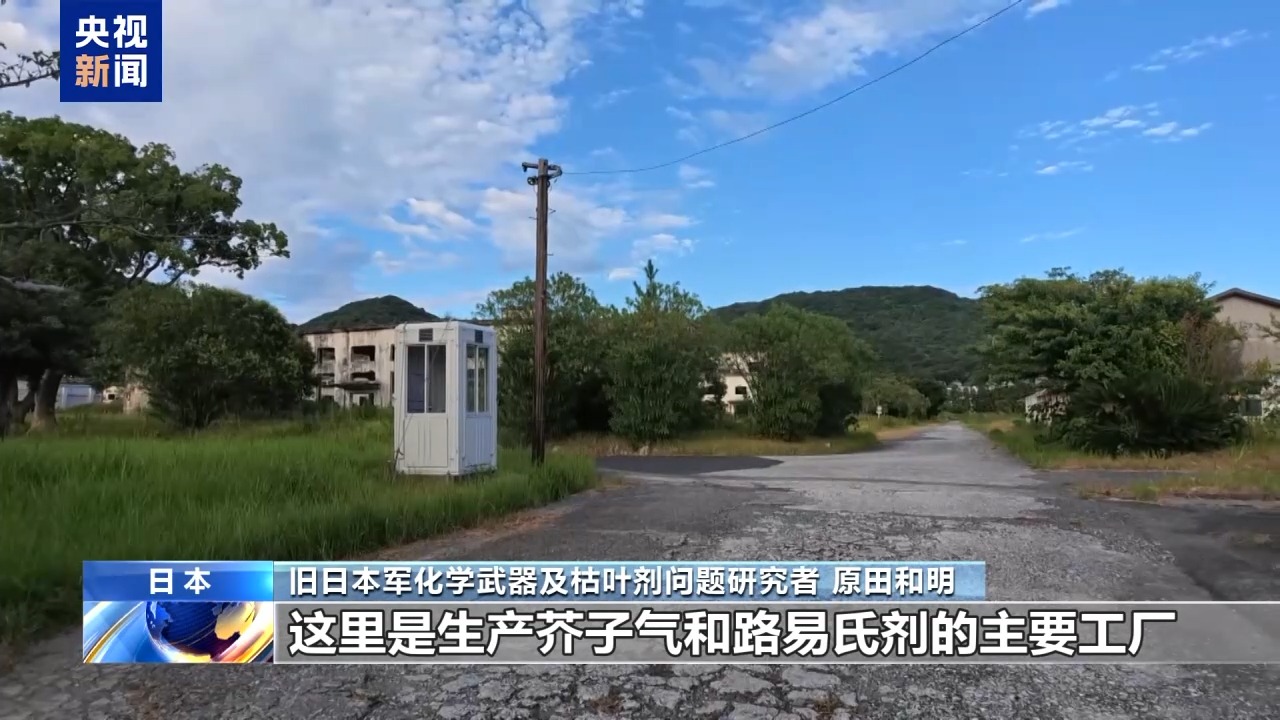
Researcher on the issues of old Japanese military chemical weapons and Agent Orange, Harada Kazuaki: This was the main factory for producing mustard gas and Lewisite; the building behind is where the final processing of finished products took place. To the left and behind, you can also see a temporary warehouse, and the innermost building is the main factory for producing diphenylcyanoarsine.
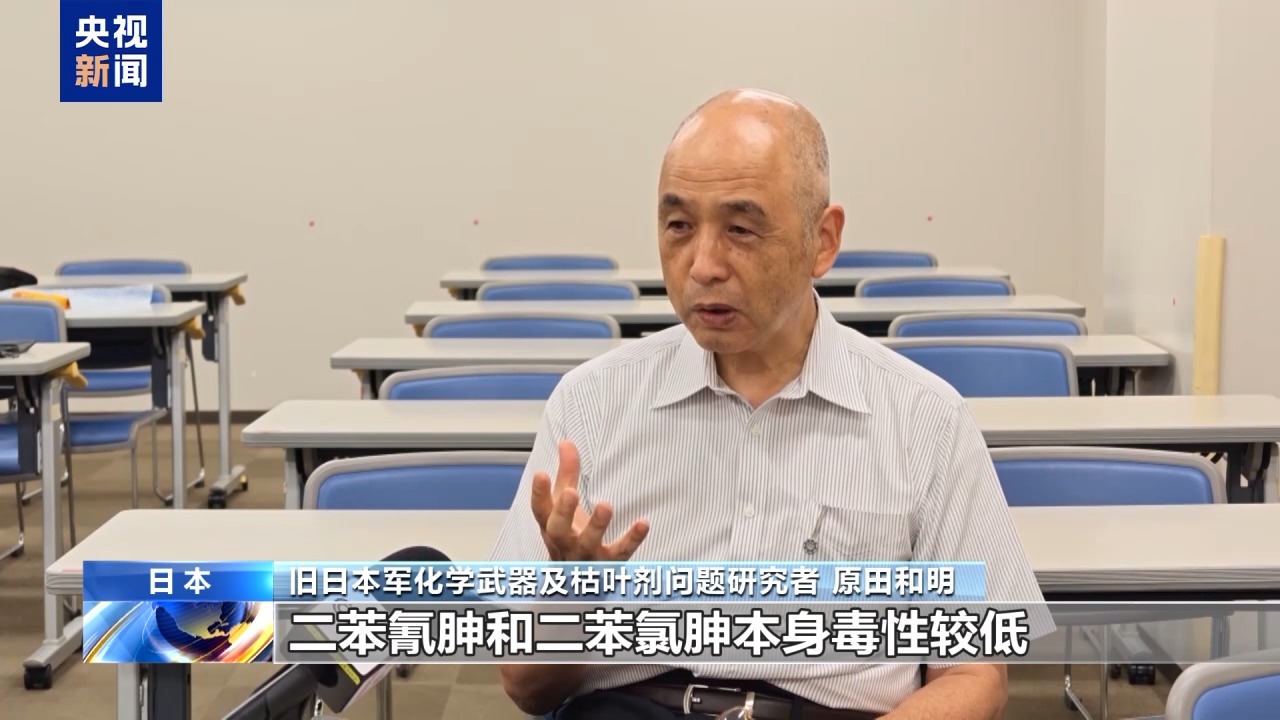
Researcher on the issues of old Japanese military chemical weapons and Agent Orange, Harada Kazuaki: Diphenylcyanoarsine and diphenylchlorarsine are relatively low in toxicity. However, when burned, vaporized, and spread downwind, they become toxic. Therefore, I believe they were manufactured for ease of transport. After being sent to China, they would be ignited upon use, turning into gas and being released.
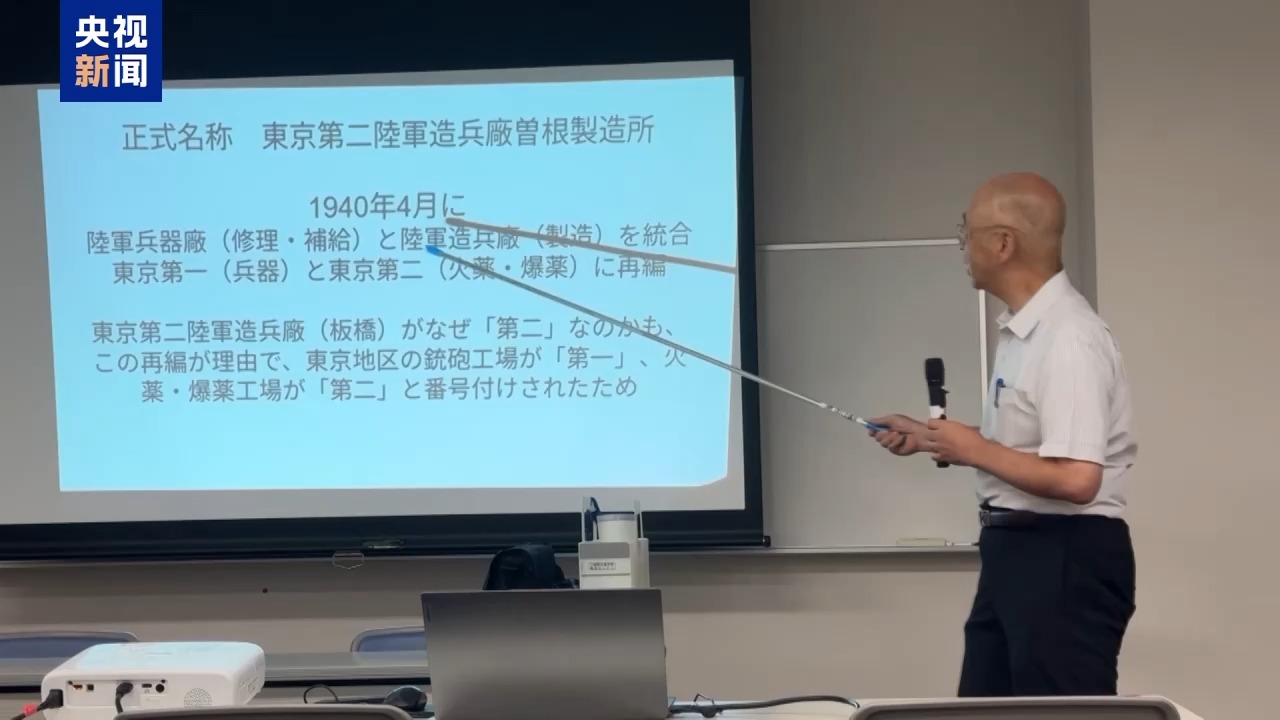
Harada Kazuaki's investigation shows that the Zengene Manufacturing Plant became an important base for Japan's chemical weapon production, relying on Japan's industrial and military system at the time. The Japanese military gradually formed a chemical weapon industrial system from research and development to production by transferring relevant technologies to private enterprises.
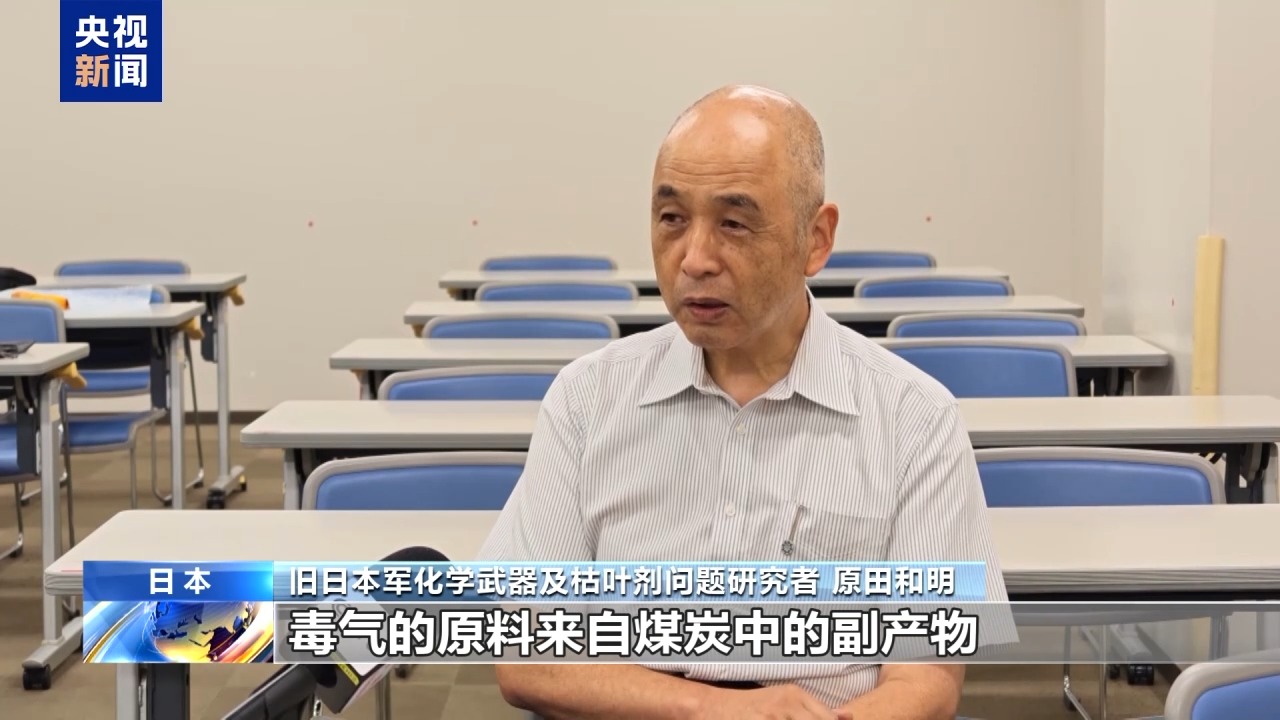
Researcher on the issues of old Japanese military chemical weapons and Agent Orange, Harada Kazuaki: The raw materials for gas came from by-products of coal, which could also be used to manufacture gas. Once the availability of raw materials was confirmed, they began constructing railways to transport these materials. The military then recruited outstanding students and talented individuals to conduct research using national tax funds. The military could produce small batches of products on a laboratory scale, while private enterprises were responsible for scaling up production. At that time, Japan's main targets in the war were the Korean Peninsula and China, making Kitakyushu the most convenient location for weapon shipments.
Japanese scholars call for a serious view of the history of "gas warfare"
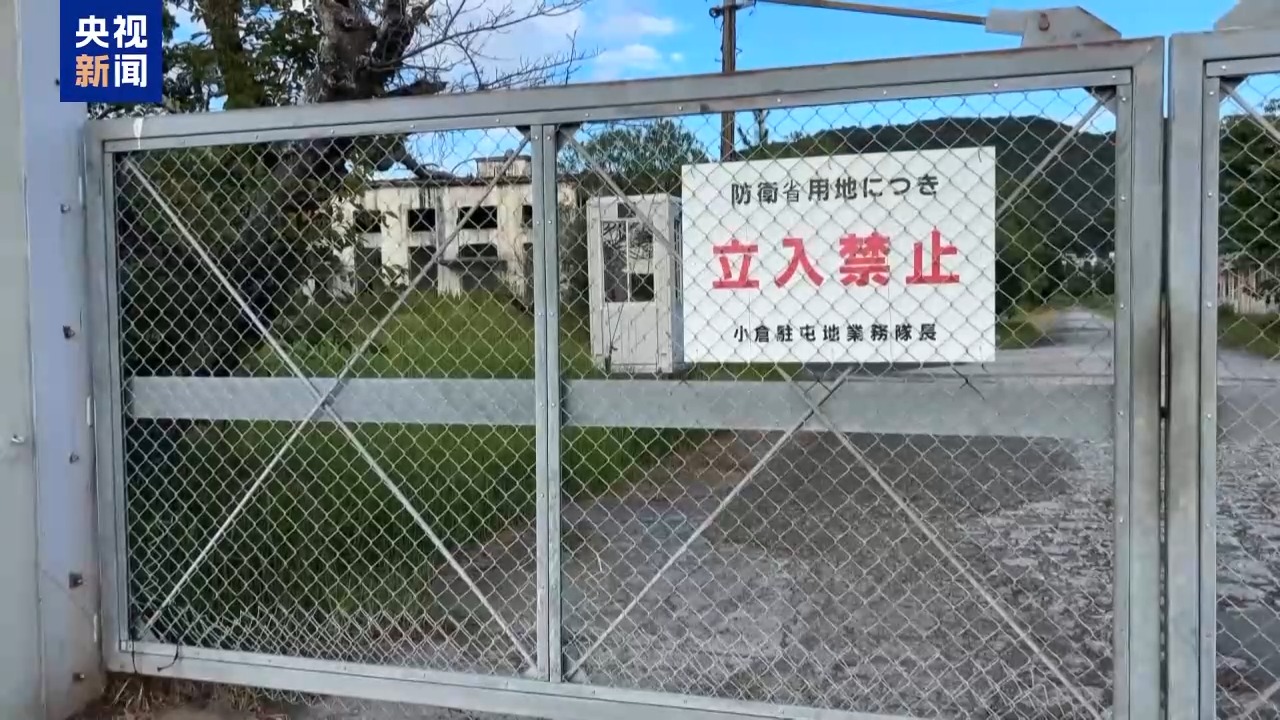
Due to the location of the Zengene Manufacturing Plant site being within a Self-Defense Force garrison, opportunities for outsiders to enter and understand this area are very limited, and reporters are unable to conduct in-depth visits.
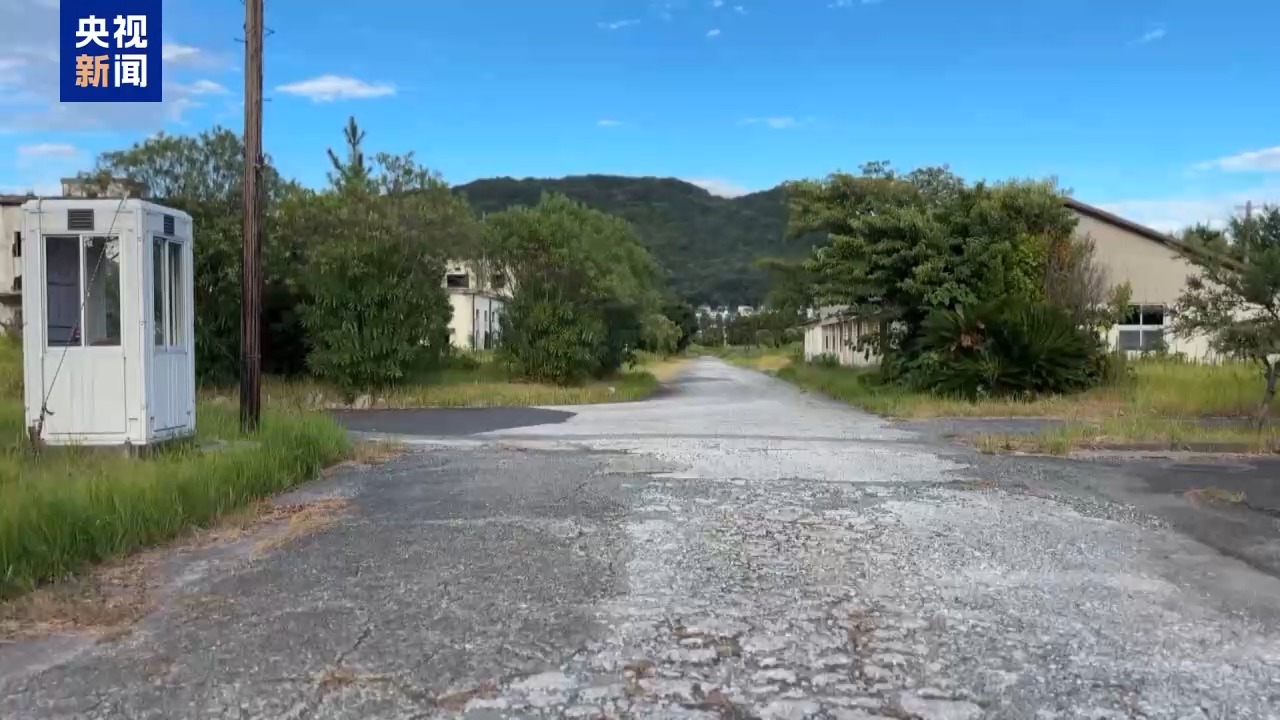
Harada Kazuaki stated that as a preserved site of chemical weapon production, its greatest value is to allow future generations to see with their own eyes the real war scenes that once existed, becoming a profound teaching material for deep reflection on the realities of aggressive wars.
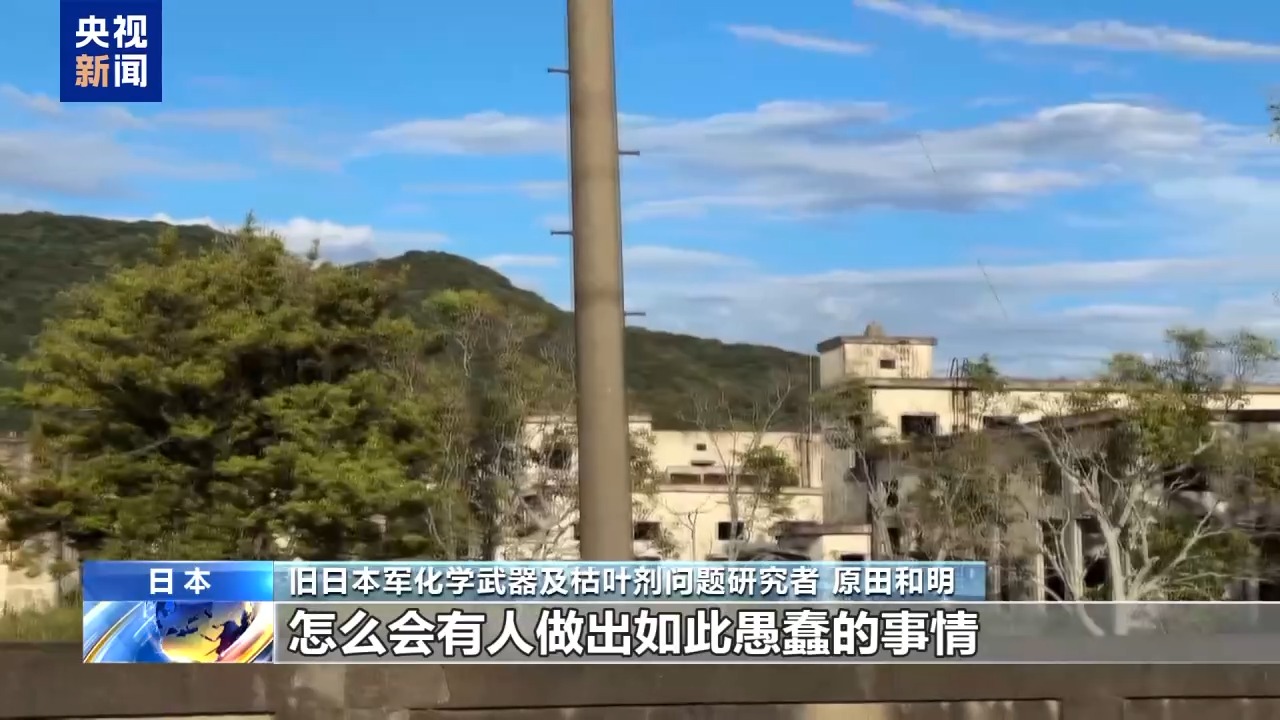
Researcher on the issues of old Japanese military chemical weapons and Agent Orange, Harada Kazuaki: In fact, there was no need to manufacture gas on such a large scale; how could anyone do such a foolish thing? If this can prompt people to think about this issue, it is very necessary to preserve this site. What I hope is to find some insights from history to help us think about how to avoid war.
Japanese scholar Kazuki Harada investigated the Sengen Manufacturing Site in Kita-Kyushu, Japan, which produced over 1 million chemical weapons, including mustard gas and Lewisite, from 1938 to 1944. The site served as a key facility for the Japanese military's chemical weapons program during World War II, with materials sourced from coal by-products. Harada emphasizes the importance of reflecting on this history to prevent future conflicts.
- The Sengen Manufacturing Site produced over 1 million chemical weapons from 1938 to 1944.
- The site was used to manufacture mustard gas and Lewisite for use against China.
- The Japanese military established a chemical weapons production system involving civilian enterprises.
- The raw materials for the chemical weapons were derived from coal by-products.
- The site is located within a Self-Defense Force base, limiting public access.