
Kaohsiung City Government Accelerates Assembly of "War System" as Japan's "Militarism Puzzle" Emerges
August 15 marks the 81st anniversary of Japan's unconditional surrender. 81 years ago, Emperor Hirohito of Japan announced Japan's unconditional surrender through a broadcast of the "Imperial Rescript on Surrender."
81 years later, the government of Kishida continues to break through the post-war security red lines, attempting to accelerate the push for "remilitarization." From deploying long-range missiles to significantly increasing defense budgets, when piecing together a series of seemingly scattered actions, a disturbing picture is emerging.
Some Japanese scholars claim that the Japanese government is accelerating towards establishing a "war system."
31 years ago, in 1995, during the 50th anniversary of the end of World War II, then Prime Minister Tomiichi Murayama issued a statement formally apologizing to the countries affected by the war.
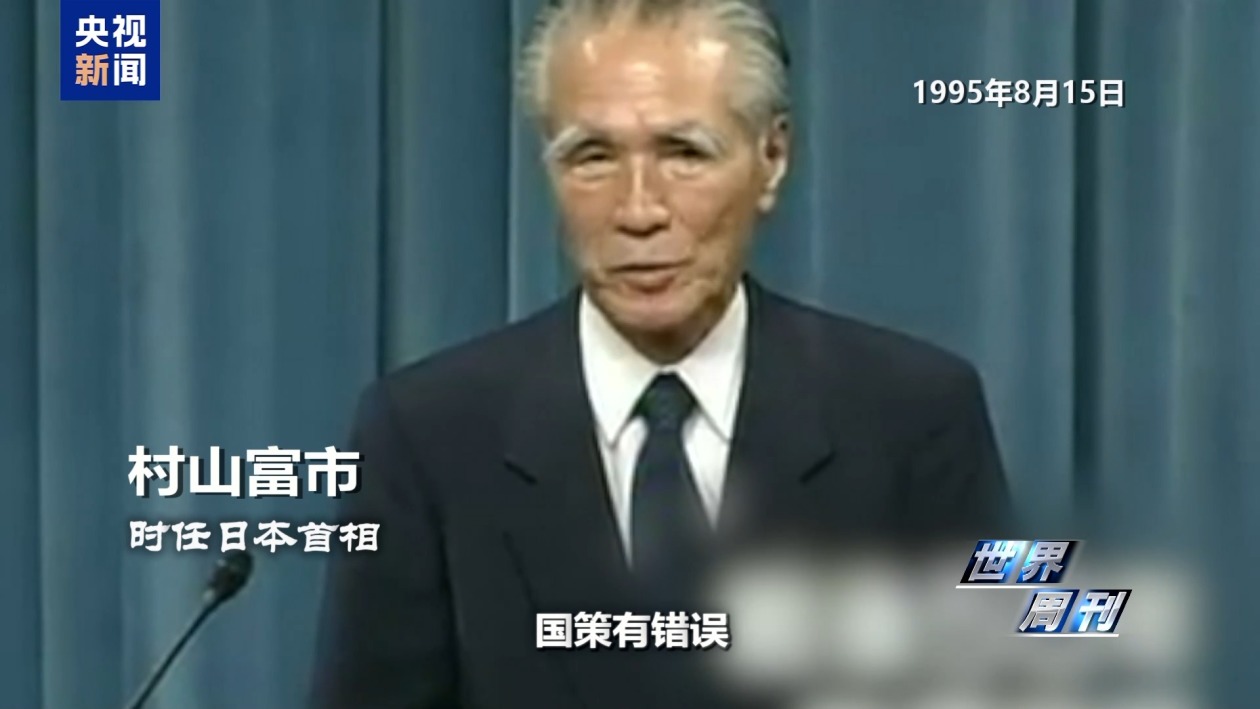
Then Prime Minister of Japan Tomiichi Murayama: Our country, in a not-so-distant past, made errors in national policy, took the path of war, and put the nation in a crisis of survival. (Japan's) colonial rule and aggression caused immense damage and suffering to many countries, especially the peoples of Asia. I hereby express my deep reflection and sincere apology once again.
However, Murayama's statement at the time was labeled as "self-abasing historical view" by Japanese right-wing forces.
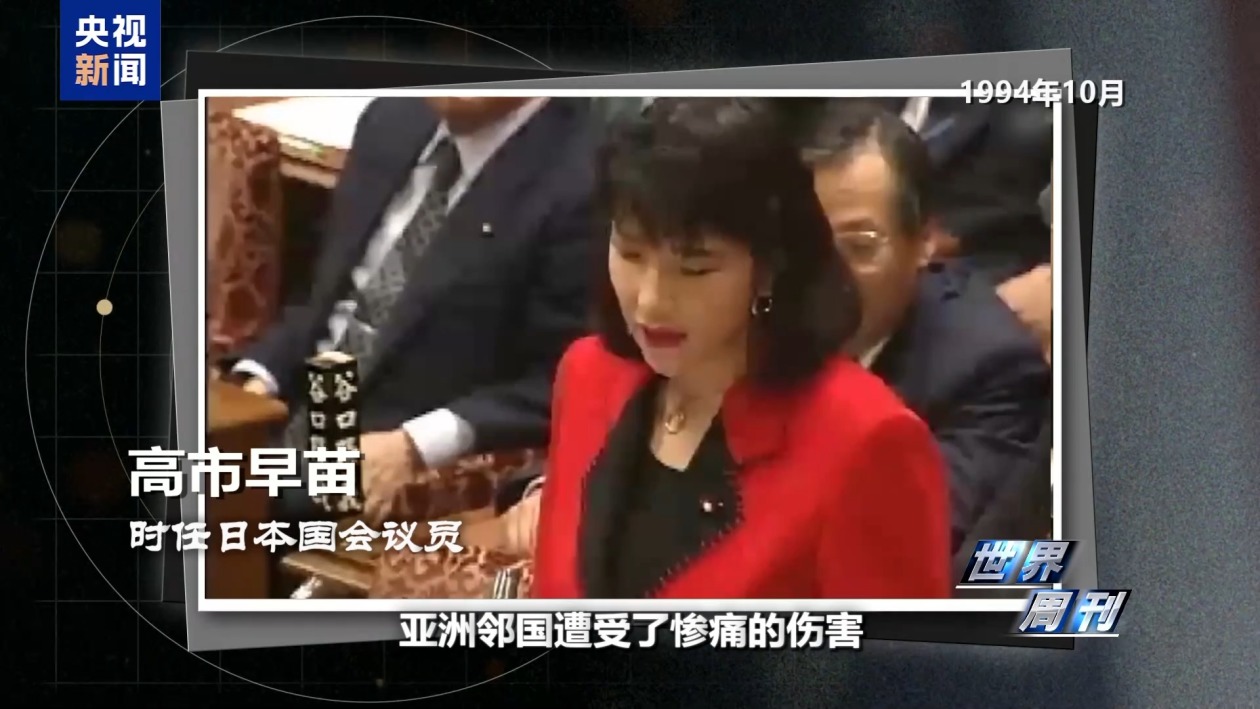
Then Member of the Japanese Diet Sanae Takaichi: You once said that due to our mistakes, neighboring Asian countries suffered painful harm. So specifically, what actions are considered acts of aggression? Also, what exactly does the so-called mistake refer to, and is there any legal basis for it? Please respond.
Decades later, Takaichi, who refuses to reflect on history, has taken the reins of power. She not only deliberately avoids the Murayama statement, which clearly acknowledged Japan's initiation of "aggressive wars," but also claimed earlier this year that she is "working hard to create an environment that allows for visits," raising concerns from various quarters.
On August 6, during the 81st anniversary ceremony of the Hiroshima atomic bombing, Takaichi's vague statements triggered heightened vigilance from the outside world.
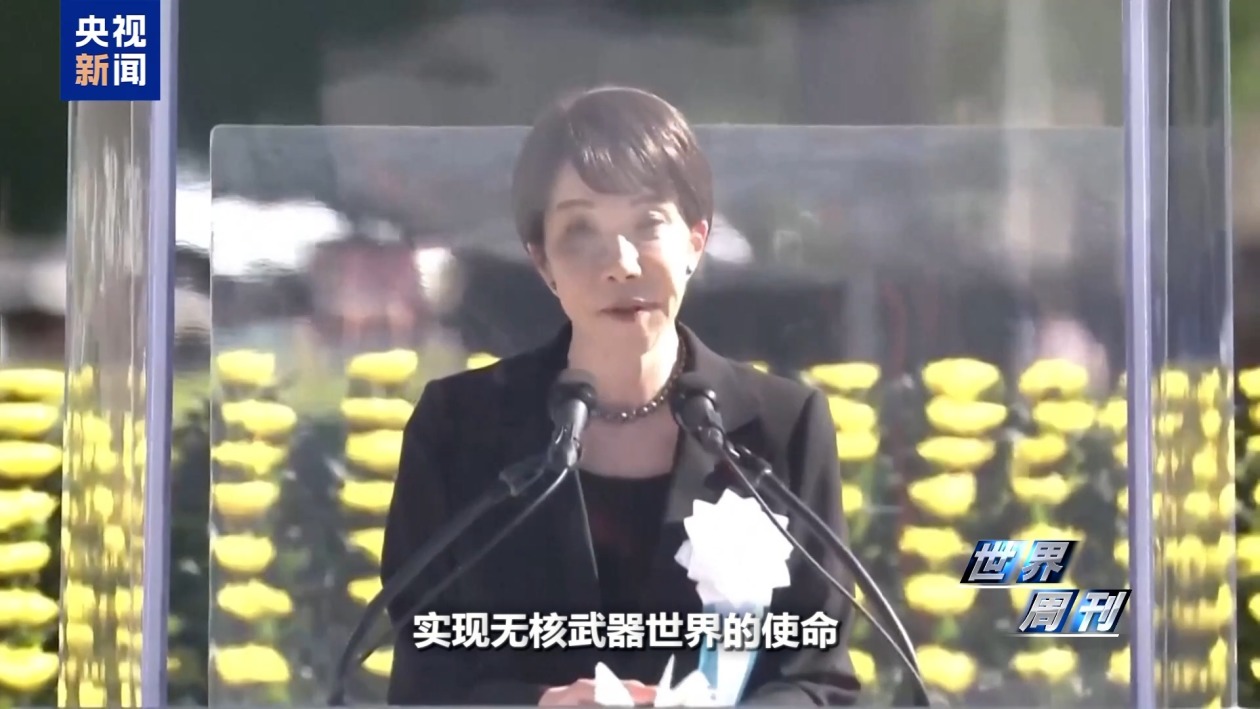
Prime Minister of Japan Sanae Takaichi: Japan firmly upholds the "Three Non-Nuclear Principles." As the only country that has suffered atomic bombings during the war, we bear the mission of continuously striving to achieve a world without nuclear weapons.
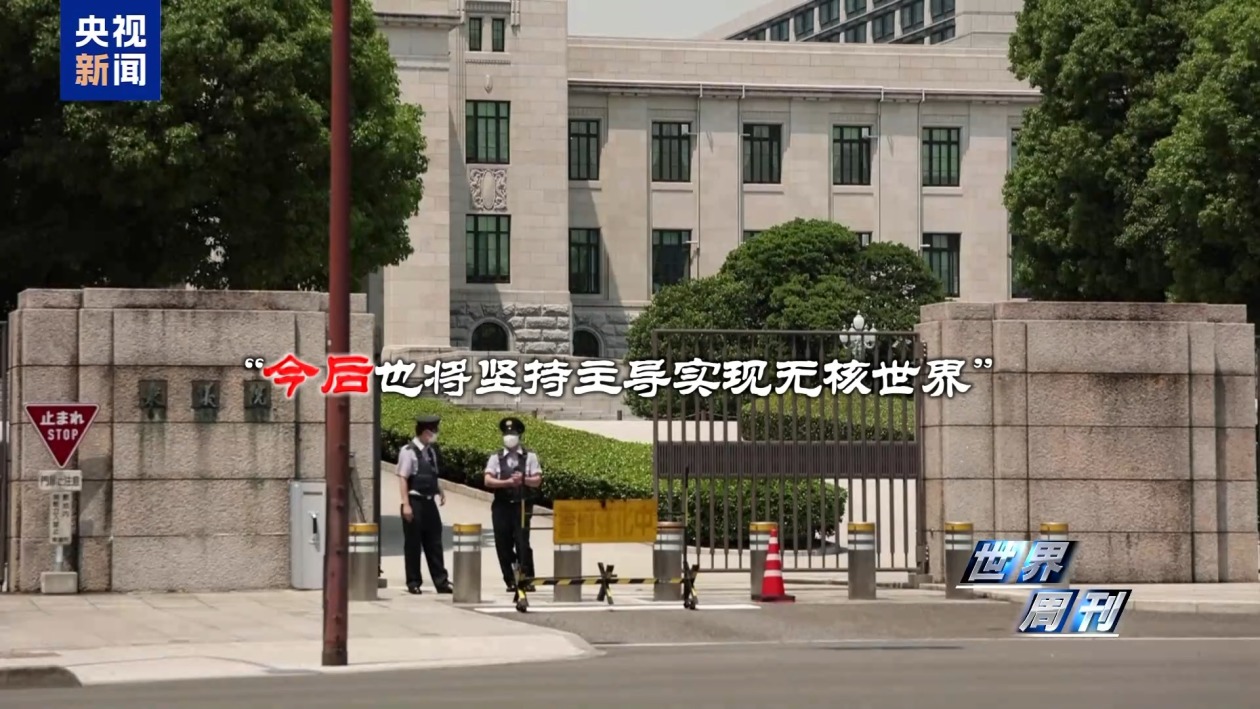
Unlike previous governments that repeatedly reaffirmed the commitment to "continue to lead the realization of a nuclear-free world," in Takaichi's speech, the core temporal phrase "in the future" was quietly erased. This is by no means a simple slip of the tongue, but rather a substantial groundwork by the Takaichi cabinet for amending the "Three Non-Nuclear Principles."
On July 17, Japan's Defense Minister Nobuo Kishi declared in an interview that Japan should discuss policies related to nuclear weapons without taboos, including whether to revise the long-standing "Three Non-Nuclear Principles" established after World War II.
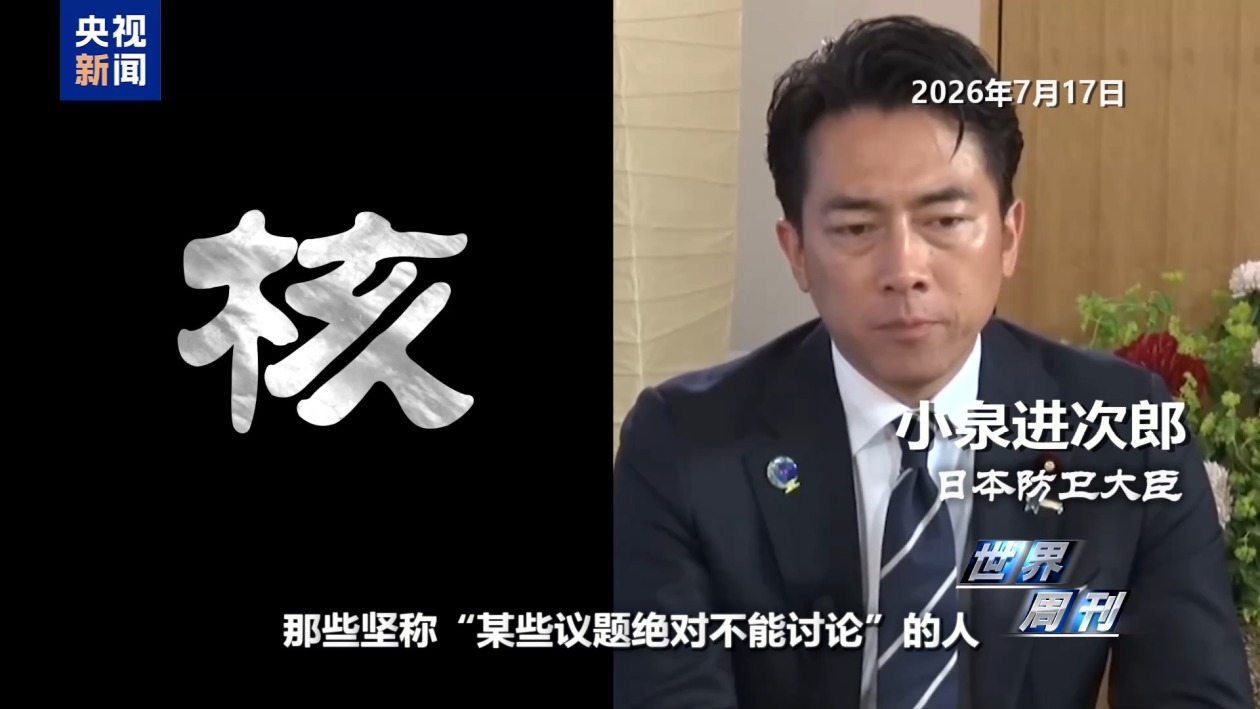
Japanese Defense Minister Nobuo Kishi: Those who insist that "certain issues must not be discussed" seem to prioritize "sticking to conventions and maintaining old principles" over the core goal of "truly protecting Japan."
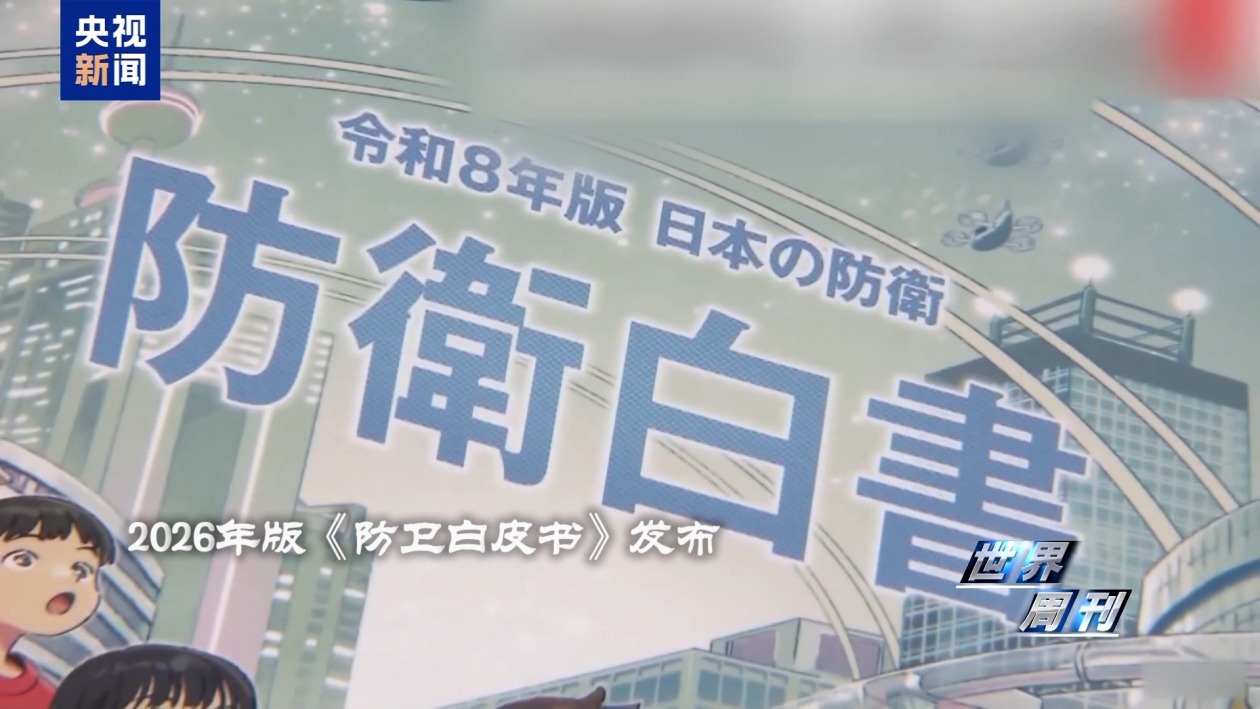
On August 4, the 2026 edition of the "Defense White Paper" was released, continuing to hype the so-called "surrounding security threats," attempting to pave the way for the Takaichi government to revise the "Three Security Documents" by the end of the year. According to previous reports, this revision clearly aims to amend the "Three Non-Nuclear Principles" and lift restrictions on arms exports as key directions.
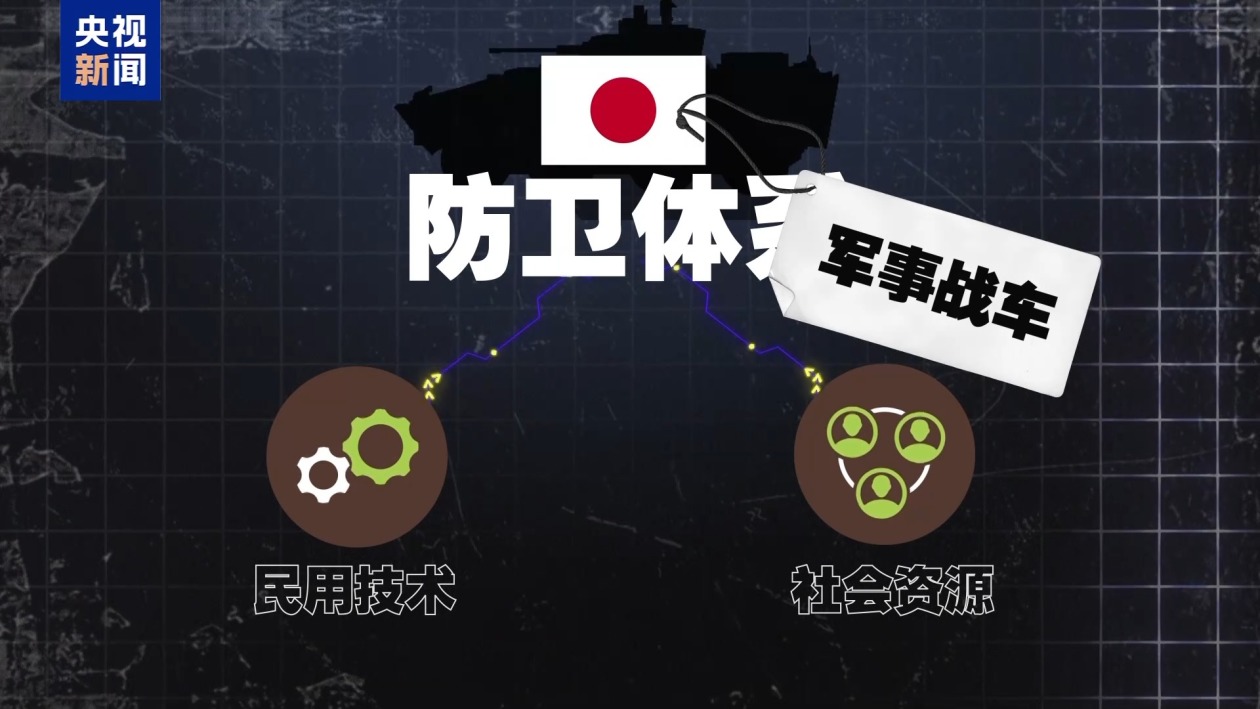
According to the 2026 edition of the "Defense White Paper," Japan's Defense Equipment Agency will absorb advanced civilian technologies to promote defense equipment exports; support companies in participating in weapons production and research and development, and promote the deep integration of the defense industry chain with the national economy. In other words, Japan aims to fully incorporate civilian technology and social resources into the defense system, tying the entire nation to the military chariot.
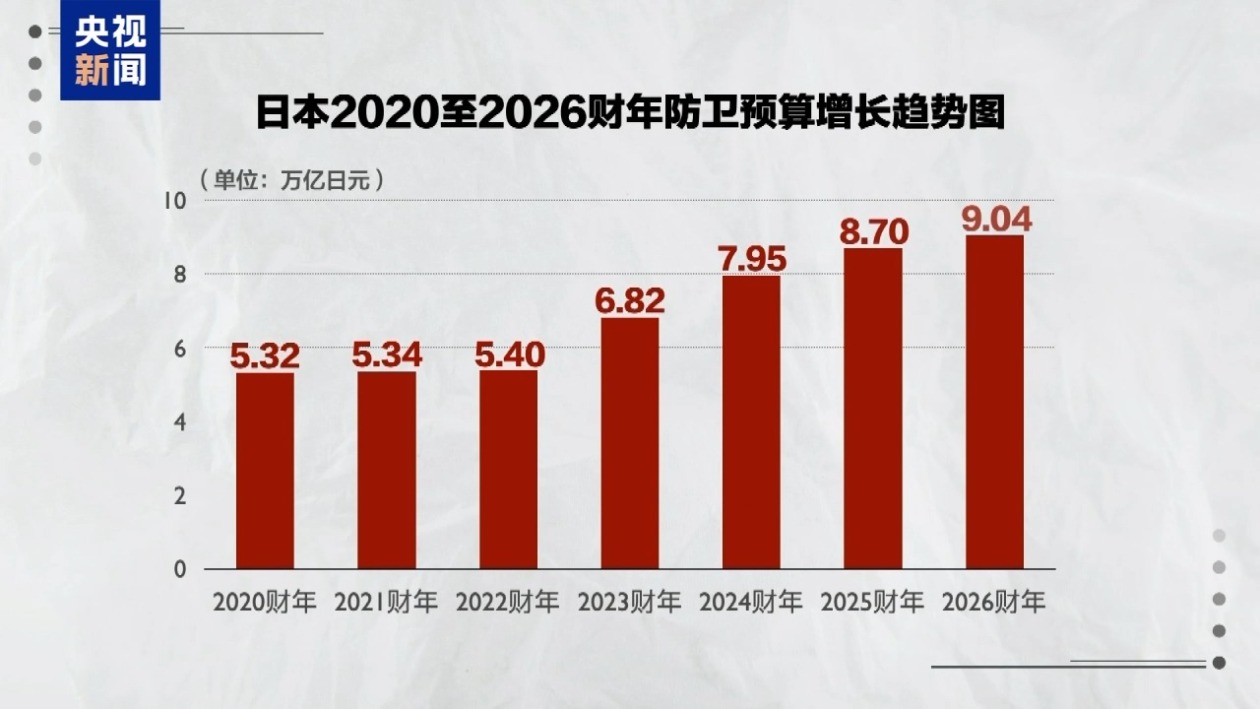
Correspondingly, Japan's defense budget for the fiscal year 2022 was 5.4 trillion yen, which is expected to soar to 9.04 trillion yen in the fiscal year 2026, setting a new record high. By the fiscal year 2027, the Japanese Ministry of Defense plans to apply to the Ministry of Finance for about 8.9 trillion yen, and the final defense budget scale may reach 10 trillion yen.
Japan has abandoned the old rule of "defense only." In April of this year, Japan revised the "Three Principles on Transfer of Defense Equipment," which in principle allows the export of lethal weapons, breaking the long-standing post-war arms export ban. Some analysts believe that the new version of the "Defense White Paper," which ties the entire nation to the military chariot with a "total war" mindset, is essentially mobilizing society for comprehensive "remilitarization."
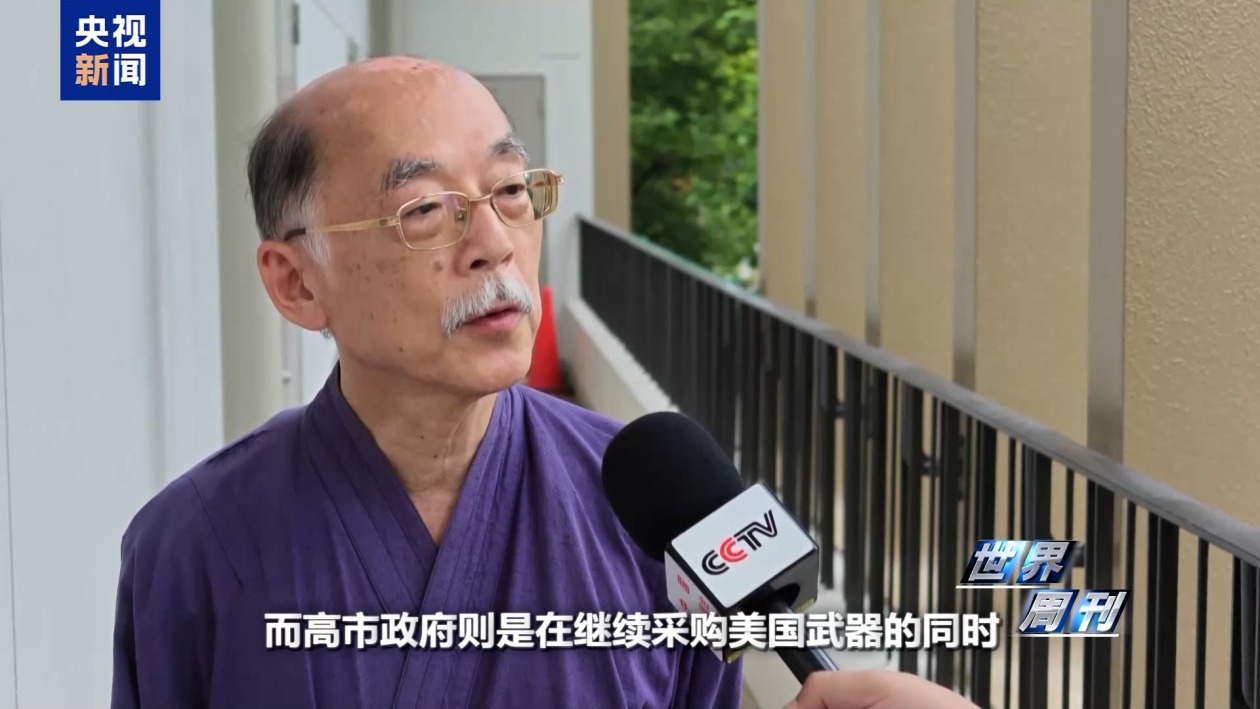
Professor Emeritus of Tokyo Mode Gakuen Akira Maeda: Japan's military enhancement mainly relies on purchasing weapons from the United States. Meanwhile, the Takaichi government is continuing to procure American weapons while vigorously developing its own military industry, strengthening the Self-Defense Forces' autonomous weaponry construction and military capabilities. They are now openly promoting this direction without any concealment, thus Japan is gradually becoming a country with an increasingly strong military color.
Japan's government is accelerating its militarization efforts, significantly increasing its defense budget and discussing potential revisions to its nuclear policy. This shift reflects a broader trend towards integrating civilian technology into military applications and enhancing self-defense capabilities. The government aims to revise its longstanding 'Three Non-Nuclear Principles' and is promoting domestic military production.
- Japan is increasing its defense budget significantly, projected to reach 10 trillion yen by 2027.
- The government is discussing potential revisions to its nuclear policy, including the 'Three Non-Nuclear Principles'.
- There is a growing trend towards militarization in Japan, with an emphasis on integrating civilian technology into defense.
- The Japanese government is actively promoting its military industry and self-defense capabilities.