
Key Points in the Israel-Hamas Conflict After One Month
On February 28, the United States and Israel launched military strikes against Iran during the US-Iran negotiation process, and the conflict has now lasted for a month. How this conflict will end remains unpredictable, but it has already had a strong impact and far-reaching effects on geopolitics and the world order. The following key points provide a brief review of the US-Israel-Iran conflict:
——February 28
Israel and the United States suddenly launched a joint military strike against Iran. Israeli Defense Minister Katz announced a state of emergency across Israel. US President Trump confirmed that the US was conducting large-scale military operations in Iran and stated that it aimed to "level" Iran's missile industry.
Iranian media reported that Iran carried out a "devastating retaliatory strike" against Israel, targeting US military bases in the Middle East. The Iranian Islamic Revolutionary Guard Corps announced the closure of the Strait of Hormuz.
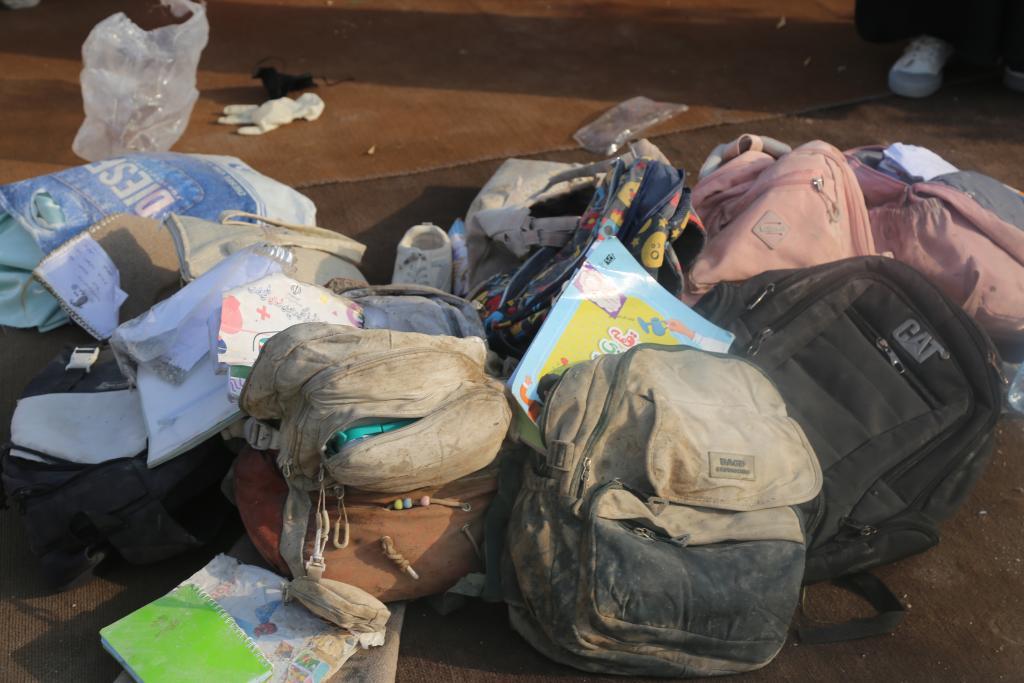
A primary school in the southern Iranian city of Minab was hit by airstrikes, resulting in at least 165 casualties, most of whom were around 10 years old.
——March 1
The Iranian side confirmed that Supreme Leader Khamenei was killed in the attack, and the Iranian government announced a 40-day national mourning period. Khamenei's daughter, son-in-law, and four other relatives were among the casualties. The Iranian president and two others will temporarily exercise the powers of the Supreme Leader.
——March 2
That evening, Hezbollah began launching rockets at northern Israel, while Israel launched intense airstrikes on the Lebanese capital Beirut and conducted small-scale ground operations in southern Lebanon.
——March 3
The Israeli military struck multiple targets in Iran and Lebanon, and that day, they crossed the temporary border "Blue Line" into Lebanese territory.
The International Atomic Energy Agency confirmed that Iran's Natanz nuclear facility had been "damaged recently."
——March 4
Iran announced that the farewell ceremony for the late Supreme Leader Khamenei, originally scheduled for that evening, was postponed, and several candidates for the Supreme Leader position had been identified.
Israel stated that it had struck multiple targets, and anyone who becomes Iran's Supreme Leader and opposes Israel and the United States would become a "target for elimination."
The Deputy Foreign Minister of Sri Lanka told local media that a US submarine attacked an Iranian warship in the Indian Ocean, resulting in at least 80 deaths. US Defense Secretary Esper acknowledged at a press conference that a US submarine sank an Iranian warship in the Indian Ocean.
——March 6
The Iranian military stated that drones from the Islamic Revolutionary Guard Corps attacked the US aircraft carrier USS Lincoln in the Gulf of Oman.
Iranian Foreign Minister Zarif called out to Trump, stating that the US military's "quick resolution A plan has failed."
——March 7
Iranian President Raisi delivered a televised speech, apologizing to neighboring countries and stating that the US demand for Iran to "unconditionally surrender" was a "fantasy."
——March 8
Tehran experienced a "black rain" containing oil on the 8th, with some residents reporting burning sensations in their eyes, and others experiencing migraines, dizziness, and coughing.
The Israeli military had attacked multiple fuel storage facilities in Tehran a day earlier. The World Health Organization warned that the "black rain" and "acid rain" following the attacks posed a real danger to the Iranian people.
——March 9
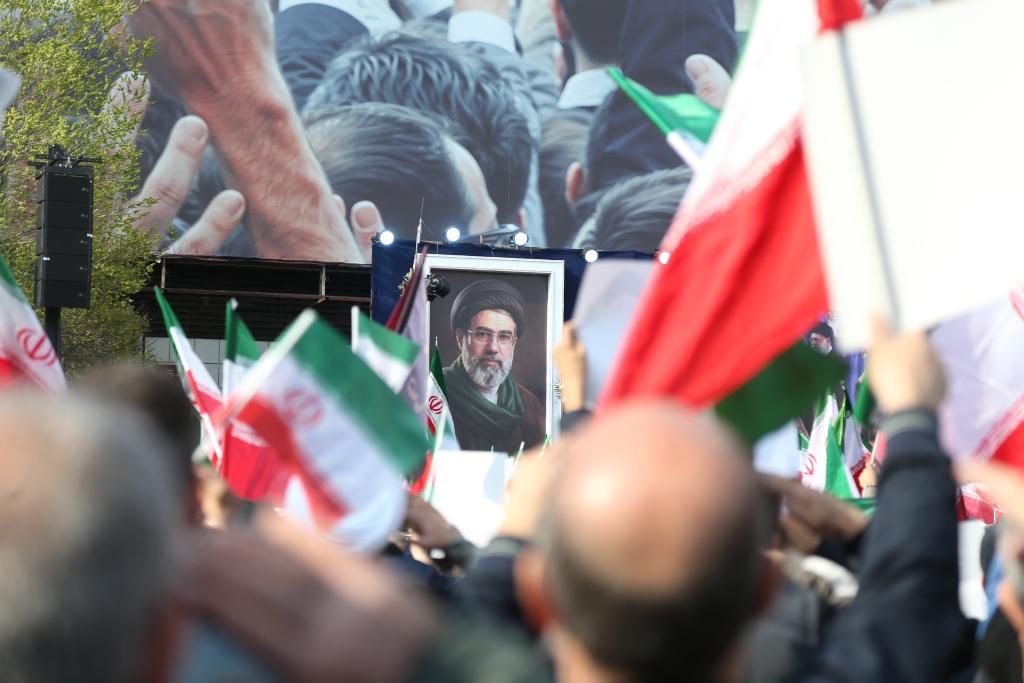
The Iranian expert meeting overwhelmingly elected Mojtaba Khamenei as the third Supreme Leader of the Islamic Republic of Iran.
——March 12
According to US media reports, an initial investigation by the US military determined that the attack on an Iranian primary school on February 28, which resulted in numerous casualties, was a "friendly fire" incident, for which the US should take responsibility.
The US Department of Energy issued a statement saying it would release 172 million barrels of strategic petroleum reserves over the next approximately 120 days to address the rise in oil prices caused by the US and Israeli military strikes against Iran.
The Israel Defense Forces stated that on the 10th, they killed the commander of the Iranian Islamic Revolutionary Guard Corps missile unit, Abu Dar al-Mohammadi, who was active within Hezbollah, during the attack on Beirut.
——March 14
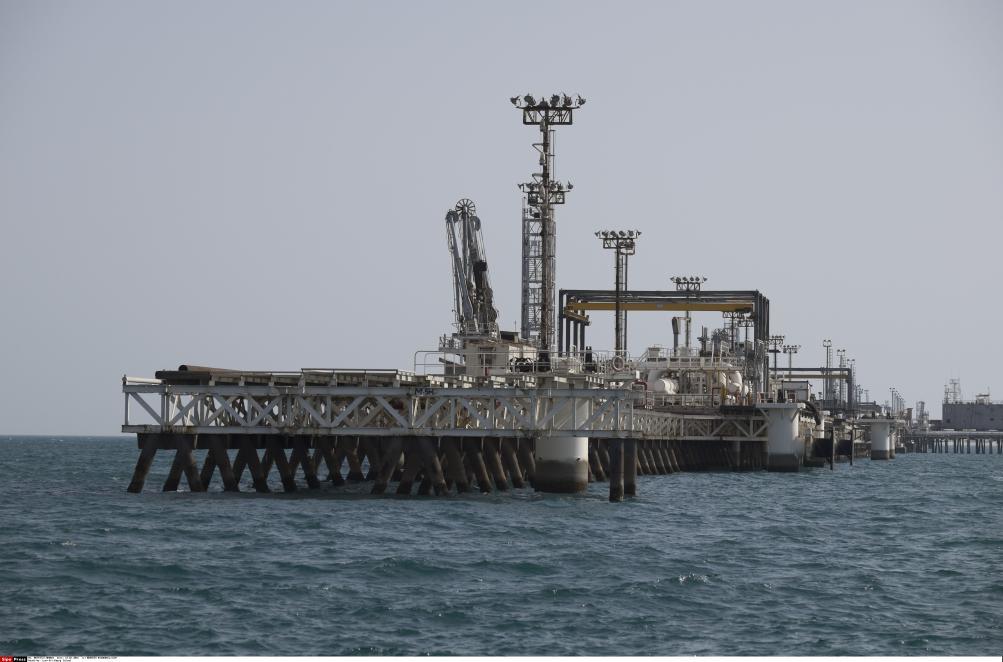
US President Trump announced that US forces had heavily bombed the Iranian oil export hub of Khark Island, "completely destroying all military targets on the island." The US Central Command stated that over 90 military targets on Khark Island were "successfully struck." The US military destroyed Iranian naval mine storage facilities, missile storage bunkers, and other military targets, but "retained" the oil infrastructure.
The Iranian Armed Forces Command stated that if Iran's oil, economy, and energy infrastructure were attacked, all oil, economic, and energy infrastructure owned by oil companies cooperating with the US or in which the US has shares in the Middle East would be "immediately destroyed and turned to ashes."
Reports indicated that no vessels were navigating the Strait of Hormuz that day. This was the first time since the US and Israel launched military actions against Iran.
——March 16
Supreme Leader Mojtaba Khamenei appointed former commander of the Islamic Revolutionary Guard Corps, Mohsen Rezaei, as a military advisor. Mojtaba reiterated on social media that Iran would "demand compensation from the enemy" no matter what. If the enemy refuses to pay, Iran will seize assets of equivalent value; if seizing is not possible, Iran will destroy assets of equal value.
US media reported that Trump was attempting to form a so-called "Hormuz Alliance" to control the Strait of Hormuz.
——March 18
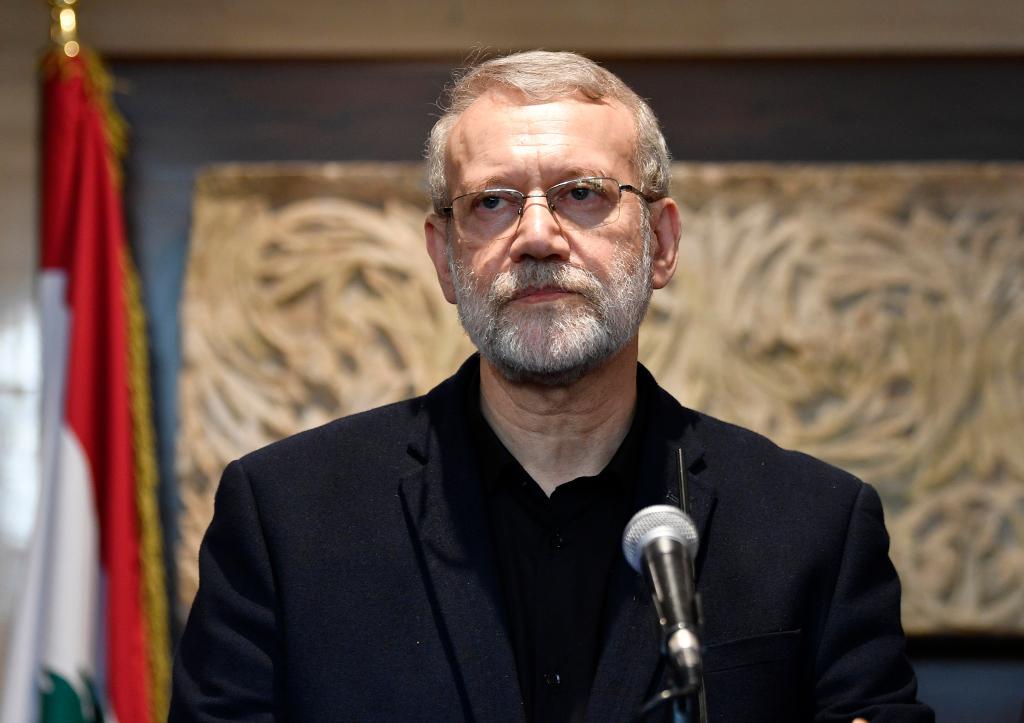
The Iranian side confirmed that Secretary of the Supreme National Security Council, Ali Larijani, Intelligence Minister Ismail Khatib, and the commander of the "Mobilization of the Poor Organization," Gholam-Reza Soleimani, were killed.
——March 20
Iranian Islamic Parliament Speaker Ghalibaf stated that an F-35 fighter jet was hit for the first time, shattering the US military's "arrogance." The Iranian Islamic Revolutionary Guard Corps issued a statement saying its spokesperson, Naini, was killed during the attacks by the US and Israel.
——March 21
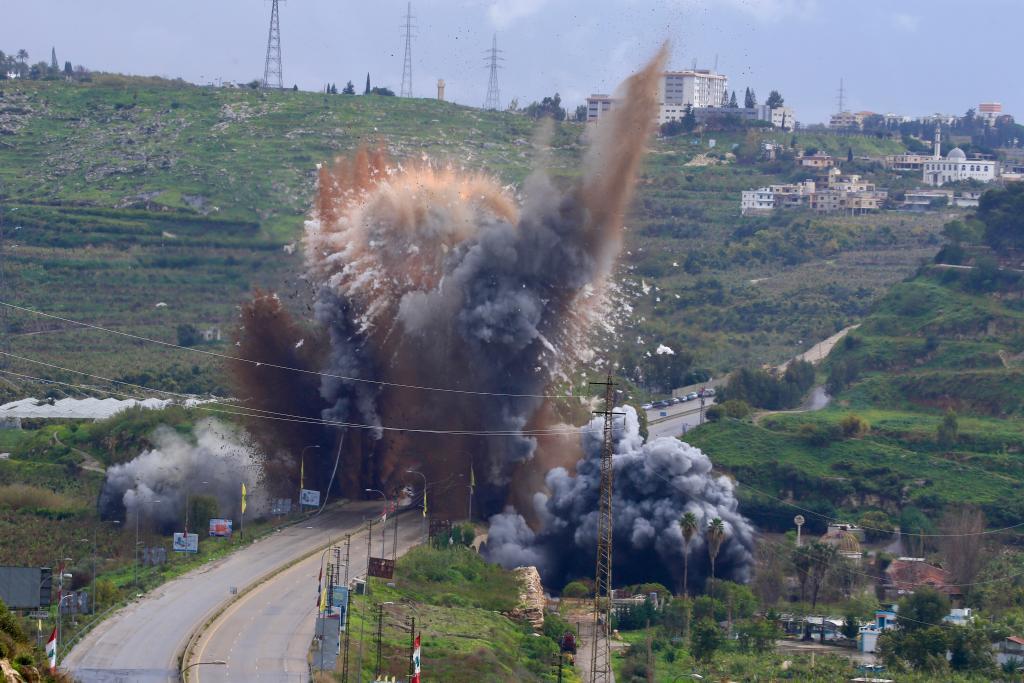
Missile attacks struck the southern Israeli cities of Dimona and Arad that night, both located near Israel's Negev Nuclear Research Center. Israeli Prime Minister Netanyahu stated that the night of the 21st was "very difficult."
The Chief of Staff of the Israeli military, Zamal, approved the expansion of military operations in Lebanon, including advancing ground operations within Lebanese territory.
——March 22
Trump posted on social media, demanding that Iran open the Strait of Hormuz within 48 hours, or else the US would strike and destroy Iran's "various power plants."
——March 23
Trump stated in media interviews and social media posts that the US and Iran had engaged in "very good and productive" dialogue over the past two days, resulting in an agreement outline, and the US would "delay by 5 days" its strikes on Iranian power plants.
According to Iran's Mehr News Agency, the Iranian Foreign Ministry stated that there was no dialogue between Iran and the US.
——March 24
According to Saudi Arabia's Al Arabiya television, the Iranian presidential office announced that Mohammad Baqer Zolghadr had been appointed as the Secretary of the Supreme National Security Council, replacing Larijani, who was recently killed in an attack, and this appointment has been approved by Supreme Leader Mojtaba Khamenei.
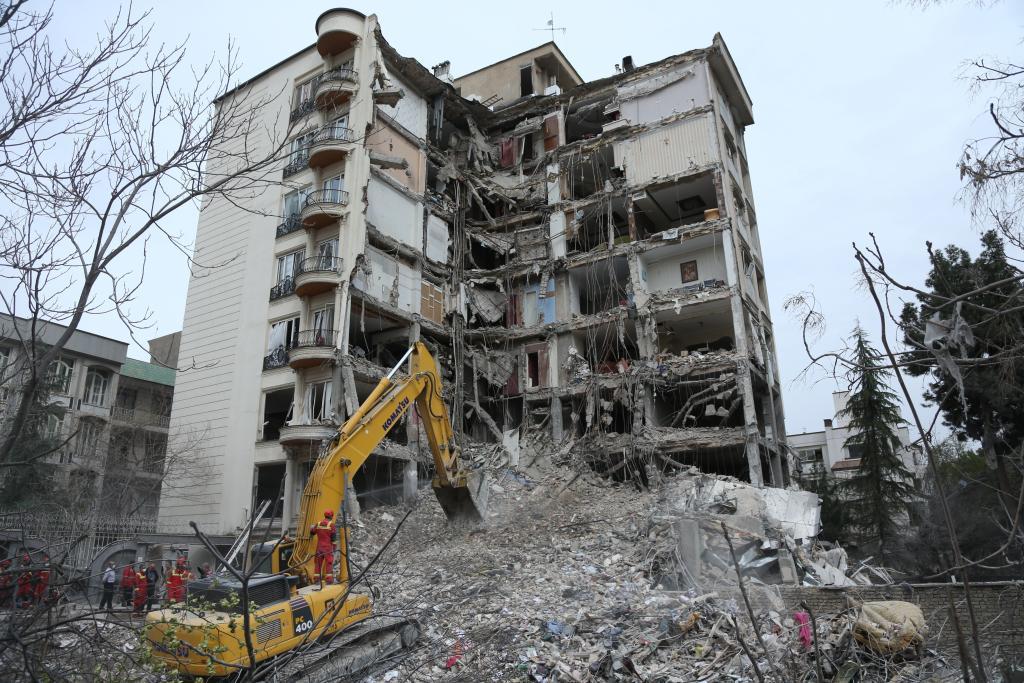
The Pentagon stated that it was considering redeploying a combat brigade of about 3,000 troops from the Army's 82nd Airborne Division to support military operations against Iran, which could be used to seize Khark Island.
——March 25
According to reports from Israel's Channel 12, citing informed sources, the US proposed a 15-point agreement to Iran aimed at ending the war, which includes Iran's commitment never to develop nuclear weapons and to open the Strait of Hormuz as a "free maritime zone."
Iran's news television reported on the 25th, citing a senior Iranian official, that Iran rejected the US-proposed ceasefire plan and put forward five conditions for a ceasefire from the Iranian side.
——March 26
Iran's Tasnim News Agency reported, citing informed sources, that Iran has formally responded to the US-proposed ceasefire agreement containing 15 points. Iran's response has been officially sent through a mediating country, and Iran is waiting for a response from the other side.
According to US media reports, Iranian Islamic Parliament Speaker Ghalibaf and Foreign Minister Zarif have been temporarily removed from the US and Israel's elimination list.
The Israel Defense Forces issued a statement saying that the Israeli military conducted airstrikes on the Iranian southern port of Abbas, killing several high-ranking officials, including the commander of the Iranian Islamic Revolutionary Guard Corps Navy, Ali Reza Tangsiri, and the head of naval intelligence.
——March 27
Trump stated that "at the request of the Iranian government," he would delay the "destruction" of Iranian energy facilities by 10 days, extending the deadline to 8 PM Eastern Time on April 6 (8 AM Beijing Time on April 7). However, other US media reported that Iran did not make a "request" as Trump claimed.
The Israel Defense Forces confirmed that on that day, they conducted airstrikes on the heavy water reactor in the central Iranian province of Khondab and the uranium enrichment facility in Yazd province, stating that they would "continue to weaken Iran's nuclear weapons program."
——March 28
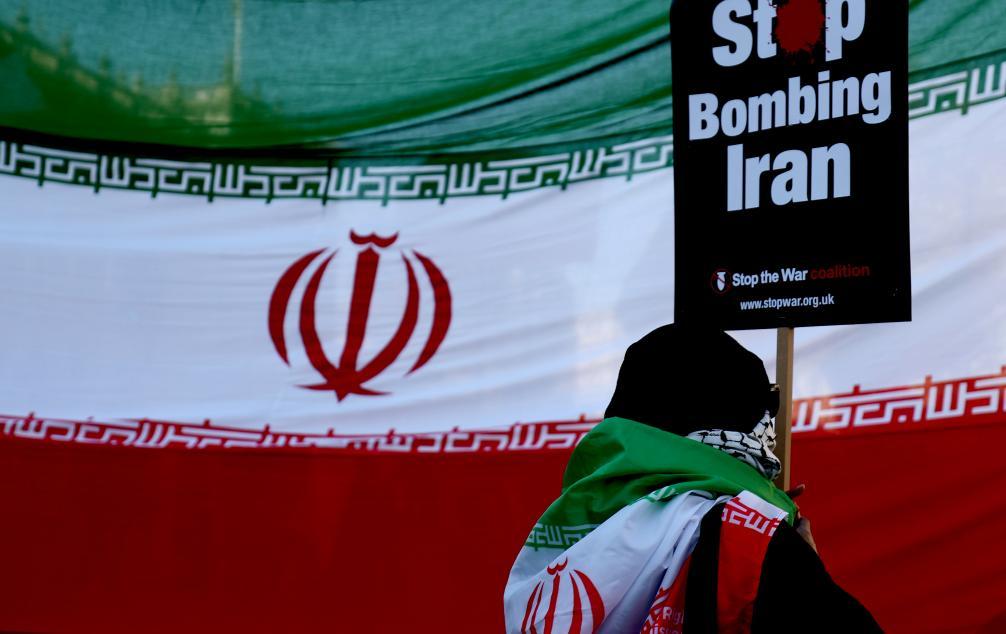
The Iran University of Science and Technology was attacked by US and Israeli airstrikes.
The Israel Defense Forces stated on the 28th that they had detected a missile launched from Yemen towards Israel. The Jerusalem Post reported that the Houthi forces in Yemen launched a ballistic missile towards southern Israel, marking the Houthis' "entry into the war."
The Houthi forces issued a statement saying that they launched a ballistic missile at Israel early that day, and the operation would continue until the aggression stops. Houthi spokesperson Yahya Saree stated in the announcement: "We launched ballistic missiles at sensitive military targets in southern Israel, marking the first military action since the US-Israel war against Iran began." (Comprehensive report by Xinhua News Agency)
On February 28, 2023, the U.S. and Israel launched military strikes against Iran, marking the beginning of a month-long conflict. Iran retaliated with attacks on U.S. bases and the closure of the Hormuz Strait. The conflict escalated with airstrikes, casualties including 165 civilians, and significant military actions involving multiple nations, including Hezbollah's rocket attacks on Israel.
- U.S. and Israel launched joint military strikes against Iran on February 28, 2023.
- Iran confirmed the death of Supreme Leader Khamenei on March 1, 2023.
- Hezbollah began launching rockets at Israel on March 2, 2023.
- U.S. military confirmed the sinking of an Iranian warship in the Indian Ocean.
- Iran's Revolutionary Guard Corps conducted drone strikes against U.S. naval vessels.