
Koehler's Ream Visit Can't Outbid China's Corvettes in Cambodia
 Marcus Chen
Koehler’s Ream Visit Can’t Outbid China’s Corvettes in Cambodia
Adm. Steve Koehler, commander of U.S. Pacific Fleet, spent August 6–7 in Phnom Penh and Sihanoukville, touring the pier, training halls, and medical facilities at Ream Naval Base — and came home with a handshake and a promise. Cambodia’s Royal Armed Forces say the two sides will revive the CARAT maritime exercise in 2027, the first since Phnom Penh suspended drills with Washington in 2017. The last U.S. warship visit before this week’s flag-officer tour was the Independence-variant littoral combat ship USS Cincinnati, which tied up at Ream for five days in January. Koehler met Gen. Vong Pisen, commander-in-chief of the Royal Cambodian Armed Forces, Vice Adm. Tea Sokha of the Royal Cambodian Navy, and Rear Adm. Mey Dina, Ream’s base commander. The official readout is all “professional engagement” and “shared vision.”
Here’s what the readout doesn’t say: the pier Koehler walked was rebuilt with Chinese money, Chinese engineers, and Chinese standards. Since 2020 the PLAN has financed and constructed the Ream rebuild — after Cambodian crews first demolished four structures built with U.S. and Australian support. Two Chinese warships have been sitting at Ream since December 2023. In April, Cambodia took delivery of the first of two Chinese Type 056C corvettes, which arrived fully crewed at Ream. That is not a base Washington built. That is a Chinese logistics node with a U.S. visitor log.
The Access Arithmetic
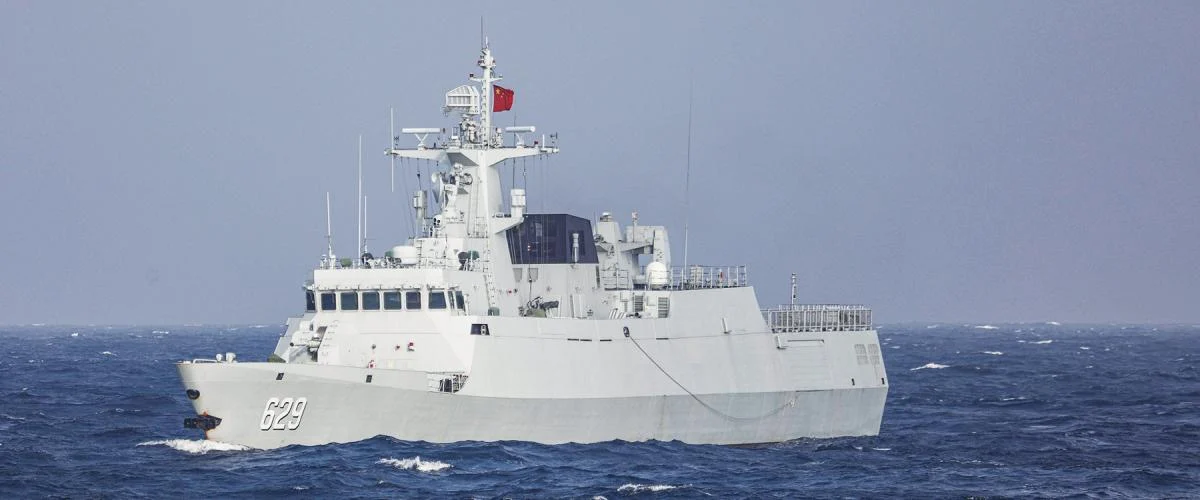
Count what each side actually owns. Beijing: the pier, the base, two Type 056C corvettes under the 2024 grant, about $15 billion in Belt and Road investment since 2013, and roughly $7 billion in outstanding loans — China is Cambodia’s largest creditor and provides close to 84 percent of its aid. Washington: one flag-officer visit, a scheduled exercise, and 37 U.S. Navy ship visits over 23 years.
The United States is betting that engagement chips away at Cambodia’s drift toward Beijing. The evidence points the other way. Every concrete military asset Phnom Penh has acquired in the last three years came from China. Washington offers port calls and professional military education; Beijing delivers hulls, piers, and credit lines. Cambodia’s “diversification” of defense partnerships is real, but it is diversification from a position of debt — and debt is leverage Beijing has used before.
What CARAT 2027 Actually Buys
A revived CARAT is not nothing. It restores a training channel that has been dead for a decade and keeps younger Royal Cambodian Navy officers inside U.S. professional networks. It also costs Beijing nothing to tolerate. China does not need to block a U.S. exercise in the Gulf of Thailand — it already owns the shore infrastructure that would support a U.S. warship in a crisis.
Anyone who has served on a destroyer knows the difference between a port visit and a logistics posture. A port visit is liberty call and a fuel barge. A logistics posture means piers rated for your displacement, ammunition handling, maintenance capacity, and a host government willing to let you fight from its soil. Ream fails that test on the first three counts and fails it catastrophically on the last. Cambodia has no South China Sea dispute with China, its royal family’s ties to Beijing date to Mao’s era, and its economy runs on Chinese credit.
U.S. warships can operate in the Gulf of Thailand — they just can’t count on Ream when it matters. That’s the difference between access and basing, and this week’s visit papered over it.
Why Ream Matters to Both Navies
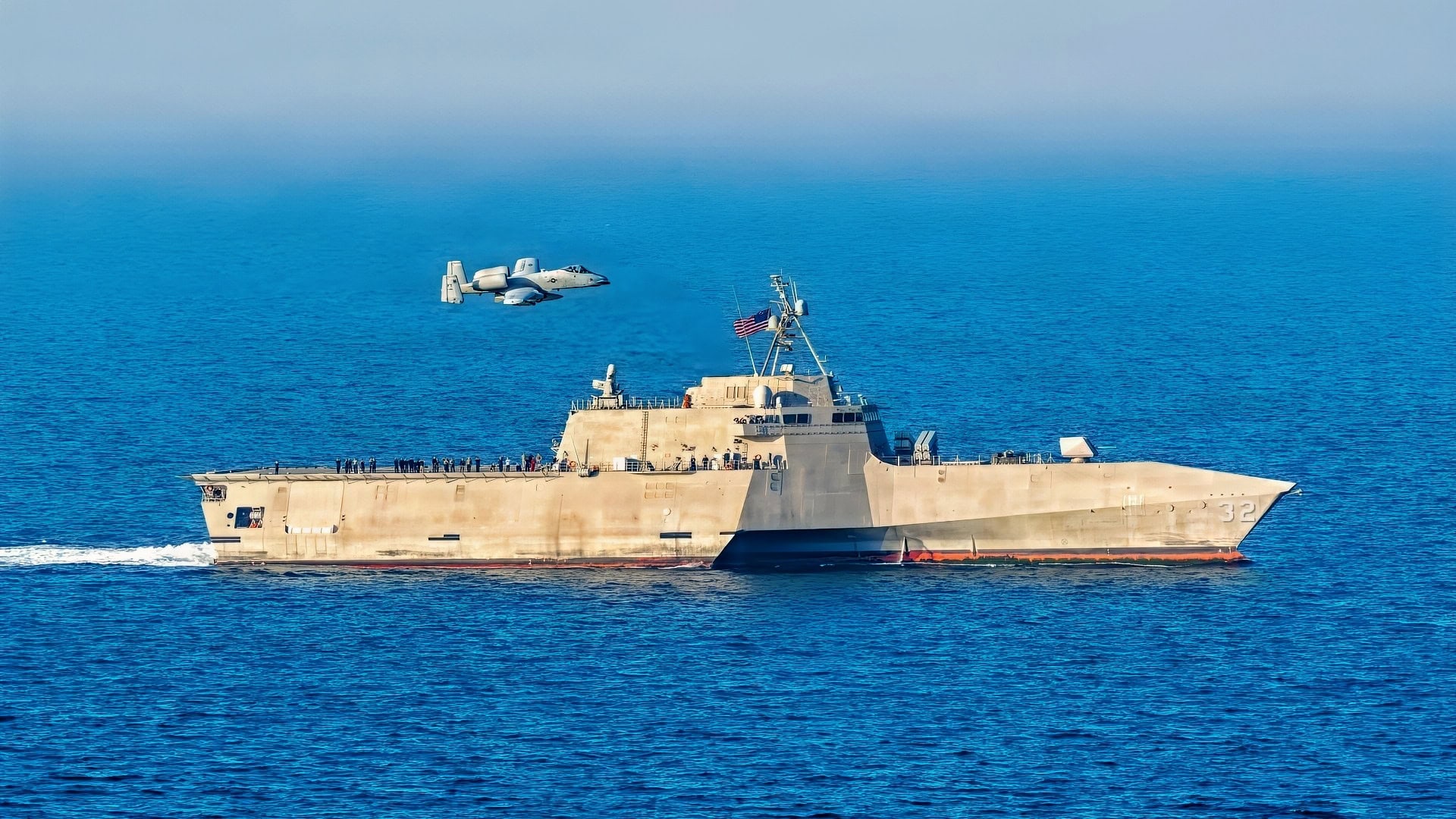
Ream’s value is geography: it sits near the approaches to the Strait of Malacca, through which roughly 70 percent of China’s energy imports pass. A Chinese corvette homeport at Ream is a hedge against the day the strait closes. For the United States, the base would be a useful southern anchor in the Gulf of Thailand — if it were not already mortgaged. The two PLAN vessels berthed there since December 2023 are the answer to any question about who gets first call on the pier.
The deeper problem is what the visit signals about U.S. posture. Pacific Fleet is spending flag-officer time and diplomatic capital to re-enter a base China built, in a country whose navy is being re-equipped by the PLAN, against a debt picture that gets worse for Phnom Penh every year. Washington cannot outbid that with a biennial exercise.
The Bottom Line
Koehler’s tour was competent diplomacy. It was not a strategy. The United States got a promise to revive CARAT in 2027; China got the base in 2020 and the corvettes in 2026. Those are not equivalent assets. Until Washington offers Phnom Penh something Beijing cannot — real defense financing, real maintenance capacity, or real security guarantees — the U.S. Navy will keep touring a pier it does not control, while the PLAN keeps homeporting ships it does.
The math doesn’t work. A port visit can’t buy back a base.
Adm. Steve Koehler of the U.S. Pacific Fleet visited Ream Naval Base in Cambodia on August 6-7, 2023, to discuss reviving the CARAT maritime exercises set for 2027. The visit highlighted the growing Chinese influence in Cambodia, as the base was rebuilt with Chinese funding and two Chinese Type 056C corvettes are stationed there. The U.S. aims to maintain military engagement despite China's significant investments and military presence in the region.
- Adm. Steve Koehler visited Ream Naval Base in Cambodia on August 6-7, 2023.
- The U.S. and Cambodia plan to revive CARAT maritime exercises in 2027.
- China has financed the reconstruction of Ream Naval Base and has two corvettes stationed there.
- The U.S. Navy's last visit to Ream was by the USS Cincinnati in January 2023.
- China is Cambodia's largest creditor, providing significant military and economic support.