
Lockheed Martin gets $90.2M more for Trident II upgrade
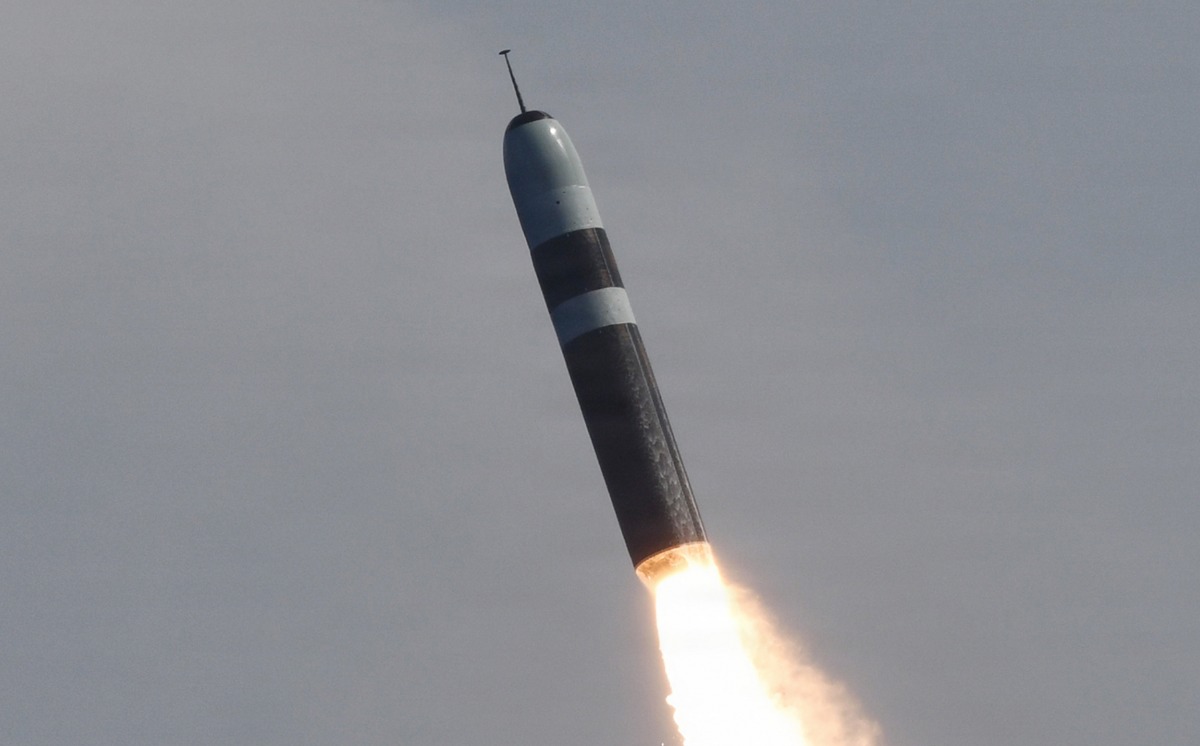
The U.S. Navy has awarded Lockheed Martin Space $90.2 million to continue design and development work on the second life extension of the Trident II D5 missile, the submarine-launched ballistic missile that forms the sea-based leg of the U.S. nuclear triad, according to a Department of War contract announcement.
The cost-plus-fixed-fee modification adds to an existing contract and covers work the Navy calls “SSP Alteration Advanced Design and Development,” tied to the missile’s ongoing upgrade program, known as D5LE2. Most of the work, 68%, will be performed at Naval Submarine Base Kings Bay in Georgia, with 25% done at Cape Canaveral, Florida, and smaller shares split between Bangor, Washington, and Denver, Colorado. The contract runs through September 30, 2030.
The Navy is obligating the full $90.2 million from fiscal 2026 weapons procurement funds at the time of award, and the money will not expire at the end of the current fiscal year. The Navy awarded the work sole source, after determining Lockheed Martin was the only company able to meet the requirement, and had previously posted notice of the pending award publicly before receiving a single proposal. The Navy’s Strategic Systems Programs office is managing the contract.
Trident II D5 missiles have been deployed since 1990 aboard U.S. Ohio-class and U.K. Vanguard-class submarines and completed an earlier life extension program in 2017. The missile weighs about 130,000 pounds (58,967 kilograms), can fly roughly 4,000 nautical miles (7,408 kilometers), and travels at speeds reportedly exceeding Mach 20. The Navy’s submarine-launched ballistic missiles account for roughly 70% of the country’s strategic deterrent capability, according to Lockheed Martin.
This new $90.2 million award follows two earlier Navy contract modifications tied to the same D5LE2 program. The Navy awarded Lockheed Martin $383 million in January 2025 to begin designing the upgraded missile, and added $850 million more in a modification the Department of War announced in April 2026, which Lockheed Martin disclosed publicly in July. The D5LE2 upgrade is intended to keep the missile credible into the 2040s and beyond, and it will eventually be carried aboard the Navy’s incoming Columbia-class submarines and the U.K.’s planned Dreadnought-class boats, replacing the aging Ohio- and Vanguard-class fleets.
Lockheed Martin is also building a 225,000-square-foot (20,903-square-meter) production facility in Titusville, Florida, expected to open in 2027 and add about 300 jobs to manufacture D5LE2 components. The Navy previously conducted four test flights of unarmed Trident II D5LE missiles from an Ohio-class submarine off Florida’s east coast in September 2025.
Content preview only. Full article available at source. View Full Article
The U.S. Navy awarded Lockheed Martin a $90.2 million contract for the design and development of the Trident II D5 missile upgrade, known as D5LE2. Most of the work will occur at Naval Submarine Base Kings Bay in Georgia, with additional work at Cape Canaveral, Bangor, and Denver. This contract is part of an ongoing effort to enhance the missile's capabilities and ensure its reliability through the 2040s.
- U.S. Navy awarded Lockheed Martin $90.2 million for Trident II D5 missile upgrade.
- 68% of work will be performed at Naval Submarine Base Kings Bay, Georgia.
- Contract covers ongoing upgrade program known as D5LE2.
- Trident II D5 missiles are a critical part of the U.S. nuclear triad.
- The upgrade aims to maintain missile credibility into the 2040s.