
Massive Strike on Kyiv on August 20 — 44 Cruise Missiles, 168 Drones, and Silence on Ballistics
 Dmitri Volkov
Massive Strike on Kyiv on August 20 — 44 Cruise Missiles, 168 Drones, and Silence on Ballistics
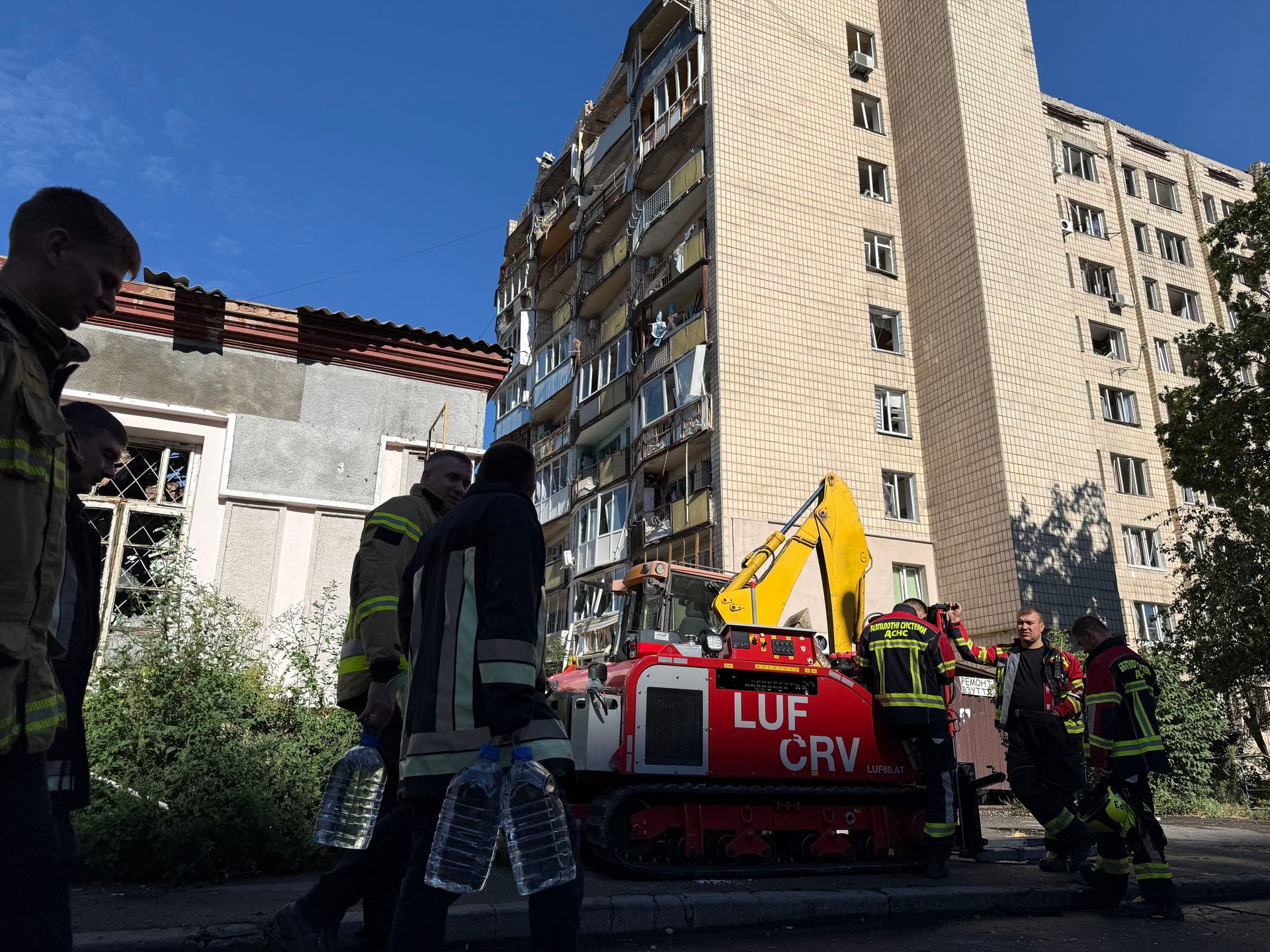
On the night of August 20, Russian forces delivered one of the most powerful combined strikes on Kyiv in recent months. The Ukrainian Air Force reported 44 cruise missiles, two "Banderole" munitions, and 168 Shahed-type strike drones, of which 39 cruise missiles, both "Banderoles," and 145 drones were intercepted. And not a word about ballistics — although it seems to have caused the main damage.
Kyiv Mayor Vitali Klitschko reported 12 fatalities, while President Volodymyr Zelensky mentioned approximately 40 injured. The strikes hit 28 locations: residential buildings in the Solomianskyi district, a children's hospital, an educational institution, and warehouses. In Brovary, another person was killed. The air raid alert lasted almost the entire night, and the Polish Air Force scrambled fighters. August 21 was declared a day of mourning in Kyiv. The attack was a continuation of a series of massive strikes in recent days — at a time when Moscow simultaneously claims readiness for negotiations.
Ballistics Disappeared from Reports
The most interesting aspect of the Air Force report is not the interception numbers, but what is missing from it. The report details the cruise missiles and drones but does not state how many ballistic missiles were launched and how many were shot down. This is not a coincidence: several weeks ago, the Ukrainian command introduced a new and already criticized policy — to stop publishing data on Russian ballistic missiles. The official explanation is operational security. The unofficial one, as mentioned by the Ukrainian military themselves, is that the "shot down/launched" ratio for ballistics looks so bad that its publication undermines both morale and trust among Western partners.
The logic is clear. Kyiv was warned about ballistic missiles and "Zircons" launched from the Kursk region towards the capital. The "Zircon" is a hypersonic missile adapted for strikes on ground targets; its interception is possible but requires Patriot-class systems, of which Ukraine has a catastrophic shortage. When numbers are not published, the possibility of public oversight over air defense effectiveness disappears — along with an honest picture for allies who need to decide how many interceptors to supply.
Patriot Shortage as a Strategic Factor
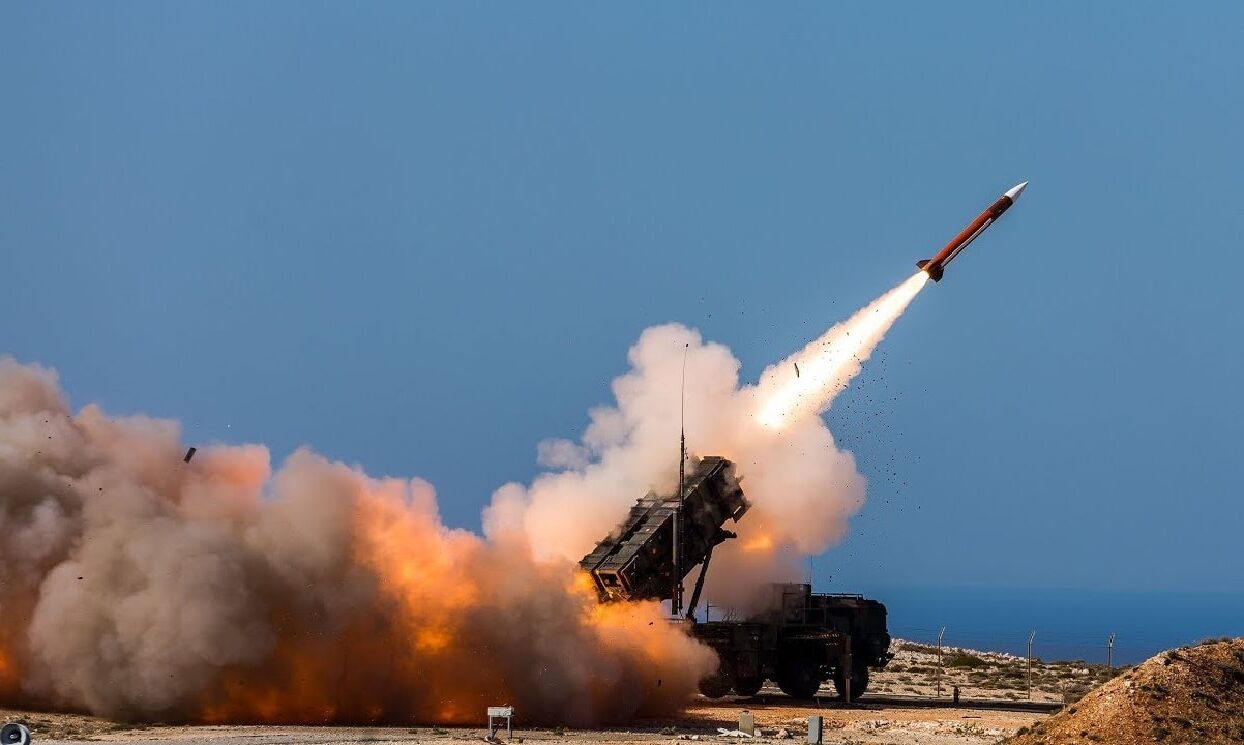
Zelensky articulated this firmly: "As long as Ukraine does not have sufficient missile defense, Russia will not take peace seriously." Behind this phrase is simple arithmetic. The Patriot is one of the few systems in the world capable of effectively intercepting ballistic and hypersonic targets. The Franco-Italian SAMP/T, by the admission of Ukrainian military personnel, cannot handle ballistics. Ukraine's stock of Patriot interceptors is chronically limited, and Moscow is taking advantage of this: in recent weeks, the share of ballistics in massive strikes has sharply increased.
This is where the economics of exchange comes into play. One ballistic missile, whether "Iskander" or "Zircon," costs millions of dollars — but so does one Patriot interceptor. When the defending side has no reserve of interceptors, each such strike becomes a coin toss: even a 90% interception rate means that one in ten missiles reaches its target. With 44 cruise missiles and 168 drones — plus an undetermined number of ballistics — several breakthroughs are mathematically guaranteed. And that is exactly what happened.
The Target is the City, Not Military Objects
The destruction of a children's hospital, residential buildings, and warehouses in the center of a million-person city leaves no doubt about the nature of the strike. This is not an attempt to disrupt the logistics of the Armed Forces of Ukraine — it is classic Soviet-Russian practice of pressuring the civilian population in the hope that societal fatigue will force the government to concede in negotiations. Russian military thought has never abandoned this logic — from Grozny to Mariupol, from "Zircons" over Kyiv to "Banderoles," with which Moscow is trying to circumvent the missile shortage.
The "Banderole" in this context is a separate topic. It is a cheap glide munition created in response to the depletion of high-precision missile arsenals: cheaper than a missile, but almost as difficult to intercept as one. Its appearance in combined strikes indicates that Russian industry has shifted from attempts to reproduce Western standards of accuracy to producing mass terror means at a price that makes the exchange of "interceptor against munition" ruinous for the defending side. This, rather than the "Zircons," is the main symptom of the evolution of the Russian approach.
What’s Next
The forecast here is quite grim, but with one caveat. As long as the shortage of Patriot interceptors is not addressed, massive combined strikes with a high proportion of ballistics will remain Moscow's primary tool — and their frequency will grow along with the Kremlin's confidence that the cost is acceptable. Public silence on ballistics from Kyiv resolves nothing: hidden numbers do not become shot-down missiles. Ukraine is trying to create its own "Freya" missile defense system and is developing long-range strike drones, but both are a matter of months, not days.
The only realistic lever is the supply of interceptors and permissions for their use. If they arrive — Russian ballistics will cease to be cost-effective, and Moscow will have to return to cruise missiles and drones, which Ukrainian air defense intercepts confidently. If they do not arrive — Kyiv will pay for every "Banderole" with civilian lives. The arithmetic is simple; the question is who and when will read it.
On August 20, 2023, Russian forces launched a massive combined strike on Kyiv, involving 44 cruise missiles and 168 drones. Ukrainian air defense intercepted 39 cruise missiles and 145 drones, but the attack resulted in 12 civilian deaths and around 40 injuries. The strikes hit multiple locations, including residential buildings and a children's hospital, indicating a strategy aimed at pressuring the civilian population.
- 44 cruise missiles and 168 drones were launched at Kyiv.
- 39 cruise missiles, 2 'Bandero' munitions, and 145 drones were intercepted.
- 12 civilians were reported dead and approximately 40 injured in the strikes.
- The strikes targeted residential areas, a children's hospital, and educational institutions.
- Ukraine's air defense is critically low on interceptors, particularly against ballistic missiles.