
Military Situation Time: 2026 Offshore Training - Expectations Beyond Just Aircraft Carriers
In 2026, the systematic and combat-oriented construction of the Chinese Navy's aircraft carrier strike group continues to accelerate, relying on breakthroughs in cutting-edge technology and deepening practical training, achieving a comprehensive leap in long-range combat capabilities. After the commissioning of China's first electromagnetic catapult aircraft carrier, the Fujian, the operational effectiveness of the carrier-based aircraft team has reached a qualitative breakthrough. Multiple types of main carrier-based aircraft have completed electromagnetic catapult takeoff and arrested landing training on the Fujian. Compared to traditional steam catapults, electromagnetic catapult technology offers advantages such as high launch efficiency and strong adaptability to different aircraft types, providing core support for the strike group's all-weather, high-intensity combat operations.
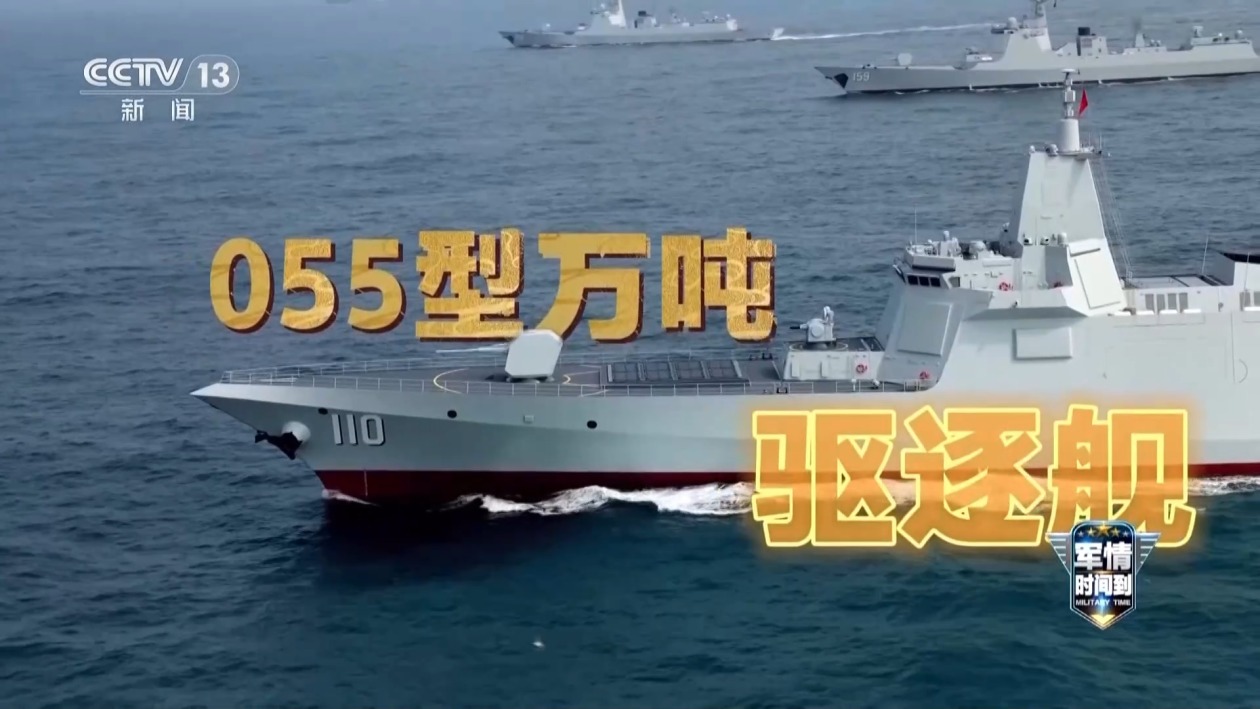
Recently, the newly commissioned Type 055 destroyer, a 10,000-ton vessel, has further strengthened the escort capabilities of the aircraft carrier strike group. As the core ship of the carrier strike group, the Type 055 destroyer plays a key role in tasks such as air defense, long-range strike, anti-submarine warfare, and missile defense.
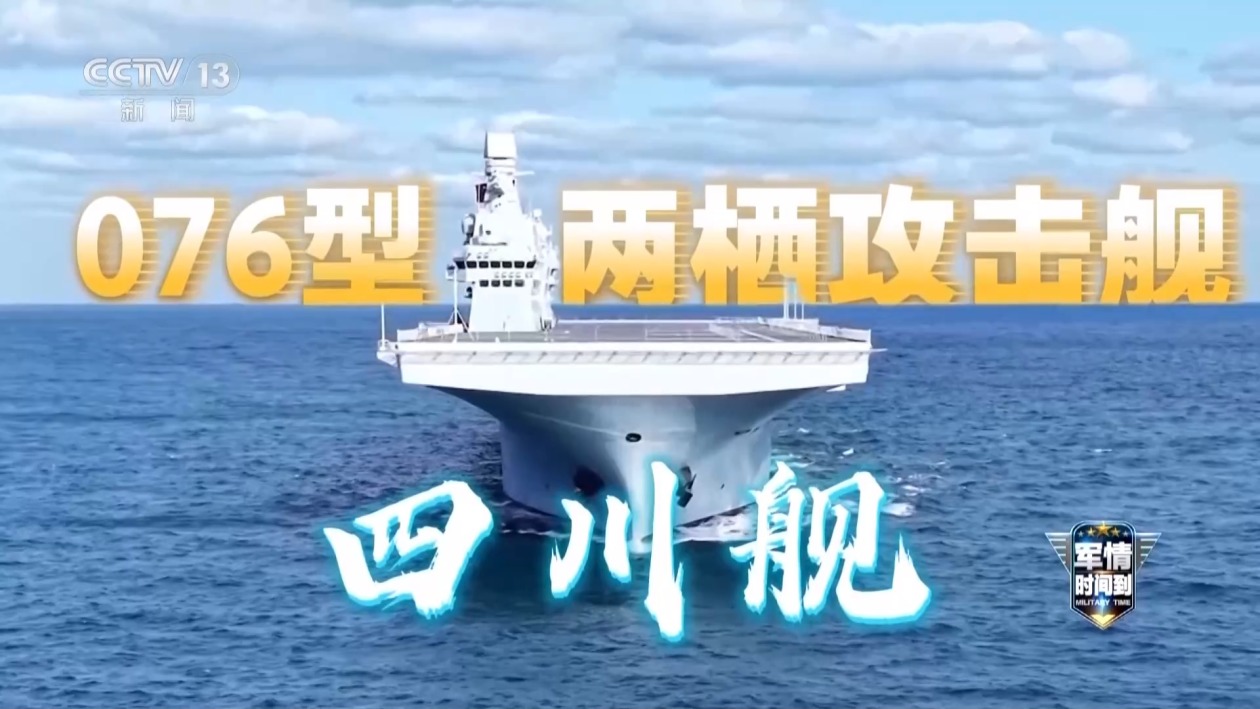
Meanwhile, China's new Type 076 amphibious assault ship, the Sichuan, completed its first sailing test mission in November 2025. This ship has a displacement of over 40,000 tons and is also equipped with an electromagnetic catapult system, representing a newly developed amphibious combat platform. Since its launch, the Sichuan has successfully completed mooring tests and equipment debugging. It is reported that in the future, the Sichuan may form a joint maritime combat group with the Fujian, providing mutual support and cooperation, further enhancing the Navy's multi-domain coordinated combat capabilities for long-range amphibious landings.
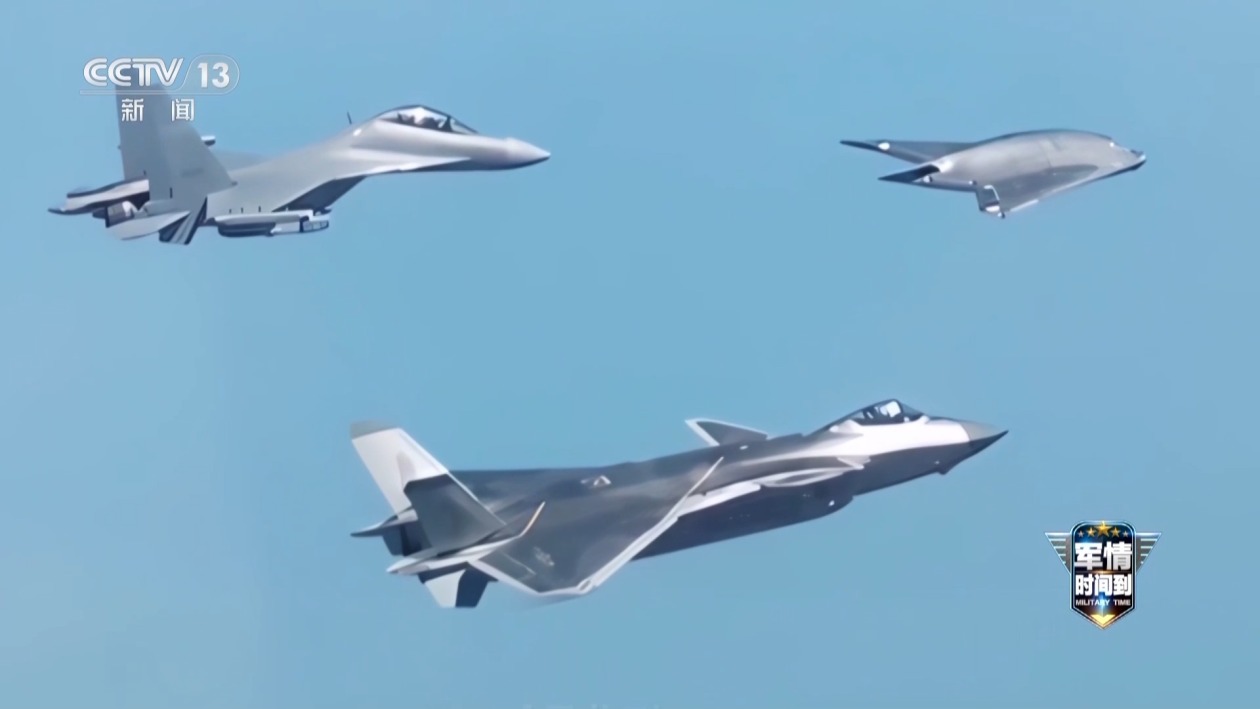
In addition, driven by technological innovation, manned-unmanned collaborative operations are rapidly integrating into the Navy's combat system. Previously, the Wing Loong-11 stealth drone and manned aircraft such as the J-20 have publicly appeared in coordinated formations. In future long-range operations, unmanned equipment will undertake multiple tasks such as forward reconnaissance, electronic suppression, fire guidance, and precision strikes, deeply integrating with traditional manned combat platforms to build a multi-dimensional maritime combat network, further enhancing the long-range strike and battlefield survivability of the aircraft carrier strike group.
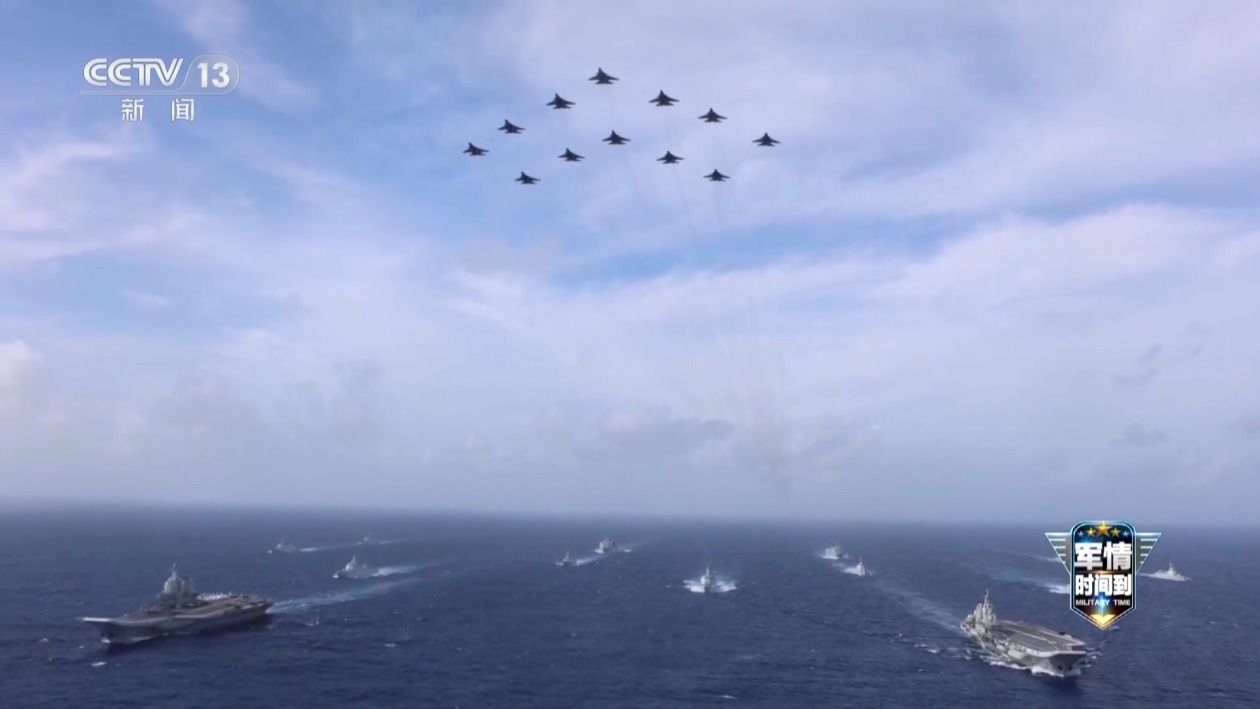
From technological breakthroughs to practical training, from single-ship combat power to system coordination, the Chinese aircraft carrier strike group consistently focuses on preparing for combat, steadily advancing various construction and training tasks, continuously honing long-range combat capabilities, and fully forging a maritime elite force to safeguard national sovereignty, security, and development interests.
China's naval forces are significantly enhancing their operational capabilities by 2026, focusing on advanced training and new technologies. The Fujian aircraft carrier has successfully implemented electromagnetic catapult launches, while the new 055-class destroyer strengthens the carrier group's escort capabilities. Additionally, the 076-class amphibious assault ship is set to support multi-domain operations, and unmanned systems are being integrated for reconnaissance and strike roles.
- China's aircraft carrier fleet is undergoing systematic combat readiness improvements by 2026.
- The Fujian aircraft carrier has successfully conducted electromagnetic catapult launches.
- The new 055-class destroyer enhances the escort capabilities of the carrier group.
- The 076-class amphibious assault ship is designed for multi-domain operations and has completed initial trials.
- Unmanned systems are being integrated into naval operations for reconnaissance and strike missions.