
North Korea Launches Ballistic Missile for the Second Time in a Week, Flying Over 700 Kilometers, Outside Japan's EEZ Before UFS26
 Tanaka Takashi
North Korea Launches Ballistic Missile for the Second Time in a Week, Flying Over 700 Kilometers, Outside Japan's EEZ Before UFS26
On August 12 at around 6 a.m., the South Korean Joint Chiefs of Staff announced that they detected a ballistic missile launch from the vicinity of Wonsan, North Korea, towards the Sea of Japan (East Sea). The flight distance is estimated to be over 700 kilometers, and Japan's Ministry of Defense also confirmed the launch, stating that the missile "has already fallen." The landing area is believed to be outside Japan's Exclusive Economic Zone (EEZ), in the waters between the Korean Peninsula and Japan.
Second Launch in Less Than a Week, 11th This Year
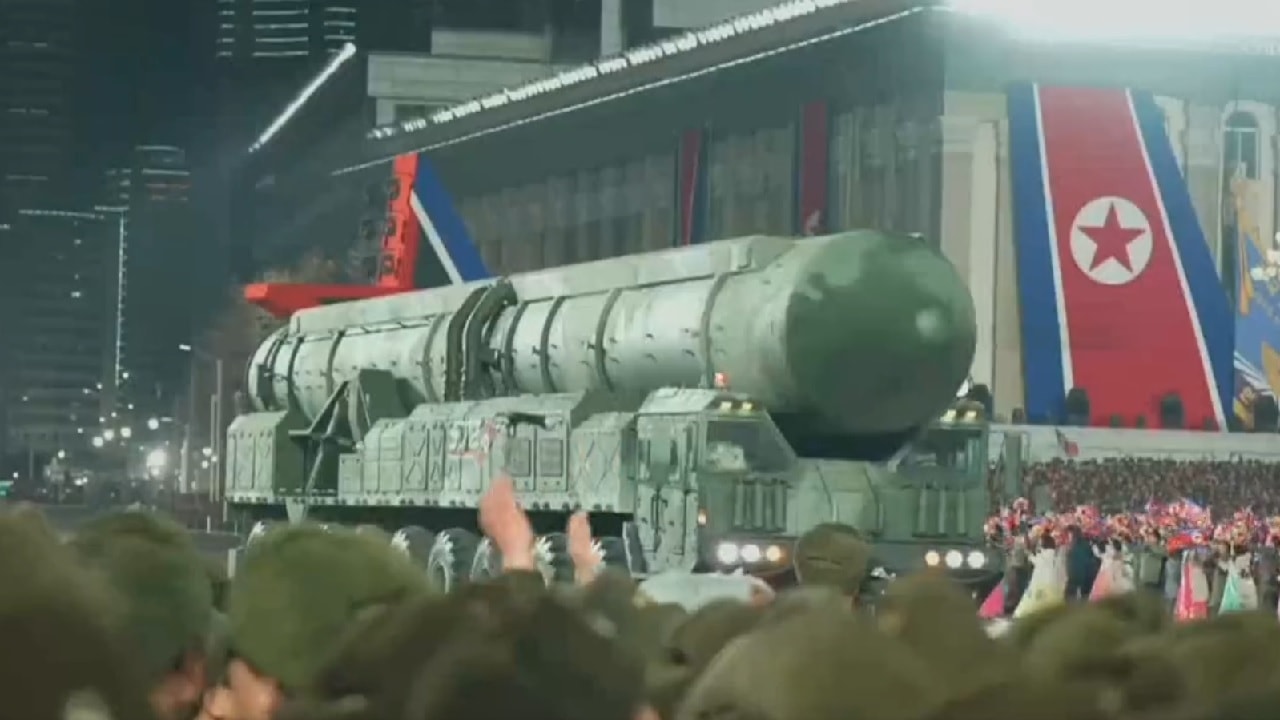
This launch is the second in less than a week since the short-range ballistic missile (SRBM) launch on August 6, and it is considered the 11th this year. The launch on the 6th was not reported by North Korean state media, but the type of missile for this launch has not yet been identified. The South Korean and U.S. military are conducting detailed analyses.
Message Just Before UFS26
Five days after the launch, the joint U.S.-South Korea exercise "Ulchi Freedom Shield" (UFS26) will begin on August 17 for an 11-day schedule. About 18,000 South Korean troops are expected to participate. In the past, North Korea has condemned this exercise as a "rehearsal for invasion" and has responded with missile launches before and after. Professor Lim Eul-chul of Kyungnam University points out, "North Korea has never ignored U.S.-South Korea exercises. This is a message that Pyongyang is closely watching the exercises."
Japan Protests via Beijing
"This is a serious issue concerning the safety of our citizens."
On August 12, Defense Minister Shinjiro Koizumi strongly protested to North Korea through the embassy in Beijing. There are no diplomatic relations between Japan and North Korea, and the communication route for both governments is located in Beijing. The South Korean National Security Council (NSC) also condemned the launch as a "provocative act" and demanded an immediate halt.
Author's Perspective
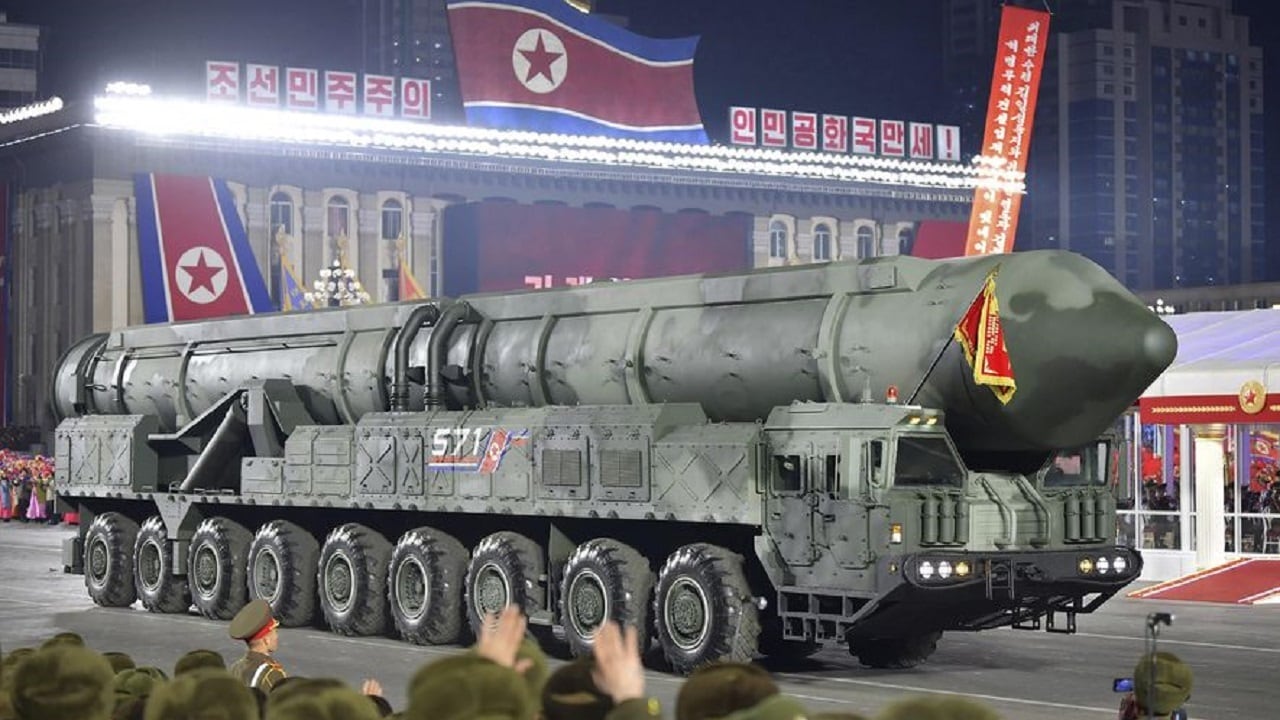
What I focus on is not the range itself. While flying over 700 kilometers, the missile has fallen outside Japan's EEZ. This is likely not a coincidence. North Korea is accurately measuring Japan's alert monitoring system and the "tolerance line" of political response, calculating to stop just short of it. This is a message of intent, not capability.
Another point that is often overlooked is that this launch is "before the exercise." In the past, North Korea has often taken hardline measures after the start of exercises. Supreme Leader Kim Jong-un stated after last year's UFS began that the U.S. and South Korea have the "will to ignite war," and warned of a "preemptive and overwhelming response." This launch is likely just a "prologue" to the exercises that are about to begin.
The real challenge is not the operational rate of BMD or the speed of information sharing, but how to address Pyongyang's belief that it can "interrupt the exercises at any time." If Japan's response is based on the assumption of a landing within the EEZ, it will enter the exercise period without effective deterrent measures against North Korea, which continues to repeat "gray deviations" outside the EEZ.
North Korea launched a ballistic missile on August 12, 2023, from near Wonsan, which flew over 700 kilometers and landed outside Japan's Exclusive Economic Zone. This marks the second missile launch in less than a week, occurring just before the U.S.-South Korea joint military exercises scheduled to begin on August 17. Japan's Defense Minister lodged a strong protest against the launch, emphasizing the threat to national security.
- North Korea launched a ballistic missile on August 12, 2023.
- The missile flew over 700 kilometers and landed outside Japan's EEZ.
- This is the second missile launch by North Korea in less than a week.
- The launch occurred just before the U.S.-South Korea joint military exercises.
- Japan's Defense Minister protested the missile launch through diplomatic channels.