
Patrolling at an Altitude of 6000 Meters: Border Defense Soldiers Write the Height of a Soldier
Located on the northern slope of the Himalayas, the "Model Camp for Border Defense on the Plateau" has a certain border defense company that has been responsible for border patrol duties year-round. This area is rarely visited by people, and the natural environment is extremely harsh. The officers and soldiers stationed here battle wind and snow, fight against the cold, and resist hypoxia, demonstrating an extraordinary will to write the heights of Chinese soldiers on the roof of the world.
Just after the Spring Festival, they set out again on the border patrol route at an altitude of 6,000 meters. Let’s take a look into their life on the border.
Setting foot on the patrol route at an altitude of 6,000 meters
Early in the morning, the patrol team departed from the company to patrol the mountain pass at an altitude of 6,000 meters. Among the team is First Class Sergeant Xia Dajian, who voluntarily gave up his teaching position in Yunnan to enlist in the army and came to the Tibet border defense 11 years ago. After years of hard work, he has become a well-rounded border defense soldier.
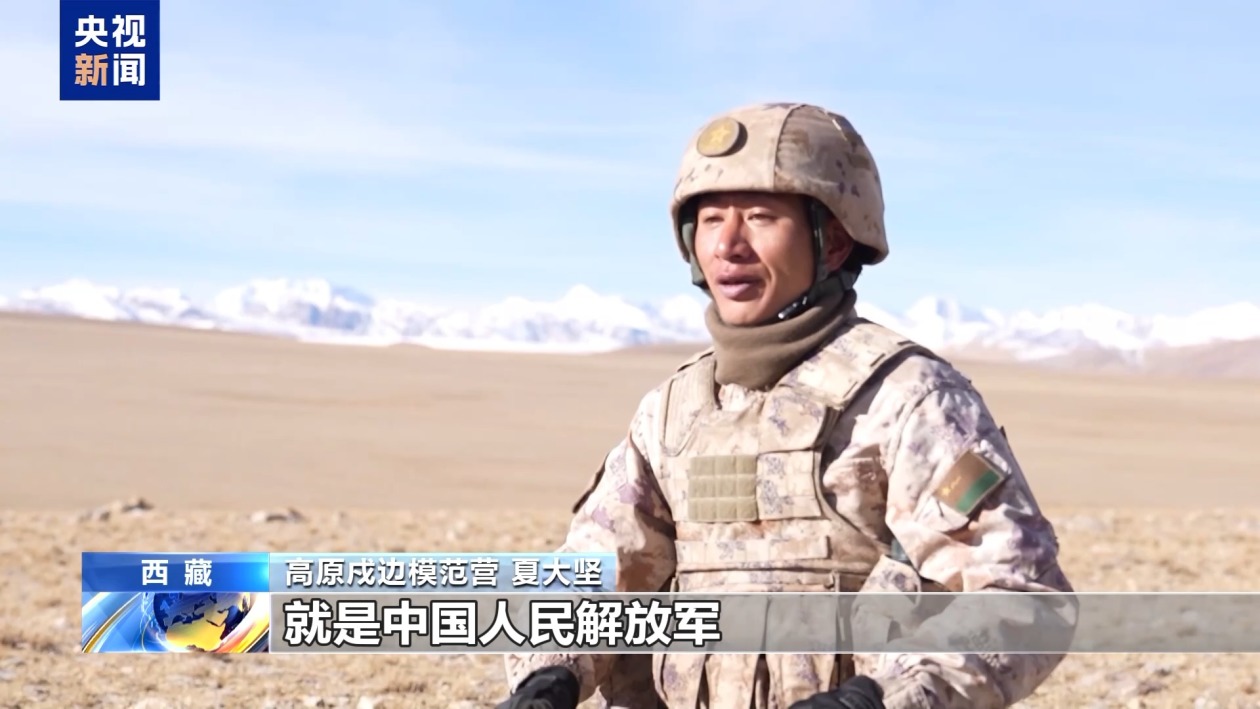
Model Camp for Border Defense on the Plateau Xia Dajian: I have had a dream of joining the army since I was young. In 2014, when an earthquake struck my hometown in Ludian County, Zhaotong City, my cousin sacrificed his life in the earthquake. The most prominent presence at that time was the People's Liberation Army of China. As a man of stature, I should also charge into battle.
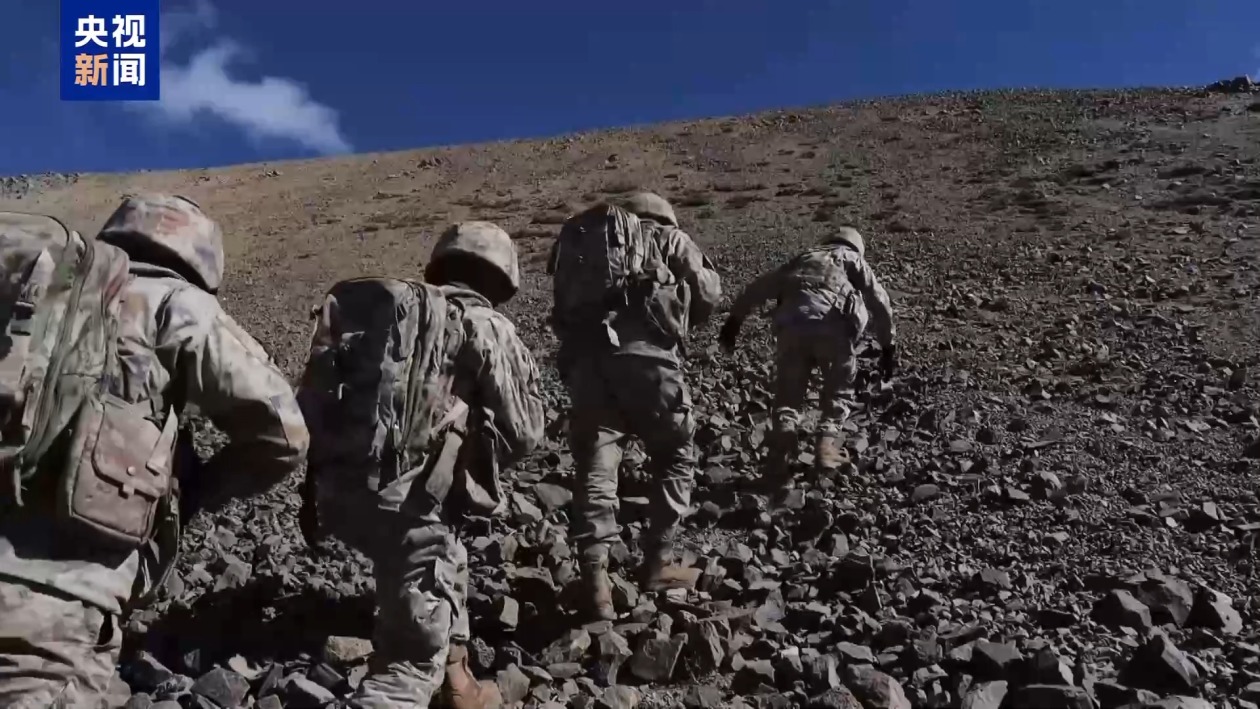
The vehicle slowly drove along the plateau road towards the snow-capped mountains, and after about an hour and a half, they arrived at the parking point, where the officers and soldiers switched to foot patrol. The foot patrol had to traverse glaciers and snowfields, with the soldiers carrying over 30 pounds of gear, walking for 5 hours. On the plateau, with every 100 meters of elevation gain, the risk of hypoxia and physical exhaustion sharply increases. As a former physical education teacher, Xia Dajian majored in long-distance running and has won multiple gold and silver medals in the Yunnan Provincial College Student Games. He shares his self-created breathing method with his comrades.
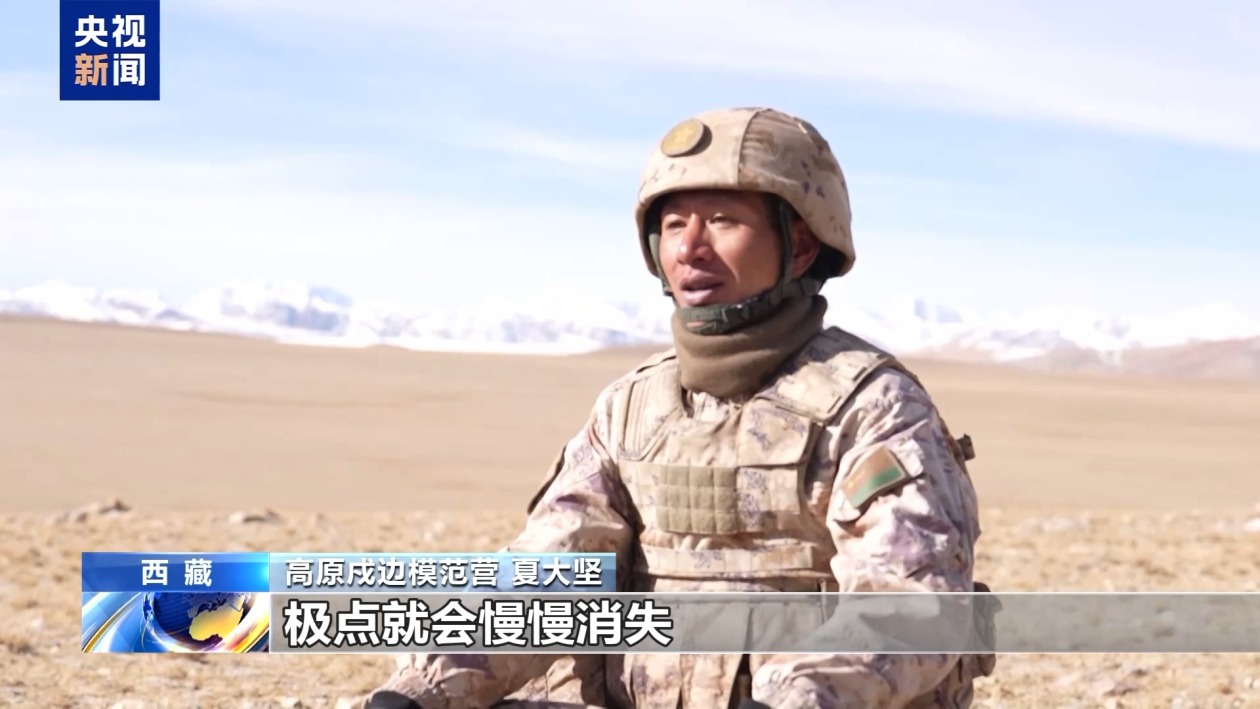
Model Camp for Border Defense on the Plateau Xia Dajian: In the mainland, the practice is to breathe every three steps and exhale every three steps, but on the plateau, we basically breathe every step and exhale every step. For example, when we encounter the critical point, we need to overcome it. Those who have practiced sports know that the critical point phenomenon lasts about 3 minutes, but as long as we can endure those 3 minutes, the critical point will gradually disappear.
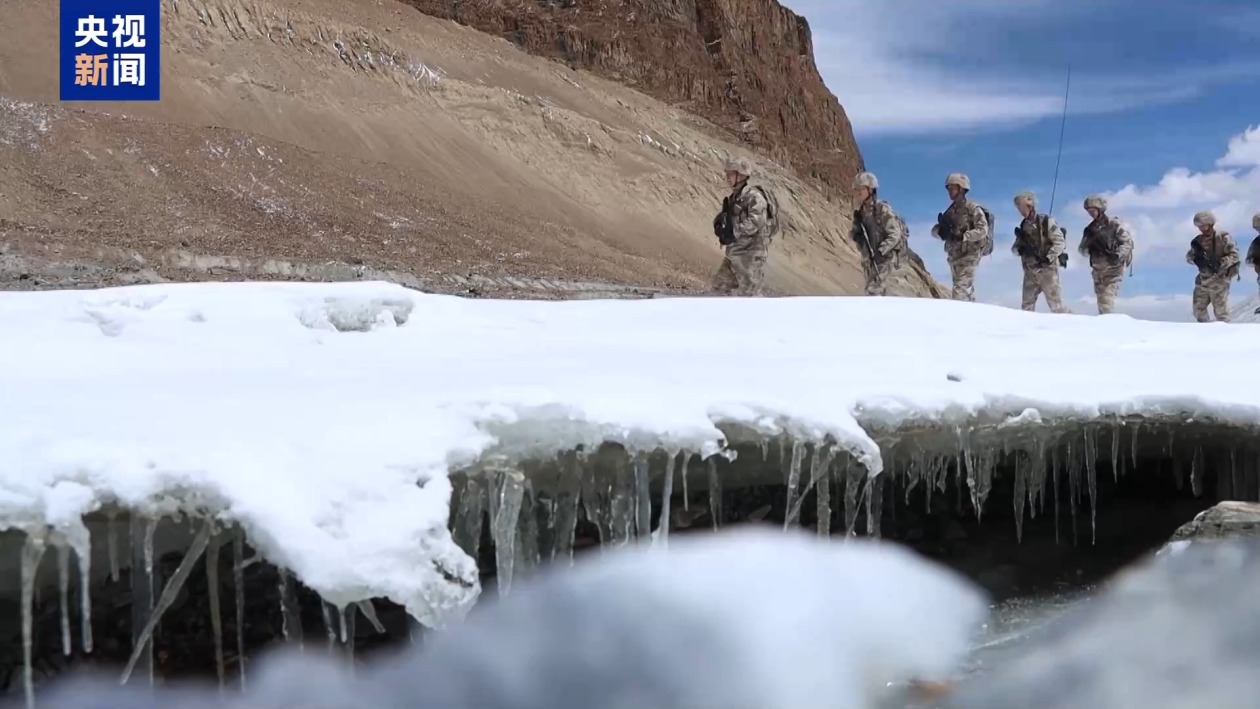
Due to the extremely low temperatures in winter, the road beneath their feet has frozen into a thick layer of ice.
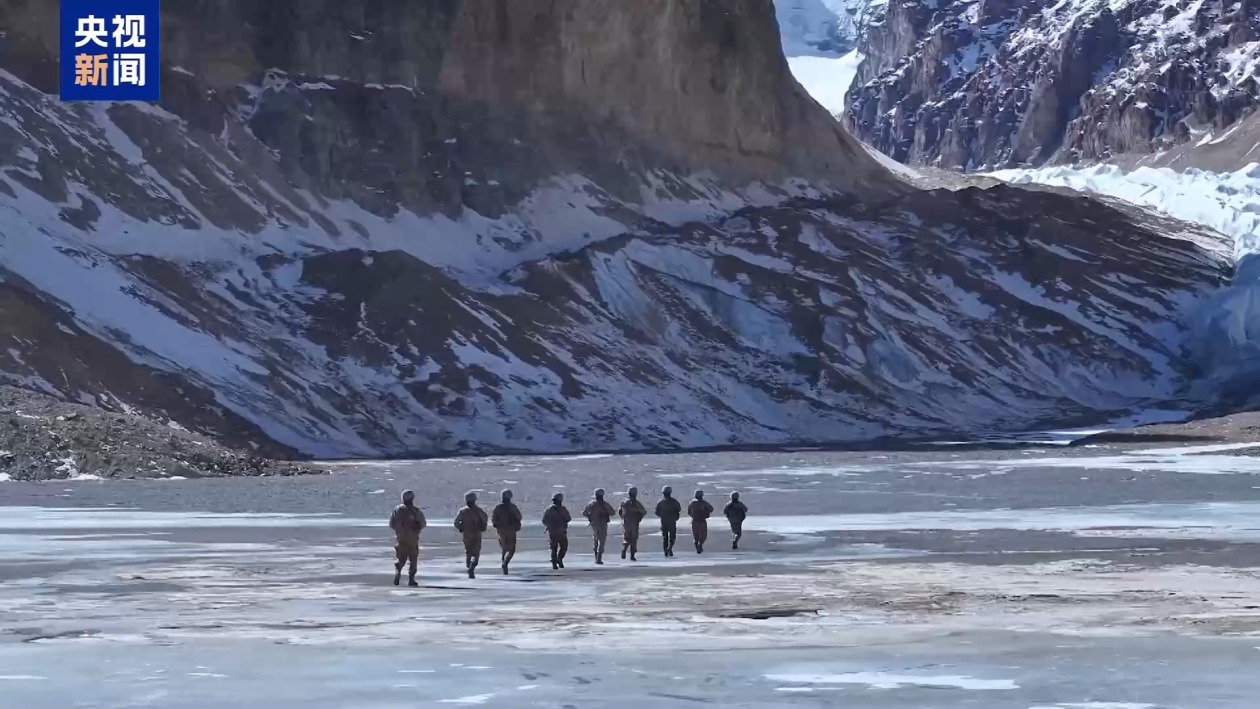
The officers and soldiers carefully walked on the slippery ice surface, with a surging underground river beneath them. A slight misstep could lead to a fall, and Xia Dajian constantly reminded the soldiers to be cautious of ice fractures and the danger of falling into the lake. Over the past 11 years, Xia Dajian has carried out important observation tasks at altitudes of over 5,300 meters hundreds of times, coming close to death more than a dozen times.
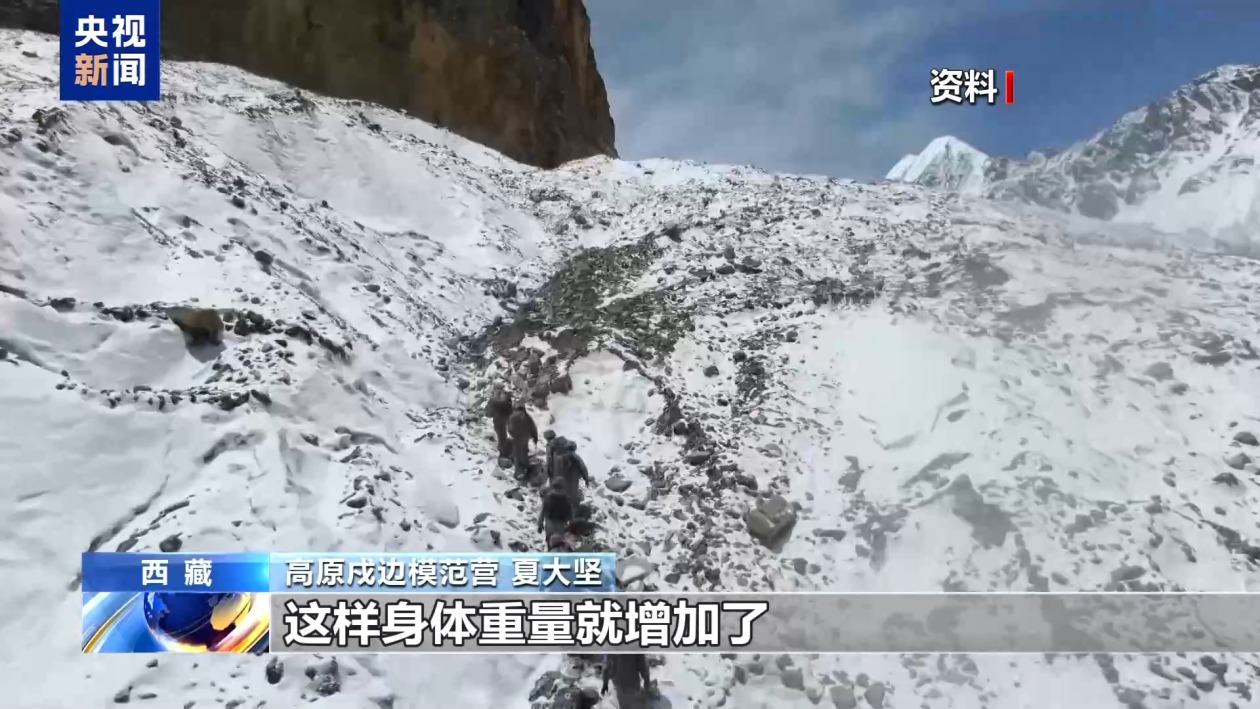
Model Camp for Border Defense on the Plateau Xia Dajian: What impressed me the most was when our unit was tasked to reach the mountain pass and observe from a concealed position. We had all our warming measures in place. When we reached the mountain pass, we could hardly observe the task in real-time because the wind was too strong. As soon as we stood up, we would be blown off course, so we had to lie down in one spot, putting stones in our coat pockets to weigh ourselves down, making it so the wind couldn't move us.
That patrol was unforgettable for Xia Dajian. In the face of wind force level 11, they took one step forward and half a step back, and with a little snow falling, they almost froze to death.
11 years of border defense life have etched a maturity beyond his years on this post-90s young man's face. In his own words, surviving against the odds relies entirely on solid military skills and long-accumulated border defense experience.
Cooks are also combatants
Ensuring hot meals on the plateau patrol route
Being able to eat hot meals on the patrol route is the happiest time for the soldiers, but at an altitude of 6,000 meters, with thin air and low pressure, even cooking a bowl of noodles is not easy. What can the officers and soldiers eat on this patrol route? Let’s take a look↓
Cooking class leader Zhao Ziming was transferred to the company 9 years ago to take charge of the cooking team. From a novice with no experience, he has now grown into the best cooking class leader in the border defense regiment, and his patrol experience is no less than that of his comrades.
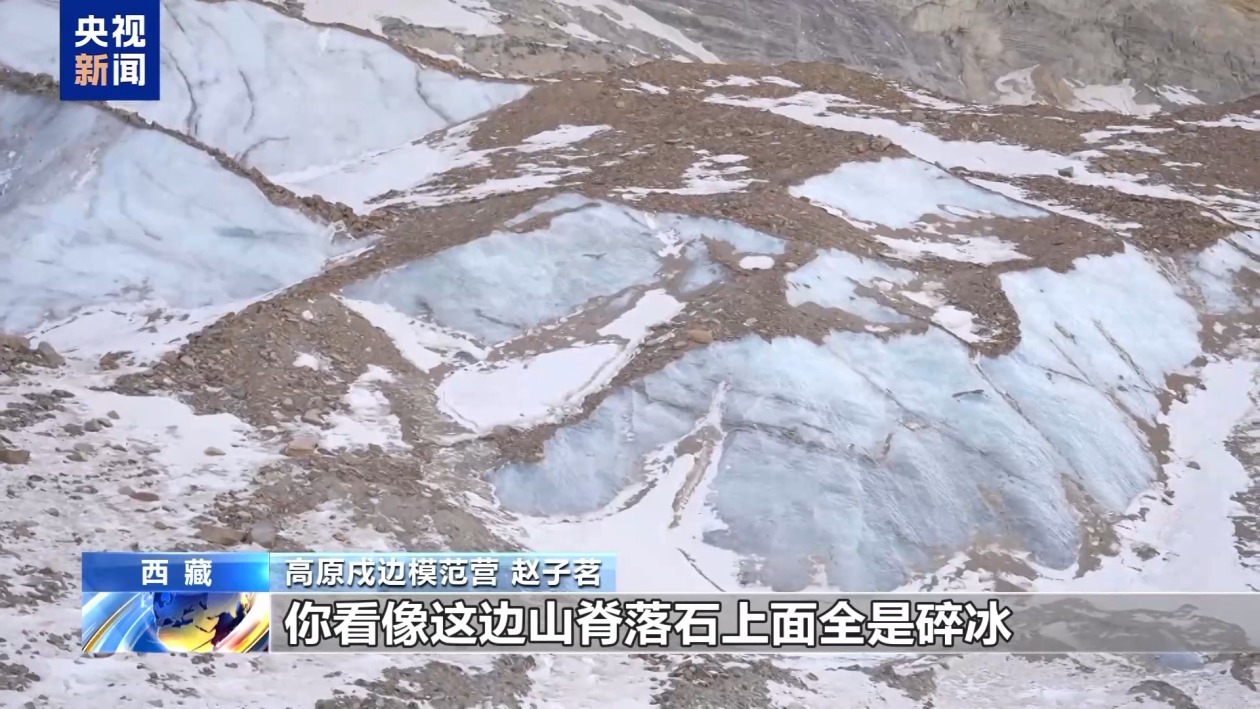
Model Camp for Border Defense on the Plateau Zhao Ziming: I am very familiar with this patrol route. The ridge here is covered with loose rocks and ice, making it very difficult to walk.
Ensuring that everyone can eat hot meals on the patrol route is Zhao Ziming's relentless pursuit, but at first, he couldn't even cook the simplest noodles well.
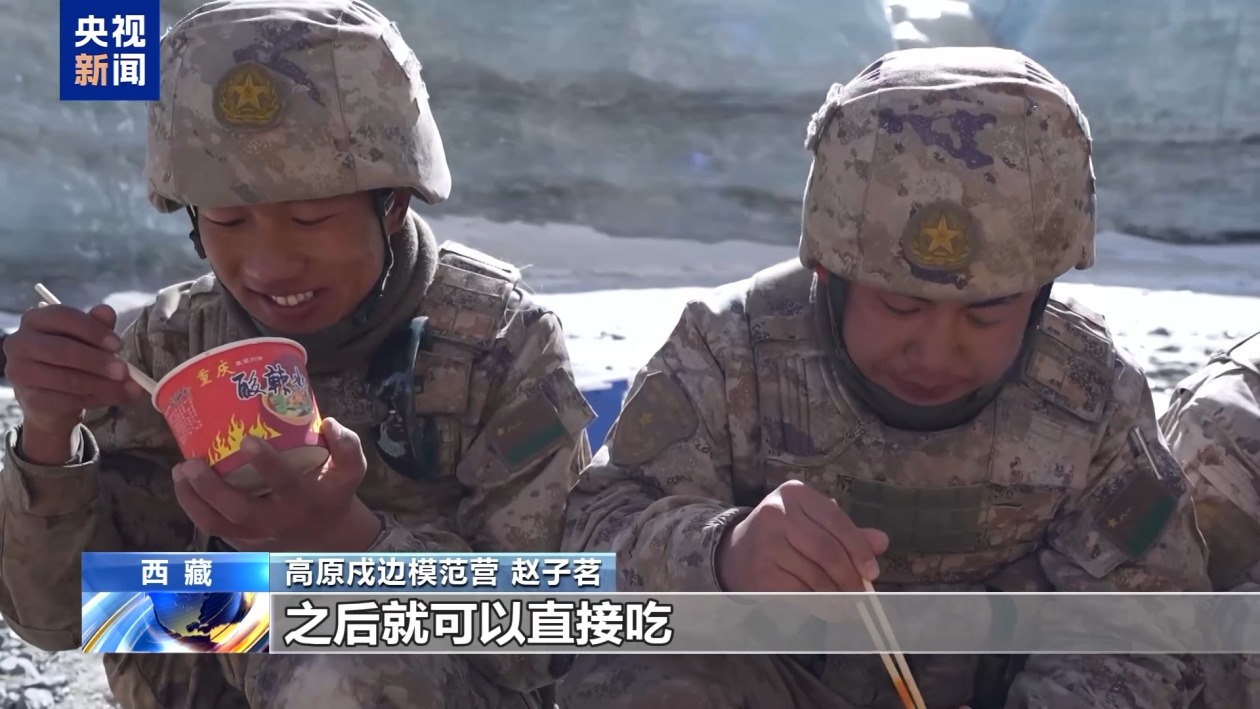
Model Camp for Border Defense on the Plateau Zhao Ziming: Depending on the environment of each patrol, like this patrol location, there is a place that can block the wind, we can use a gas stove. In the morning, the cooking team prepared some meat and vegetables, cooked them in advance, and then we can heat them up here and eat them directly. If we are at another patrol location where the wind is stronger, we eat self-heating rations, and we will also marinate some beef and chicken legs in advance to heat them up with the self-heating food, so we can also have hot meals.
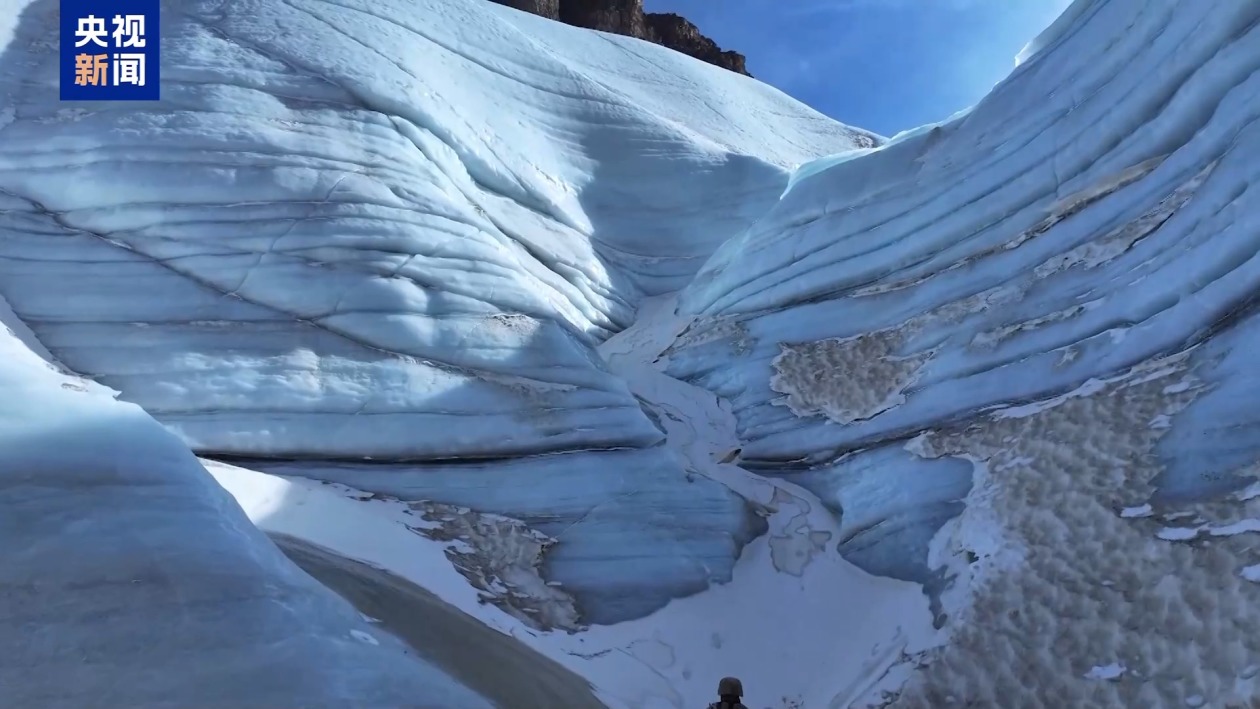
Cooks are also combatants. After a short rest, the patrol team set out again, and the temperature had dropped to below minus ten degrees Celsius, while ahead lay the most complex and dangerous terrain of this patrol route. The glacier before them seemed within reach, but in reality, it was far away. Dan Zengduoji, who has been on border defense for 9 years, always walks at the back of the team to ensure that no team member falls behind.
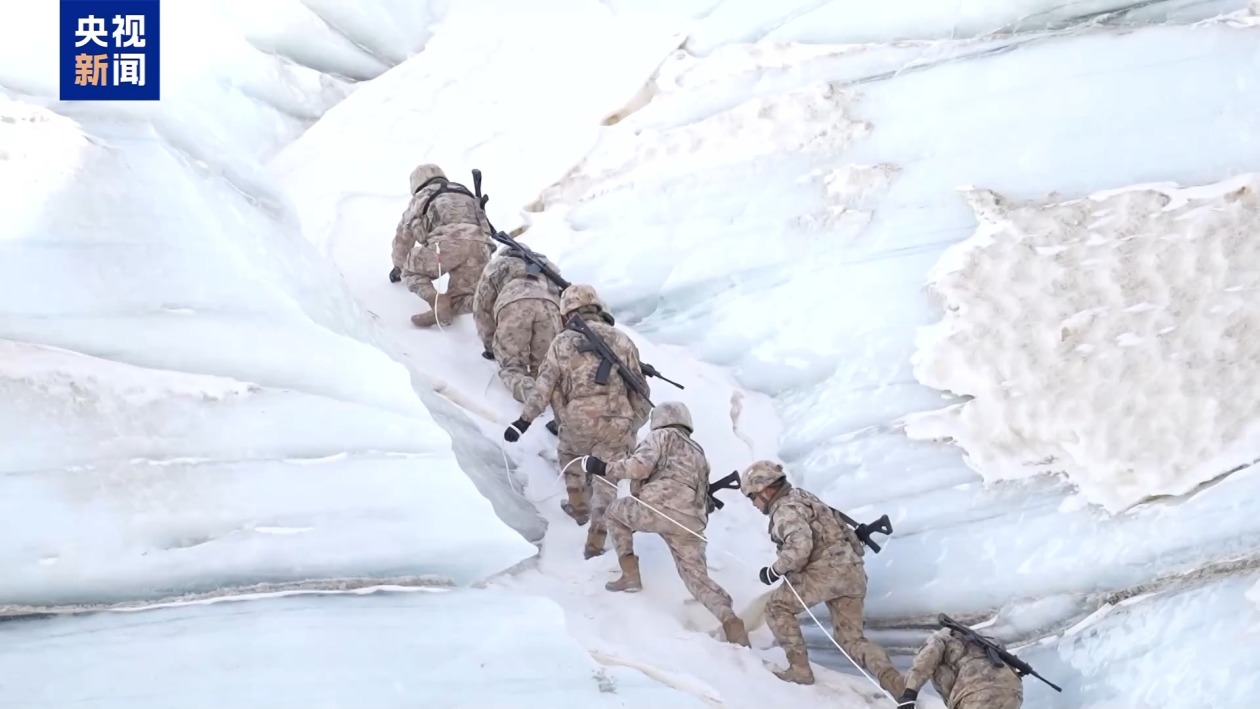
After more than 5 hours of difficult trekking, the officers and soldiers finally reached the patrol point at an altitude of 6,000 meters. Although the border is tough, the mission is as solid as a rock. The young border defense soldiers write their loyalty to the motherland and the people on the peaks of the snow-capped mountains, guarding the peace of the motherland and the people with their blood and youth.
A patrol team from the Border Defense Unit of the Model Camp conducted border patrols at an altitude of 6000 meters in the Himalayas. The soldiers faced extreme weather conditions and altitude challenges while ensuring logistical support for their operations. Their experiences highlight the dedication and resilience of Chinese military personnel in maintaining border security.
- Soldiers are patrolling at an altitude of 6000 meters in the Himalayas.
- The patrol involves overcoming harsh weather conditions and altitude sickness.
- Cooking meals at high altitude presents logistical challenges for the soldiers.
- The unit has a history of executing important observation tasks at high altitudes.