
Pituffik Space Base and Two New US Bases in Greenland Strengthen NATO 2026 — But Not Europe's Autonomy
 S.W
S.WPituffik Space Base and Two New US Bases in Greenland Strengthen NATO 2026 — But Not Europe's Autonomy
The United States plans to open two more military sites in Greenland, even though the island currently hosts only about 150 American soldiers. The planned expansion is therefore less a quantitative reinforcement than an institutional redistribution of Arctic responsibility. Washington gains additional operational depth, Copenhagen receives political relief, and NATO acquires a new mandate. Europe thus gains security, but not automatically strategic autonomy.
From American Monopoly to NATO Framing
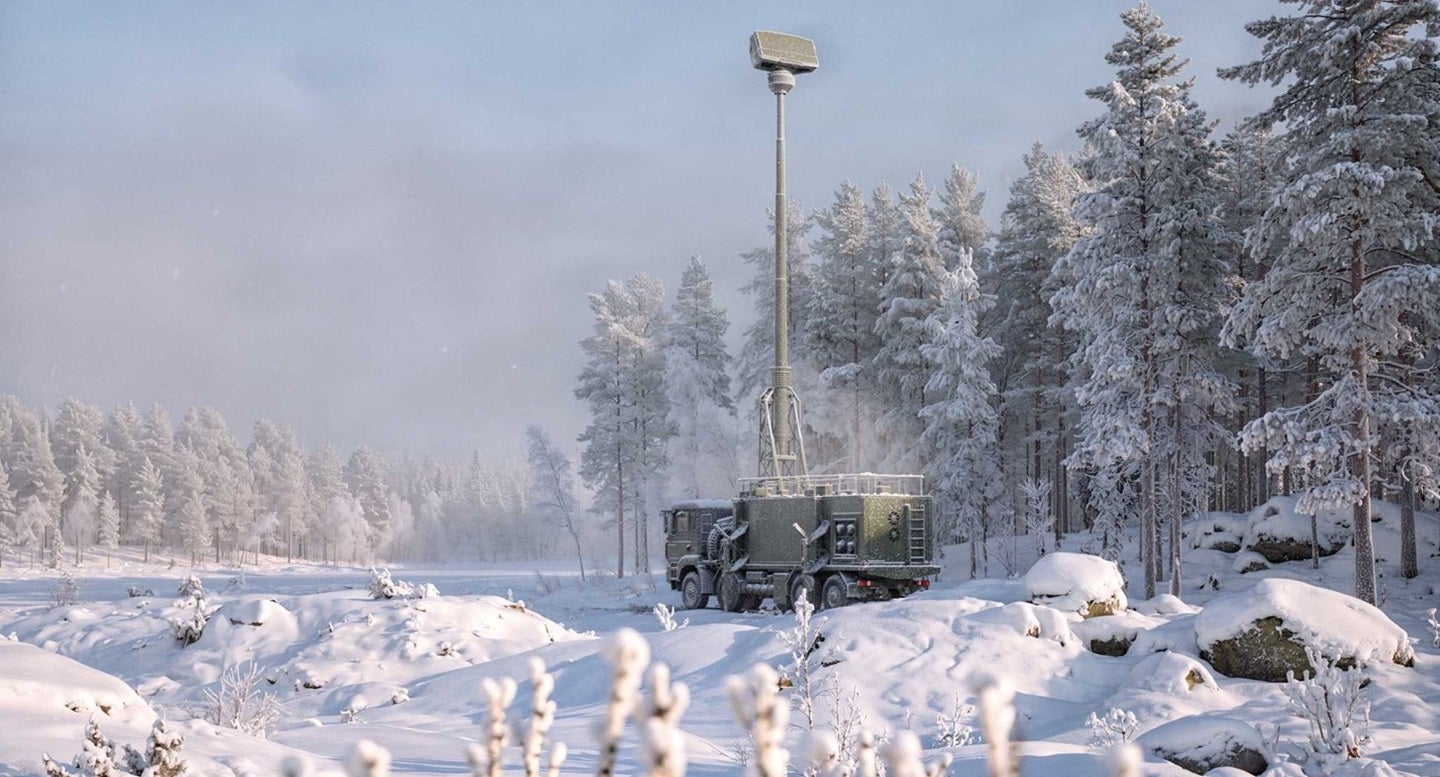
According to consistent reports from Reuters and Defense News, Narsarsuaq in the south and Mestersvig on the east coast are to be included in the American military presence. Narsarsuaq was once the US base Bluie West One; Mestersvig is currently used by the Danish Sirius sled patrol. The agreement between Washington, Denmark, and Greenland was signed or politically sealed on September 22 during the UN General Assembly, but its full text has not yet been made public.
The crucial point lies in the legal and command structure. Denmark's Foreign Minister Lars Løkke Rasmussen stated before the signing that Arctic security should not be organized solely by Denmark or the United States; NATO should be responsible to a significant extent. This is where the semantic shift begins: an American base does not become European simply because it is embedded in a coalition narrative. The question is who decides on access, sensor capabilities, reinforcement, and rules of engagement.
The Geography is Strategic, the Infrastructure Remains American
Greenland is not an ordinary NATO flanking state. The island controls the northern connection between North America and Europe and is located along the sea and air routes that connect the Atlantic with the Arctic in times of crisis. The Pituffik Space Base in the northwest is already a central American site for space surveillance and missile warning. Narsarsuaq and Mestersvig would geographically expand this presence, but would not create an independent European leadership capability.
The historical comparison makes the scale visible. During the Cold War, the US maintained 17 military facilities in Greenland with more than 10,000 soldiers. Today, Pituffik is the only permanently large American site, with approximately 150 US military personnel. Therefore, two new bases would be a significant political step, but not a reconstruction of the old network. Their military effectiveness depends on runways, fuel, protected communication lines, spare parts, and permanently available forces. A marker on a map is not yet a capability.
Trump's Pressure Has Forced Copenhagen into a Coalition Problem
The deal is also the result of an unprecedented intra-Atlantic crisis. President Donald Trump repeatedly stated that Washington must control Greenland, and at times did not rule out military or economic pressure. This demand was rejected by an overwhelming majority of Greenlanders. For Denmark, this created a double dilemma: it had to defend the sovereignty of the Kingdom while simultaneously accommodating American security interests.
The NATO framing is the political solution to this contradiction. It allows Denmark to accept American presence without legitimizing it as a bilateral dominance of Washington. For Trump, it creates a form of permanent control over military use without requiring a formal annexation. The fact that both sides describe the same agreement so differently is not a minor communication error. It shows that the real conflict question — American control or shared alliance responsibility — remains unresolved.
What Europe Should Learn from This
European governments likely welcome the deal because it prevents an immediate escalation. However, welcoming is not a strategy. Arctic security will only become more European if European states provide their own surveillance, transport, and protection capabilities. This includes maritime reconnaissance, robust satellite communication, air defense, and logistical infrastructure under European co-responsibility. Mere access to American facilities makes Europe a user, not a co-decision-maker.
This is the familiar European dependency in a new geography. Europe can decide on higher defense budgets and still lag behind in the capabilities that make a difference in Greenland: monitoring large distances, supplying forces in bad weather, and defending an isolated location for weeks. The Arctic deal therefore shifts the benchmark for European defense integration. PESCO, the European Defense Fund, and national programs must be measured against real availability, not the number of signed declarations of intent.
The New Base is a Test for NATO-Europe
The agreement can strengthen the alliance if it produces a transparent NATO plan for Greenland that respects Danish and Greenlandic sovereignty and makes European contributions binding. However, it can also weaken it if NATO merely serves as a label for an American infrastructure decision. Therefore, the published contract text, the chain of command, and the funding of the new sites are crucial.
My judgment is sober: Washington has the better starting position with Pituffik, Narsarsuaq, and Mestersvig. Europe has gained political time, but has not yet acquired new military capabilities. The paradoxical lesson is that an American expansion can stabilize NATO in the Arctic — while simultaneously making Europe's strategic dependency more visible than any summit declaration.
Sources
- Reuters, published via Defense News, September 22, 2026 — Information on Narsarsuaq, Mestersvig, and the planned US presence.
- Reuters, published via Defense News, September 21, 2026 — Denmark's portrayal of NATO responsibility and the open contractual questions.
- NATO and the Danish government — public classification of the agreement as a contribution to security, stability, and cooperation in the Arctic.
The United States plans to establish two new military bases in Greenland, Narsarsuaq and Mestersvig, to enhance NATO's operational capabilities in the Arctic. This agreement, signed on September 22, 2026, during the UN General Assembly, aims to redistribute Arctic responsibilities among NATO allies. Currently, approximately 150 U.S. military personnel are stationed at Pituffik Space Base, which will remain the primary U.S. military site in Greenland.
- The U.S. plans to open two new military sites in Greenland: Narsarsuaq and Mestersvig.
- The agreement was signed on September 22, 2026, during the UN General Assembly.
- The current U.S. military presence in Greenland is approximately 150 personnel at Pituffik Space Base.
- The bases are intended to enhance NATO's operational capabilities in the Arctic region.
- Denmark's Foreign Minister emphasized NATO's role in Arctic security.