
Russia raises nuclear threat as Baltic tensions grow
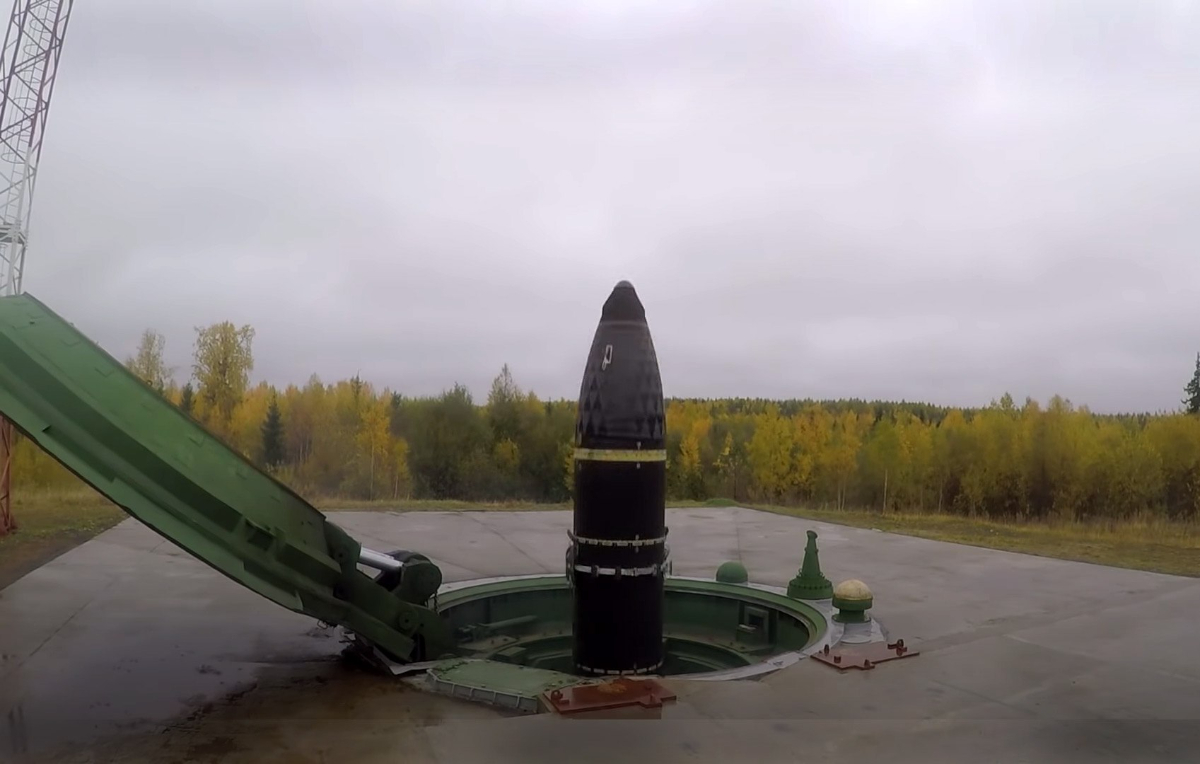
The Kremlin said on Sept. 30 that Russia’s official policy documents provide for a nuclear response if NATO countries try to blockade Kaliningrad, the Russian exclave on the Baltic Sea wedged between Poland and Lithuania.
Kremlin spokesman Dmitry Peskov said Russian diplomats were reminding “hotheads in Europe” of those documents after what he described as outrageous statements about Kaliningrad from Poland and other European countries. He did not say which statements he meant or which document he was referring to.
His remarks followed several days of similar messages from Russian diplomats. Over the preceding three days, Russia’s embassies in Belgium, the United Kingdom and Ireland warned that Moscow was prepared to use its entire arsenal, including nuclear weapons, if NATO blockaded the exclave.
Kaliningrad, the former German city of Königsberg, has no land connection to the rest of Russia. Its roughly 1 million residents depend on sea links across the Baltic and on road and rail transit through Lithuania and Belarus, which leaves the region exposed to any interruption of those routes. The exclave is also home to the headquarters of Russia’s Baltic Fleet.
In June 2022, Lithuania stopped some goods covered by European Union sanctions from crossing its territory by rail to Kaliningrad. Moscow called the move a blockade and threatened retaliation, while Vilnius said it was only enforcing EU sanctions and that non-sanctioned cargo was still moving. The dispute eased after the EU clarified transit rules the following month.
Russia has also based nuclear-capable weapons in the region. Moscow said in 2018 that it had permanently deployed Iskander short-range ballistic missiles to Kaliningrad, a system that can carry conventional or nuclear warheads and reach targets across Poland and the Baltic states. Lithuanian officials have long said Russia kept nuclear weapons in the exclave well before its full-scale invasion of Ukraine.
Peskov’s reference to policy documents points to Russia’s nuclear doctrine, which President Vladimir Putin updated in November 2024. The revised version allows a nuclear response to a conventional attack that creates a critical threat to the sovereignty or territorial integrity of Russia or Belarus. The published text does not mention Kaliningrad or a blockade by name.
Peskov did not describe any specific NATO plan to isolate Kaliningrad, and no NATO member government has announced one.
Content preview only. Full article available at source. View Full Article
Russia warned that it would respond with nuclear force if NATO attempts to blockade Kaliningrad, a region critical for its military operations. Kremlin spokesman Dmitry Peskov highlighted the nuclear doctrine that permits such a response, following threats from NATO regarding the exclave. Kaliningrad, which has no land connection to Russia, is home to the Baltic Fleet and has been a focal point of tensions with NATO.
- Russia's nuclear doctrine allows for a nuclear response to NATO blockades.
- Kaliningrad is home to Russia's Baltic Fleet and is strategically important.
- Russia has deployed Iskander missiles in Kaliningrad capable of carrying nuclear warheads.
- Lithuania previously enforced EU sanctions affecting goods to Kaliningrad, which Russia labeled a blockade.
- Kremlin spokesman Dmitry Peskov emphasized the seriousness of NATO's potential actions against Kaliningrad.