
Russian drones attack Kyiv and ships near Bulgaria — 135 UAVs expand the risk zone in the Black Sea
 Dmitri Volkov
Russian Drones Attack Kyiv and Ships off Bulgaria — 135 UAVs Expand the Risk Zone in the Black Sea
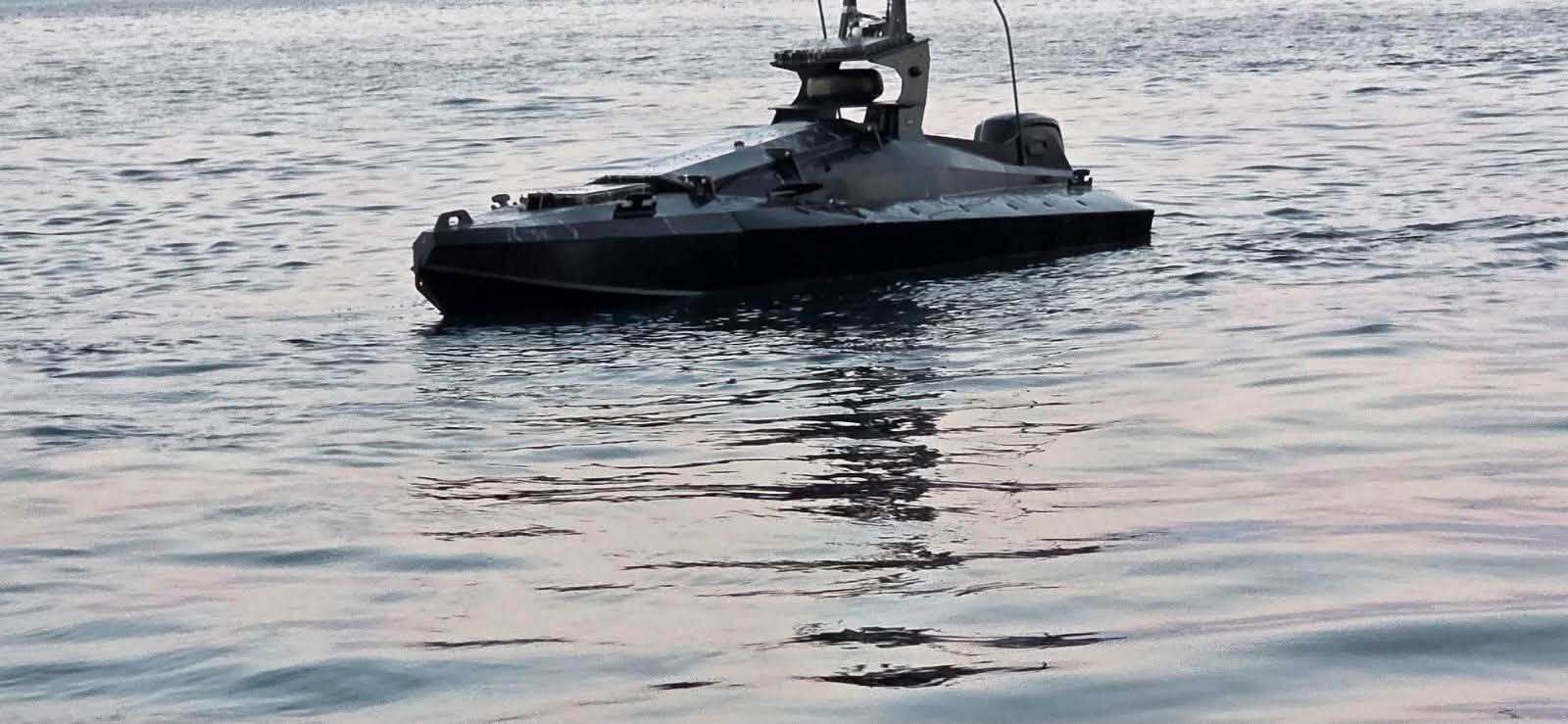
One hundred twenty-five out of 135 Russian drones were reportedly shot down or suppressed by the Ukrainian Air Force on the night of October 4. At first glance, this appears to be a success for air defense. However, in military terms, another number is more important — 52 jet drones. They are faster, harder to detect, and require not only a mass expenditure of munitions but also a layered surveillance system from the defense. At the same time, two commercial vessels came under attack in Bulgaria's exclusive economic zone, approximately 80 nautical miles from the coast. One ship, according to Bulgarian and regional media reports, sank.
The connection between these episodes cannot yet be mechanically considered proven. Bulgarian authorities are still determining the origin of the drones, and reports about the composition of the crews and the nature of the damage are being clarified. However, the strategic context is quite clear. The Black Sea is gradually transforming from a relatively limited theater of the Russian-Ukrainian war into a zone of constant risk for civilian shipping, where the front line is measured not in kilometers but in the operational range of cheap drone systems.
From Strikes on the Capital to Pressure on Infrastructure
According to BBC information, the Russian attack damaged the Pivnichny Bridge in Kyiv, and traffic restrictions caused serious congestion on the crossings over the Dnieper. The city administration estimates the flow through Kyiv's bridges at about 500,000 vehicles per day. The bridge itself is not destroyed, but that is not a necessary condition for a strategic effect. It is sufficient to regularly hit the roadway, heating mains, communication nodes, and transport approaches so that the city spends resources on emergency repairs rather than military production.
The Ukrainian Air Force also reported 125 targets shot down out of 135. Official statistics during a nighttime attack always require caution: "shot down" and "suppressed by electronic warfare" do not mean the same thing, and some drones may fall after completing their mission. But even accepting the Ukrainian data, it is clear that Russian tactics are based on saturating the defense. The jet variants of UAVs are particularly significant here. Their task may not only be to hit a target but also to force Ukrainian air defense to prematurely reveal positions and expend expensive missiles against cheaper strike drones.
Why the Incident off Bulgaria is More Important than a Single Shipwreck
Reports from the Guardian, Bulgarian National Radio, and Euronews mention two vessels hit by drones in Bulgaria's economic zone. At an early stage, it was not reliably established who launched the drones. This is a crucial caveat. In the Black Sea, Russian and Ukrainian strike drones operate simultaneously, as well as numerous civilian and military surveillance systems. Any hasty attribution could turn a navigational incident into a diplomatic crisis between Bulgaria, Turkey, Ukraine, and Russia.
But uncertainty itself has become a weapon. If the crew of a commercial vessel cannot determine whether the approaching drone is Russian, Ukrainian, or an autonomous drone of unknown origin, insurance costs rise sharply, captains change routes, and port authorities impose additional restrictions. The military objective is achieved without an official declaration of a blockade. This is how the logic of the "gray zone" worked in post-Soviet conflicts — not to destroy the entire system but to make its normal functioning economically unfeasible.
For Bulgaria, the incident has another level. The country is a NATO member, but a commercial vessel in its exclusive economic zone does not automatically mean an armed attack on the territory of the alliance. Moscow can count on this legal and political gray area. Sofia will be forced to enhance surveillance without moving to actions that could be portrayed as direct involvement in the war. NATO, in turn, gains an additional reason to expand maritime patrols, share radar data, and protect ports, but not necessarily a reason for immediate military escalation.
Russian Military Logic and the Limits of Controlled Escalation
The Russian doctrine of recent years consistently blurs the line between frontline strikes and impacts on economic infrastructure. Kyiv's bridges, energy facilities, and civilian shipping are all part of the same operational scheme. The goal is not only to destroy a material object but also to force the opponent to distribute limited air defense resources over the widest possible territory. This is classic exhaustion logic, updated by the mass production of drones and the constant search for weak points in the management system.
However, the expansion of the strike zone also carries risks for Moscow. A strike on a Ukrainian target can be explained by military necessity, but damaging a foreign commercial vessel in the area of responsibility of a NATO state creates a completely different political calculation. Even if Bulgaria does not invoke Article 5, it could accelerate the supply of interceptors to Ukraine, expand intelligence support, and strengthen control over maritime routes. The tactical benefit from one sunken vessel could turn into a strategic strengthening of the Western coalition.
In my opinion, this is not a sign that the Russian command has lost control. Rather, it is a sign that it considers the risk manageable and relies on the slow response of European states. Such an assessment could prove erroneous. In the 1990s, the Russian military system often interpreted the absence of an immediate response as a lack of political will altogether. History usually punishes precisely for this confusion.
What to Expect Next
In the coming weeks, three parallel processes are likely. Russia will continue to combine mass nighttime raids with faster jet UAVs, Ukraine will respond with strikes on Russian energy and military logistics, and Black Sea countries will begin to effectively militarize the protection of trade routes. The main indicator will not be the number of destroyed drones but the cost of maintaining security for a single voyage.
The Black Sea is not closing all at once. It is becoming more expensive, slower, and more dangerous — this is the most realistic strategic effect of the current campaign. If Bulgaria and NATO can quickly establish a sustainable system for monitoring and escorting vessels, the incident will remain a warning. If not, the Russian-Ukrainian war will acquire a new front without a formal declaration of war.
Sources: BBC, October 4, 2026; The Guardian Europe Live, October 6, 2026; Bulgarian National Radio, October 6, 2026; Euronews, October 6, 2026.
Russian drones attacked Kyiv and ships in Bulgaria's exclusive economic zone on October 4, 2026, with 135 drones involved. Ukrainian Air Force reported shooting down 125 drones, while two commercial vessels were struck, one sinking. The attack damaged the Pivnichny Bridge in Kyiv, causing major traffic disruptions. The situation indicates a growing risk for civilian shipping in the Black Sea due to ongoing drone operations.
- 135 Russian drones were involved in the attacks.
- 125 out of 135 drones were reported shot down or suppressed by Ukrainian forces.
- Two commercial vessels were struck in Bulgaria's exclusive economic zone, with one reported sunk.
- The attack on Kyiv damaged the Pivnichny Bridge, causing significant traffic disruptions.
- The Black Sea is becoming a zone of constant risk for civilian shipping due to drone operations.