
Russia's Captured Ukrainian Drones Put NATO's Eastern Flank on Edge
 Alexandra Reeves
Russia's Captured Ukrainian Drones Put NATO's Eastern Flank on Edge
Russia does not need a breakthrough in Poland to test NATO. It may only need a Ukrainian drone with the wrong story attached to it.
That is the uncomfortable meaning of Warsaw's latest warning. On 21 July, Polish Defence Minister Wladyslaw Kosiniak-Kamysz said after a national security committee meeting that Russia may use Ukrainian unmanned aircraft captured or secured in recent weeks for provocations against NATO's eastern flank. He named the Baltic states, Finland, Romania and Poland as possible targets, and grouped the drone threat with GPS jamming, sabotage and disinformation.
The warning is sharper than the usual background noise of hybrid-war anxiety. According to Defense News, Polish officials believe Russia has captured a large number of Ukrainian drones and may use them either directly against NATO territory or as part of a false-flag operation. Poland, Lithuania and Latvia have all issued unusually public warnings over the past month, in some cases citing intelligence shared by the United States. The Kremlin has dismissed the warnings as scare stories. That is exactly what Moscow would say whether the intelligence is right or wrong.
The New Threat Is Plausible Because It Is Messy
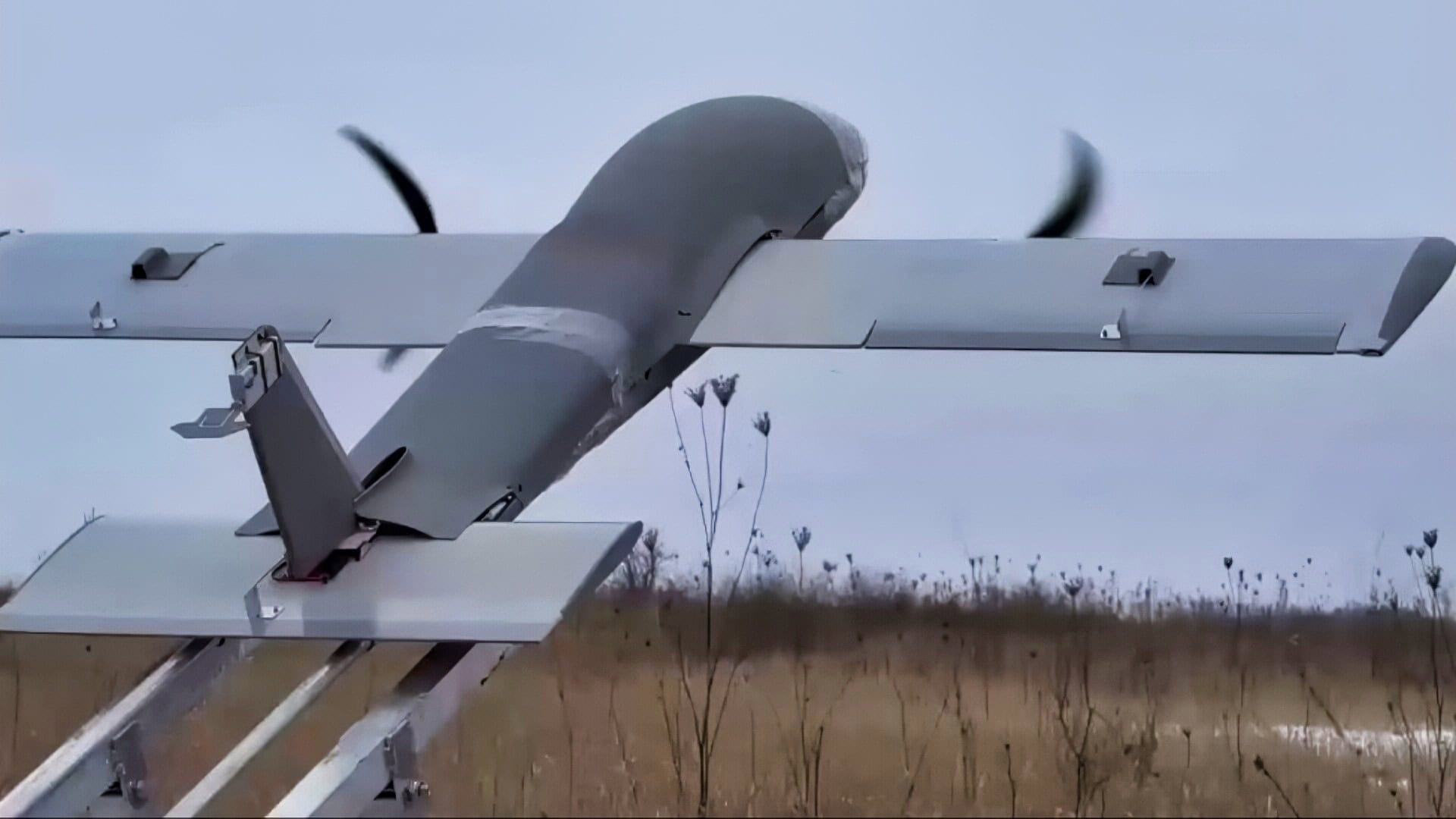
The point is not that a captured drone would be militarily decisive. Most of these systems are cheap, attritable, and easy to spoof in the information space. That is the problem. A Ukrainian-made or Ukrainian-modified airframe crossing into Latvia or Poland creates immediate ambiguity. Was it launched by Ukraine and deflected by Russian electronic warfare? Was it seized, reprogrammed and launched by Russia? Was it staged to justify escalation or to discredit Kyiv?
That ambiguity has military value. NATO's command structure is built to respond to clear attacks. Russia's hybrid playbook is designed to make clarity arrive late.
The Polish defence minister also said Russia had initiated 904 clashes against Ukrainian forces in the previous week, according to data presented by Poland's chief of the general staff. That number matters because it places the drone warning inside a live, grinding front rather than a detached intelligence theory. Russia is not pausing the war in Ukraine while probing NATO. It is trying to make the two theatres bleed into each other just enough to create hesitation.
Latvia Is Already Building For This Scenario
Latvia's response shows how quickly the eastern flank is adapting. On the same day as the Polish warning, Latvian Defence Minister Raivis Melnis told Latvian Public Broadcasting that Riga plans to cover the entire eastern border with automated anti-drone systems by the end of September. Latvia still needs to buy and integrate specific radar and command systems, but the direction is clear: fewer soldiers exposed at the border, more remote detection, and automated coverage over vulnerable approaches.
That is not theoretical either. LSM reported that several unmanned aircraft entered Latvian airspace from Russia on 7 May, with two crashing in Rezekne and damaging an oil storage facility. On 8 June, French fighter jets shot down a foreign drone in Latvian airspace, the first such shootdown in the country. Latvian officials have said several recent cases appear to involve Ukrainian drones pushed off course by Russian jamming.
Here is the technical trap. If Russian electronic warfare can redirect Ukrainian-launched drones, and Russian forces can also capture Ukrainian drones, NATO's air-defence problem becomes less about identifying an object and more about attributing intent fast enough to act. A radar track can tell you speed, bearing and altitude. It cannot tell you political authorship.
Why Drones Beat Missiles For Provocation
A missile crossing a NATO border is hard to explain away. A small fixed-wing drone is different. It may carry explosives, cameras, a decoy payload, or nothing useful at all. It may fly low, lose satellite navigation, follow a pre-programmed route, or be jammed into failure. It may cost less than the interceptor fired at it.
That makes drones ideal tools for a limited provocation. Russia can create a spectrum of incidents below the threshold of obvious war: a crash near a fuel depot, a drone over a border post, a sabotaged rail junction blamed on local actors, or an object with Ukrainian markings recovered after an explosion. Each case forces NATO governments to choose between public restraint and the risk of looking passive.
This is where the eastern flank's anxiety differs from Washington's default view. In Washington, hybrid threats are often discussed as a supplement to conventional deterrence. In Warsaw, Riga and Vilnius, they are the daily texture of deterrence. Border pressure, GPS interference, cyber attacks, disinformation against Ukrainian refugees, and drone incidents are not separate files. They are one pressure campaign.
NATO Has Seen This Movie Before
NATO's own language is moving in the same direction. On 13 July, the North Atlantic Council condemned Russia's persistent malicious cyber activity, saying Moscow's cyber ecosystem targets Allies and partners and threatens Allied security. Poland's foreign ministry welcomed the NATO and EU statements and specifically pointed to Russian activity aimed at destabilising state institutions and decision-making processes in EU and NATO countries.
That matters because the drone warning is not just about air defence. It is about a combined campaign. A drone incident is more useful if it arrives with GPS jamming, forged videos, anonymous sabotage claims, and online narratives accusing Ukraine of recklessness. The physical object creates the headline. The information operation supplies the confusion.
There is a precedent for public intelligence warnings doing useful work. Before Russia's full invasion of Ukraine in 2022, the Biden administration declassified and publicised warnings about Russian preparations. Some officials and analysts later argued that this slowed Moscow's timetable, even if it did not prevent the war. Polish Foreign Minister Radoslaw Sikorski has said he hopes today's public warnings will have a similar deterrent effect.
The short answer is: maybe. Public warning can raise the cost of a false flag by narrowing the space for denial. But it also tells Moscow exactly which anxieties are working.
What To Watch Next
The next indicators are practical. Watch whether Latvia completes its eastern border anti-drone coverage by September. Watch whether Poland and the Baltic states announce common rules for handling unidentified drones before they hit the ground. Watch whether NATO increases persistent air and ground-based counter-UAS coverage rather than relying on fighter intercepts, which are expensive tools for cheap targets.
Also watch the narrative after the next incident. If a drone crosses into NATO territory and the first wave of online claims focuses less on the drone and more on blaming Ukraine, that will tell us almost as much as the wreckage.
The main finding is blunt: Russia has learned that drones are not just weapons, they are attribution machines. A captured Ukrainian airframe could give Moscow a way to strike, confuse and deny in one package. NATO can handle the drone. The harder test is whether it can handle the story Russia attaches to it.
Poland's Defence Minister warned that Russia may use captured Ukrainian drones for provocations against NATO's eastern flank, targeting countries like Poland and the Baltic states. Latvia is responding by planning to cover its eastern border with automated anti-drone systems by the end of September. The situation is compounded by Russia's ongoing military actions in Ukraine, with 904 clashes reported in the past week.
- Poland's Defence Minister warned of Russian provocations using captured Ukrainian drones.
- Latvia plans to cover its eastern border with automated anti-drone systems by September.
- Russia initiated 904 clashes against Ukrainian forces in the previous week.