
Saudi Arabia and Yemen Plan a Large-Scale Attack on the Houthis to Retake Bab al-Mandab in 2026
 Ahmed Al-Rashid
Saudi Arabia and Yemen Plan a Large-Scale Attack on the Houthis to Retake Bab al-Mandab in 2026
On October 2, 2026, Reuters reported that Saudi Arabia is considering launching a large-scale attack on the Houthis in coordination with the Yemeni government forces, while two American officials stated that the operation could begin within days. Around the same time, the Riyadh-led coalition announced the interception of three ballistic missiles launched from Yemen towards Khamis Mushait. These are not separate news; they signal that Riyadh is trying to shift the battle from defending its cities and facilities to imposing military costs on the party that is choking the entrance to the Red Sea.
From Interception to Initiative
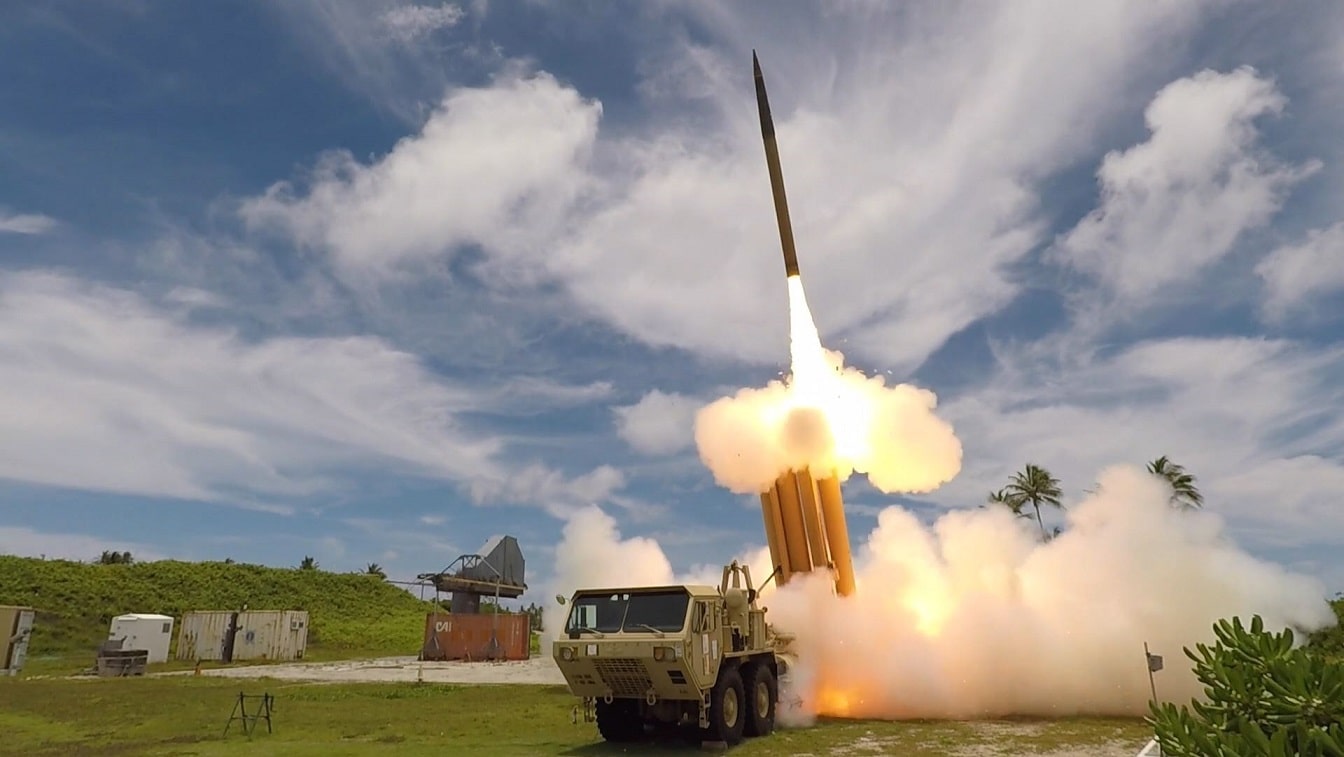
During the last week, three layers of pressure emerged. First, Houthi missile attacks on southern Saudi Arabia continued, with debris falling in populated areas and one person injured according to reports published on the HiWars platform. Second, Reuters reported a Saudi plan to regain control over shipping lanes in the Red Sea and Bab al-Mandab. Third, American reports confirmed that Washington would not participate directly in the attack, even if it provided information or logistical support. Practically, this means that the Kingdom wants to test the capability of allied Yemeni forces to fight, rather than reproducing a purely Saudi air campaign.
The figure circulated by some reports, which is more than 100,000 soldiers, needs independent verification and should not be considered a ready-to-fight force. In the Yemeni wars, the difference between the number of names on paper and the number of units capable of moving at night, securing supplies, and calling for precise fire can be the difference between a declared victory and a campaign that drains its owner. Therefore, the real question is not how many soldiers will be mobilized, but how many brigades can operate under unified command and with communications that are not compromised by local rivalries.
Why Bab al-Mandab Matters to Riyadh
Bab al-Mandab is not just a maritime passage far from Saudi cities. It is the gateway for the East-West pipeline, the port of Yanbu, and the calculations for energy exports to European and Asian markets when Gulf routes become more dangerous. The Houthis, even without completely closing the strait, can raise insurance costs and force ships to change their course around the Cape of Good Hope. Thus, a single missile or a drone boat becomes an economic pressure tool that exceeds its direct military value.
However, retaking the coast is not just an artillery task. The operation requires naval reconnaissance, continuous aerial surveillance, mine-clearing capabilities, port protection, and a Yemeni ground force that can remain after the initial strike. If the forces enter a rapid attack without a plan to manage the coastal areas, the Houthis will revert to the war of attrition they excel at: small cells, mobile missiles, and cheap drones targeting supply lines.
Testing the Triangle of Military Capability
Militarily, this campaign will test the triangle of capability that Gulf purchases often overlook: equipment, training, and institution. Saudi Arabia possesses interceptors and advanced aircraft, and the interception of the three missiles has proven that air defense can reduce risk. However, successful defense does not equal sustainable offensive capability. An attack requires the integration of information, target identification, ground force support, and the sustainment of munitions and fuel, followed by a rapid political decision when the plan changes.
As for the Yemeni government forces, their problem is not individual courage as much as it is the multiplicity of command centers. Any military officer who has served in the region knows that a unit that does not know who controls supply decisions or who sets the operational limits does not suddenly transform into a professional army just by announcing an attack. Riyadh may benefit from its firepower superiority in the early days, but the Houthis have the advantage of terrain, flexibility, and the ability to absorb political losses.
The Absence of the United States Changes the Calculations
The announcement that the United States will not join the attack is the most significant element of the news. Washington may provide early warning or intelligence support, but it does not want to bear the cost of a new Yemeni war. This places Saudi Arabia in a harsh equation: American protection remains necessary for air and naval defense, but it is not an American mandate to reoccupy Yemeni areas or guarantee a political outcome.
For the Houthis, the American absence may be read as an opportunity to expand the war against Saudi interests, or as a warning that Riyadh is moving alone. For the UAE and Oman, any advance towards the western coast will reopen the question of local influence and the limits of the war. As for civilians, they will pay the fastest price if a limited plan turns into widespread bombing or new displacement.
Conclusion
Saudi Arabia does not have the luxury of ignoring Houthi missiles or the costs of the Red Sea, but it also does not have a guarantee that the attack will restore deterrence. It may succeed in destroying platforms and temporarily removing the threat, but Bab al-Mandab will remain hostage to whoever has a cohesive military institution and a long-term logistical network. The paradox is that Riyadh is trying to achieve greater security independence through an operation that relies on external support and divided local fighters. In Yemen, as military wisdom states, it is not enough to win the first battle; you must know who will manage the road after the guns fall silent.
Sources
- Reuters, October 2, 2026, Saudi Plans for Attack on Houthis to Break the Red Sea Blockade
- The New York Times, October 2, 2026, Escalating Fighting in Yemen and Concerns of Total War
- HiWars, October 3, 2026, Summary of American Officials' Statements on the Upcoming Attack
- Firstpost, October 3, 2026, Saudi Arabia and Yemeni Forces Plan Attack Amid U.S. Absence
Saudi Arabia and Yemen are preparing for a large-scale military operation against Houthi forces to regain control of Bab al-Mandab, with plans to commence within days. The operation involves over 100,000 troops, although this figure remains unverified. U.S. officials confirmed that the U.S. will not directly participate, focusing instead on intelligence support. Houthi missile attacks on Saudi territory persist, indicating ongoing conflict.
- Saudi Arabia and Yemen are planning a large-scale attack on Houthi forces.
- The operation may begin within days according to U.S. officials.
- Over 100,000 troops are mentioned, but this number is unconfirmed.
- The U.S. will not participate directly in the attack, providing only intelligence support.
- Houthi missile attacks on southern Saudi Arabia continue, raising tensions.