

Earlier last month, Washington cleared the way forward for Saudi Arabia to gain access to one of the most sought-after — and expensive — military technology programs in the world: the American F-35 Lightning II stealth fighter program.
While not yet signed, sealed, and delivered, if the Kingdom is ultimately granted access to the fifth-generation fighter program, it would signal a seismic shift in American foreign policy in the Middle East and bring just the second country in the region, behind Israel, into the stealth fighter fold.
But bringing the Saudis into the program also carries risks.
According to an internal report circulated amongst America’s spooks, Riyadh’s friendly relations with China, which encompass both security and military ties, could allow Beijing to glean important and highly secretive information on what is arguably the world’s preeminent production fighter program — and also a program that is potentially adversarial to the Chinese.
Foreign Military Sales Notice
The Foreign Military Sales notice to Congress, as published by the United States Department of State, added several explanatory lines about the sale — crucially, that sale remains “possible” and is not yet finalized — and how the sale could or could not change the balance of power within the region and what the implications are for the United States as well as friends and allies within the region.
“This proposed sale will support the foreign policy and national security objectives of the United States by improving the security of a major non-NATO ally that is a force for political stability and economic progress in the Gulf region,” the notice reads.
Furthermore, the possible F-35 sale to the Kingdom “will improve Saudi Arabia’s capability to deter current and future threats by strengthening its homeland defense, and improving interoperability with U.S. forces, and other regional and NATO forces. The proposed sale will also augment Saudi Arabia’s operational aircraft and enhance its air-to-air and air-to-ground self-defense capability. The Kingdom of Saudi Arabia will have no difficulty absorbing this equipment and services into its armed forces.”
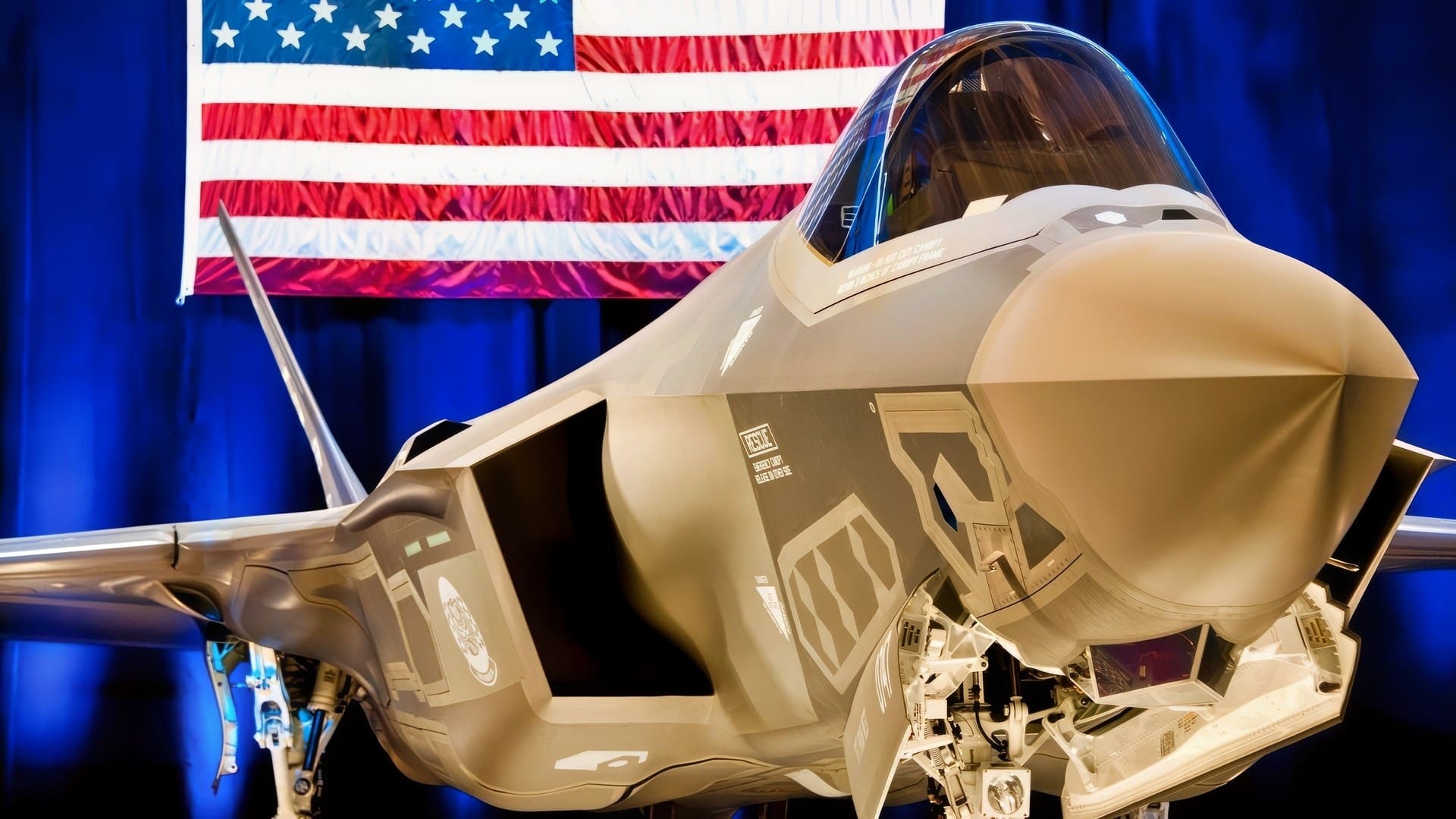
F-35 Fighter With U.S. Flag. Image Credit: Creative Commons.
“The proposed sale of this equipment and support will not alter the military balance in the region,” the notice bluntly states.
And while the information provided to Congress is likely accurate, it skirts the issue of espionage potential and the possibility of revealing compromising information about the F-35 stealth fighter.
Chinese Technology Embedded in Saudi Arabia
According to the memo, and as reported by The New York Times, the Defense Intelligence Agency believes that Chinese technology embedded in Saudi telecommunications, as well as China’s access to Saudi military bases, poses serious risks to keeping information about the stealth fighter program under wraps.
The sale is worth an estimated $24.3 billion and covers 48 F-35s, 9 Pratt & Whitney engines, and spare parts, support items, and associated communications equipment.
Israel and its Qualitative Military Edge
Another risk is ensuring Israeli military superiority within the region.
While Washington sells weapons throughout the Middle East, it does so in a way that ensures Israel maintains a qualitative military edge compared to the other countries in the Middle East and, to date, is the only country within the region that has been granted access to the program.
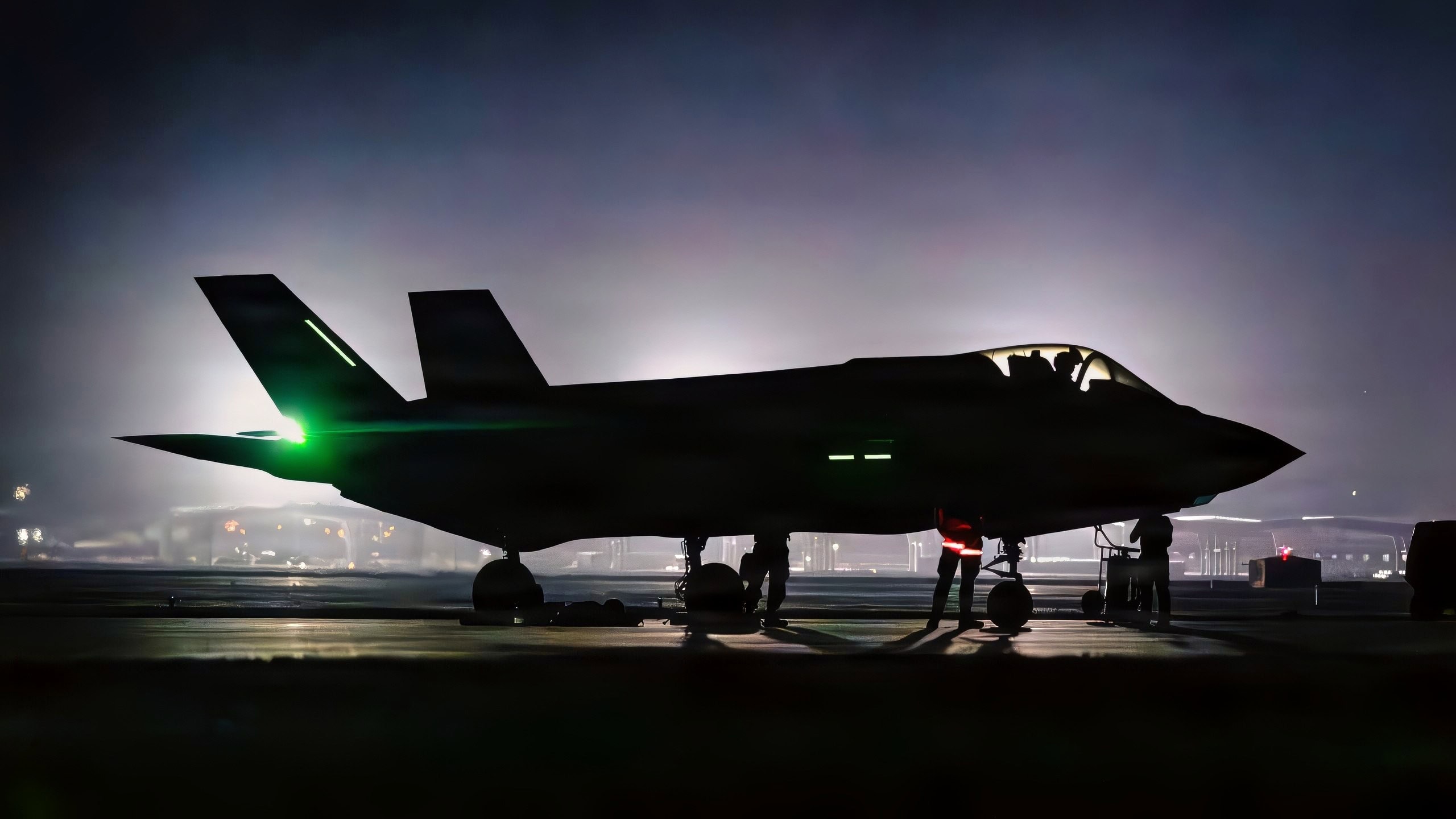
A U.S. Air Force F-35A Lightning II assigned to the 95th Fighter Squadron is parked on the flightline during exercise Noble Panther 26-4 at Tyndall Air Force Base, Florida, March 9, 2026. Airmen participated in night sorties, requiring them to perform their tasks in low-light conditions while staying watch for potential simulated attacks. These high-intensity, realistic scenarios were designed to build the confidence and muscle memory required for combat operations. (U.S. Air Force photo by Senior Airman Zeeshan Naeem)
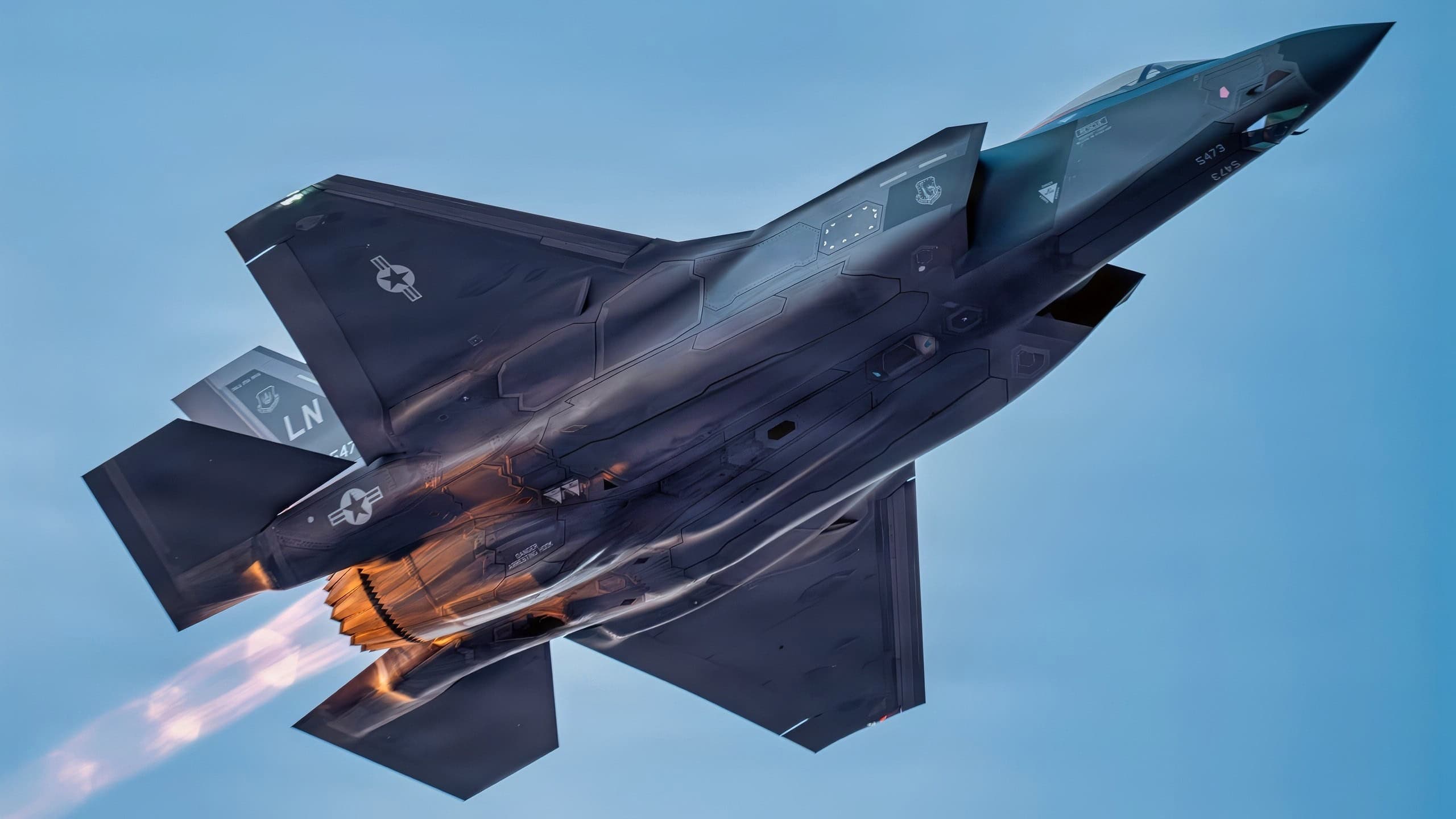
A U.S. Air Force F-35 takes flight in the Middle East in support of Operation Epic Fury, March 2, 2026. (U.S. Air Force Photo)
It is also the only country in the world allowed to modify its F-35 fighters in any way.
Israel’s F-35s have been dubbed F-35Is.
Rather than outfitting its fighters with the standard BAE Systems electronic warfare suite, Israel’s F-35s are equipped with an electronic warfare system developed by Elbit Systems, an Israeli firm.
Furthermore, the F-35Is integrate better with indigenously made Israeli weapons and benefit from customized software and datalinks.
Not Yet Finalized
Saudi Arabia is one of the biggest purchasers of American weapons and related military kit, but also buys Chinese weapon systems as well, including ballistic missiles.
Beijing is also helping the Kingdom set up its own ballistic missile production line.
American intelligence agencies concluded that, if the potential sale moves forward, Saudi Arabia should restrict access to the F-35 program and take steps to ensure the Chinese are not allowed to view or interact with any aspect of the stealth fighter program.
Furthermore, they conclude, it would be important to remove Chinese communications equipment built by ZTE and Huawei from its defense and telecommunications infrastructure.
About the Author: Caleb Larson
Caleb Larson is an American multiformat journalist based in Berlin, Germany. His work covers the intersection of conflict and society, focusing on American foreign policy and European security. He has reported from Germany, Russia, and the United States. Most recently, he covered the war in Ukraine, reporting extensively on the war’s shifting battle lines in Donbas and writing about its civilian and humanitarian toll. Previously, he worked as a Defense Reporter for POLITICO Europe. You can follow his latest work on X.