
Saudi Arabia Reopens Red Sea Exports as Iran Loses Its Chokepoint
 Alexandra Reeves
Saudi Arabia Reopens Red Sea Exports as Iran Loses Its Chokepoint
Iran wanted the Strait of Hormuz to function as a veto. Saudi Arabia’s decision to resume oil exports through the Red Sea suggests that veto is already weakening. That does not make the waterway safe, or the wider war less dangerous. It does show that Tehran’s maritime pressure is producing adaptation rather than submission.
The Route Iran Could Not Close
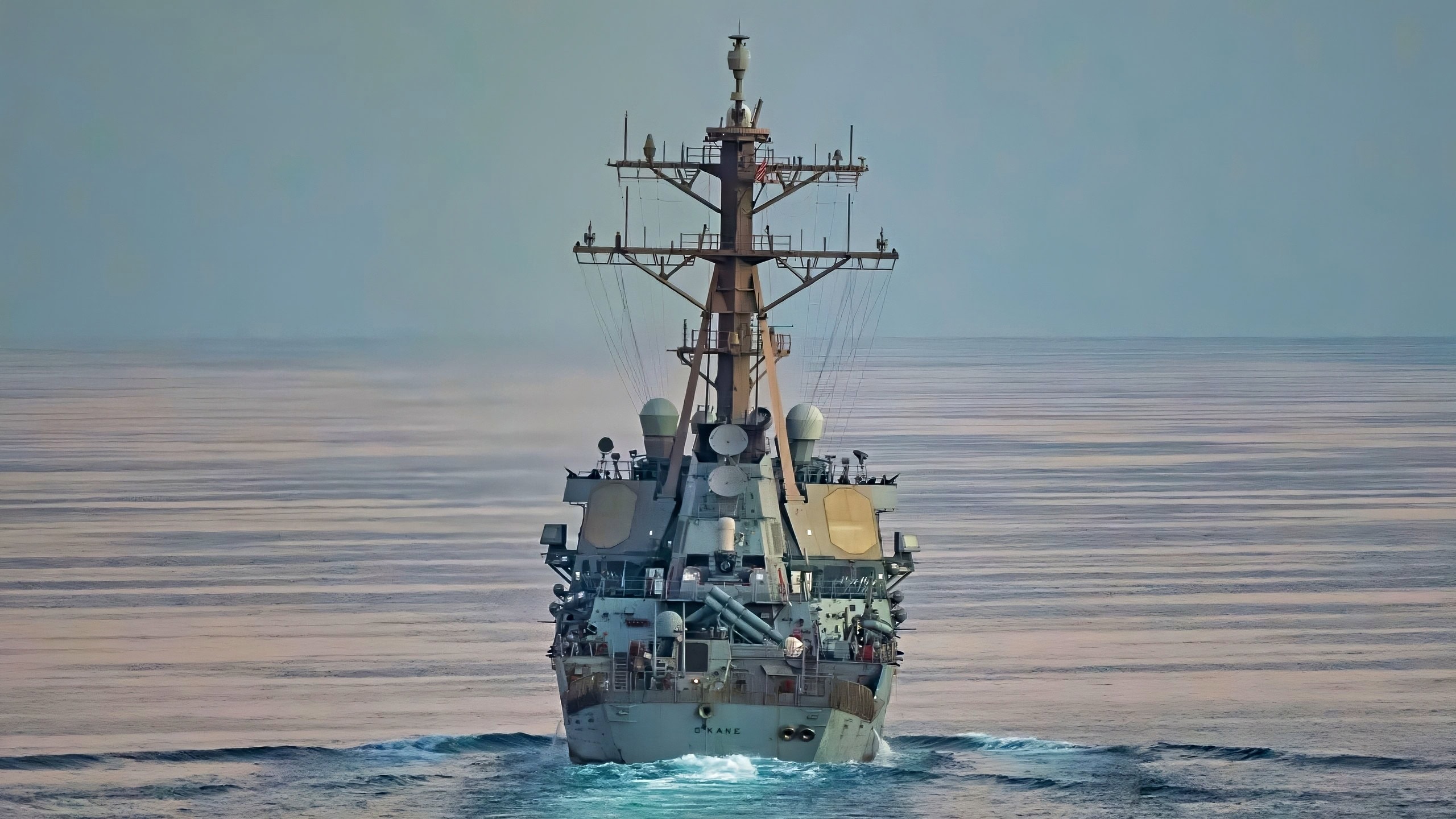
According to the Wall Street Journal, Saudi Arabia has resumed Red Sea oil exports in a move that directly undercuts Iran’s effort to turn the Gulf into the central pressure point of the conflict. The practical logic is straightforward. If tankers can move west from Saudi terminals toward the Red Sea, Riyadh has an alternative to sending every barrel through the Strait of Hormuz. An alternative route does not replace the Gulf overnight, but it changes the military and political calculation.
Chokepoints work when users have no credible substitute. Once a substitute exists, even an expensive or limited one, the chokepoint becomes a threat rather than a command. Tehran can still impose costs through mines, missiles, drones, fast attack craft, or harassment. It cannot assume that every disruption in Hormuz will translate into a complete shutdown of regional exports.
What the Maritime Picture Actually Says
The latest reporting is not a declaration that Iran has lost control of the Gulf. It is a warning against reading every shipping disruption as proof of successful coercion. The UK Maritime Trade Operations organisation has reported a strike on a vessel in the Strait of Hormuz, according to Middle East Eye. That incident matters because it confirms the continuing danger to commercial traffic. It also matters because the response has been operational rather than psychological: shipping firms and Gulf producers are adjusting routes, insurance assumptions, and loading patterns.
That is the difference between tactical disruption and strategic leverage. A missile or drone attack can damage one ship. A credible blockade must convince hundreds of other vessels that movement is impossible, not merely risky. So far, the pattern described by the reporting looks more like a costly contest over access than a clean Iranian closure.
The picture is reinforced by market reporting. Reuters reported that oil prices were being shaped by continuing Middle East supply concerns, while the Wall Street Journal described Saudi Red Sea exports as a blow to Iran. Markets are not strategic oracles, but they are useful sensors. If the threat were producing a durable, region-wide halt, the signal would be more than elevated anxiety and volatile pricing. It would be a sustained collapse in available flows.
Saudi Arabia Is Buying Strategic Room
Riyadh’s move is not an act of confidence. It is an insurance policy. Saudi Arabia remains exposed to Iranian missiles, proxy attacks, maritime sabotage, and the possibility that the Red Sea route itself becomes contested. But a second export corridor gives Saudi leaders more choices about where to place ships, how to distribute risk, and how to negotiate with Washington and other security partners.
That flexibility has political value. Saudi Arabia does not want its economic future tied to an American naval escort for every tanker, nor does it want Iran to decide when its energy infrastructure can operate. A functioning Red Sea option allows Riyadh to say, in effect, that the Gulf is dangerous without being sovereign Iranian territory.
The route also changes the burden on the United States. Washington can protect shipping, retaliate against attacks, and maintain surveillance. It cannot provide a permanent guarantee against every missile, mine, and drone across a war zone. NPR’s reporting that Turkey is preparing to play a larger role as the United States signals a smaller Middle East footprint points to the wider problem: regional states are being pushed to build their own redundancy because American presence is no longer assumed to be unlimited.
Why This Is Bad News for Tehran
Iran’s preferred strategy has always been to make the regional security bill impossible for everyone else. Threaten the Gulf, raise insurance costs, force the US Navy to patrol, and make Arab governments choose between economic paralysis and political dependence on Washington. That strategy can still produce pain. It becomes less effective when Saudi Arabia and other producers can reroute enough trade to keep the system functioning.
There is a second problem for Tehran. A failed attempt to close Hormuz would expose the limits of Iranian escalation. If attacks continue but exports keep moving through alternative corridors, Iran risks spending missiles and political capital for a result that looks smaller every week. Worse, it could push Gulf monarchies toward deeper military cooperation with the United States, Britain, France, Turkey, and each other.
That is the strategic irony. Iran can make the region more militarised without making itself more dominant. Every tanker attack strengthens the argument for layered air defence, maritime surveillance, convoy planning, and overland or Red Sea redundancy. Coercion produces the coalition it was meant to intimidate.
The Next Test Is Not Another Headline
The next few weeks will reveal whether Saudi Arabia’s Red Sea exports are a durable route or a temporary workaround. Watch three indicators: whether the flow continues beyond the immediate crisis, whether insurers price the Red Sea as a manageable risk rather than a second war zone, and whether shipping companies maintain access without a visible expansion of US escort operations.
Also watch Turkey. If Ankara steps into the security and diplomatic space left by a smaller American footprint, the Middle East will not simply become less American. It will become more contested among regional powers, each offering selective protection and demanding political influence in return.
Saudi Arabia’s reopening of the Red Sea route does not end Iran’s maritime campaign. It does something more uncomfortable for Tehran: it demonstrates that the campaign can fail strategically while succeeding tactically. The Strait of Hormuz remains dangerous. It is no longer automatically decisive. Iran can still set the sea on fire, but it is discovering that fire does not always control where the traffic goes.
Sources
Saudi Arabia has resumed oil exports through the Red Sea, undermining Iran's control over the Strait of Hormuz. This strategic move provides Riyadh with an alternative route for oil shipments, reducing reliance on the Gulf. Despite the reopening, threats to maritime security persist, and Iran's ability to exert control is challenged as regional dynamics shift. The situation remains volatile, with ongoing risks to shipping in the region.
- Saudi Arabia has resumed oil exports through the Red Sea.
- This move undermines Iran's efforts to control the Gulf.
- Iran's strategy of coercion is becoming less effective as alternatives emerge.
- The situation remains dangerous, with ongoing threats to shipping in the Strait of Hormuz.
- Saudi Arabia is seeking to reduce its dependence on U.S. naval escorts.