
Search Attack in One Go! What "Upgrades" Do the Z-20J and Z-20F Bring to the Navy?
Recently, the appearance of the Z-20J during the real combat training exercises in the far sea region aboard the Type 075 amphibious assault ship has attracted attention. Coupled with the fact that the Z-20F has also entered service, what kind of "upgrades" will these two types of shipborne helicopters bring to the Navy's capabilities for land and sea assaults as well as anti-submarine operations?
The Navy is equipped with Z-20J and Z-20F
What are the advantages? Expert analysis
Z-20J
The Z-20J is a shipborne assault helicopter for the Navy, compatible with the Type 075 amphibious assault ship, Type 071 dock landing ship, Type 055/052D destroyers, and Type 054A improved frigates. Its rotor blades can be folded, and it is responsible for vertical landings in the far sea and maritime troop deployment.
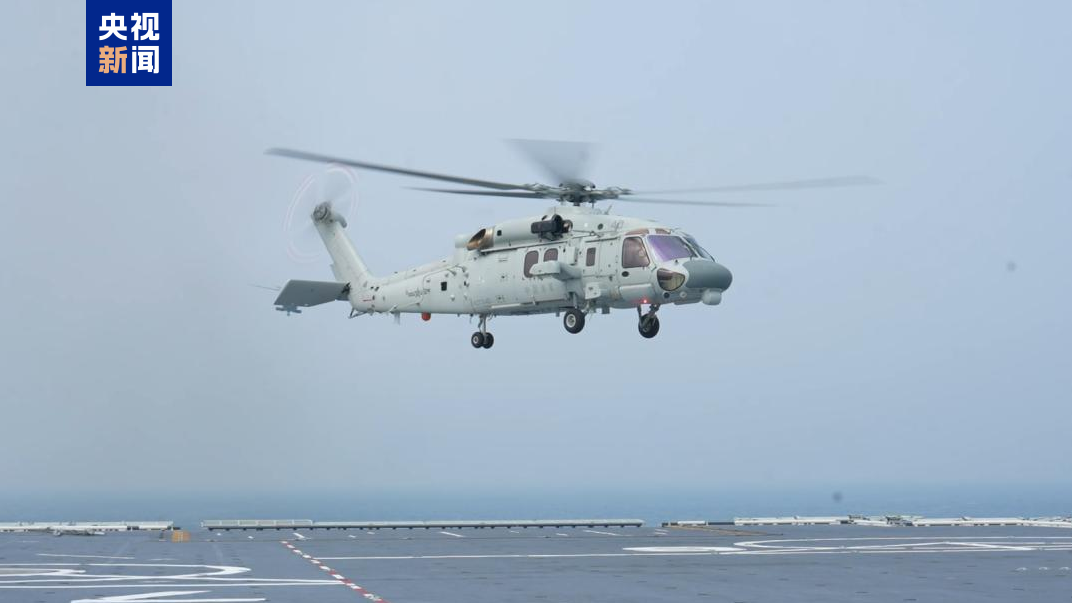
Based on the Z-20 tactical utility helicopter, the Z-20J has undergone adaptive improvements, with a key feature being the addition of short wings for external weapon mounts, primarily undertaking combat missions such as transport and fire support.
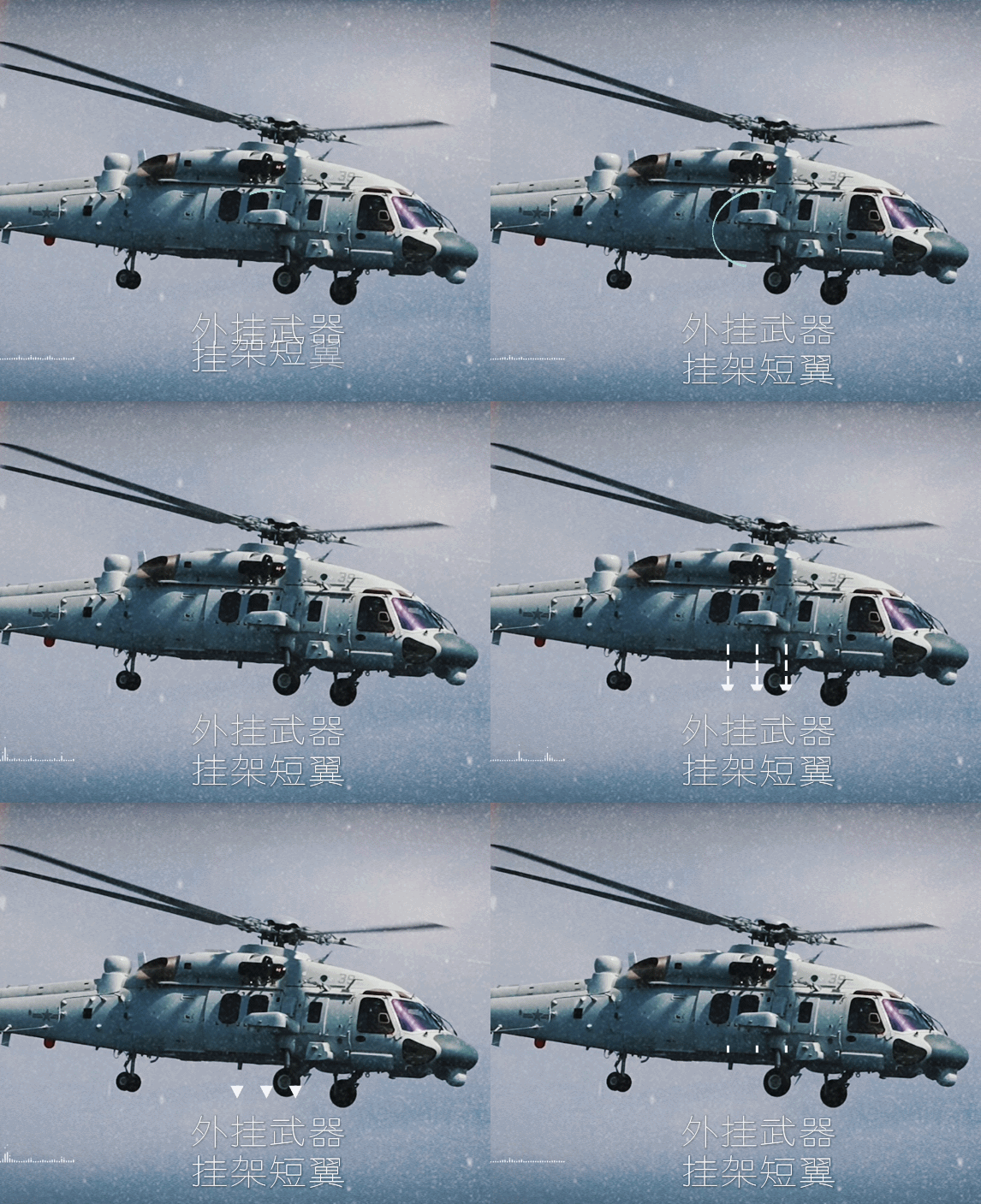
The Z-20J can transport personnel and conduct ground and sea attacks, making it an excellent tool for implementing vertical landings. It can play a crucial role in future landing and island assault operations, filling the gap in the Navy's shipborne assault helicopter capabilities.
Z-20F
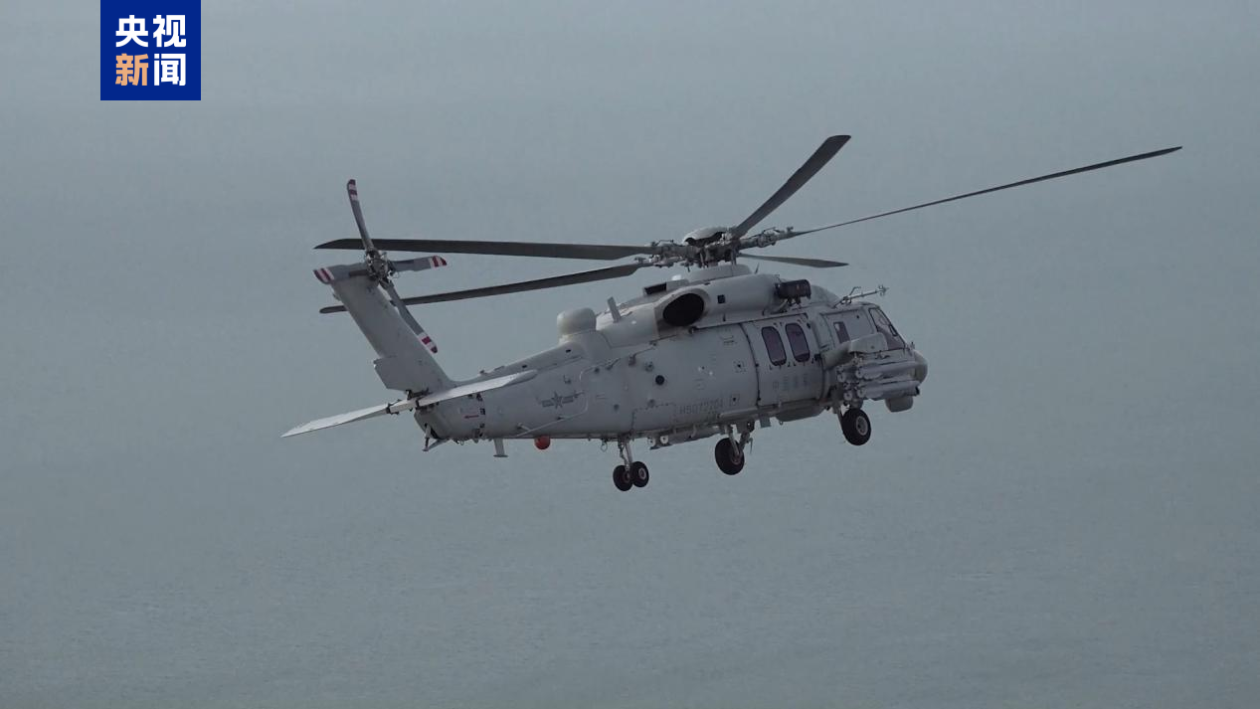
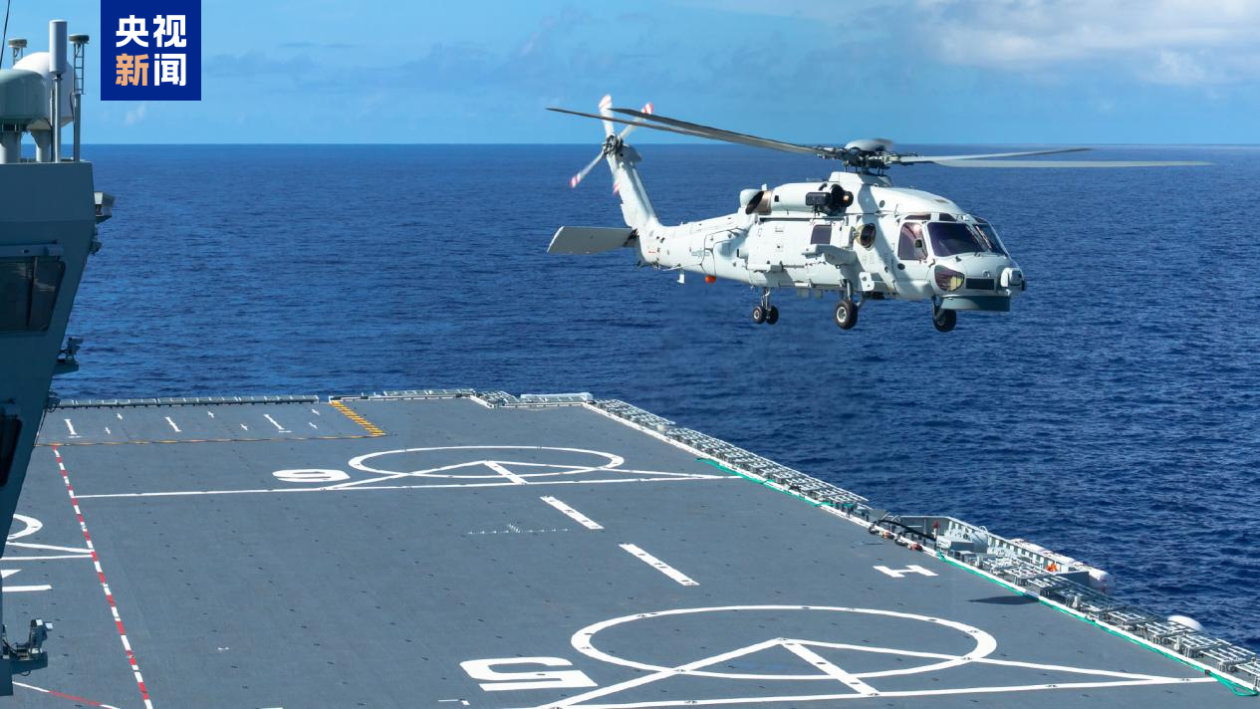
The Z-20F is a shipborne anti-submarine helicopter for the Navy, equipped with maritime radar, sonar buoys, dipping sonar, and anti-submarine torpedoes, capable of conducting integrated search and attack operations against submarines.
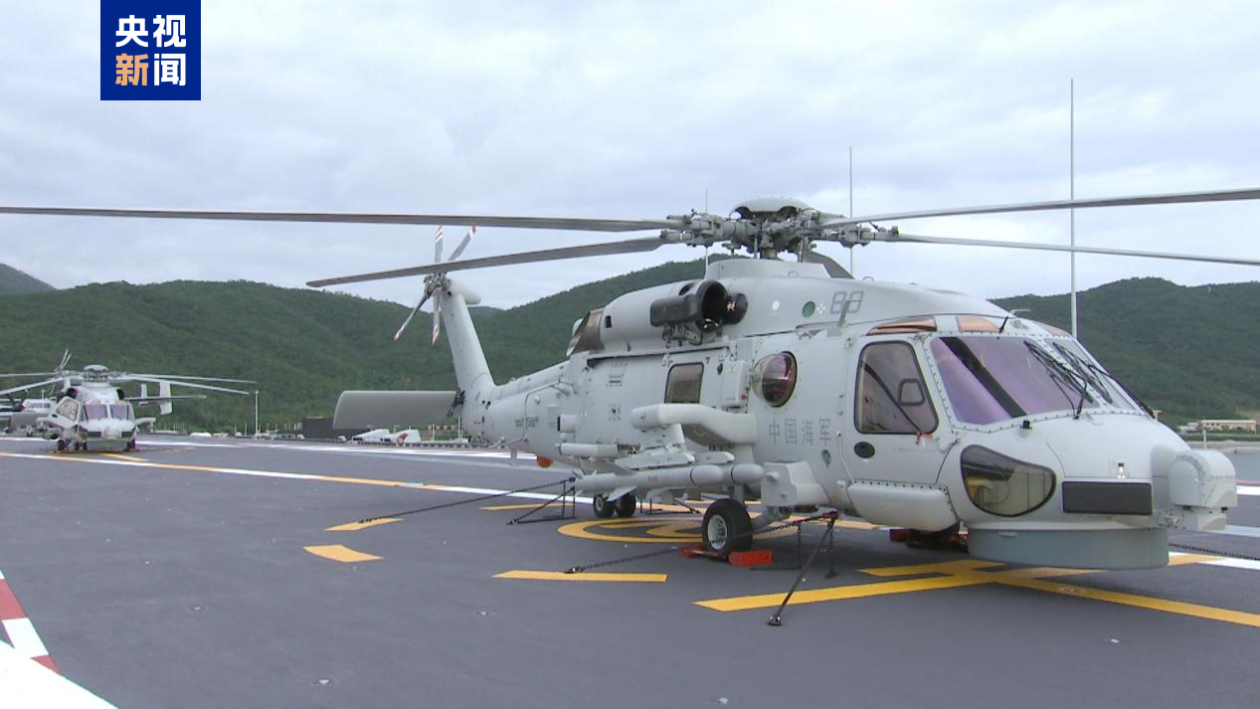
Before the Z-20F was equipped, the Chinese Navy had the Z-9 anti-submarine helicopter and the Z-18F anti-submarine helicopter. Compared to the Z-9, the Z-20F is larger, classified as a 10-ton helicopter, capable of carrying sonar buoys and dipping sonar, and can use torpedoes for anti-submarine warfare, effectively making it equivalent to two Z-9s.
The Z-20F is equipped with more advanced equipment and has a longer endurance, making it suitable for widespread deployment on Chinese Navy destroyers and frigates.
The introduction of the Z-20F will significantly enhance the Chinese Navy's aerial anti-submarine capabilities.
Experts indicate that the service of these two types of helicopters will greatly enhance the Chinese Navy's capabilities for land and sea assaults as well as anti-submarine operations.
A single model fills a critical gap for the three armed forces
What exactly makes the "Z-20 family" strong?
In addition to the Navy's Z-20J and Z-20F, the Z-20 and Z-20T have also performed excellently during training exercises in an Army helicopter unit, while the Air Force airborne troops have already equipped the Z-20K in large numbers. They are all powerful members of the "Z-20 family."
The mass deployment of the Z-20 has simultaneously filled critical gaps in the equipment systems of the Navy, Army, and Air Force. With a universal platform and all-domain adaptability, what exactly makes the "Z-20 family" strong?
Navy
Previously, shipborne helicopters were mainly light models with small payloads and short ranges, making it impossible to conduct simultaneous search and attack operations; now, the Z-20F can complete the entire process of search—tracking—attack in one go, expanding the anti-submarine range from tens of kilometers to over hundreds of kilometers.
The Z-20J allows landing forces to be directly vertically deployed from beyond visual range, eliminating the need for beach landings.
Army
After the mass deployment of the Z-20T, a single aircraft can handle both troop deployment and close-range fire suppression, achieving a closed-loop operational link of "transport + fire" for airborne assault brigades.
Air Force
After the deployment of the Z-20K, it enables airborne troops to conduct precise air drops and immediately deploy upon landing. The tail boom and horizontal tail can be folded, allowing it to fit into the cargo hold of the Y-20 transport aircraft.
From technological gaps to leading independently
From a single model to a family system
The "Z-20 family" continues to grow
Becoming an important support force for the equipment of the Navy, Army, and Air Force
The Chinese Navy has recently introduced the Z-20J and Z-20F helicopters, enhancing its assault and anti-submarine capabilities. The Z-20J serves as a carrier-based assault helicopter, while the Z-20F is designed for anti-submarine warfare. These advancements significantly improve the operational effectiveness of the Chinese Navy in both land and maritime operations.
- The Z-20J is a carrier-based assault helicopter designed for vertical landing and troop transport.
- The Z-20F is an anti-submarine helicopter equipped with advanced sonar and torpedoes.
- Both helicopters significantly enhance the Chinese Navy's operational capabilities against land and sea targets.
- The Z-20 family of helicopters fills critical gaps in the capabilities of the Chinese military across all branches.