
Six PLA Military Aircraft and Eight Warships Appear in the Taiwan Strait, 2026 Gray Zone Pressure Shifts to Normalization
 Li Minghui
Six PLA Aircraft and Eight Naval Vessels Appear in the Taiwan Strait, Pressures in the Gray Zone Shift to Normalization by 2026
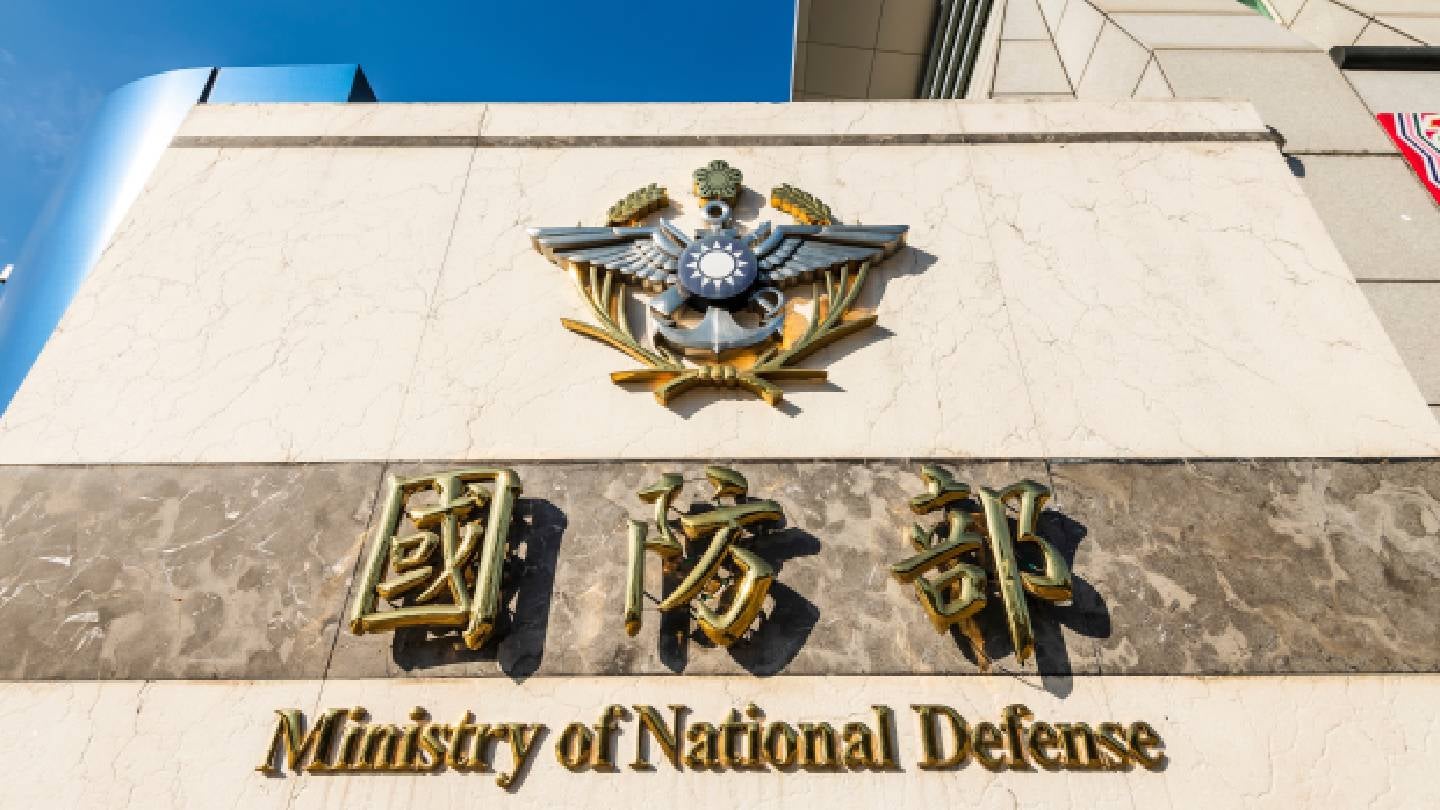
On September 9, the latest updates released by Taiwan indicated that the PLA has maintained a low-profile but uninterrupted operational tempo around the Taiwan Strait. Within the 24 hours from 6 AM on September 8 to 6 AM on September 9, Taiwan detected six PLA military aircraft, eight naval vessels, and three government ships, with two aircraft entering Taiwan's southwestern and eastern air defense identification zones. Taiwan subsequently dispatched military aircraft, naval vessels, and shore-based missile systems for monitoring.
The daily numbers are not shocking; what is truly significant is the continuity. According to statistics cited by Taiwan News from Taiwan's defense department, since September, Taiwan has recorded 40 instances of PLA aircraft activity and 92 instances of naval vessel activity; the day before September 8, Taiwan also reported the detection of 12 mainland vessels and eight aircraft. This is not an exercise designed to create a shocking effect with large formations, but rather a gradual transformation of reconnaissance, monitoring, and response into a daily routine.
From Crossing the Median Line to Consuming Response Windows
It is noteworthy that the current pressure is not only reflected in whether the so-called median line of the strait is crossed. Air platforms entering the air defense identification zone, surface vessels maintaining presence in the vicinity, and government ships conducting lower-intensity probing at the front all contribute to a situation where Taiwan's defense department faces continuous consumption rather than a one-time alert. Tactically, this will force Taiwan to keep its air force, navy, and shore-based radar in a state of readiness for an extended period; operationally, it will make it difficult for limited duty forces to determine whether the next action is a routine patrol, intelligence gathering, or a precursor to a larger-scale operation.
A Decrease in Aircraft Numbers Does Not Equate to a Decrease in Pressure
In the first seven months of this year, publicly available statistics show that the number of Chinese military aircraft entering Taiwan's air defense identification zone has decreased by about 52% year-on-year, while the activity of Chinese naval vessels in the surrounding area has only decreased by about 7% during the same period. This difference is quite interesting: aerial operations can quickly cool down by adjusting the number of sorties, while maritime presence is more suited to being maintained at a lower cost. The speed, endurance, and mission attributes of naval vessels, government ships, and coast guard vessels differ, and when used in a mixed manner, they can maintain situational awareness while packaging some actions as law enforcement or patrols.
My judgment is that the PLA and related maritime forces are testing a more sustainable pressure curve. High-intensity military exercises can certainly create political effects, but the cost of frequently deploying large combat aircraft and major vessels is not low; using a small number of aircraft in conjunction with vessels, government ships, and shore-based sensors is more suitable for long-term observation of Taiwan's takeoff, formation, and command responses. In simple terms, it is about using lower daily inputs to exchange for the opponent's year-round vigilance.
The Taiwan Side's Budget Response Reveals Another Competition
On September 3, Taiwan proposed an additional defense budget of approximately 145.7 billion New Taiwan dollars, of which about 55.9 billion New Taiwan dollars is allocated for three types of drones, with additional funding directed towards missiles and integrated battlefield command systems. This reflects not merely a pursuit of more manned combat aircraft, but a desire to reduce daily monitoring costs through unmanned reconnaissance, shore-based firepower, and data links. If the PLA continues to disperse its maritime and aerial activities over longer periods and larger areas, whether Taiwan can integrate these new systems into a stable target identification and engagement authorization process may be more critical than the quantity of procurement itself.
There is also an easily overlooked limitation: the air defense identification zone is not equivalent to territorial airspace, and the number of daily entries cannot be directly converted into the intensity of invasion. Describing every activity as a crisis can obscure the variables that truly need analysis—platform combinations, route changes, maritime activities in the eastern direction, and whether Taiwan's response time is being compressed.
The Real Risk Lies in the Accumulation of Misjudgments
Reports from Taiwan News, publicly available data from Taiwan's defense department, and weekly summaries from SecurityStudies.info all point to the same trend: the danger of military pressure in the Taiwan Strait is shifting from "Will there be a large-scale exercise on a certain day?" to "Can low-intensity actions be managed over the long term?" When military aircraft, naval vessels, and government ships continuously operate in the same space, identification errors, communication interruptions, or sudden task escalations can push routine monitoring toward a crisis.
Source: Taiwan News, September 9, 2026; Taiwan Ministry of National Defense public statistics; SecurityStudies.info "Taiwan Security Report," September 9, 2026.
Therefore, the next most noteworthy observation is not whether the number changes from six to sixteen on a certain day, but whether the PLA begins to steadily push more actions toward Taiwan's eastern region, and whether Taiwan's additional budget can truly reduce the consumption of manned platforms in a high-frequency duty environment. If the "normalization" of the Taiwan Strait continues to deepen, do both sides still have sufficiently clear mechanisms to distinguish between training, law enforcement, and crisis signals?
The People's Liberation Army maintained a military presence in the Taiwan Strait, with 6 aircraft and 8 ships detected between September 8 and 9, 2026. Taiwan's defense ministry reported ongoing activities, including 40 instances of aircraft and 92 naval operations in September. This indicates a shift towards a normalized state of pressure on Taiwan, with continuous monitoring and potential for miscalculation in the region.
- 6 Chinese military aircraft and 8 naval vessels were detected in the Taiwan Strait.
- Taiwan recorded 40 instances of Chinese military aircraft activity and 92 naval activities in September.
- The presence of military and coast guard vessels indicates a shift towards normalized pressure on Taiwan.