
Storm Shadow Makes Britain a Direct Target in Russian Rhetoric of August 2026
 Dmitri Volkov
Storm Shadow Makes Britain a Direct Target in Russian Rhetoric of August 2026
There is one telling detail in the events of August 27. Moscow is once again striking Ukrainian cities, ports, and industrial facilities, but this time the main addressee of the public threat is not in Kyiv, but in London. Reuters reported that the Russian side allowed strikes on British military targets in response to Ukrainian attacks using British missiles. The Guardian conveyed almost the same message, stating that Britain is "playing with fire." For a careful observer, this is more significant than the emotional language itself. When Russian diplomacy begins to speak not about the front, but about British targets, it means that the dispute is no longer about a specific raid, but about the status of an external supplier in the very architecture of the war.
Why Right Now
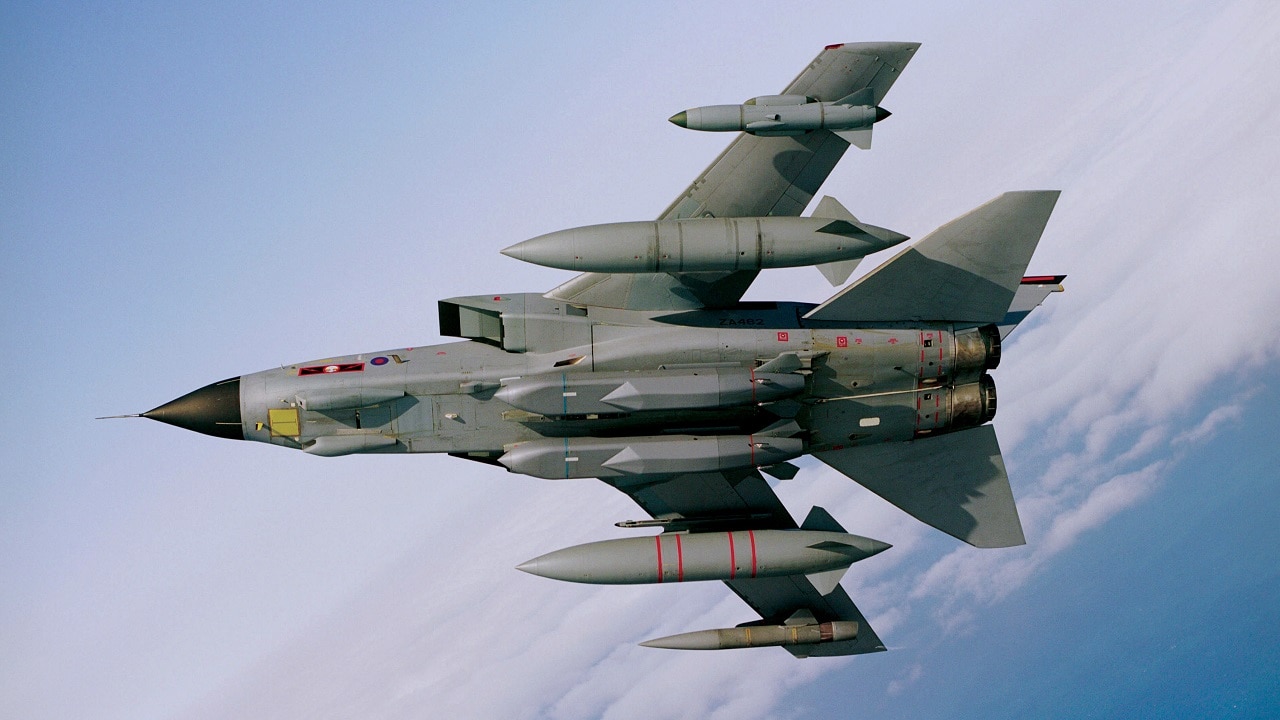
The timing is not accidental. Just a few days ago, the transfer of technological documentation for Storm Shadow/SCALP to Ukraine and the expansion of capabilities for localizing the long-range system were already being discussed in the information space. Even if real production results do not appear tomorrow, the very political meaning of such a step is dangerous for Moscow. It is no longer just about supplying ready-made missiles with a limited stock, but about the potential transition of Western assistance into a more sustainable form. For Russian military logic, this is a qualitatively different risk. One-time packages can be weathered, but a long production chain must be disrupted or at least intimidated.
There is also a second motive. In recent weeks, Ukraine has systematically shifted pressure into the Russian rear: oil refining, warehouses, aviation infrastructure, ports, logistics hubs. This process is dangerous not only due to material damage but also because it exposes the weakness of the distributed air defense in an area that the Russian leadership recently considered relatively safe. As the range of Ukrainian strikes increases, Moscow needs to restore deterrence, at least verbally. Britain is not chosen by chance: it is London that has long played the role of the most convenient European "arsonist" in Russian discourse, meaning a state that can be blamed for escalation without immediately transitioning to direct confrontation with the USA.
What the Threat to British Targets Means
Such statements should not be read too literally. A strike on targets within Great Britain would mean a leap into conflict with a nuclear NATO power, which Moscow is hardly prepared for in reality. Russian rhetoric here is likely exaggerated precisely because practical options are already limited. But this does not make the threat empty. Rather, it indicates where Moscow sees the opponent's vulnerable zone. Not the British island as such, but British military presence, instructor networks, intelligence support, logistics hubs, naval and air bases outside national territory, as well as any points that can be represented as "operational extensions" of Ukrainian long-range strikes.
In other words, the Kremlin is trying to change the legal and psychological framework of the war. If earlier Western governments insisted that they were only helping Ukraine defend itself, now Moscow seeks a different perception: the missile supplier, technology transmitter, and target designator should be considered not an external sponsor but an actual accomplice in the strike. This logic is not new. Soviet and later Russian strategic culture has always sought to blur the line between the front and the enemy's rear support. But in 2026, this scheme returns in a more risky form because Ukrainian long-range capabilities have ceased to be symbolic and have begun to regularly inflict real damage.
The Military Meaning Behind the Diplomatic Phrase
At the operational level, the threat to Britain serves three functions at once. The first is pressure on the political leadership of London, reminding them of the cost of too close involvement. The second is a signal to other Europeans, primarily Paris and those capitals considering expanding military-technical assistance to Ukraine. The third is for domestic consumption. Russian society and elites need to explain why strikes on targets deep within Russia continue despite all claims of control over the situation. The easiest way to do this is through the old formula: Russia is at war not only with Ukraine but with a larger coalition, where the British are one of the main operators.
Therefore, the simultaneity with new strikes on Ukrainian infrastructure is also important. Reuters and AP reported on the same day about new Russian attacks on several Ukrainian cities. This is a typical Moscow way of linking rhetoric and practice. First, an external culprit of escalation is identified, then it is demonstrated on the battlefield that Russia retains the ability to punish Ukraine immediately, even if it does not intend to strike at Britain. We are not witnessing preparations for an inevitable war between Russia and NATO, but an attempt to restore a disrupted ladder of intimidation, on which Ukrainian long-range strikes have risen too high in recent weeks.
Limits of Russian Escalation
However, this also hides the weakness of the Russian position. The more often Moscow threatens to expand the war and does not realize the direct threat, the more noticeable the wear of the intimidation effect becomes. But Western capitals should not draw the opposite, equally naive conclusion from this. Weakness does not equal powerlessness. Russia can respond not symmetrically but indirectly: by intensifying strikes on Ukrainian energy and ports, hunting for the servicing infrastructure of Western systems, conducting sabotage activities, cyber operations, pressuring British interests in third countries, and further normalizing rhetoric about "legitimate targets" beyond Ukraine. This is typically how a state acts when it wants to raise the cost of intervention without crossing the red line of a large war.
My conclusion is simple. Mentioning British military targets is not a sign of Russian confidence but a sign of nervous recognition that the Ukrainian long-range system, with Western support, has become a strategic problem. Moscow is trying to restore fear to where the technology came from. Whether it will succeed is another question. Most likely, in the coming weeks, we will see not a strike on Britain but further escalation around Ukrainian ports, rear industry, and the entire servicing chain of long-range strikes. Russian escalation will remain manageable only as long as London and Paris limit themselves to technological and material involvement, without transitioning to open operational coordination, which will no longer be possible to mask with diplomatic formulas.
Russia threatened British military targets on August 27, 2026, in response to Ukrainian attacks using British Storm Shadow missiles. This marks a significant shift in rhetoric, indicating that Moscow views Britain as a key military supplier to Ukraine. The threat serves to pressure London and signal to other European nations about the risks of military support to Ukraine, as Russia seeks to restore deterrence amid increasing Ukrainian long-range capabilities.
- Russia publicly threatens British military targets in response to Ukrainian missile use.
- The threat indicates a shift in Russian rhetoric towards Britain as a military supplier.
- Ukraine's long-range capabilities are becoming a strategic concern for Russia.
- Russia aims to pressure London and signal to other European capitals regarding military support to Ukraine.
- The report highlights the potential for increased Russian military actions without direct confrontation with NATO.