
Syria is Considering Joining the Mecca Defense Pact in 2026 and Testing the Limits of the Saudi Alliance
 Ahmed Al-Rashid
Syria is Considering Joining the Mecca Defense Pact in 2026 and Testing the Limits of the Saudi Alliance
On October 31, 2026, Syrian Foreign Minister Asaad Al-Shibani stated at the Manama Dialogue Conference that Damascus is evaluating joining the defense alliance that includes Saudi Arabia, Turkey, and Pakistan. The statement is not an announcement of a forthcoming signing, but it reveals that the war in Yemen has pushed Gulf security arrangements closer to the Syrian front, and that Riyadh wants to transform its political support for the new Syrian government into usable security influence.
What the Mecca Pact Means in Practice
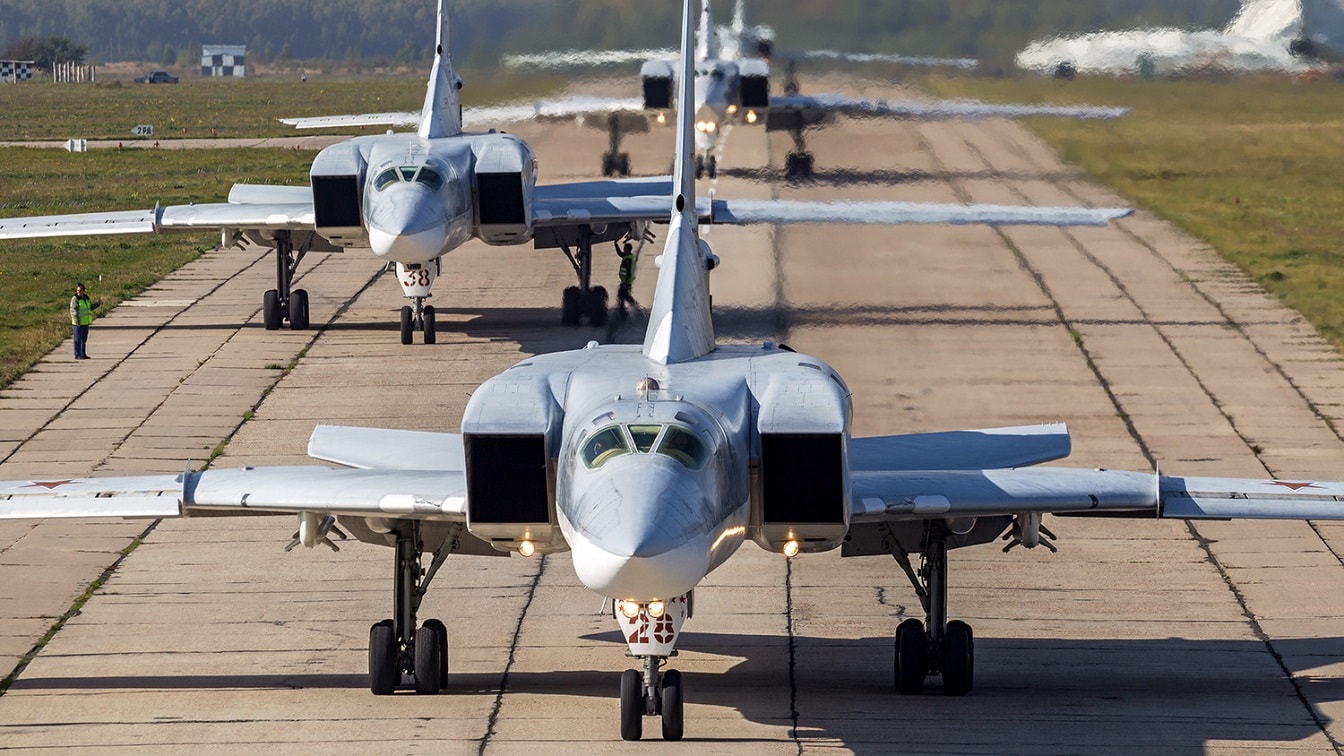
The Mecca Agreement for Joint Defense, signed by Saudi Arabia, Turkey, and Pakistan in August, stipulates that an attack on one member state is treated as an attack on all three members. This formulation gives the agreement significant political weight, but it does not automatically establish a unified operational command or a binding timetable for troop deployment. Turkey is still completing its ratification procedures, and its officials have clarified that any future assistance to Riyadh does not mean sending Turkish troops to Yemen or conducting strikes against the Houthis. Pakistan holds deterrent value and military symbolism, but its entry into a direct war in the southern peninsula is a completely different matter.
In practical terms, the Mecca Pact today is more of a network of commitments than a fully structured military alliance. This explains why Damascus is monitoring the discussion before committing: membership grants it a political umbrella and new military relations, but it may put it in confrontation with adversaries that its security institutions are not equipped to handle.
Why Damascus Wants to Get Closer to Riyadh
Saudi Arabia is one of the main supporters of the government led by President Ahmad Al-Shara after the fall of Bashar Al-Assad in December 2024. Damascus needs money, reconstruction, and political recognition, but it first needs to rebuild a national army capable of securing borders and local power centers. Therefore, joining, even gradually, could open the door to training, information exchange, and possibly support for surveillance systems and border protection.
However, the Syrian forces currently lack a stable joint command structure, integrated air defense, and naval capabilities that could significantly contribute to Saudi Arabia's battle against drones and Houthi missiles. Syria's value in the pact is not in sending a battalion to Marib, but in its geographical location and its potential ability to prevent the return of arms networks and militias across the Levant. This is a long-term security contribution, not an immediate solution to the missiles hitting Saudi airports and facilities.
The Yemeni War Reveals the Alliance's Problem
The discussion about Syria's potential membership coincided with reports of Saudi Arabia shooting down two drones suspected of belonging to the Houthis, amid ongoing attacks on the Saudi depth. The military message is clear: possessing F-15 aircraft and Patriot and THAAD systems is not enough when the attacks are low-cost, repetitive, and come from multiple directions. The kingdom needs a sustainable warning, monitoring, coordination, and interception network, not new statements of solidarity.
Here, the triad capability gap that I always refer to in assessing the region's armies emerges: equipment, training, and institutions. Saudi Arabia has advanced equipment, Turkey and Pakistan have different operational experiences, while the weakest link is converting political commitments into joint leadership, rules of engagement, and clear role distribution. If this issue is not resolved, the pact will remain a political deterrent signal, while the daily protection of airports and oil facilities will remain tied to American assistance.
An alliance that lacks a command center and deployment plan does not deter the adversary; it merely postpones the test of credibility.
Israel and Iran in the Syrian Calculation
Al-Shibani's remarks about Syrian sovereignty did not come out of nowhere. He stated that Israel has carried out over a thousand attacks on Syria in less than two years, resulting in dozens of casualties. This dimension makes Damascus view any Arab or Islamic defense framework as a means to reduce its isolation against Israeli strikes, even if the pact does not include an explicit commitment to defend Syria against Israel.
However, Riyadh, Ankara, and Islamabad will not want to import all of Syria's crises into the agreement. Syria's membership will raise difficult questions about the limits of commitment if Syrian territory is subjected to an Israeli raid, about the new government's relationship with armed factions, and about the possibility of using Syrian corridors in a broader conflict with Iran. Therefore, the three countries will likely seek a flexible membership formula that begins with training, information exchange, and political support, while postponing the automatic defense clause.
The Real Test Will Be in Institutions
Saudi Arabia can purchase early warning aircraft, Turkey can provide drones, and Pakistan can offer training expertise, but trust between military leaders cannot be bought overnight. Moreover, introducing Syria before unifying its institutions could turn the pact into a new funding channel rather than a defensive alliance.
In my estimation, Damascus will use the membership request to gain recognition and resources, while Riyadh will use the request to demonstrate that its camp is expanding in the face of the Houthis and Iran. Both sides have a political interest in the announcement, but the military interest is less clear. The war in Yemen does not need a new member on paper as much as it needs integrated air defense, sufficient interception stockpiles, and a chain of command that knows who decides and when.
The Mecca Pact could succeed if it starts as a capacity-building project rather than a commitment to send armies. However, if it promises to protect everyone from everything, it will turn into another version of regional security arrangements that are full of signatures but lack mechanisms. The contradiction facing Damascus and Riyadh is the same: the desire for security independence from Washington, while still relying on American technology, intelligence, and leadership at the moment of war outbreak.
Sources
- Al Jazeera, Statement by the Syrian Foreign Minister at the Manama Dialogue Conference, October 31, 2026.
- The New York Times, Report on Syria's consideration of joining the Saudi defense pact, November 1, 2026.
- The National, Follow-up on developments regarding tensions with Iran and oil prices, November 2, 2026.
- The Times of Israel, Report on the downing of suspected drones over Saudi Arabia, October 31, 2026.
Syria is evaluating joining the Mecca Defense Pact, which includes Saudi Arabia, Turkey, and Pakistan, as stated by Syrian Foreign Minister Asaad al-Shibani on October 31, 2026. This potential membership aims to enhance Syria's political recognition and military capabilities amidst ongoing regional tensions, particularly with Israel. The pact emphasizes mutual defense but lacks a unified command structure, raising questions about Syria's military readiness and the implications for its security forces.
- Syria is evaluating joining the Mecca Defense Pact by 2026.
- The pact includes Saudi Arabia, Turkey, and Pakistan.
- The Syrian government seeks political recognition and military support.
- Israel has conducted over a thousand attacks on Syria in less than two years.
- The Mecca Pact does not automatically create a unified command structure.