
The 13th Beijing Xiangshan Forum Concludes Today, Focusing on Asian Security
Today (17th), the 13th Beijing Xiangshan Forum enters its final day. Over the past two days, official representatives from nearly 100 countries, regions, and international organizations, as well as domestic and foreign experts and scholars, have engaged in dialogue on topics such as world multipolarity and global security governance. At this year's Beijing Xiangshan Forum, Asian security has become an important topic of concern for the attendees. Representatives and experts from various countries and regions have exchanged views on issues related to the Asian security situation, regional cooperation, and security governance.
In recent years, the security situation in the Asian region has continued to attract attention. Promoting political mutual trust to extend to a multi-level dialogue mechanism has become an important consensus regarding the long-term direction of Asia at this forum.
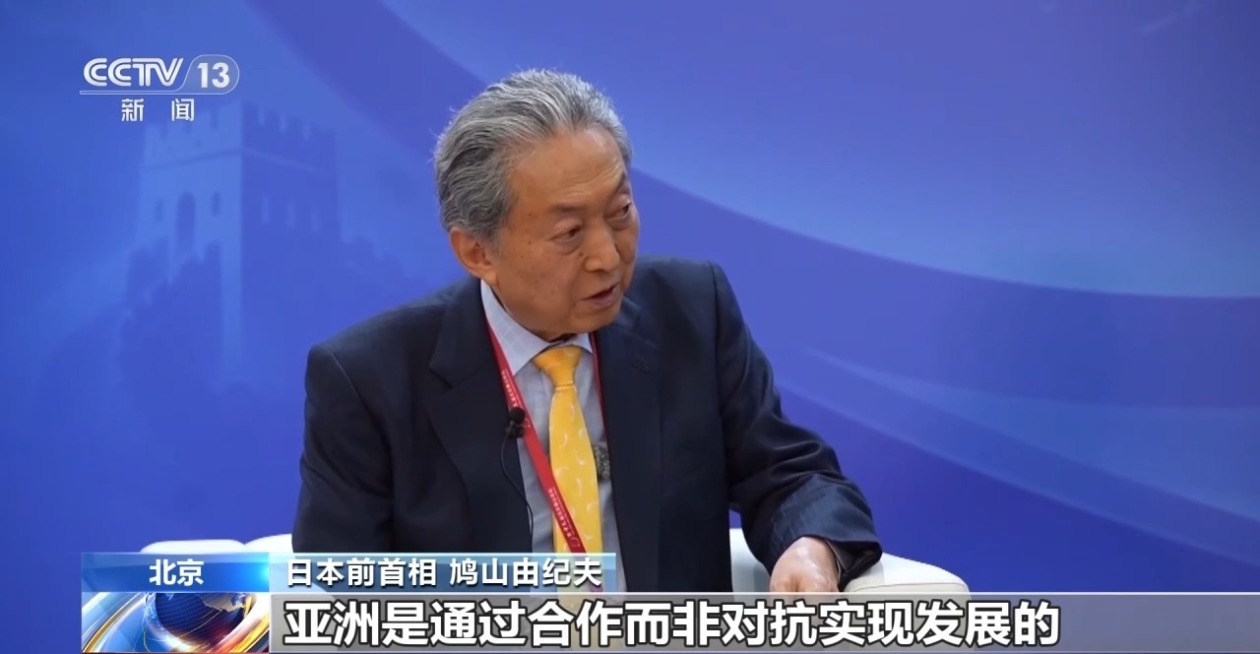
Former Prime Minister of Japan Yukio Hatoyama: Asia should achieve development through cooperation rather than confrontation. To maintain peace and stability in Asia, we need to continuously engage in multilateral and multi-level dialogue, which includes not only intergovernmental dialogue but also military crisis management mechanisms and civil cultural exchanges. I believe that dialogue rather than confrontation, cooperation rather than division, is the path that Asia should take.
This call for cooperation through dialogue has resonated widely among the attendees. In the face of different security concerns among Asian countries, how to enhance understanding and find common interests is also an important issue that needs to be addressed to achieve regional common security.
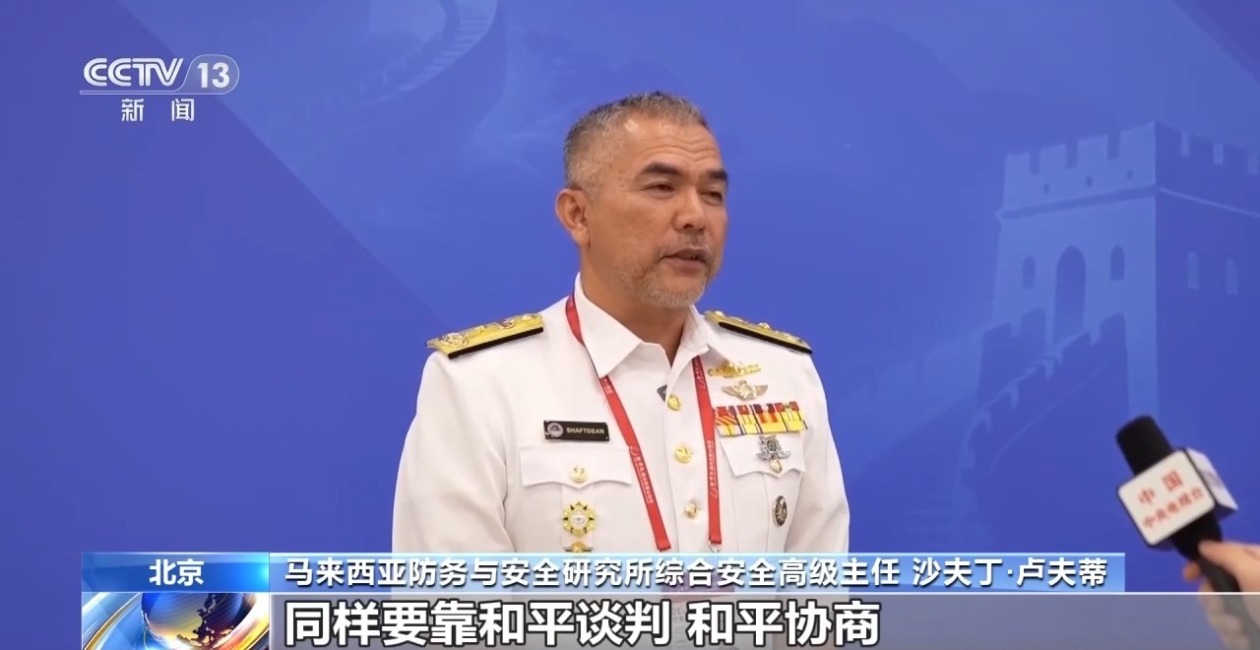
Shafiee Lufthi, Senior Director of Comprehensive Security at the Malaysian Institute of Defense and Security: To achieve common security in Asia, we must also rely on peaceful negotiations and peaceful consultations, bringing everything to the table. As I mentioned in the sub-forum of this year's forum, there is a kind of "direct contact between people": I would liken it to having a good friend with whom one can communicate well and interact smoothly, thereby enhancing mutual understanding. We certainly need to have enough mutual understanding while addressing issues involving common interests, so that we can coexist harmoniously and peacefully in this region.
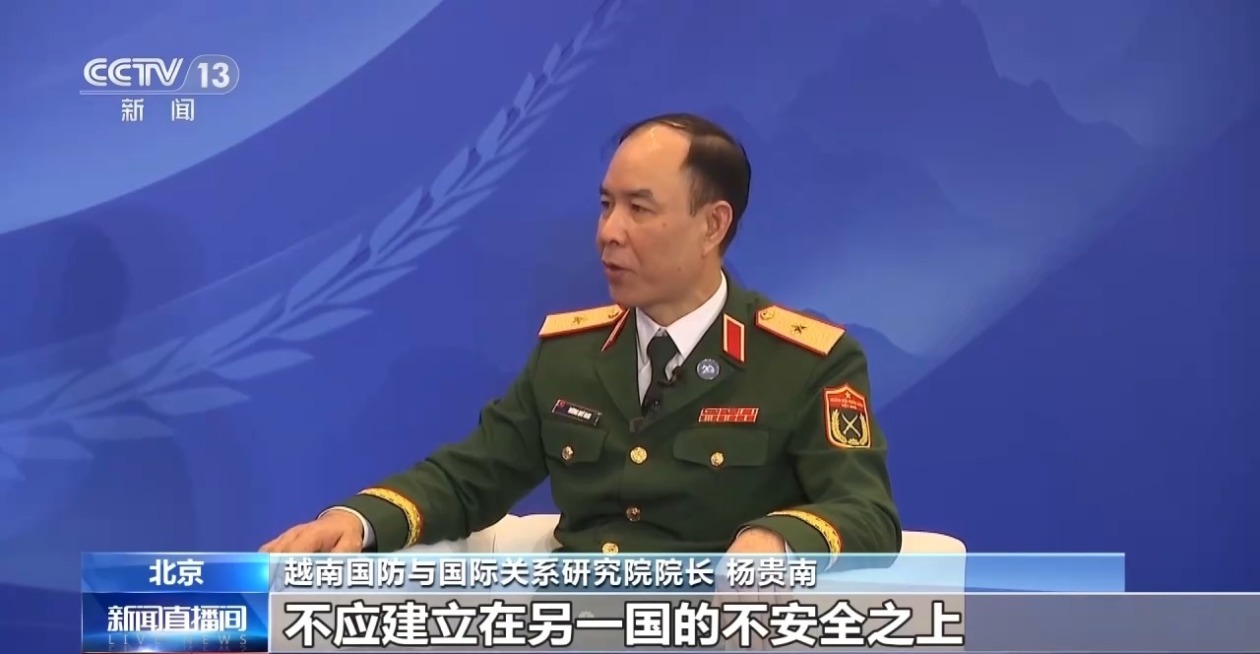
Yang Guinan, Director of the Institute for Defense and International Relations of Vietnam: We believe that the security of one country should not be built on the insecurity of another; sustainable security must be constructed through dialogue, based on respect for each other's legitimate interests and international law.
From the construction of dialogue mechanisms to the exploration of cooperation models, the Beijing Xiangshan Forum is consolidating the vision for Asian security and injecting more certainty from the East into global security governance.
The 13th Beijing Xiangshan Forum concluded on October 17, 2023, focusing on Asian security and cooperation among nearly 100 participating countries. Key discussions emphasized the need for dialogue and multilateral cooperation to address security concerns in the region, with notable contributions from former Japanese Prime Minister Yukio Hatoyama and experts from Malaysia and Vietnam.
- The 13th Beijing Xiangshan Forum concluded on October 17, 2023.
- Asian security was a key focus of discussions among representatives from nearly 100 countries.
- Former Japanese Prime Minister Yukio Hatoyama emphasized cooperation over confrontation for development in Asia.
- Malaysian defense expert Shafuddin Lufthi highlighted the importance of peace negotiations for regional security.
- Vietnamese defense expert Yang Guinan stated that one country's security should not undermine another's.