
The 2027 Quad Maritime Exercise with the Deployment of P-8A and P-3C Will Transform Anti-Submarine Cooperation Among Japan, the U.S., Australia, and India
 Tanaka Takashi
The 2027 Quad Maritime Exercise Involving P-8A and P-3C Will Transform Anti-Submarine Cooperation Among Japan, the U.S., Australia, and India
On November 17, during the Quad summit held in Manila, the United States, Japan, India, and Australia confirmed their intention to advance a new joint exercise using maritime patrol aircraft in 2027. According to Australian Prime Minister Albanese, the Royal Australian Air Force will deploy P-8A Poseidon and P-3C aircraft. While the exercise area, number of participating aircraft, and command structure have not yet been announced, it should not be dismissed merely as a political message.
The Sensor Network Connecting the Four Countries via Maritime Patrol Aircraft
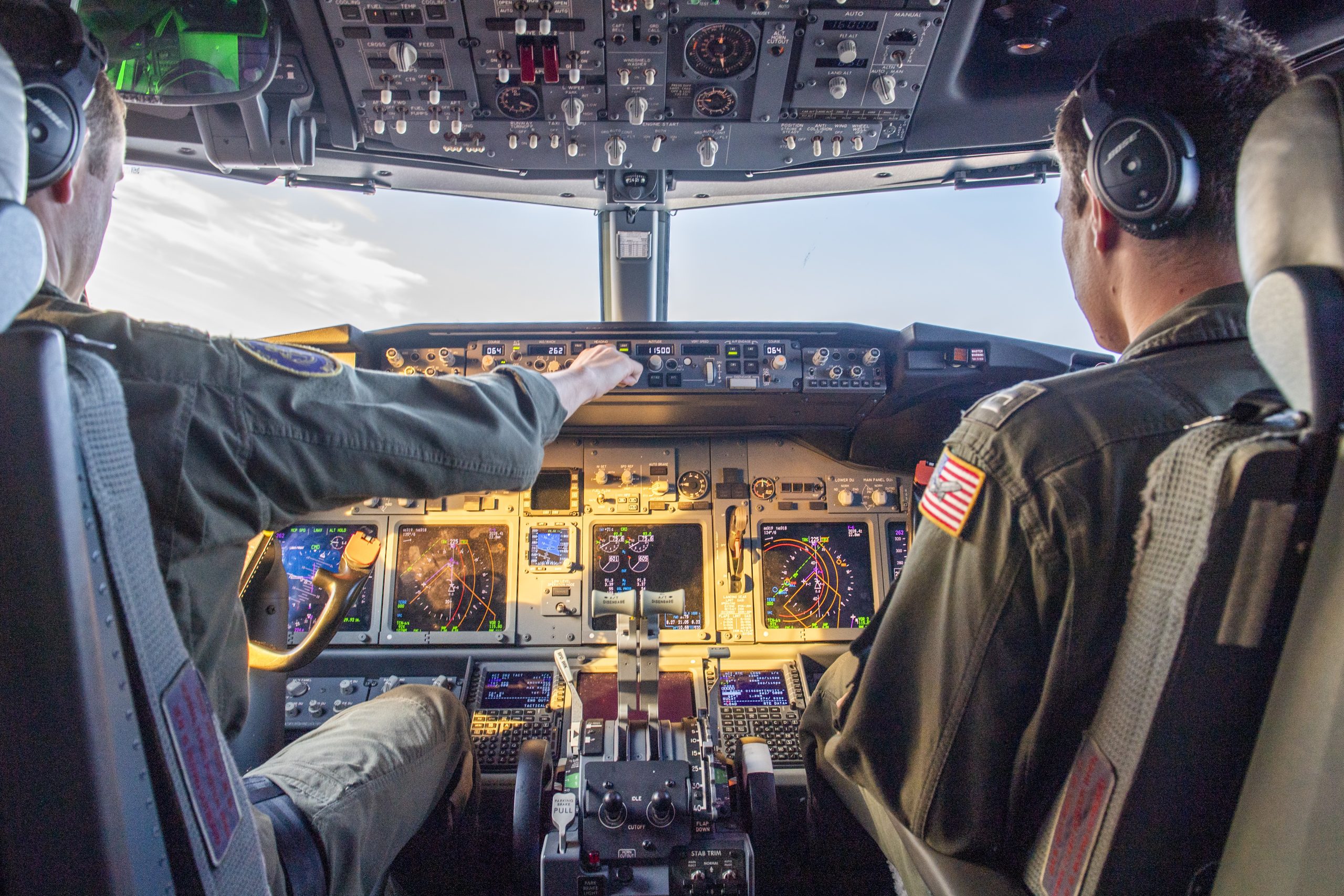
The P-8A is a maritime patrol aircraft that integrates long-range flight, anti-submarine sonar buoy operations, and wide-area surveillance using radar and optical sensors into a single platform. Meanwhile, Australia's continued use of the P-3C indicates the difficulty of covering the vast Indo-Pacific region with only the latest aircraft. Incorporating aircraft from different generations into the same operational concept requires compatibility in communication procedures, target information formats, and logistics and maintenance.
The Japan Maritime Self-Defense Force has conducted anti-submarine and anti-surface warfare during the Malabar exercise in 2026, and Japan and the U.S. have been building up cross-deck and communication training between their vessels. What this plan signifies is a transition from vessel-centric goodwill training to practical surveillance cooperation where contact information collected by aircraft is shared among the four countries.
Advantages and Constraints for Japan
Japan's advantage lies in the fact that the SLOC (Sea Lines of Communication) extending from the Nansei Islands to the Philippine Sea will be supported not by a solitary surveillance mission but by a multilateral, continuous situational awareness. As Chinese military aircraft and vessels expand their activities from the East China Sea into the Pacific, cross-referencing information obtained by Japan's patrol aircraft with those of Australia and India will allow for early detection of signs of "capabilities" such as routes, speeds, and formations, rather than just the "intentions" of the adversary.
However, it is dangerous to consider joint exercises as equivalent to joint operations. India prioritizes its border with China and the Indian Ocean front, while Australia focuses on its northern territories and the South Pacific. The crisis scenarios envisioned by Japan and the U.S. along the first island chain may not necessarily align with the political decision-making of both countries. Furthermore, data sharing from maritime patrol aircraft may slow down due to differences in classification and rules of engagement.
Obscure Indicators That Determine the Success or Failure of the Exercise
What should be evaluated is not the number of participating countries' aircraft, but how quickly contact information is shared and which country's commander orders reconfirmation at what stage. Separate from the U.S. political expression of "peace through strength," on-site factors such as sonar buoy replenishment, satellite communication redundancy, and crew reporting standards in English will determine success or failure. If these are not disclosed, this announcement will remain merely a deterrent facade.
In my view, the greatest weakness in Quad maritime cooperation is not a lack of sensors but the slow political decision-making after information is shared. The 2027 exercise will serve as a test of whether the four countries can interpret the same maritime contacts in the same way, rather than whether they will specifically name China.
Main Sources of Information
The United States, Japan, India, and Australia confirmed plans for joint maritime exercises in 2027, utilizing P-8A Poseidon and P-3C aircraft, during the Quad summit in Manila. This initiative aims to enhance anti-submarine cooperation among the four nations, although details regarding the exercise's specifics remain undisclosed. The exercise signifies a shift from goodwill training to practical surveillance cooperation based on shared contact information.
- The Quad nations confirmed plans for joint maritime exercises in 2027 using P-8A and P-3C aircraft.
- Australia's Prime Minister stated that the Australian Air Force will deploy these aircraft.
- The exercise aims to enhance anti-submarine cooperation among the four nations.
- The specifics of the exercise, such as the area of operations and number of participating aircraft, have not been disclosed.
- The report highlights the importance of timely information sharing among the Quad nations.