
The Connection of the US-Japan Air Defense Network in Valiant Shield 2026: The Significance of Aegis Guam and THAAD Integration
 Tanaka Takashi
Connection of US-Japan Air Defense Network in Valiant Shield 2026: The Significance of Aegis Guam and THAAD Integration
On June 21, US Navy aircraft and US Air Force F-35As flew over the George Washington Carrier Strike Group, while Japan's Maritime Self-Defense Force units formed up below. This is a typical showcase of the alliance as seen in photos from Valiant Shield 2026. However, looking at the announcement from Lockheed Martin revealed on July 13, the focus of this exercise was not on the naval presence itself, but rather on the attempt to bring multiple air defense and counterattack systems closer together into a single decision-making circuit.
Five Systems Connected in the Exercise
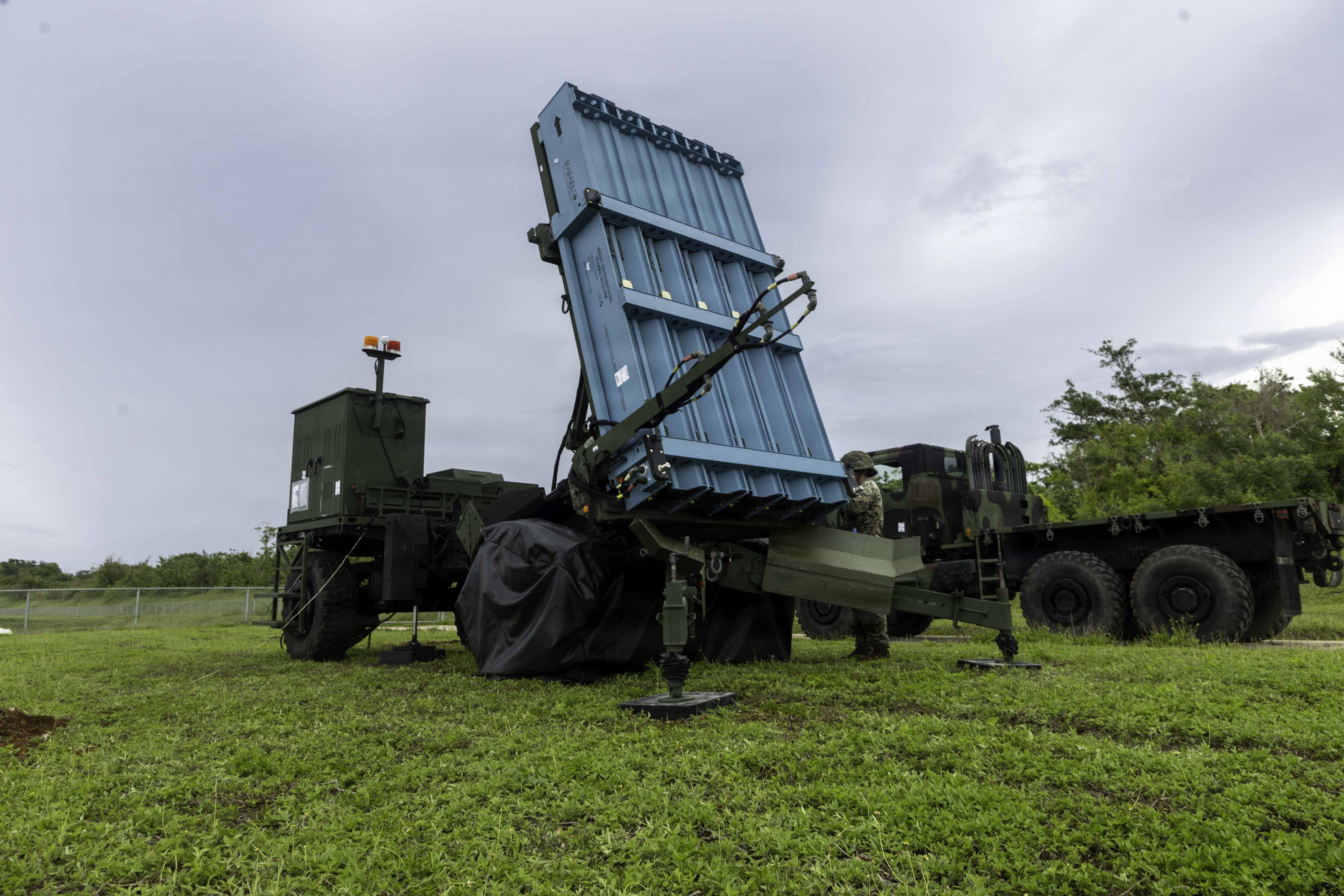
According to The Defense Post, the company used CommandIQ to connect C2BMC, Aegis Guam, THAAD, IBCS, and the Air Base Air Defense System Missile Defense, combining real data with simulated data. AI evaluated response options to threats and suggested which weapon systems should engage, taking into account ammunition availability. This is not merely an integration of display screens; it involves overlaying detection, identification, engagement assignment, and ammunition management on the same timeline.
For Japan, a noteworthy point is that Aegis Guam and THAAD were placed at the center of the exercise. Guam serves as a rear base for US forces and is also a key point for the defense of SLOCs (Sea Lines of Communication) extending from the southwestern islands to the Philippine Sea. When Japan's escort ships undertake air and anti-submarine missions in the front line, the speed at which the air defense network around Guam can return threat information is crucial not only for the survivability of the carrier strike group but also for Japan's operational continuity.
Significance of Commercial Sensors
Another point that cannot be overlooked is the incorporation of HawkEye 360's commercial sensor information into military target designation workflows. The explanation that non-classified tracks of radio emission sources were integrated and distributed to joint forces is understated, but it holds considerable practical significance in the southwestern region. When the Chinese military conducts gray zone activities between peacetime and wartime, it is difficult to track everything using only military sensors. If commercial data can be utilized early on, it will expedite hypothesis formation before Japan's P-1 patrol aircraft or escort ships head out for confirmation.
Lockheed Martin's Vice President Joe DePietro stated that integration creates operational advantages. In my view, this statement should be read with a degree of skepticism as a marketing slogan, but the direction itself is correct.
Challenges of the US-Japan Alliance
However, even with technology connected, the decision-making of the alliance does not automatically become faster. At what stage will the engagement options presented by the US military's C2BMC and IBCS be shared with Japan, and under what authority can they be utilized? This point cannot be discerned from publicly available information. Even during Cold War-era anti-submarine operations, the more challenging aspect was the balance between information classification and political judgment.
Valiant Shield 2026 serves as a testing ground for the US military to consolidate dispersed forces outside the first island chain. Japan must not only participate in that network but also clarify how to connect its own Type 12 surface-to-ship guided missile capabilities, Aegis ships, and Air Self-Defense Force air defense command. The true risk is not that the systems do not connect; it is whether Japan can decide within minutes what to engage and what not to engage after they are connected.
Key Information Sources
- The Defense Post, July 13, 2026, Lockheed Martin Links Missile Defense, Targeting Systems in Major US Exercise
- US Navy photo description related to Valiant Shield 2026, formation navigation of the George Washington Carrier Strike Group and the Maritime Self-Defense Force
- HiWars asset library, MRIC Guam Valiant Shield 2026 image
On June 21, 2026, the U.S. Navy Carrier Strike Group and Japan Maritime Self-Defense Force conducted joint exercises in Guam, focusing on the integration of missile defense systems including Aegis and THAAD. The exercise utilized AI to assess threat responses and improve decision-making speed. Additionally, commercial sensor data was incorporated into military workflows to enhance operational effectiveness.
- U.S. Navy and Japan Maritime Self-Defense Force conducted joint exercises on June 21, 2026.
- Integration of Aegis Guam and THAAD systems was a focus of the exercise.
- AI was used to evaluate threat responses and weapon system engagement.
- Commercial sensor data was incorporated into military workflows for enhanced situational awareness.
- The exercise aimed to improve decision-making speed in joint operations.