
The Houthis control Al-Mokha in 2026 and open a new front to pressure Bab al-Mandab and Saudi Arabia.
 Ahmed Al-Rashid
The Houthis Take Control of Al-Mokha in 2026 and Open a New Front to Pressure Bab al-Mandab and Saudi Arabia
On September 10, 2026, reports from witnesses and Yemeni military sources indicated that the Houthi Ansar Allah group entered the coastal city of Al-Mokha on the Red Sea after the withdrawal of Saudi-backed forces. This is not just another Yemeni town falling in a long war; Al-Mokha is located close to Bab al-Mandab, and controlling it gives the Houthis a position that links land operations with maritime threats at a moment when navigation around the Strait of Hormuz is under unprecedented pressure.
Al-Mokha is Not Just an Ordinary Port
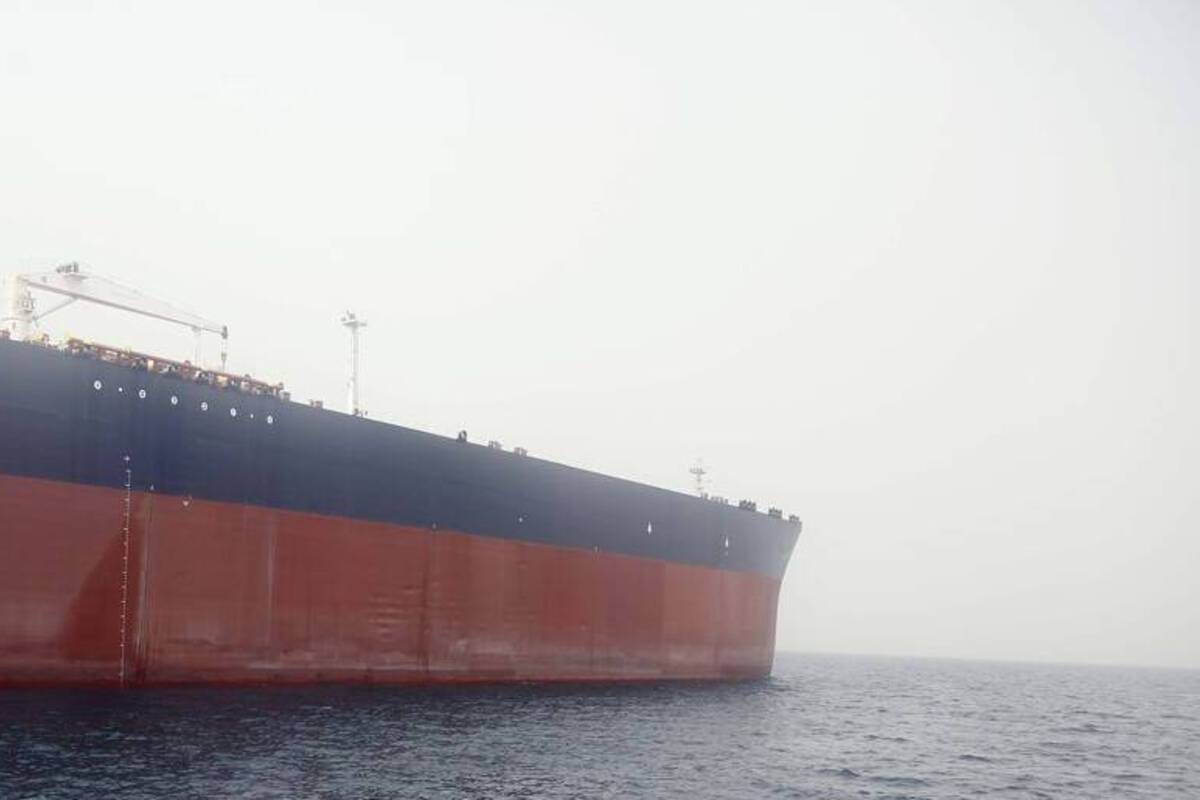
The importance of Al-Mokha is not measured by the number of docks or the volume of trade passing through it, but by its location on Yemen's western coast. Whoever controls the city can monitor the coast, threaten supply lines, and turn the maritime strip between Al-Hudaydah and Bab al-Mandab into a continuous pressure zone. This does not mean that the Houthis can automatically close the strait; the international passage is too wide for a single ground force to control, and foreign military ships can protect specific corridors. However, it means that the cost of passage will rise, and every tanker will need to account for missiles, drones, and boats before considering insurance and fuel.
Reports from The National and Al Jazeera discussed the Houthis' control of Al-Mokha alongside warnings related to attacks on Saudi Arabia. Reuters also reported that attacks on ships in the Gulf reached the highest wave since the beginning of the war, with navigation through Hormuz remaining below the average of the previous ten days. These developments are not two separate fronts; they are an attempt to create continuous pressure from Hormuz to Bab al-Mandab.
From Hormuz to Bab al-Mandab
Practically, Tehran and its allies benefit from geography more than from a single weapon platform. Hormuz pressures energy exports coming from the Gulf, while Bab al-Mandab pressures the alternative route to the Suez Canal. If attacks on oil tankers are added to the Houthi threats against ships, shipping companies do not need to wait for an official closure of the strait. It is enough for the crossing schedule to become unpredictable for ships to divert to the Cape of Good Hope, and maritime protection to become a permanent bill.
Here lies the difference between Saudi Arabia and the UAE possessing advanced air defense systems and having a cohesive maritime protection capability. A Patriot or THAAD missile may protect a specific facility from an aerial threat, but it does not cleanse a long coastline, accompany every tanker, or prevent an armed entity from launching a low-cost drone from a mobile location. Such a crisis tests the triangle of capability that Gulf states have long neglected: equipment, training, and institutions. Gulf states have invested generously in equipment; however, joint naval command, information sharing, and escalation management are still much less mature.
The Saudi-Backed Withdrawal and the Ground Force Problem
If the withdrawal of Saudi-backed forces from Al-Mokha is confirmed, it will be a more significant military indicator than political statements. Local forces may have the weapons and funding, but they need stable leadership, regular supply, reconnaissance, and short-range air defense. When these units withdraw under pressure, not only does the ground fall; the image of deterrence that Riyadh is trying to build on the western coast falls with it. The Houthis do not need to defeat the U.S. fleet to gain an advantage. It is enough for them to create a security gap and then show that local forces cannot fill it.
From a Saudi perspective, the timing of Al-Mokha is the worst. The kingdom is already facing threats to its Jazan and Aramco facilities and relies on alternative pipelines and ports to reduce its exposure to the Strait of Hormuz. However, the western alternative via the Red Sea becomes less valuable if Bab al-Mandab itself becomes a threat area. Geographic dependence cannot be compensated by security dependence on an external partner, as the external partner always determines where and when to respond.
Can International Naval Forces Deter?
The Houthi control of Al-Mokha will push the United States and its partners to increase patrols and possibly redistribute naval assets between the Red Sea and the Gulf of Aden. However, maritime deterrence succeeds in protecting specific ships and does not necessarily solve the coastal problem. Long-range strikes may destroy known warehouses or platforms, but they do not grant local forces legitimacy or the ability to hold the city. Without addressing this land component, attacks will return after every round of bombing, just as smoke returns over the port after politicians believe the battle is over.
The greatest danger is that Al-Mokha becomes a bargaining chip. The Houthis will claim they hold an additional key to navigation, Washington will respond by protecting the corridors, and Riyadh will demand new guarantees, while ship owners and the people of the region pay the price. This is not a formula for a decisive military victory, but a calculated attrition equation. As any military personnel who has served in the region knows, the strait is not only closed by sunken ships; sometimes it is enough for everyone to lose confidence in the crossing.
Conclusion
The Houthis' control of Al-Mokha, if confirmed definitively through independent field data, brings Bab al-Mandab back to the heart of the war after Hormuz has dominated the headlines. The next battle will not only be over who raises their flag over the port building but also over who can make navigation predictable. Here lies the old Gulf paradox: purchasing more expensive platforms does not address a fragmented security institution, and relying on American protection does not grant independence. Between the desire to control decision-making and the need for foreign power to secure the route, the Red Sea remains a harsh test of whether Gulf power is a real capability or just a large arms budget.
Houthi forces captured the coastal city of Al-Mokha on September 10, 2026, following the withdrawal of Saudi-backed forces. This strategic gain allows the Houthis to exert pressure on Bab al-Mandab and Saudi Arabia, amidst rising tensions and attacks on maritime shipping in the region. The situation indicates a significant shift in control and potential escalation in the conflict.
- Houthi forces captured Al-Mokha on September 10, 2026.
- The capture of Al-Mokha allows the Houthis to threaten maritime routes near Bab al-Mandab.
- The report indicates a simultaneous increase in attacks on Saudi Arabia and shipping in the Gulf.
- The strategic importance of Al-Mokha is highlighted due to its proximity to Bab al-Mandab.