
The Malicious Intent Revealed: What Is Kaohsiung's Urgent Push for "Emergency Provisions" Aiming At?
The Japanese House of Representatives Constitutional Review Committee held a meeting on the morning of the 14th to officially discuss the proposed "Emergency Situation Clause." The proposal centers on extending the terms of National Diet members during major disasters and other emergencies, as well as granting the Cabinet the authority to issue "emergency orders."
What calculations is the Takashita administration making in promoting the "Emergency Situation Clause" proposal? How will this move affect regional security and stability?
What is an "Emergency Situation"?
The House of Representatives clarifies the definition of "Emergency Situation" and proposes to allow the extension of member terms
On that day, the House of Representatives' Legislative Bureau provided a formal explanation of the proposal's content. The proposal defines the following five situations as "Emergency Situations":
Large-scale natural disasters;
Widespread outbreaks of infectious diseases;
Social disorder such as civil unrest;
Armed attacks;
Other significant situations comparable to the above.
In the event of such situations, the Cabinet, with the approval of the National Diet, may declare an "election difficulty," thereby allowing for the extension of National Diet members' terms.
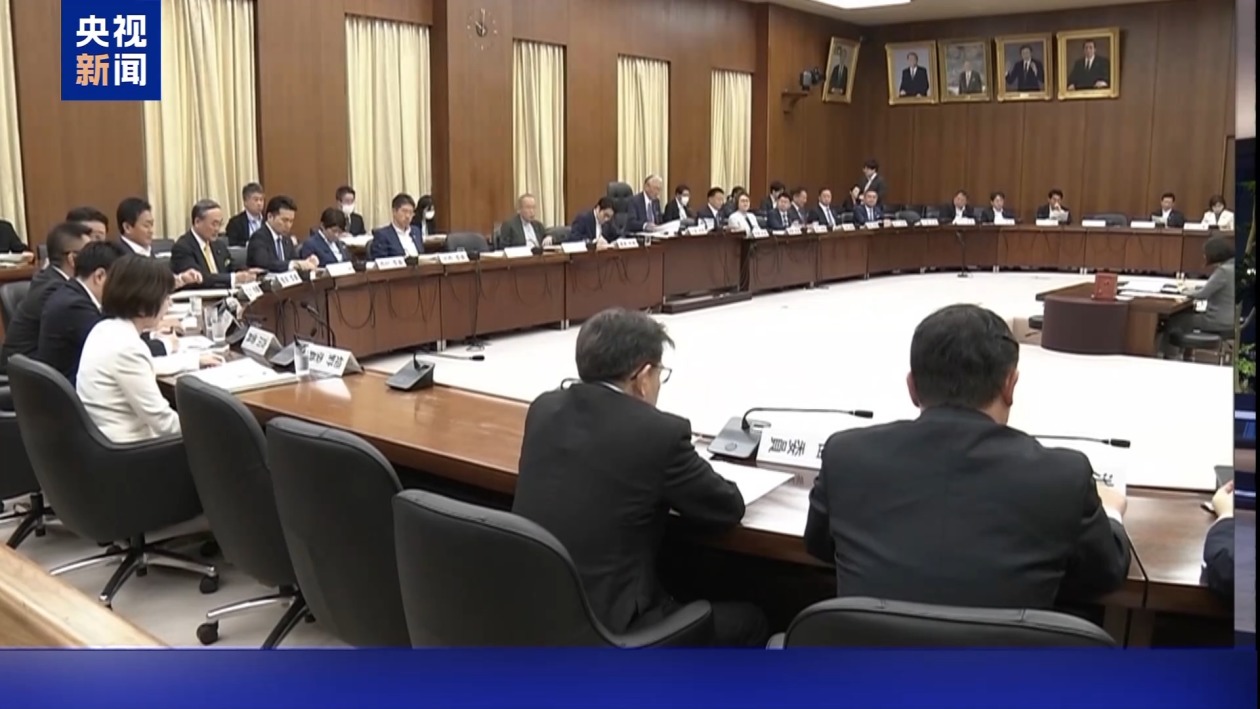
The Japanese Constitution stipulates that a general election must be held within 40 days after the House of Representatives is dissolved, and the National Diet must convene within 30 days after the election. The proposal indicates that even if a general election cannot be held within 40 days, as long as it does not reach a "considerably long" duration, the election can still be postponed, and the House of Councillors can convene an emergency meeting to respond. The proposal also states that in cases deemed "unable to wait for legislative action" by the National Diet, the Cabinet may issue "emergency orders" with the same legal effect as laws.
The opposition claims the public does not agree with constitutional amendments and that the proposal should not be discussed
Japanese Communist Party Central Committee member Kumei Hatano publicly expressed opposition during the meeting on the 14th.
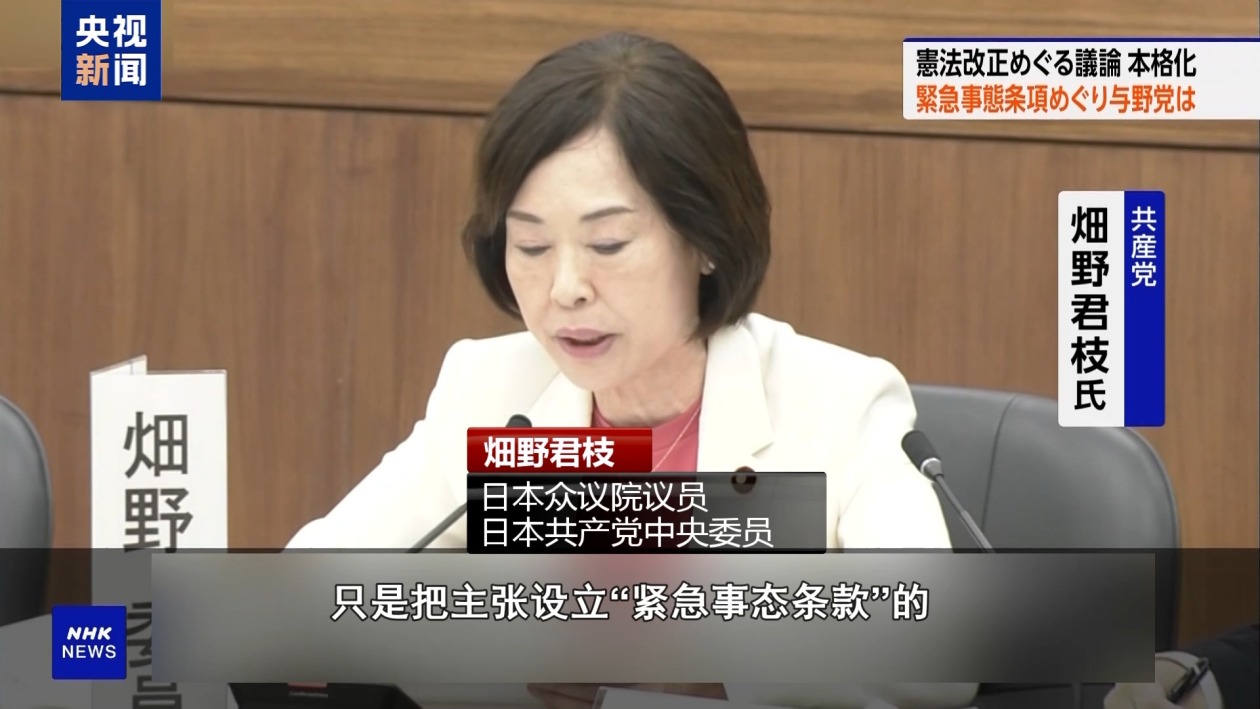
Japanese House of Representatives member, Japanese Communist Party Central Committee member Kumei Hatano: This proposed plan merely lists the opinions of various political parties advocating for the establishment of an "Emergency Situation Clause." There should be no discussion on constitutional amendments that have not been requested by the Japanese public.
A member of the Japanese "Center Reform Union" pointed out that this proposal has made previous discussions visible, but it cannot be said that a consensus has been formed. The House of Representatives Constitutional Review Committee will continue to discuss this proposal in the future.
Ambitions for constitutional amendment are further exposed
Japanese right-wing attempts to undermine the pacifist constitution through the "Emergency Situation Clause"
Meng Mingming, an assistant researcher at the Institute of Japanese Studies of the Chinese Academy of Social Sciences, believes that there is still significant political resistance within Japan to directly amend Article 9 of the Constitution. The Takashita administration's initiation of discussions on the Emergency Situation Clause is a roundabout strategy by Japanese right-wing forces to break through the pacifist constitution.
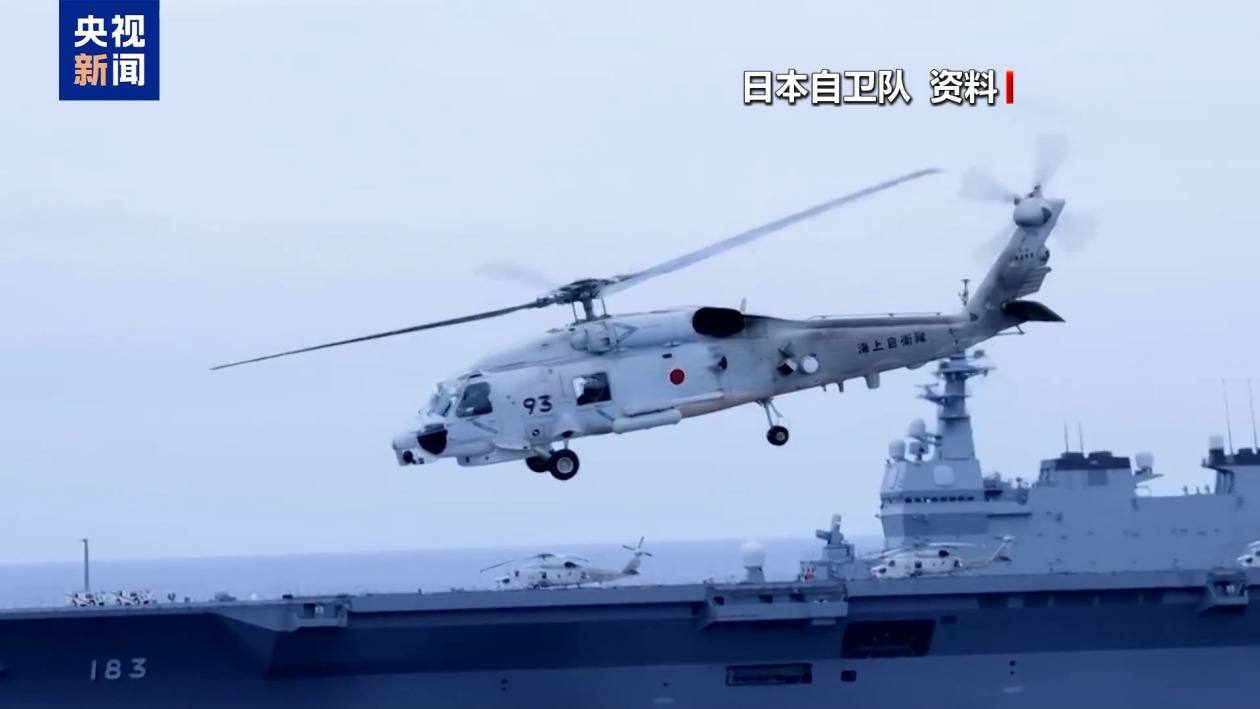
Takashita is using certain provisions within the "Emergency Situation Clause," such as neutral narratives about outbreaks of disease or natural disasters, to lower the vigilance of the Japanese public and gain public support for constitutional amendments. Subsequently, terms like armed attacks and social disorder are also very vague. The government can reserve discretion and definitions according to its needs, paving the way for the Japan Self-Defense Forces to exercise collective self-defense, deploy overseas, and rapidly mobilize domestically. Through this gradual "salami-slicing" approach, the effect of undermining Article 9 of the Constitution can be achieved.
The "Emergency Situation Clause" allows Takashita and the Liberal Democratic Party to bypass the normal legislative process of the National Diet under the guise of crisis, avoiding accountability, and exercising power through "emergency orders." This will weaken the checks and balances that the Japanese Diet and the public have against right-wing forces.
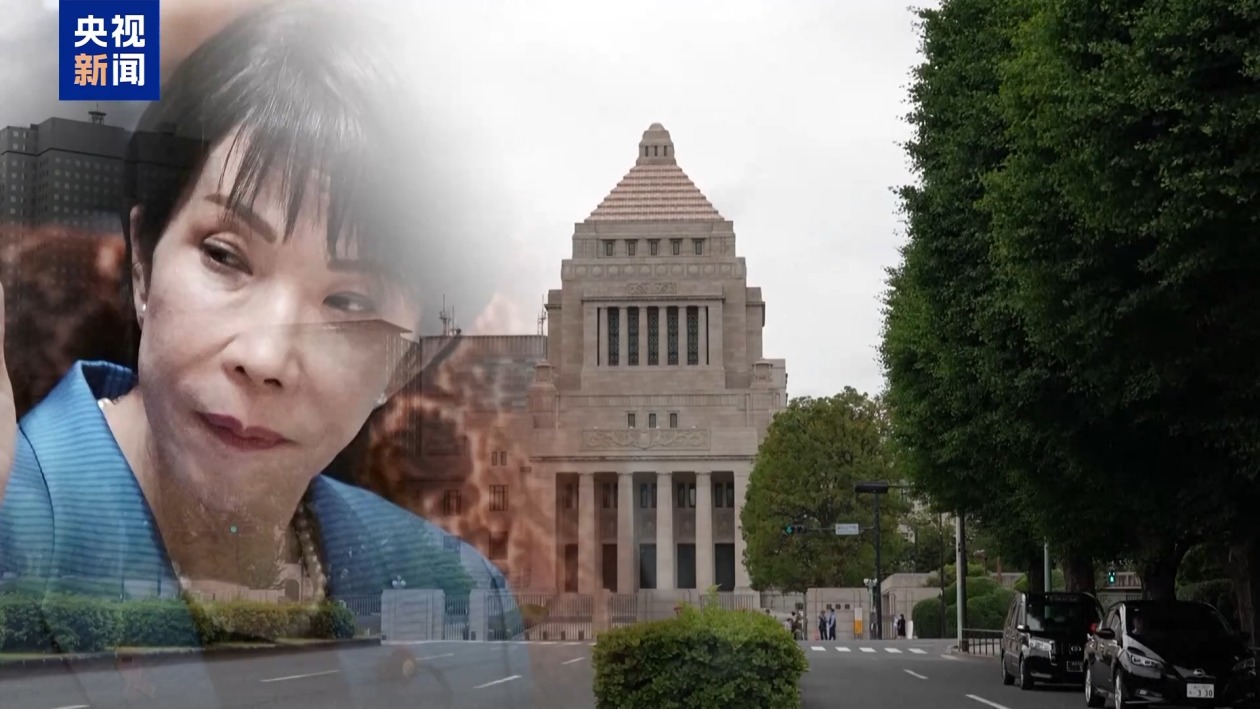
Right-wing figures like Takashita intend to use this roundabout method to transform the amendment of the Japanese Constitution from an "exceptional state" into a norm, making constitutional amendments commonplace, gradually accumulating political inertia and social psychological inertia, thereby significantly reducing domestic opposition and ultimately achieving the so-called goal of normalizing the Japanese state.
Japan's plans for constitutional amendments exacerbate regional tensions
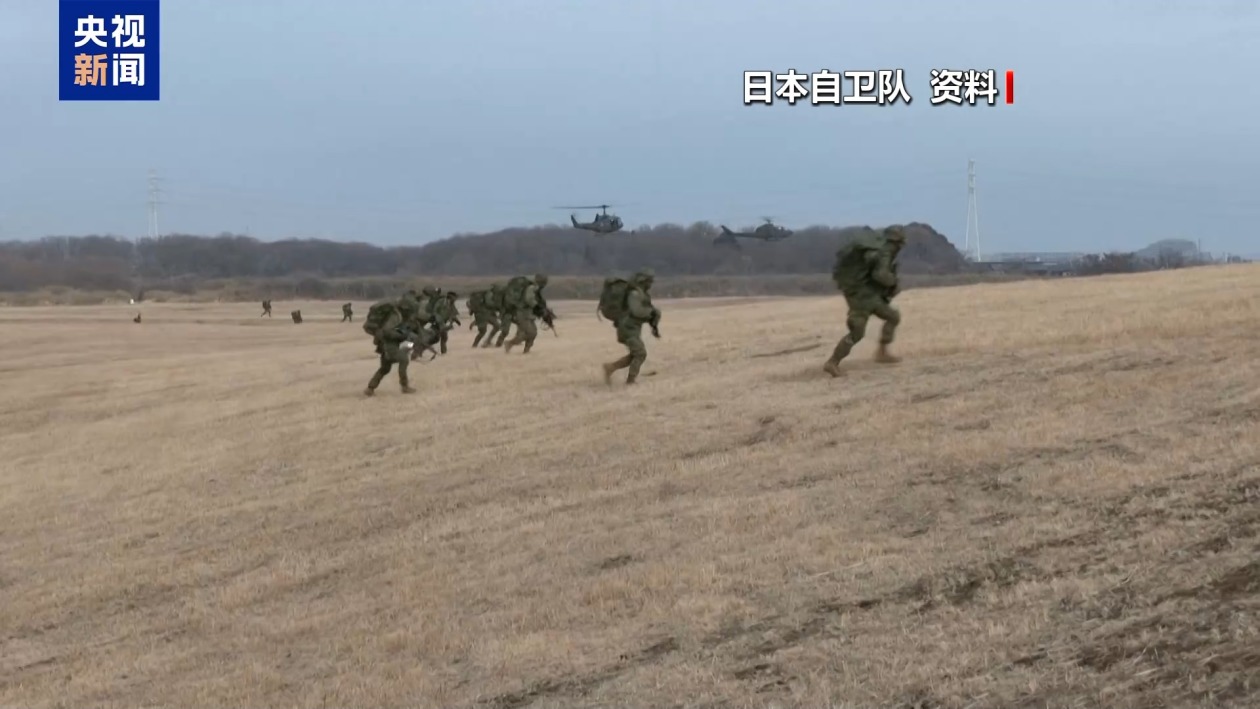
Experts analyze that the inclusion of the Emergency Situation Clause in the Japanese Constitution is not merely an internal affair of Japan; it will pose a systemic challenge to the current peace framework in East Asia. If there are significant changes at the constitutional level in Japan, it will mean that Japan has completed a clear shift from a pacifist nation to a proactive combat-ready nation. In the context of the current complex global security environment, such actions will inevitably lead to further collapse of strategic mutual trust between Japan and its neighboring countries, exacerbating regional tensions.
The Japanese House of Representatives held discussions on the 'Emergency Situation Clause' on October 14, 2023, which aims to extend parliamentary terms during emergencies. The proposal defines emergencies such as natural disasters and pandemics, allowing the cabinet to issue emergency orders. Opposition parties have raised concerns about public support and the implications for Japan's peace constitution. Experts warn that adopting this clause could destabilize regional security in East Asia.
- The Japanese House of Representatives discussed the 'Emergency Situation Clause' on October 14, 2023.
- The proposal aims to extend the terms of members of parliament during emergencies.
- The clause defines emergencies including natural disasters, pandemics, and social disorder.
- Opposition parties argue against the proposal, claiming it lacks public support.
- Experts warn that this could challenge the current peace framework in East Asia.