
The Maritime Self-Defense Force's 2026 Mine Warfare Exercise Demonstrates the Defense of Maritime Trade Routes in the Japan-U.S. Alliance
 Tanaka Takashi
The Maritime Self-Defense Force's 2026 Mine Warfare Exercise Demonstrates the Defense of Maritime Traffic Routes in the Japan-U.S. Alliance
The Japan Maritime Self-Defense Force's official announcement included the "Hyuga-nada Mine Warfare Training" dated November 9 and the "Japan-U.S. Mine Countermeasures Training" dated November 4. There are no flashy missile launch videos. However, the ability to keep ports and sea lines of communication (SLOC) open in Japan's defense, including the southwestern islands, is once again coming to the forefront.
The Unseen Practicalities of Mine Warfare
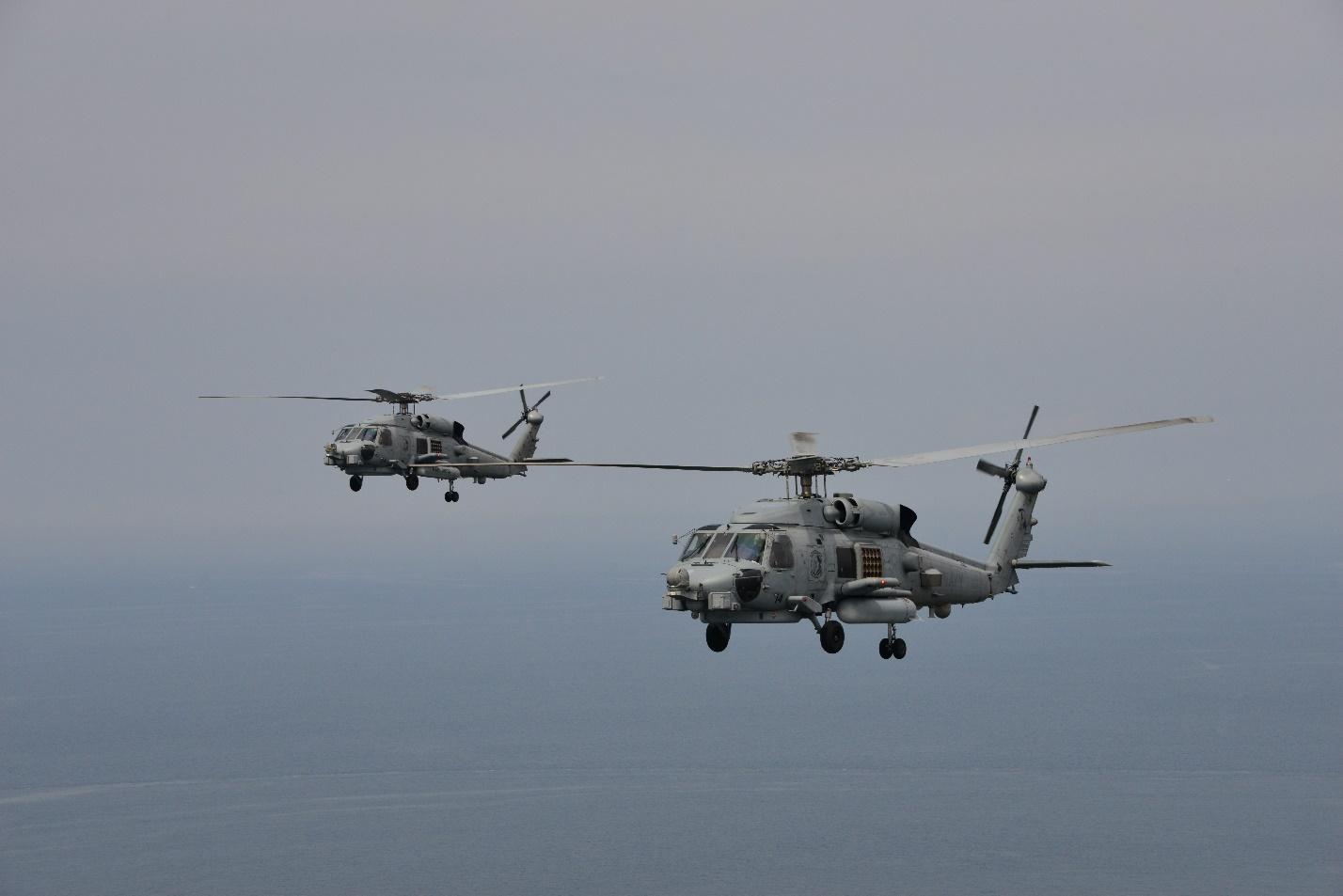
Mines are inexpensive and difficult to pre-determine their placement. Therefore, mine countermeasures are not simply about finding and disposing of mines. It is an operation that connects unmanned vehicles, mine countermeasure vessels, aircraft, divers, and route control into a single procedure to determine when commercial vessels can pass again. The significance of the JMSDF and the U.S. Navy conducting repeated training in the same maritime area lies not in equipment compatibility, but in aligning the speed and criteria of this judgment.
Increasing Strategic Significance in the Southwest
The materials published by the Ministry of Defense have pointed out the continuous pressure on Japan's surrounding maritime and airspace, including around the Senkaku Islands, from China's activities in the East China Sea and the Pacific. In the vicinity of Taiwan, Taiwan News reported that as of the morning of November 10, there were 49 sorties of Chinese military aircraft, 6 naval vessels, and 6 public vessels confirmed within a 24-hour period, with 31 military aircraft crossing the median line. While individual numbers are merely a snapshot of a day, it is clear that the environment requires simultaneous maritime surveillance and route maintenance during the transition from peacetime to crisis.
What is important here is not to link mine countermeasure training solely to a Taiwan contingency. Japan's energy imports and supply lines depend on the narrow waterways, ports, and air bases of the southwestern islands. If some ports are closed due to mines, the operational tempo may be lost even before the number of escort ships and transport vessels becomes a factor. While Japan-U.S. security cooperation expands into ballistic missile defense and cyber domains, the restoration of maritime traffic routes remains supported by a modest collaborative effort.
The Alliance's Blind Spot Lies After Mine Clearance
When separating capability from intent, there is no basis to conclude that China would immediately choose a mine blockade. On the other hand, if shipping companies wait for safety confirmations during a crisis, insurance premiums rise, and ports voluntarily halt operations, the calculations for deterrence change. The real challenge indicated by the JMSDF's mine warfare training is not the performance of mine countermeasure vessels, but how quickly Japan and the U.S. can connect military judgments with the decisions of civilian shipping to resume operations. Before counting the successes of missile defense, we should question the mechanisms for safely returning the first vessel to port.
References
- Japan Maritime Self-Defense Force "Press Releases" November 9 and November 4, 2026
- Ministry of Defense "China's Activities in East China Sea, Pacific Ocean, and Sea of Japan"
- Taiwan News reporting on announcements from the Taiwan Ministry of National Defense (November 10, 2026)
- Ministry of Foreign Affairs "Japan-U.S. Security Arrangements"
Japan's Maritime Self-Defense Force conducted mine warfare exercises in November 2026 to enhance the defense of maritime supply routes, collaborating with the U.S. Navy. The exercises focused on improving operational readiness in response to increasing Chinese military activities in the East China Sea and Taiwan Strait. The training aims to ensure swift coordination between military and civilian maritime operations during potential crises.
- Japan conducted mine warfare exercises in November 2026.
- The exercises involved the U.S. Navy and focused on maritime supply route defense.
- China's military activities in the East China Sea and around Taiwan were highlighted as a concern.
- The exercises aim to improve the speed of military and civilian maritime operations during crises.
- The report emphasizes the importance of mine warfare training for Japan's energy supply lines.