
The Pentagon brings back World War II-era OSS for special operations missions, funding

Source: Task & Purpose
Loading...Strong SignalCredibility: 81%
Report Content
The Office of Strategic Services, the intelligence and commando arm of the U.S. military during World War II, might live again, at least in name, as part of a reorganization of the Pentagon’s special operations civilian leadership.
Defense Secretary Pete Hegseth issued a memo on Nov. 2 that renames the Assistant Secretary of Defense for Special Operations and Low-Intensity Conflict to the Assistant Secretary of War for the Office of Strategic Services, though permanently doing so would require congressional approval.
As part of the renaming, Hegseth wants to move the assistant secretary of defense for special operations and low-intensity conflict position higher up the leadership ladder, marking the latest in a decades-long effort to put civilian oversight of special operations forces (SOF) on an even footing with the secretaries of the Army, Navy, and Air Force.
Top Stories This Week
He also wants to expand the assistant secretary’s staff by 75 civilians and 25 service members; and increase funding by $45 million. Hegseth believes the changes will help direct more resources to special operations at a time when commanders say they are turning down dozens of missions every month because they are stretched too thin.
“[R]esourcing for SOF remains behind current operational and force posture,” Hegseth wrote in the memo, dated Nov. 2 but publicly released on Nov. 12. “It is time for a bold, foundational change.”
Secret service history
The OSS coordinated U.S. intelligence and special operations during World War II: spying on Axis weapons programs; training resistance groups against the Nazis and Japanese troops; and scouting, sabotaging or outright attacking enemy positions ahead of conventional forces.
The OSS was so successful that the Central Intelligence Agency, Army Special Forces (better known as Green Berets), and Navy SEALs trace much of their inspiration and early membership to the group. But bureaucratic infighting, primarily with the Army and the FBI, led to the OSS being disbanded in 1945.
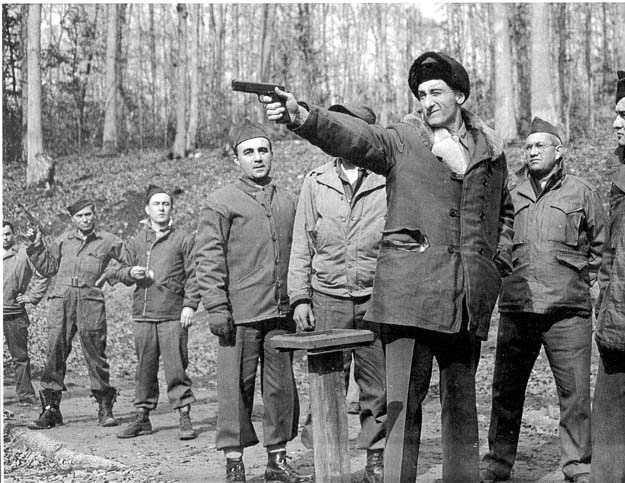 New OSS recruits received small arms training at Prince William Forest Park in Virginia. National Park Service photo.
While the CIA was established in 1947, special operations did not get a house of its own until 1987, when Congress stood up U.S. Special Operations Command (SOCOM) and the office of assistant secretary of defense for special operations and low-intensity conflict (SO/LIC).
As a combatant command, SOCOM is in charge of real-world operations, while SO/LIC serves as civilian oversight and advocate for SOCOM in strategic and budget discussions. The problem, according to the Government Accountability Office, was that SO/LIC lacked the resources and staff to provide adequate oversight, and it was separated from the Secretary of Defense by layers of bureaucracy, which hampered its advocacy efforts.
“At a time [after 9/11] when special operators were deployed around the world and bravely fighting the war on terror on multiple fronts, few Americans questioned the lack of effective civilian control and oversight,” wrote Green Beret veterans Mark Mitchell and Doug Livermore in a 2020 essay for War on the Rocks.
“Since at least 2003, however, acquisition issues, proposed changes to headquarters structure, and poor communication with Congress have led to many questions about civilian oversight,” they said.
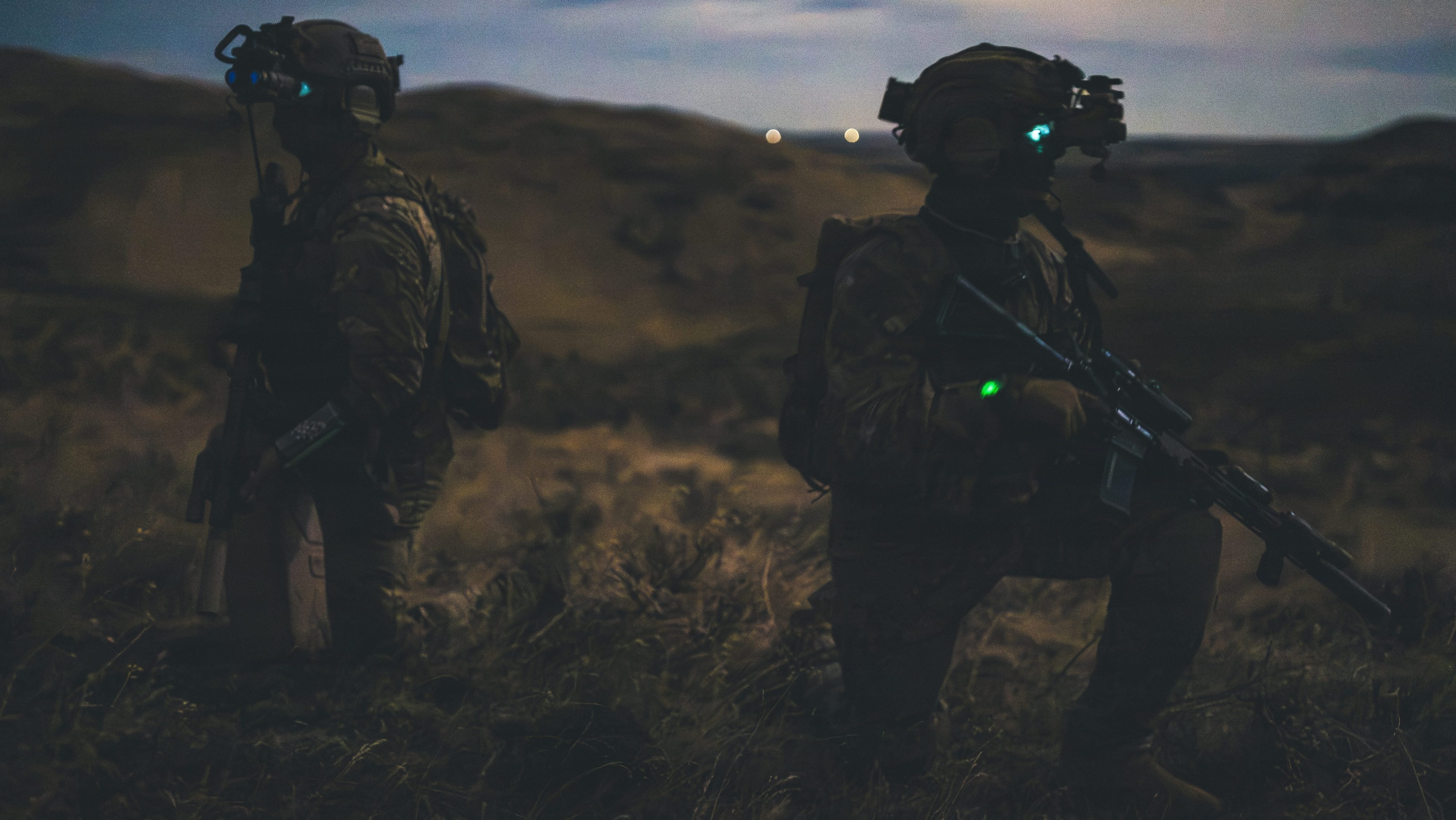 Green Berets assigned to 1st Special Forces Group (Airborne), kneel while establishing security during Tahoma Strike, at Yakima Training Center, Washington, Oct. 24, 2026. Army photo by Staff Sgt. Brahim Douglas
Widespread confusion
In 2020, then-Acting Defense Secretary Christopher Miller, a former Green Beret himself, announced SO/LIC would report directly to him, same as the service secretaries, in a bid to “streamline information flow, enhance decision-making, and more adaptively and adeptly support” special operators, he said at the time.
Mitchell and Livermore praised the move, but it came just before a change of leadership. Under President Joe Biden’s new administration, then-Defense Secretary Lloyd Austin retained some of SO/LIC’s new powers, but reversed others. By 2024, the Government Accountability Office reported widespread confusion over what SO/LIC could do.
“The Secretariat has at times had limited input into how its hiring, office space, and IT needs are met because of confusion about [SO/LIC]’s administrative role, given [SO/LIC]s unique position within DOD,” GAO wrote, which GAO said limited SO/LIC’s ability to effectively oversee SOCOM.
The OSS might live again
Hegseth’s memo goes further than Miller or Austin did. The embattled defense secretary can move out on some of his proposed changes, such as transferring 100 new staff and $45 million, treating the OSS head on par with the service secretaries, and telling the services to prioritize support for special operations.
However, the most significant change requires Congress’ permission: formally moving the SO/LIC a.k.a. OSS position up a rung from an assistant secretary of defense to an under secretary of defense position. That would unlock significant resources and authority for the OSS head, and Hegseth’s memo called for legislative proposals to pitch the idea to Congress.
For now, the Office of Strategic Services name change is a secondary title for SO/LIC, the same way the Department of War is a secondary title for the Department of Defense. Making the name change official requires congressional approval.
Congress has legislated for stronger civilian oversight of SOCOM in the past. In fact, Miller’s 2020 change was meant to finally fulfill a Congressional requirement that the Pentagon had slow-rolled for years. But whether that support continues under intense scrutiny of Hegseth and a new, Democratic-controlled Congress in 2027 remains to be seen.
The post The Pentagon brings back World War II-era OSS for special operations missions, funding appeared first on Task & Purpose.
Classification
Region
North America
Analytical Domain
Operational
Primary Category / Secondary Categories
Command & Control / Political-Military
SALUTE Report
Size
100 new staff and $45 million funding increase
Activity
Reorganization of the Pentagon’s special operations civilian leadership and renaming of the Assistant Secretary of Defense for Special Operations to the Assistant Secretary of War for the Office of Strategic Services
Location
Pentagon
Unit
U.S. military
Time
November 2, 2023
Equipment
civilian stafffunding
Summary
The Pentagon announced a reorganization of its special operations leadership, renaming the Assistant Secretary of Defense for Special Operations to the Assistant Secretary of War for the Office of Strategic Services on November 2, 2023. Defense Secretary Pete Hegseth aims to elevate the position and increase staffing and funding to enhance oversight and resources for special operations. Congressional approval is required for the name change to become permanent.
Key Facts
- The Pentagon is renaming the Assistant Secretary of Defense for Special Operations to the Assistant Secretary of War for the Office of Strategic Services.
- Defense Secretary Pete Hegseth issued a memo on November 2, 2023, outlining these changes.
- The changes require congressional approval for permanent implementation.
- Hegseth aims to increase the assistant secretary’s staff by 75 civilians and 25 service members, along with a $45 million funding increase.
- The OSS was originally disbanded in 1945 due to bureaucratic infighting.