
"The Sword of Great Powers" Becomes Sharper: Decoding China's Missile Forces' "Thousand-Mile Eyes and Wind-Ear"
In the combat sequence of the Rocket Force, there are many invisible positions that do not directly press the launch button, yet they determine whether the missiles can be launched on time and reach their targets accurately.
In the missile combat system, communication is referred to as the "eyes and ears from a thousand miles away," serving as the most critical link between the command post and the launch platform. If communication is the nervous system, then surveying is the eyes and wind direction indicator of the missile. In the surveying position, even a one-second error can lead to significant deviations.
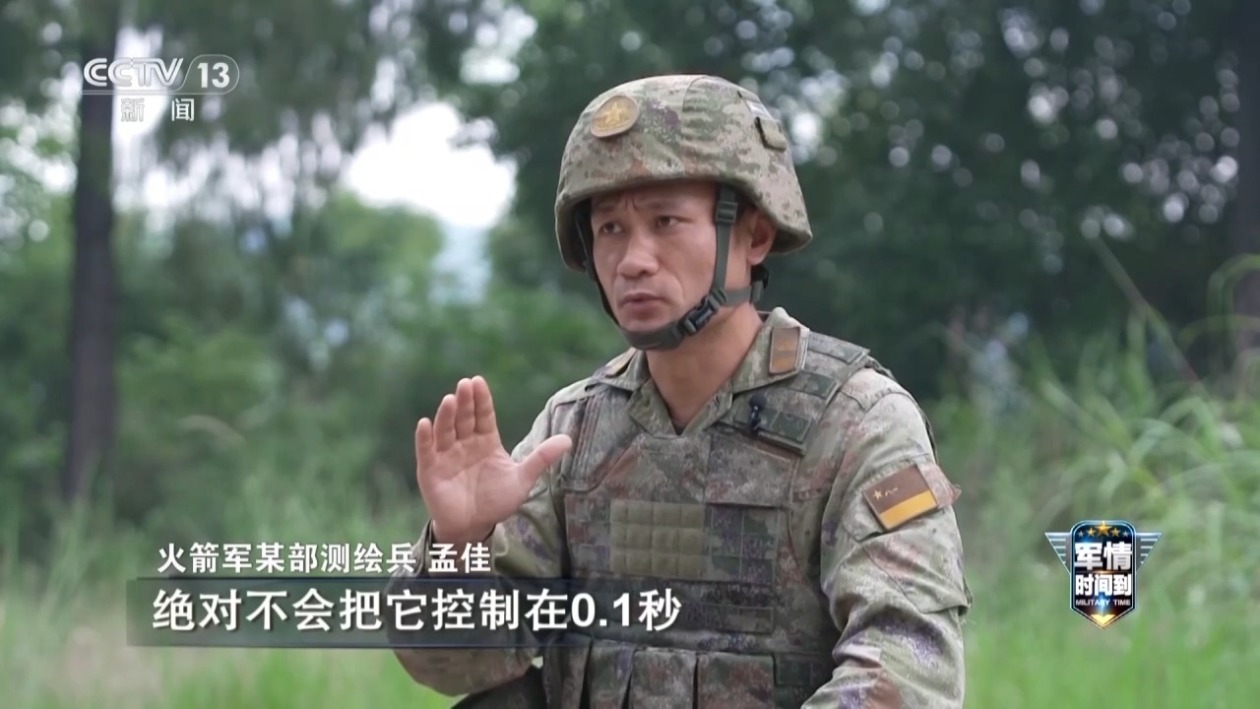
Meng Jia, a survey soldier from a certain unit of the Rocket Force: We are very rigorous in our measurement process, able to control it within 0.01 seconds, and we absolutely will not control it within 0.1 seconds.
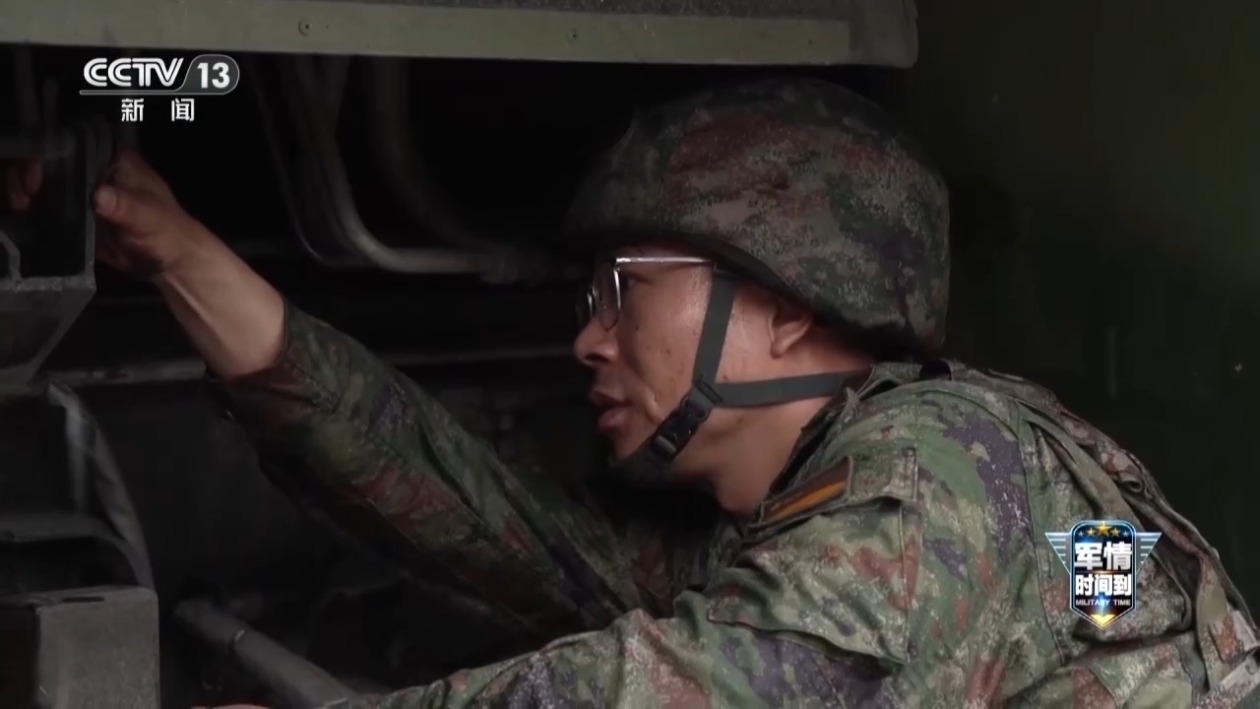
For missiles to be combat-ready, the armored vehicles must first be operational. Mechanics deal with oil stains, parts, and malfunctions every day, and they regard the armored vehicles as more important than their own lives.
Some are responsible for polishing the sword, while others are responsible for sharpening it.
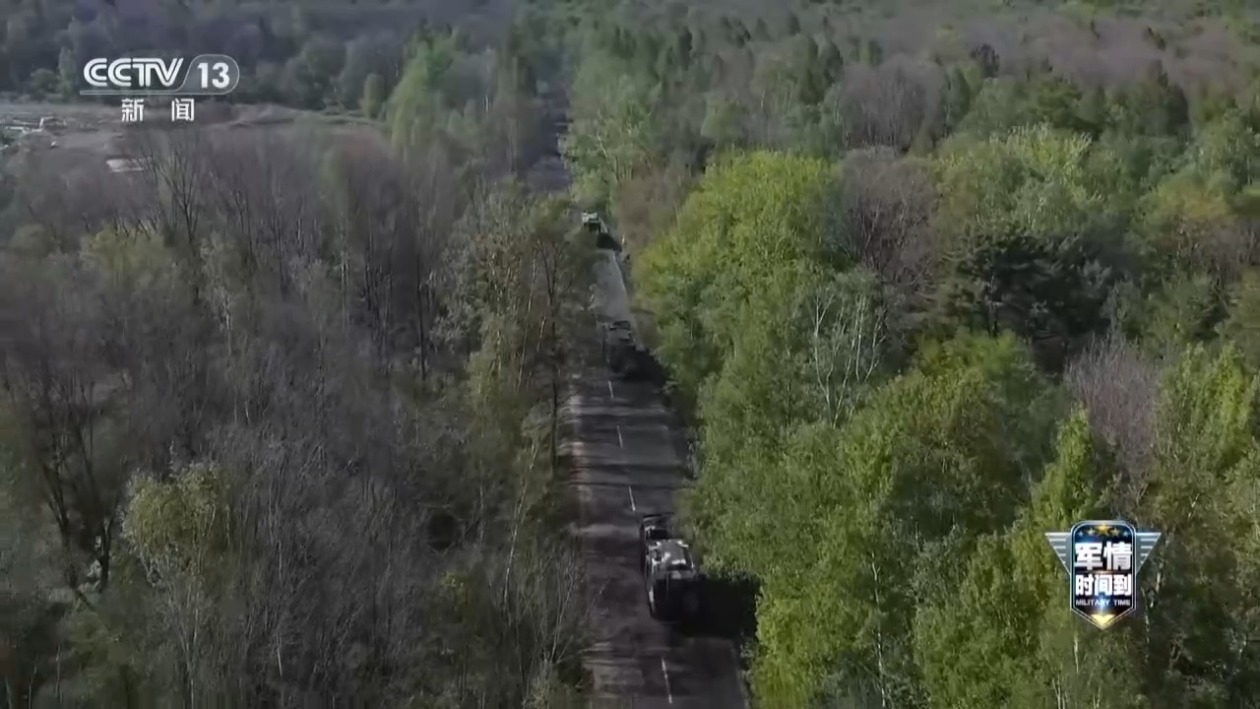
This dense forest is the realistic training ground for the red-blue confrontation of the Rocket Force. At this moment, a blue army convoy composed of dozens of vehicles is maneuvering towards the confrontation area. The convoy includes not only assault vehicles from special operations units but also electronic warfare jamming vehicles, electronic reconnaissance vehicles, and new equipment capable of creating various battlefield environments.
The primary task of this specialized synthetic blue army is to "disrupt" the missile forces. The blue army will send special operations teams to carry out enemy harassment, causing important signal personnel of the red army to be "injured" and exit the battle, and will also use various means to interfere with communication, reconnaissance, and other optical-electronic equipment, creating a realistic nuclear and biochemical strike environment.
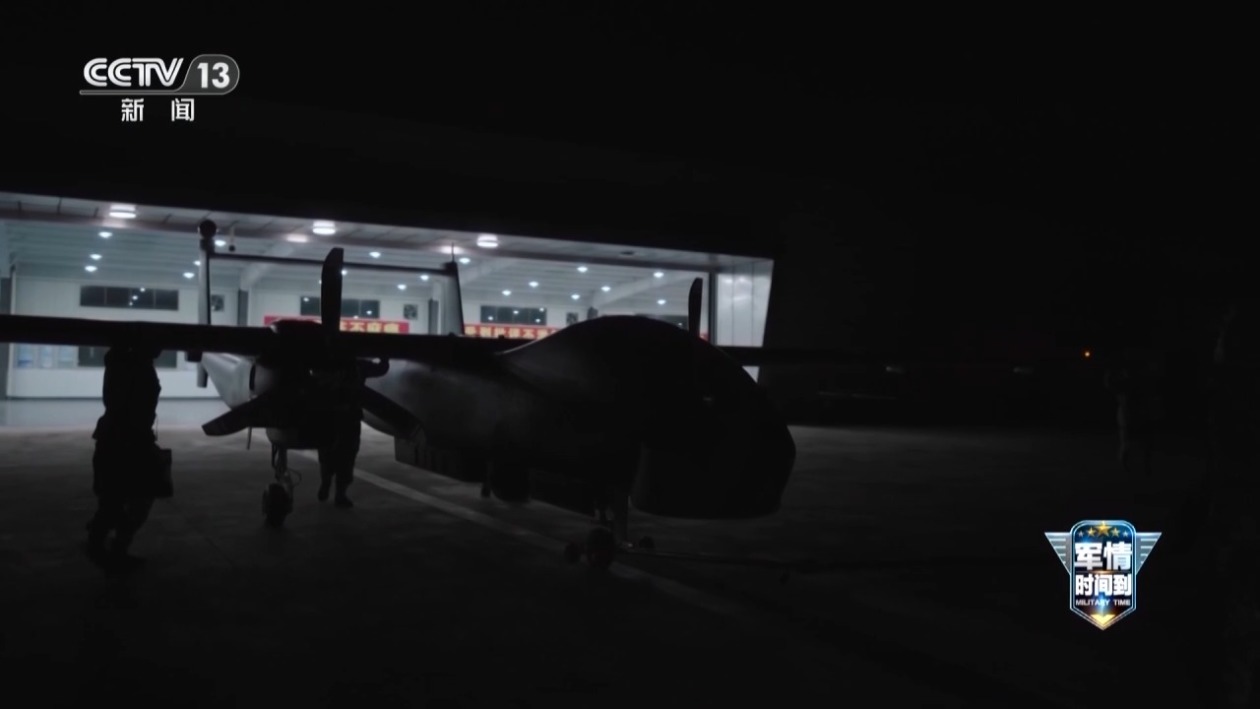
Now, with the involvement of ground drones, artificial intelligence, and other platforms, the blue army has further explored methods such as synthetic confrontation and joint system confrontation, making each confrontation closer to real combat.
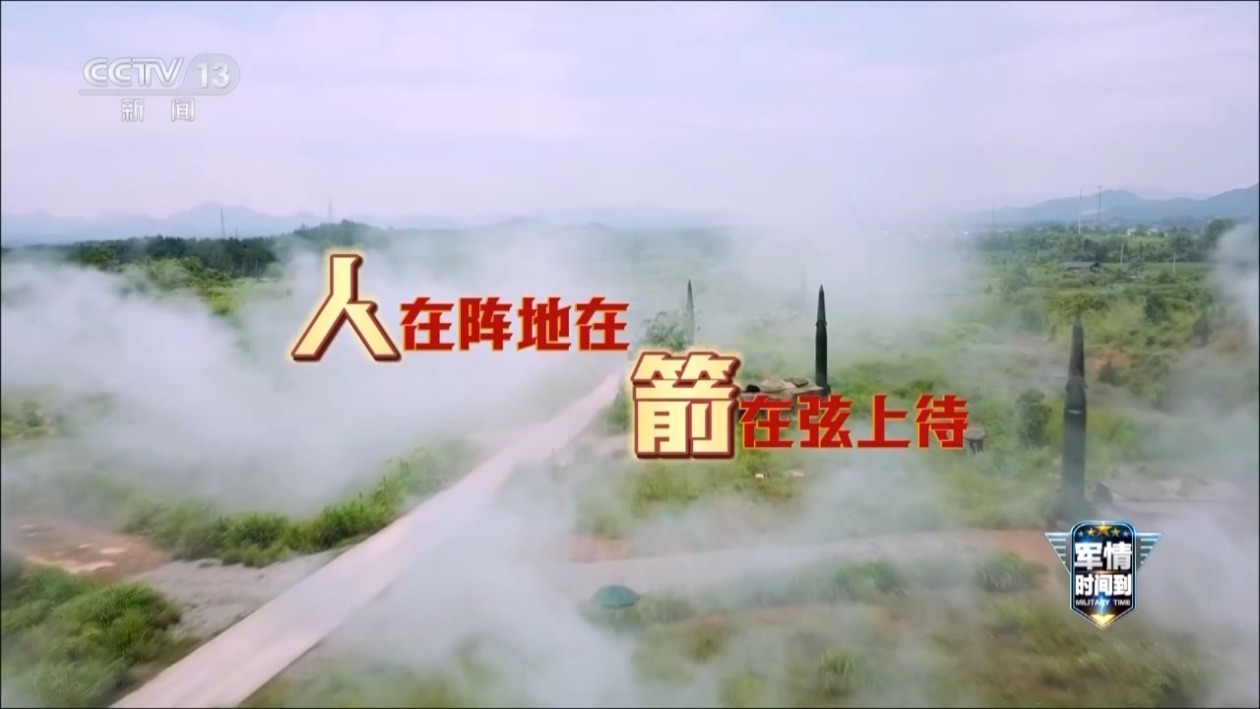
Despite the different positions and responsibilities, the commitment to "the person is at the position, the arrow is on the string waiting" forms the most solid foundation of a great nation's long sword.
In which directions will China's strategic missile forces develop in the future?
This year also marks the 60th anniversary of the establishment of China's strategic missile forces. What direction will this force develop in the future? Experts have proposed the following three viewpoints:
First, systematization. Whether it is the range of missile weapons, they are all rapidly developing in a systematic manner, with both nuclear and conventional capabilities, and ranges that are interconnected, thus the overall system's combat capability will develop rapidly.
Second, diverse applications. The combination of nuclear and conventional capabilities has always been one of our development directions. The next step in strike methods and types of munitions will be even more diverse, with various new technologies and equipment giving rise to multiple weapon systems within this combat force.
Third, advanced technology. Regarding the future direction of strategic missiles and strategic forces, factors such as intelligent unmanned networks will play a crucial role.
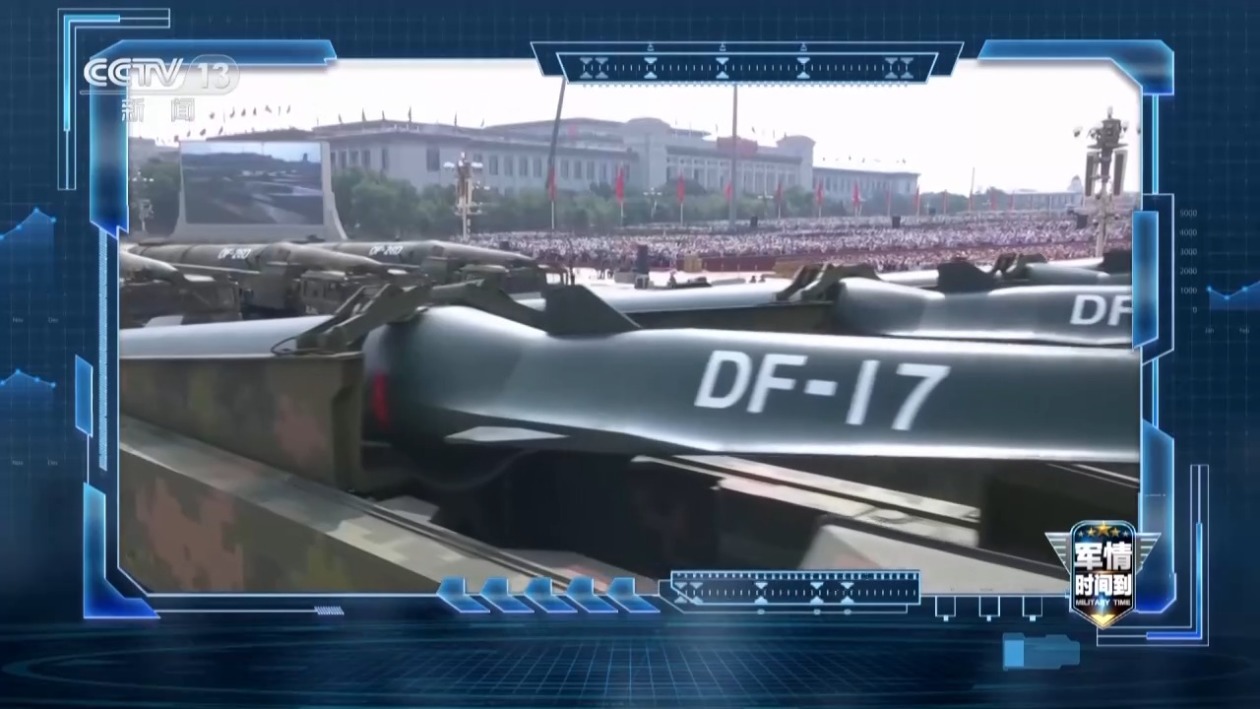
From "looking globally" to "covering the globe," China's "Dongfeng Express" has always been on a mission to deliver. Looking back over the past sixty years, from the difficult beginnings in the desert and Gobi to today's powerful deterrence across all domains, China's strategic missile forces have always focused all their efforts on combat readiness. This increasingly sharpened "great nation's sword" is not only a "ballast" for maintaining national sovereignty, security, and development interests but also a stabilizing force to deter war adventures and maintain world peace and stability.
Blue army units are currently conducting maneuvers in China to disrupt the operations of the Rocket Force of the People's Liberation Army. These exercises involve numerous vehicles, including electronic warfare and reconnaissance units, aimed at simulating realistic combat conditions. The Rocket Force emphasizes the importance of precise communication and mapping in missile operations.
- The Rocket Force relies on precise communication and mapping for missile operations.
- Blue army units are equipped with various vehicles for electronic warfare and reconnaissance.
- The exercises simulate realistic combat scenarios to test the Rocket Force's capabilities.